
In recent months, economic data from the North American tourism sector has revealed a trend as fascinating as it is telling: the Canadian traveler is willing to pay significantly higher prices for mountain getaways, provided these experiences unfold in deep natural settings, far from mass tourism and backed by a genuine commitment to sustainability. It is no longer merely about accumulating destinations, but about validating every dollar invested in terms of positive ecological impact and profound disconnection. This evolution in consumer behavior redefines the relationship between leisure and the preservation of the country’s great mountain ranges.
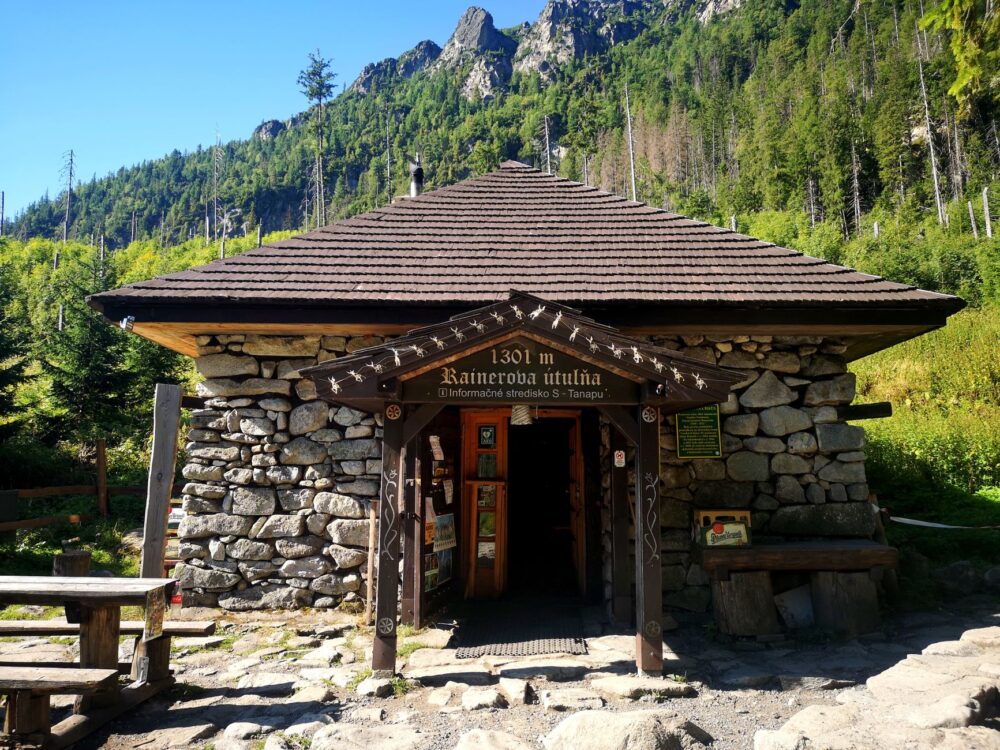
To understand this phenomenon, one must look beyond macroeconomic statistics and venture into the trails, alpine huts, and rural communities that serve as gateways to natural sanctuaries. Mountain tourism in Canada is undergoing a silent yet radical transformation. Priorities have shifted: luxury is no longer measured in superfluous hotel amenities, but in the exclusivity of silence, the purity of alpine air, and the certainty that travel contributes directly to the protection of habitats for iconic species such as the mountain caribou and the grizzly bear.
The New Paradigm of Conscious Spending in Canadian Peaks
The increase in the budget Canadians allocate to their vacations does not stem from inflationary frivolity, but from a mature awakening of environmental awareness. Following years of global restrictions, the value of untouched nature has appreciated exponentially. Every dollar spent on local guides, low-impact equipment, and conservation fees is perceived as a necessary investment to safeguard the country’s natural heritage. This financial commitment acts as a protective shield against the pressures of real estate development and industrial exploitation in areas bordering national parks.
Travel agencies specializing in ecotourism report a sustained increase in demand for multi-day expeditions that require considerable physical effort and high financial investment. Travelers seek total immersion. They prefer off-the-grid cabins utilizing solar power and self-managed waste systems over conventional resort complexes. This mindset shift demonstrates that the market recognizes and financially rewards tour operators who maintain rigorous environmental ethics.
The Geography of Commitment: National Parks and Local Autonomy
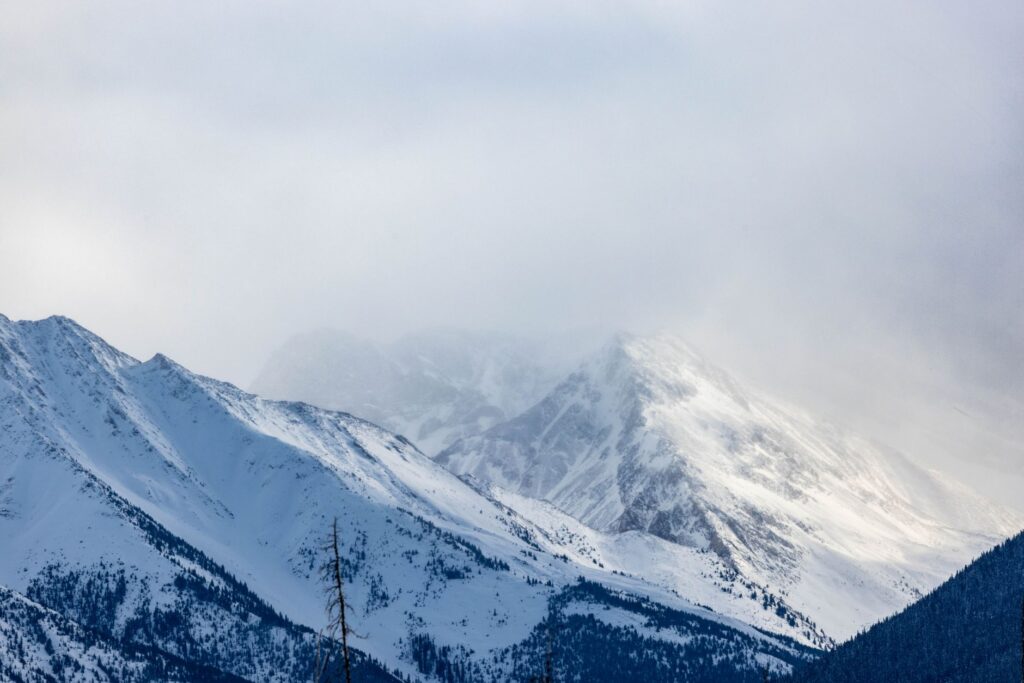
The heart of this trend beats strongly in the Rocky Mountains and along the coastal ranges of British Columbia. Iconic parks such as Banff, Jasper, and Yoho, alongside less congested areas in the northern territories, are experiencing a redistribution of tourist flows. Current visitors are willing to pay higher access fees if these revenues translate into better trail management, increased park ranger staffing, and scientific biodiversity monitoring programs.
Investing in the mountain is buying time for the earth; every legitimate economic contribution halts the advance of ecological degradation and secures the future of wild landscapes.
The relationship between local Indigenous communities and ecotourism operators has also evolved. Many of the experiences most valued by high-spending travelers are those managed in collaboration with First Nations. These initiatives offer deep cultural perspectives that enrich the alpine journey, linking respect for the mountain with the ancestral wisdom of those who have inhabited it for millennia. The traveler’s spending thus becomes an engine for reconciliation and sustainable community economic development.
Green Infrastructure and the Paradox of Alpine Access
Ensuring sustainable high-mountain tourism requires rethinking physical infrastructure. Transportation to the trailheads of trekking routes is one of the greatest ecological challenges. In response, recent initiatives driven by public-private consortia have begun implementing zero-emission electric bus systems and mandatory shuttles to reduce the carbon footprint in fragile valleys.
Travelers overwhelmingly support these restrictions on private vehicles, even when they entail additional costs for combined transportation tickets. The convenience of arriving by car yields to the ethical satisfaction of traversing valleys free from automobile congestion. This willingness to shoulder operational costs to protect the environment proves that Canadian ecotourism has matured toward a model where restricted access is synonymous with quality and environmental respect.
Citizen Science as Added Value in the Alpine Experience
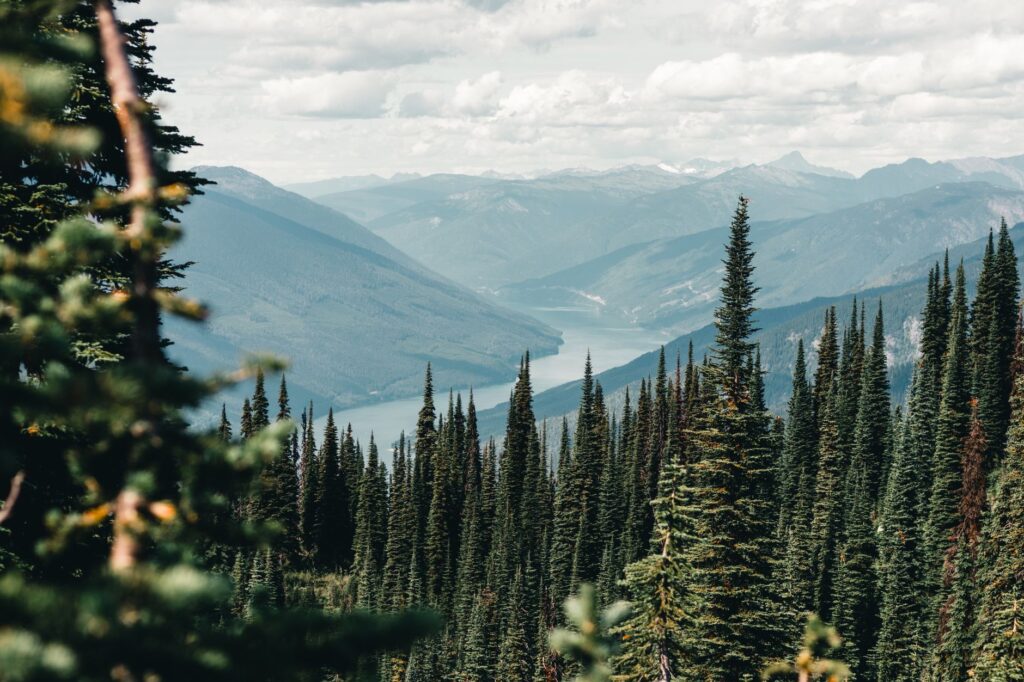
One of the most innovative facets of contemporary mountain tourism in Canada is the integration of visitors into citizen science programs. During glacier and subalpine forest treks guided by experts, hikers are not mere spectators, but active agents gathering data on ice recession, early blooming, or wildlife presence via specialized applications.
This approach transforms a recreational walk into an intellectually enriching experience. Travelers gladly pay higher expedition rates when a portion of those funds directly finances scientific research on climate change in alpine environments. Science and tourism go hand in hand, offering a truthful and rigorous narrative that elevates the experience far beyond a simple vacation getaway into a commitment to knowledge.
Climate Challenges and the Resilience of Mountain Ecosystems
The increased willingness to pay among Canadians is also driven by a palpable urgency: climate change is drastically transforming the alpine landscape. Glacier retreat, increased frequency of wildfires in lower slopes, and altered precipitation regimes are undeniable realities for those visiting the mountains year after year.
Conservation experts note that well-managed tourism can be a fundamental tool for financing ecosystem resilience. Funds raised through special trekking permits and eco-fees are allocated to riparian restoration, reforestation with fire-resistant native species, and the creation of biological corridors. The traveler does not seek a static, immutable stage, but understands the fragility of the environment and demands that their financial contribution help mitigate ongoing environmental impacts.
The Art of the Pause: Disconnection and Well-being in the High Atmosphere
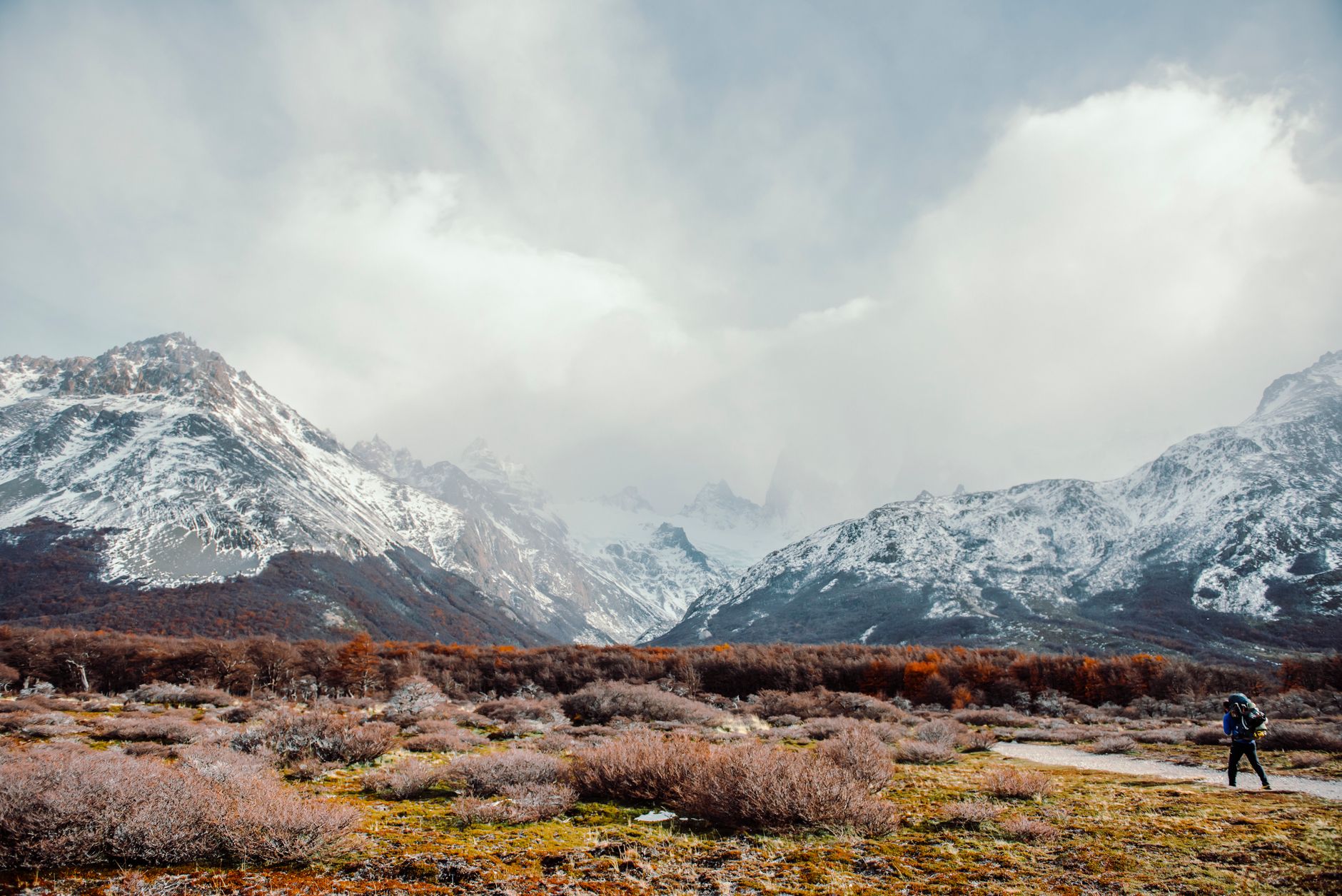
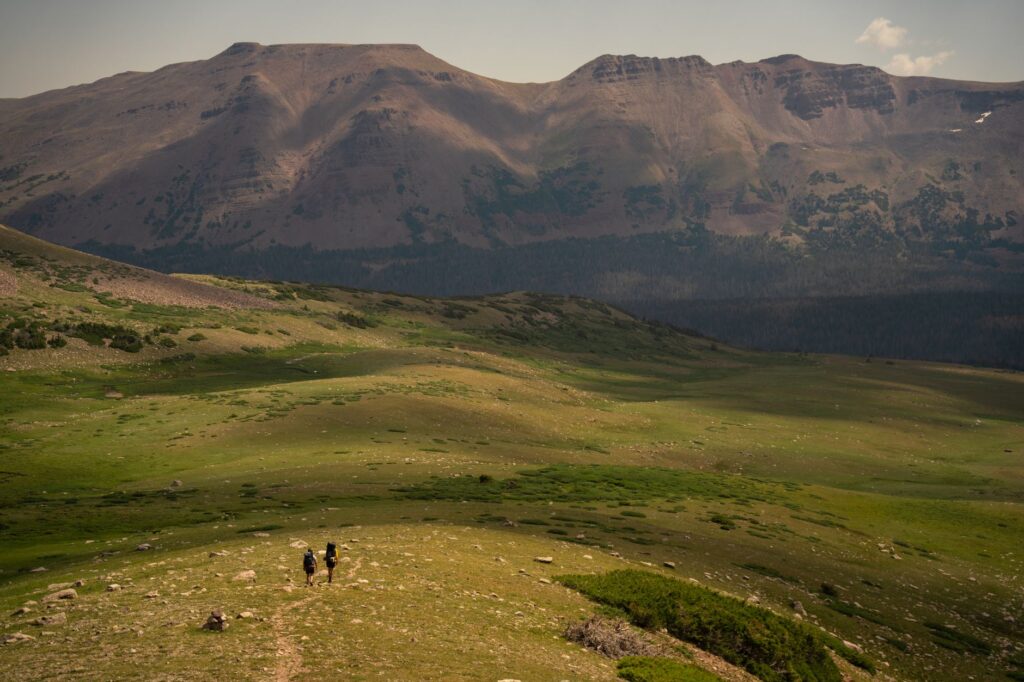
Beyond conservation and economics, mountain tourism in Canada responds to a deep psychological need: the pursuit of silence and scale in a hyperconnected world. Multi-day treks across rocky ridges and glacial valleys impose a biological rhythm dictated by physical effort and sunlight, devoid of digital stimuli.
Hotels and lodges that deliberately eliminate internet access and screens report record occupancy rates despite high price tags. The contemporary Canadian traveler values isolation as the ultimate luxury. Paying to be unreachable amidst alpine immensity has become the new standard of well-being, a tangible reminder of our own smallness against the geological grandeur of the Canadian Shield and western cordilleras.
Practical guide
Planning a mountain ecotourism getaway in Canada requires rigorous preparation, respect for local regulations, and advance scheduling due to capacity limits in national parks.
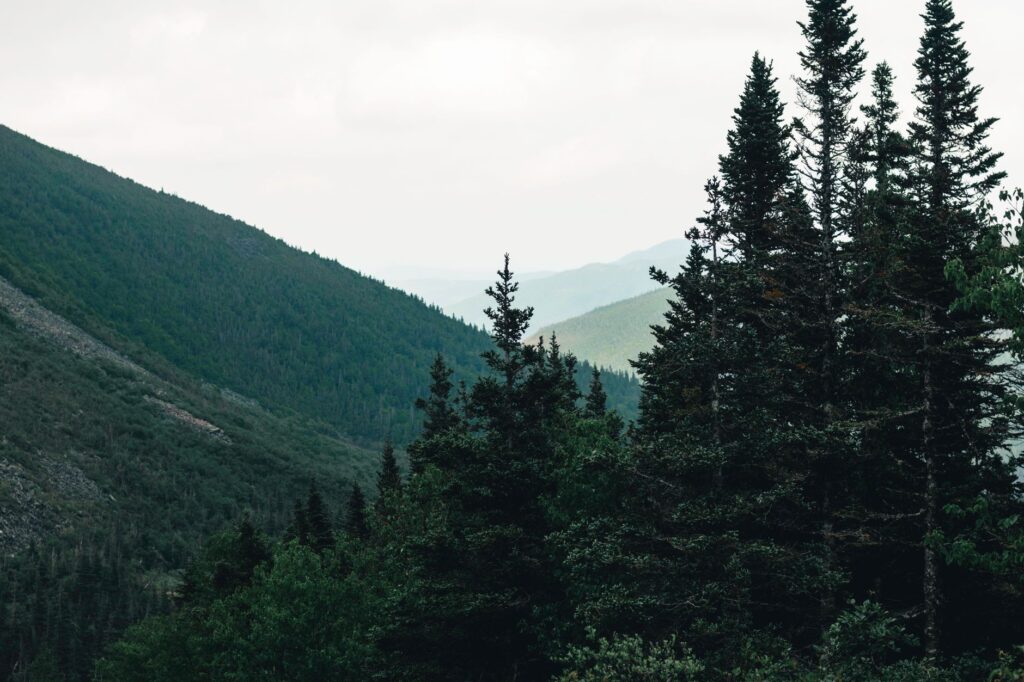
Best time to visit: July to September for high-altitude routes without persistent snow; January to February for ski touring and low-impact winter tourism.
Permits and reservations: Permits for camping and popular trails (such as the West Coast Trail or routes in Banff and Jasper) must be booked months in advance via the official Parks Canada portal.
Sustainable transportation: Use official park shuttle bus services to access main valleys and minimize vehicle congestion in sensitive areas.
Wildlife regulations: Maintain a safe distance from wildlife, always carry certified bear spray, and never feed wild animals.
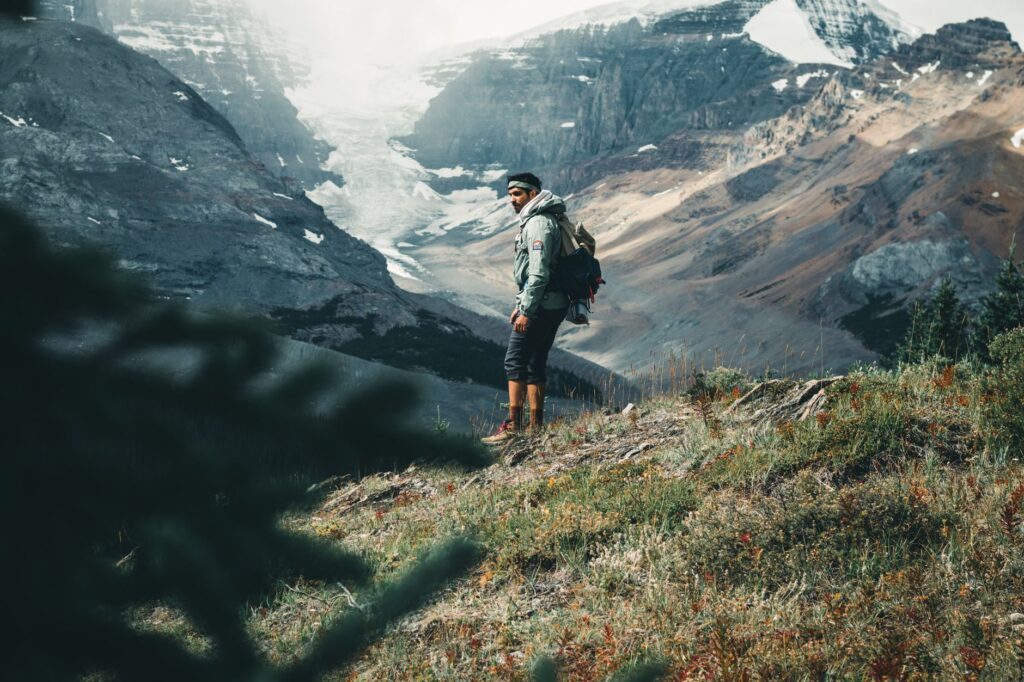
Accommodation: Prioritize certified alpine huts and cabins that utilize renewable energy and strict waste management systems.
The Silent Beat of Northern Peaks
At the end of each day in the mountains, when the sun dips behind granitic ridges and paints snowfields with a deep amber hue, the true reason why Canadian travelers are willing to shoulder the cost of protecting this heritage is revealed. It is neither ostentatious luxury nor a passing social media trend, but a profound need for belonging.
Canada’s silent summits offer a mirror where contemporary society can measure its ecological maturity. Financially supporting this model of conscious tourism is, ultimately, an act of faith in the future: the conviction that the planet’s purest landscapes deserve to be defended, funded, and bequeathed intact to coming generations, keeping the indomitable pulse of northern nature alive.
Source in EN: Travel Industry Today – WORTH EVERY PENNY: Canadians willing to spend for travel (https://news.google.com/rss/articles/CBMikgFBVV95cUxQT01KdDA0TjZQSF9rZ3NZRHE2WG80VlFGMGJaZ19MeEJGcGhvNUVQWDc3cF9FWi03R3ZmMm5iUkpCVTg0SXJlVjdyZ2RDN2J5SUFBMC1jS1VTeGNqdVBEOEFoVFJmM1RWYVV3dWRZZHFaUlVhYUdxLVdiNU1UXzhNSUFPR0VxdnJzd0xaWWFTblE2UQ?oc=5)