
A Cultural Oasis in the Concrete Desert
In a city globally renowned for its architectural records, colossal shopping malls, and an urban ambition that constantly defies the limits of physics, Dubai’s true cultural identity is often relegated to the background for the average visitor. However, beneath the gleaming surface of eight-lane highways and glass towers, a vibrant ecosystem beats to the rhythm of independent creativity. This invisible yet deeply rooted cultural fabric has just received an unprecedented international boost by being formally recognized within the global tourism industry.
The designation of the artistic platform The Fridge as Cultural Experiences Partner by the World Travel Awards marks a significant milestone. This is not simply another corporate accolade in the luxury hospitality circuit, but rather the institutional validation of a cultural management model that prioritizes local talent, sonic experimentation, and community authenticity over commercial standardization. This appointment forces both tour operators and discerning travelers to rethink what it actually means to experience culture in the United Arab Emirates beyond traditional circuits.
Contemporary cultural tourism no longer seeks prefabricated monuments, but rather the human and artistic truth of the territories it visits.
The Origins of a Sonic Revolution in Al Quoz
To understand the magnitude of this recognition, it is necessary to look back to the early 2000s, a period when Dubai’s art scene was practically non-existent for independent creators. Back then, the industrial district of Al Quoz was not the flourishing creative neighborhood it is today, but rather a dusty labyrinth of mechanical workshops, carpentry shops, and textile factories. It was in this unlikely enclave that a group of cultural pioneers decided to plant the seed of what would become an unparalleled artistic catalyst in the Persian Gulf region.
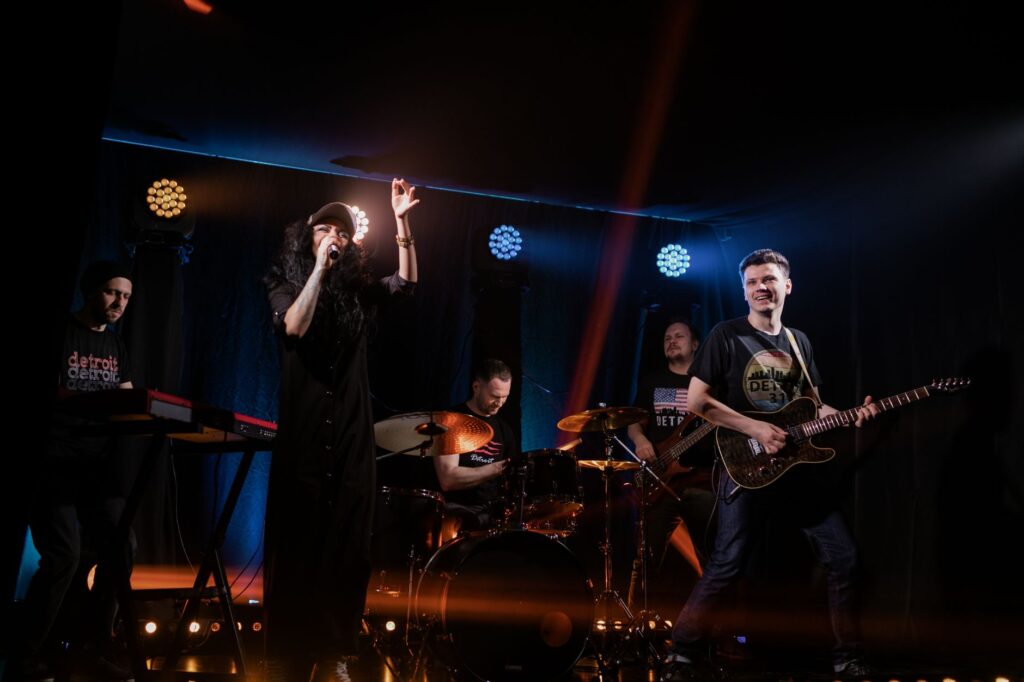
Founded on the radical premise of offering a physical and mental space where live music, performing arts, and critical thinking could be expressed without corporate filters, The Fridge began operating from a modest adapted warehouse. Far from relying on heavy state subsidies in its early days, the project survived thanks to the resilience of its community and a fiercely eclectic programming that ranged from experimental jazz and spoken word to contemporary classical music and cutting-edge electronic fusions. The industrial acoustics of the venue, far from being a flaw, became the hallmark of a visceral and intimate sonic experience.
Industrial Architecture and the Warehouse Renaissance
The transformation of the Al Quoz district is, in many ways, a case study on how culture can regenerate degraded urban areas without resorting to destructive gentrification. When The Fridge settled in the industrial heart of the zone, the prevailing aesthetic was strictly functional: exposed concrete, high corrugated metal roofs, and wide loading bays designed for freight trucks. Over the years, this utilitarian architecture proved to be the perfect container to house the artistic vanguard of the Middle East.
The adaptation process of these spaces respected the original rawness of the buildings. Instead of covering the walls with drywall panels or installing synthetic parquet flooring, the choice was made to preserve the scars of industrial labor, creating a fascinating visual contrast between the fragility of a classical violin performance and the solid industrial surroundings. This architectural dialogue naturally attracted contemporary art galleries, design studios, and specialty coffee shops, gradually turning Al Quoz into the true cultural and bohemian district of Dubai.
The Human Pulse: Artists, Musicians, and the Expatriate Community
No cultural space survives exclusively on bricks and concrete; the true engine of The Fridge has always been its vibrant human community. Dubai is one of the most cosmopolitan and multicultural cities on the planet, a convergence point where citizens from more than two hundred countries coexist. However, this hyperdiversity often generates a sense of social fragmentation, where different communities tend to retreat into their own demographic and economic bubbles.
In this context, The Fridge’s artistic programming acts as an indispensable social glue. Its concerts and workshops bring together expatriate musicians from Lebanon, Syria, India, the United Kingdom, and the Philippines, collaborating side by side with emerging Emirati talents in a constant exercise of cultural cross-pollination. The improvised collaborations born on its stage reflect the demographic reality of 21st-century Dubai: a global metropolis in the midst of identity ebullition desperately seeking to tell its own story through local and authentic voices.
Beyond Entertainment: Education and Talent Management
The impact of The Fridge on Dubai’s cultural ecosystem goes far beyond merely organizing nightly concerts or seasonal festivals. Aware of the need to build a sustainable long-term infrastructure, its leaders developed robust educational programs from the outset aimed at new generations of creators and cultural managers in the United Arab Emirates.
These initiatives include music production workshops, masterclasses on acoustic instruments, mentorships for young composers, and technical training programs in live lighting and sound. By professionalizing the sector and equipping local artists with business management tools without diminishing their creative freedom, the platform has managed to structure an industry that previously depended entirely on improvisation. This comprehensive approach is precisely what the World Travel Awards jury valued when granting them the distinction of official partners in cultural experiences.
Sustainable Cultural Tourism: A New Paradigm for Dubai
The integration of The Fridge into international tourism networks subverts Dubai’s traditional tourism narrative, which has focused almost exclusively on hedonistic consumption, architectural luxury, and brand shopping. Until relatively recently, the traveler landing at Dubai International Airport rarely had access to a genuine cultural agenda reflecting local contemporary creativity, being limited instead to traditional ethnographic museums or folkloric shows designed specifically for mass consumption.
Recognition as a Cultural Experiences Partner opens the door to a much more mature experiential tourism model, where visitors seek to connect with the social and artistic reality of the destination. Exploring the independent spaces of Al Quoz, attending an intimate live music session in the warehouse, or chatting with local creators about the challenges of producing art in a desert megacity radically transforms the travel experience, moving it away from superficial clichés into the territory of intellectual and human discovery.
Practical guide
How to get there: The Al Quoz district is accessible via the Red Line of the Dubai Metro by getting off at Noor Bank or Equiti station, then combining the trip with a local taxi or ridesharing service. If opting for a private vehicle, free parking areas are available around Alserkal Avenue.
When to visit: Dubai’s cultural high season coincides with the coolest months of the year, from October to April. During this period, live event programming intensifies markedly with outdoor festivals and weekly concerts.
Tickets and reservations: It is recommended to check the official schedule on their corporate website in advance, as concerts in the main warehouse have strictly limited capacity to preserve acoustic quality and intimacy.
Cultural respect recommendations: As this is an industrial artistic district frequented by a diverse and open community, mutual respect prevails. However, discreet and context-appropriate attire is appreciated when strolling through the surrounding streets.
Emotional Epilogue: The Echo That Lingers After the Lights Go Out
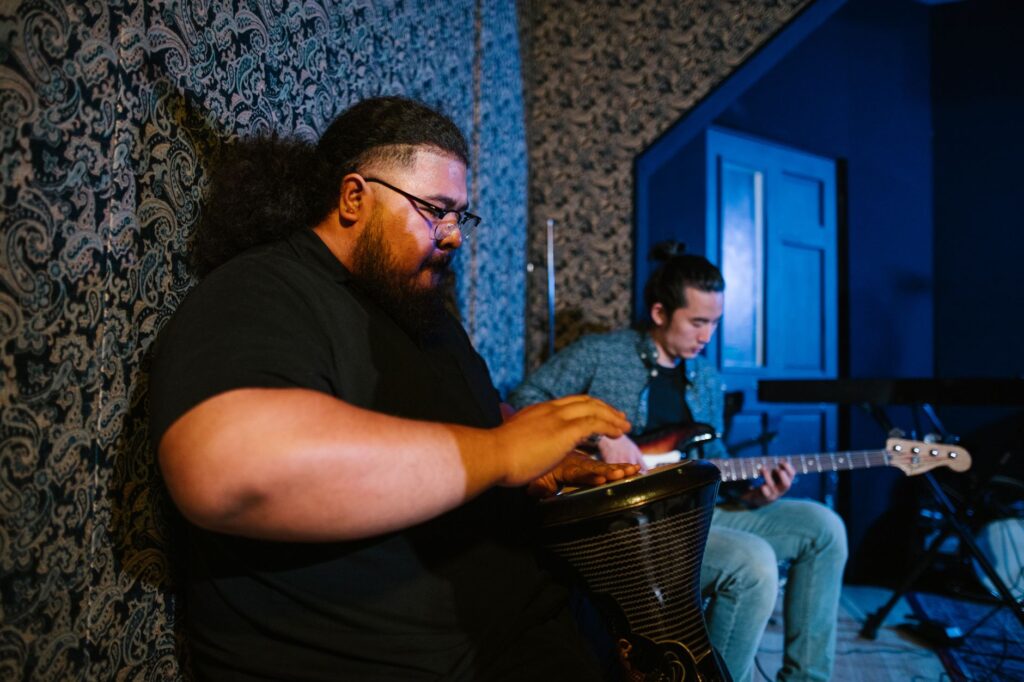
When the last musical note fades inside the Al Quoz warehouse and the buzz of attendees slowly dissolves into the cool desert night, a subtle yet unmistakable sense of permanence lingers in the atmosphere. In a city built with the dizzying urgency of the ephemeral, where buildings rise from the sand in a matter of months and obsolescence seems to be the urban norm, projects like this demonstrate that a society’s true memory does not reside in the height of its towers, but in the depth of its artistic expression.
This international recognition is not the end point of a journey, but confirmation that independent culture in Dubai has matured enough to engage on equal terms with the world. For the traveler who dares to cross the industrial threshold and immerse themselves in this hidden pulse, the reward is not just an unforgettable travel memory, but the privilege of having witnessed firsthand the birth of a new cultural era in the heart of the Gulf.
Source in EN: Breaking Travel News (https://www.breakingtravelnews.com/news/article/the-fridge-named-cultural-experiences-partner-of-world-travel-awards/)