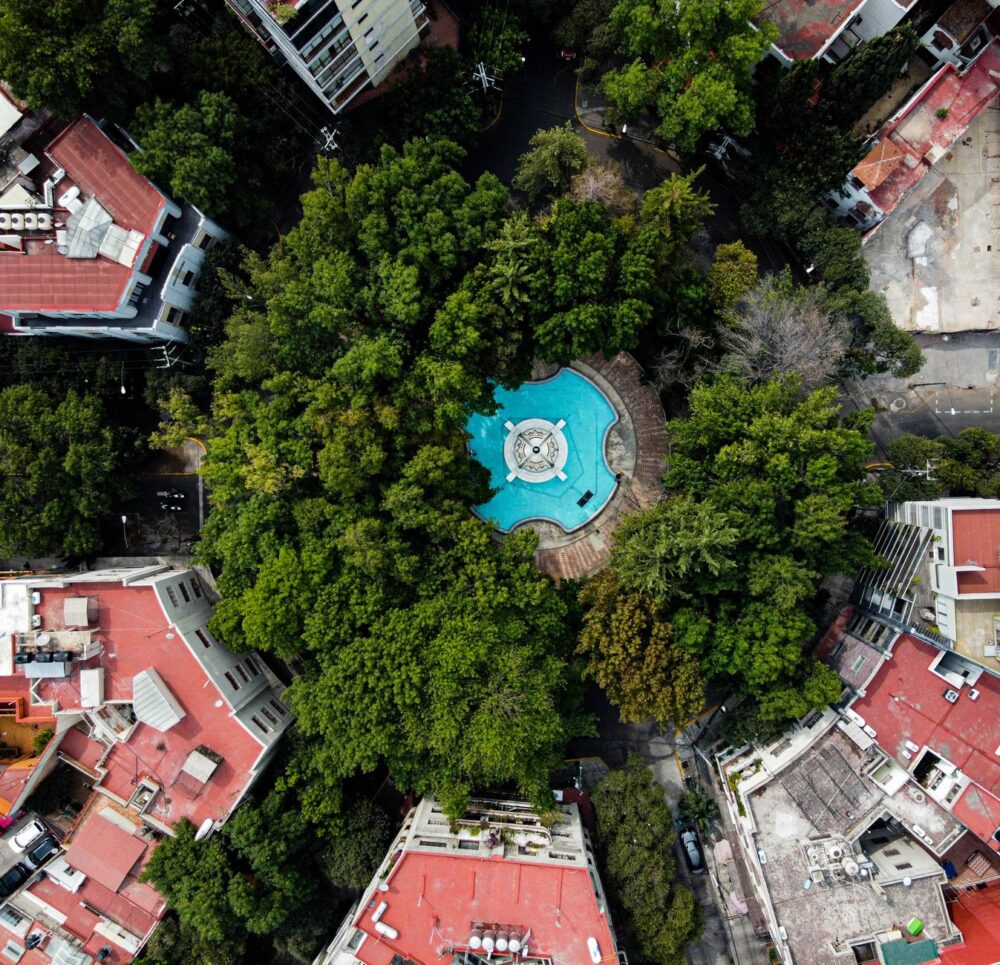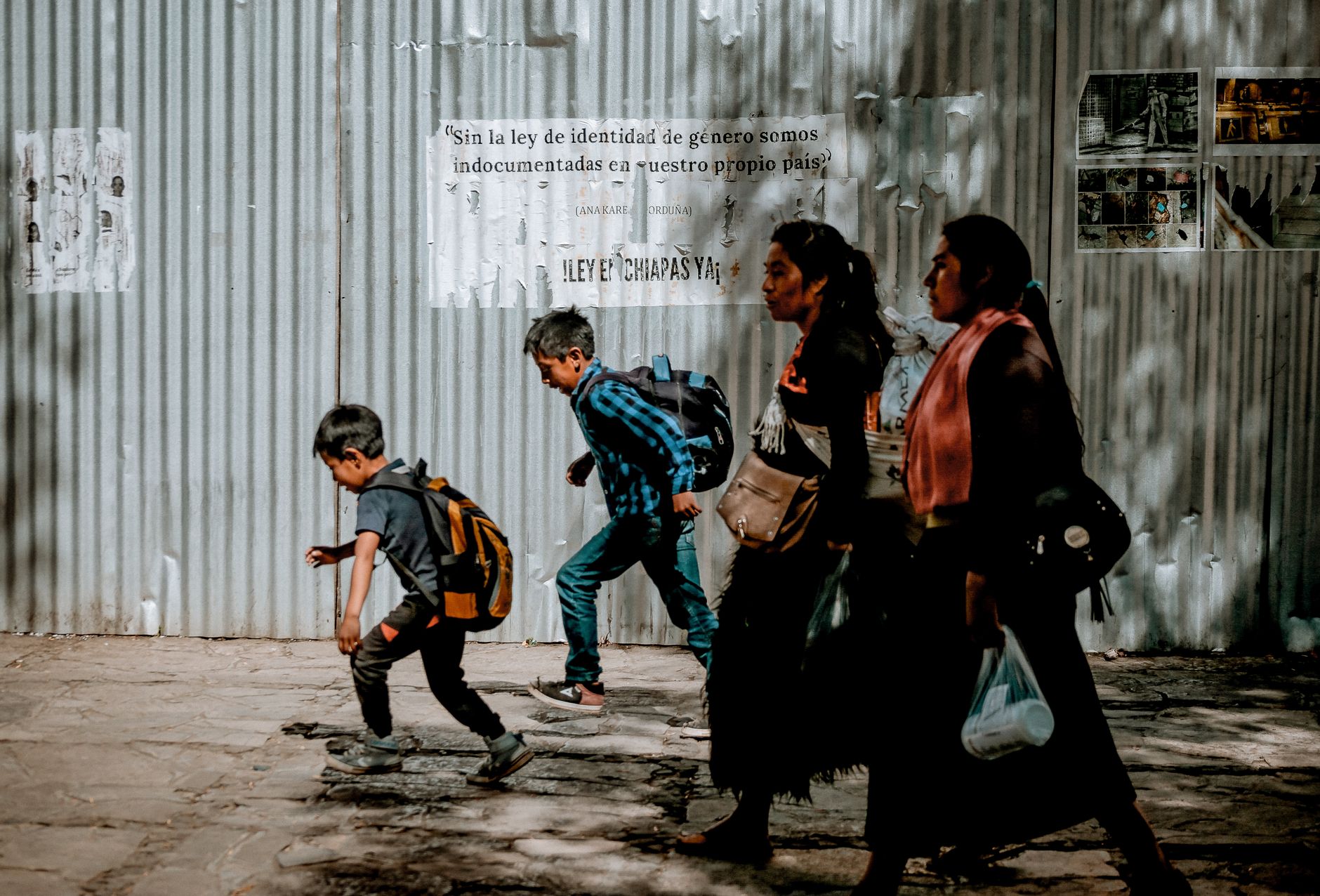

The landscape of international travel is undergoing one of its most profound shifts in modern history. With the recent easing of entry requirements and the expansion of visa-free agreements involving global powers like the United States, Canada, and a select group of over ninety nations, the bureaucratic barriers that once dictated human movement are dissolving at an extraordinary pace. This geopolitical shift does not merely streamline business trips and conventional tourism; it presents the global community with a critical ethical and logistical question: how do we absorb this influx of travelers without fracturing the delicate social and ecological fabrics of host destinations?
While macroeconomists often celebrate border liberalization as an unmitigated triumph for aviation, corporate hospitality, and global trade, the reality on the ground tells a much more nuanced story. In rural communities, fragile ecosystems, and historic neighborhoods, the impact of sudden tourist surges can be devastating. The ultimate success of these mobility policies must not be quantified solely by the volume of arrivals at border checkpoints, but by how effectively these human flows generate equitable wealth, restore marginalized local economies, and fund the preservation of our planet’s cultural and natural heritage.
The New Blueprint of Global Mobility
The restructuring of visa frameworks is a strategic response to the need for economic revitalization and soft-power diplomacy in the post-pandemic era. By allowing citizens from 93 countries to access previously restricted territories with minimal administrative friction, nations aim to stimulate consumer spending and foster deeper cross-cultural ties. However, this acceleration of global transit comes at a time when many destinations are highly vulnerable, still grappling with the dual pressures of climate change and tourism-driven gentrification.
Streamlined access removes the administrative filter that historically acted as a natural regulator of visitor numbers. Consequently, the responsibility of managing tourism capacity now falls squarely on local governments and host communities. These stakeholders must devise innovative strategies to channel this influx constructively, ensuring that economic gains are not monopolized by multinational intermediaries but are instead distributed fairly among local residents.

The Open-Border Dilemma: Mass Tourism vs. Regeneration
An uncontrolled influx of visitors can rapidly lead to the depletion of local water resources, waste management crises, and the displacement of local populations due to soaring living costs. The defining challenge of contemporary travel is to pivot from a model of volume-based consumption to one of regenerative development.
«True border openness is not measured by how easily a traveler enters a country, but by the positive legacy and respect they leave behind in the communities that host them.»
To prevent visa-free policies from becoming an ecological burden, governments must pair entry facilitation with strict capacity-management regulations. This means ensuring that revenues generated from indirect tourism taxes are funneled directly back into community infrastructure, waste treatment facilities, and conservation initiatives managed by the local population.
Empowering Host Communities from the Ground Up
When travelers plan journeys under visa-free regimes, they often benefit from increased flexibility in both time and budget. These surplus resources can be intentionally directed toward agricultural cooperatives, community-based tourism enterprises, local artisans, and family-run guesthouses. Community-based tourism stands as the most resilient alternative to the traditional, extractive tourism model.
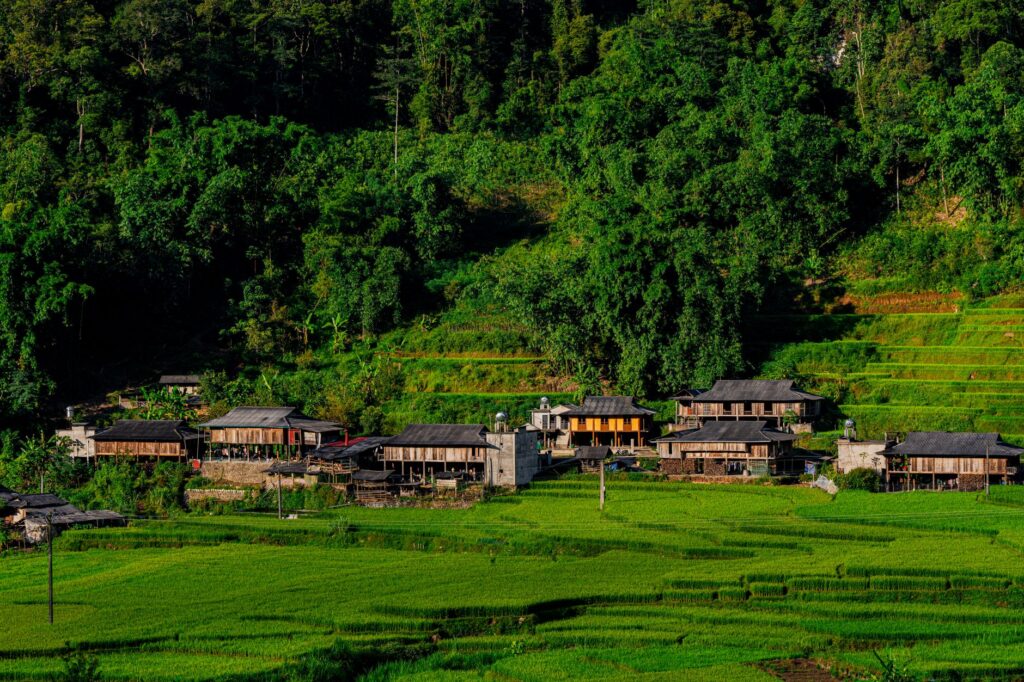
By empowering local residents to manage and monetize their own cultural and natural assets, we ensure that the financial benefits of travel remain within the territory. This not only elevates the living standards of the hosts but also enriches the visitor’s experience, offering authentic cultural immersion that cannot be replicated by manufactured mass-market attractions.
Diversifying Visitor Spending
Achieving an equitable distribution of tourism revenue requires a concerted effort to promote direct transactions between travelers and local service providers. Digital social-economy platforms and local guide associations are essential components of this ecosystem, helping to ensure that the financial windfalls of visa-free travel reach the most vulnerable segments of society.
Decentralizing the Flow: Diverting Foot Traffic to Rural Havens
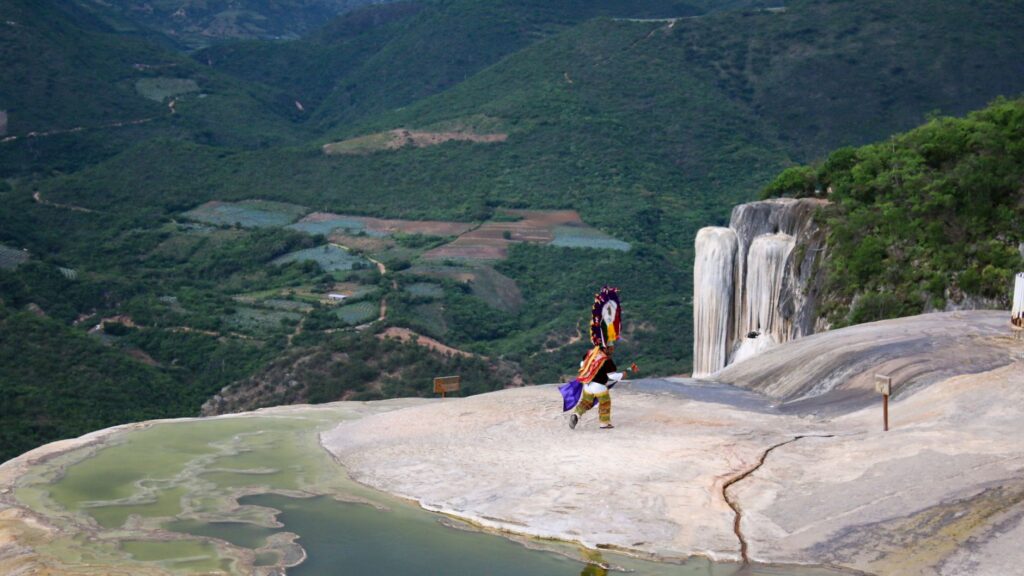
One of the greatest risks of democratized travel is hyper-concentration in iconic hotspots. Major metropolises and world-famous landmarks suffer from severe overcrowding, while rural and inland regions miss out on vital economic opportunities. Modern mobility policies must be leveraged as a tool for geographical decentralization.
Promoting secondary travel corridors and thematic routes centered around nature and rural heritage helps distribute environmental impacts while spreading economic benefits. Travelers seeking to escape the crowds find warmer hospitality and a genuine connection to the land in these lesser-known regions, transforming travel into a mutually enriching human exchange.
Transnational Alliances: The North American Paradigm
The collaboration between the United States and Canada regarding border management and traveler transit serves as a compelling blueprint for global cooperation. Both nations have demonstrated that security and travel facilitation are not mutually exclusive but rather complementary goals. This synergy can be extended to sustainability, creating transboundary ecological and cultural corridors.
Joint initiatives to protect transboundary national parks and promote shared cultural heritage routes prove that mobility management can be a powerful vehicle for conservation, peace, and mutual understanding on a continental scale.
Policy Frameworks for Ethical and Regenerative Travel
Governments cannot simply open their physical borders and step back; they must play an active role in shaping and regulating the tourism landscape. This requires public policies that incentivize sustainable corporate practices while penalizing actions that degrade public goods and local heritage.

Promoting green certifications for accommodations, providing financial support to sustainable tourism SMEs, and investing in visitor environmental education are indispensable pillars for ensuring that the visa-free travel boom does not compromise the well-being of future generations.
The Role of the Conscious Traveler in a Borderless World
Ultimately, the fate of host communities rests on the individual choices made by travelers. The unprecedented freedom of movement granted by modern passports carries a profound ethical responsibility. The conscious traveler must approach each destination not as a consumer of landscapes, but as a respectful guest.
«Sustainable travel is not a destination, but an ethical stance; it is the understanding that every step we take on foreign soil must support, rather than trample, local life.»
This means taking the time to understand local customs, minimizing waste, respecting natural ecosystems, and prioritizing locally sourced goods and services. Only through this shared mindfulness can we ensure that global travel remains a force for good in an increasingly interconnected world.
Practical guide
For travelers wishing to leverage new visa-free policies under a strictly sustainable and community-oriented framework, the following guidelines are highly recommended:

- Conduct thorough pre-trip research: Before departing, identify local cooperatives, family-owned lodges, and community-led conservation projects to integrate into your itinerary.
- Support the local economy: Prioritize neighborhood markets, traditional family-run eateries, and local artisans over multinational chains that expatriate profits.
- Conserve natural resources: In areas facing water scarcity or ecological stress, minimize your water and energy consumption, and manage your waste responsibly.
- Hire certified local guides: For excursions and cultural tours, always employ professional guides from the community to ensure fair compensation for their knowledge and heritage.
- Mitigate your travel footprint: Opt for low-impact transportation options like trains or bicycles whenever feasible, and support local reforestation or environmental initiatives.
Reconnecting with the Soul of the Land
At the end of the day, a journey is not measured by the number of stamps in a passport or the speed at which we cross international borders. It is measured by the depth of the conversations shared over a locally prepared meal, the respectful silence held before a landscape carved over millennia, and the quiet assurance that our presence has helped sustain the community that welcomed us.
In this new era of fluid borders, the ultimate luxury is not the speed of transit, but the opportunity to slow down, listen, and learn from those who guard the most beautiful and fragile corners of our shared home.
Source: Nomad Lawyer