

The Infinite Larder on the Banks of the Ebro
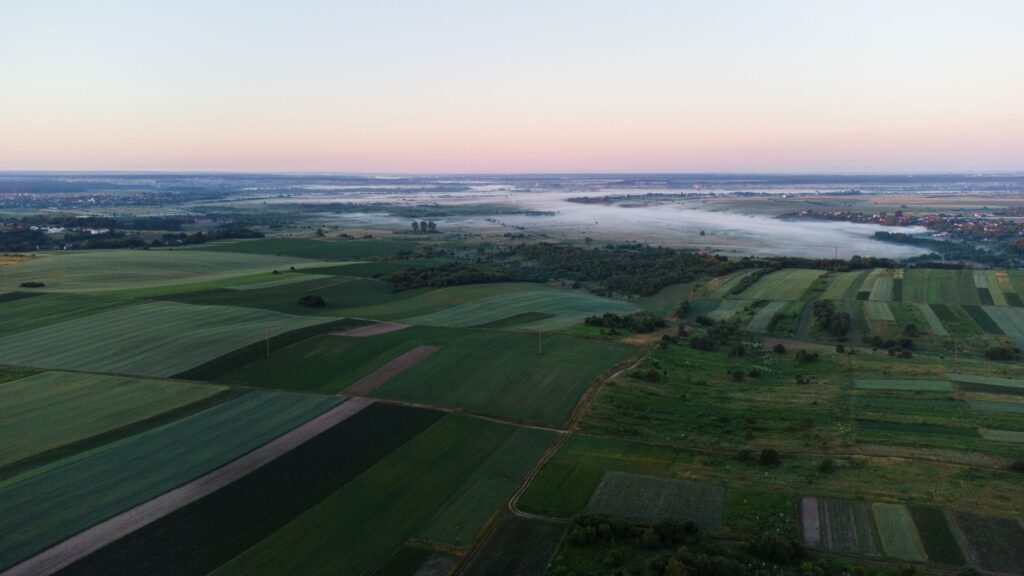
The landscape of Ribera de Navarra is defined by a green, fertile geometry that contrasts sharply with the arid expanse of the Bardenas Reales. Here, the waters of the Ebro River act as a unifying thread connecting the economy, culture, and above all, the gastronomy of a region where the land is not merely an agricultural support system, but the driving force of an unbroken culinary identity. Over centuries, farmers and cooks have forged an invisible yet indestructible alliance built on the rigorous observation of natural cycles, native crop varieties, and an absolute devotion to authentic flavor.
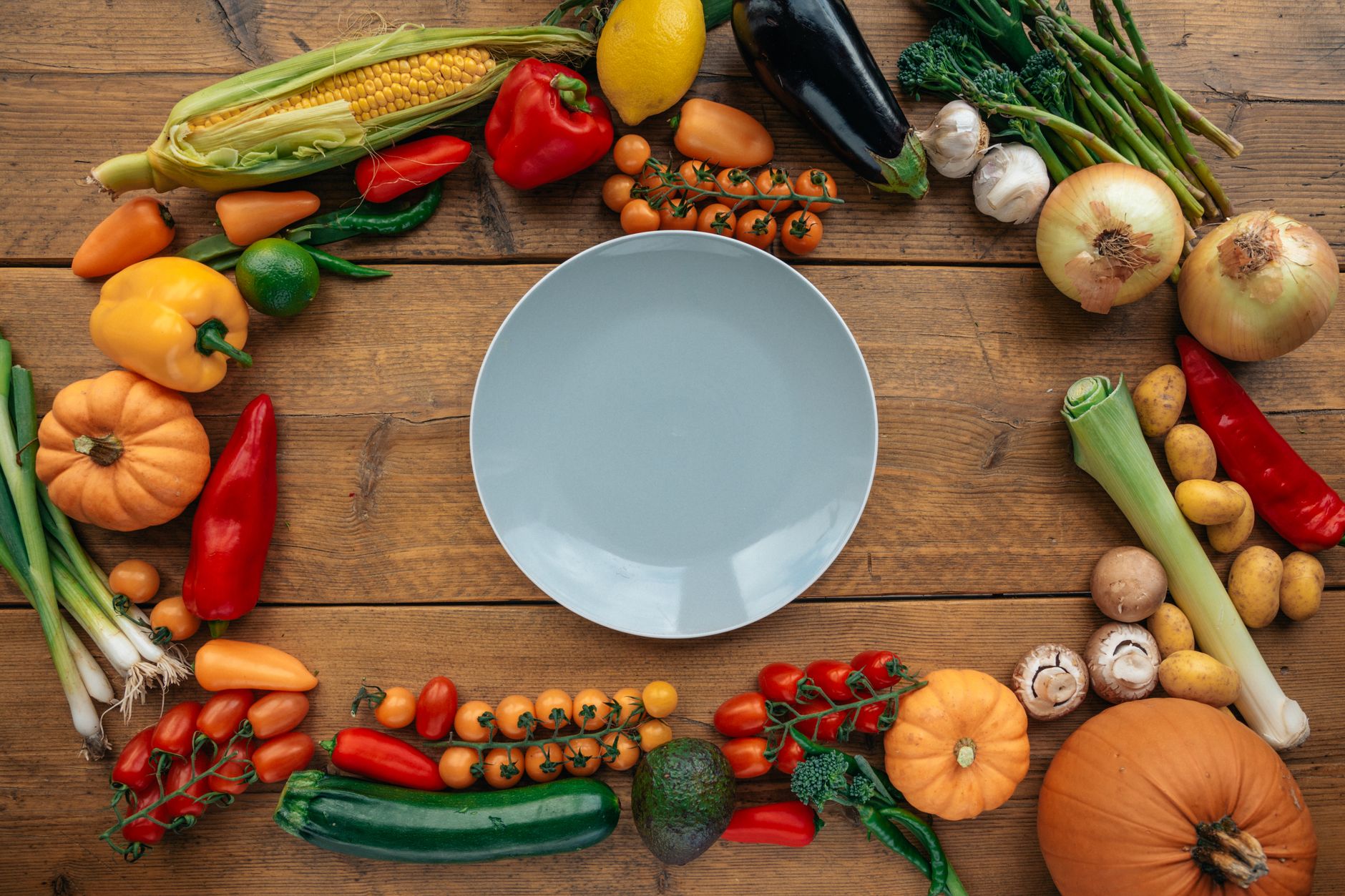
In Tudela, the unofficial capital of this territory, cooking cannot be understood without the vegetable garden. Local restaurants operate under a premise that defies the fleeting trends of global haute cuisine: the best dish is the one that least manipulates exceptional produce. While other latitudes pursue deconstruction or superfluous technical complexity, in La Ribera efforts are concentrated on harvesting at the exact point of ripeness and applying minimal thermal treatments that respect the structure, color, and essence of each vegetable.
The Everyday Miracle of Winter and Spring Vegetables
Seasonality dictates the relentless rhythm of the Ribera kitchens. Winter and spring unfold a plant-based repertoire unique in Europe. Red cardoon, cultivated through the traditional hilling technique that shields it from sunlight to bleach its ribs and eliminate bitterness, stands undisputed as the king of festive tables and cold-month menus. Alongside it, borage—with its distinctively hairy leaves and marine texture—surprises foreign diners with its unexpected delicacy, a botanical treasure rarely consumed outside this stretch of the Ebro valley.
With the arrival of spring, attention shifts to the Tudela artichoke, recognizable by its spherical shape and closed upper aperture, and to tender lettuces. The local artichoke, protected by a Geographical Indication, possesses stringless tenderness thanks to the silty soils and the region’s thermal oscillation. Cooking them requires dexterity: they are cleaned by hand, removing outer leathery leaves, and slowly confited in extra virgin olive oil or sautéed with thin slices of cured ham, without artifices that might obscure their subtle final bitterness.
White Asparagus: Tender Gold Beneath the Earth
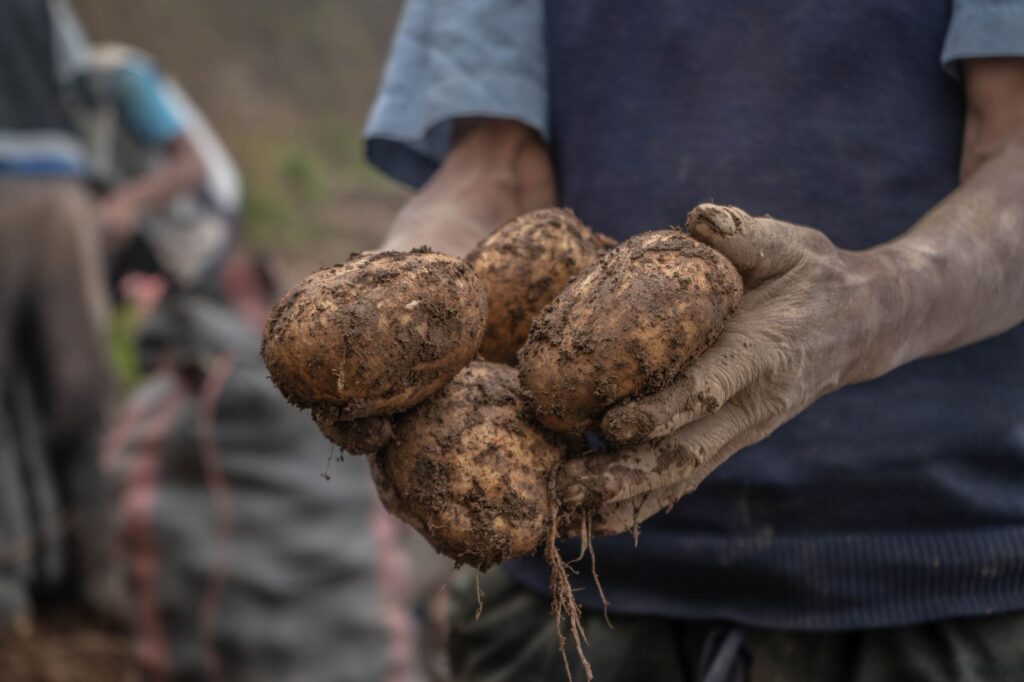
No product better symbolizes the patience and rigor of Ribera agriculture than fresh white asparagus. Throughout April, May, and June, harvesting takes place at dawn, before the sun’s rays reach the bud and trigger photosynthesis that would turn the stalk green and bitter. Farmers walk hunched over mounds of sandy soil, locating the cracks that betray the presence of the underground shoot and extracting it with a specialized metal gouge to avoid fracturing the piece.
In local dining rooms, asparagus is typically served lukewarm, boiled with a pinch of salt and a few drops of lemon or sugar to balance acidity. Its texture must be buttery on the palate, without a trace of fiber, releasing a subtle aroma that evokes damp earth and clean water. Restaurateurs insist this produce tolerates neither long cooking times nor heavy sauces; a light oil emulsion or a delicate vinaigrette is sufficient to elevate its organoleptic profile, turning a simple plant stalk into a dish of emotional haute cuisine.
The Ecosystem of Product-Driven Restaurants
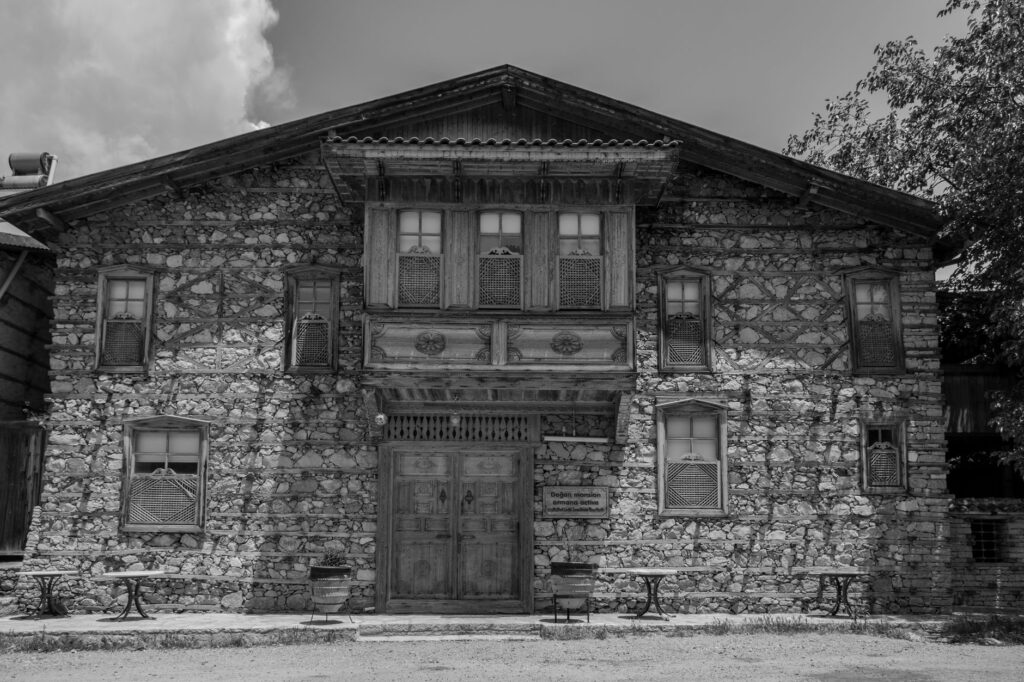
The culinary fabric in towns like Tudela, Corella, San Adrián, and Valtierra largely comprises family-run establishments that have passed down generational batons while preserving the core values of the house. These spaces combine a welcoming, professional front of house with kitchens where direct fire, vine-shoot embers, and traditional earthenware pots continue to set the daily tempo. These are not temples of conceptual avant-garde, but sanctuaries of raw materials.
The relationship between the cook and the grower is direct, frequently built on trust and neighborhood ties. Many mornings, before opening the restaurant doors, the chef visits the garden to personally select the items to be served that noon. This immediate traceability guarantees unmatched freshness, translating into dishes where the chlorophyll, natural sugars, and characteristic acidity of each vegetable remain intact from the plant to the diner’s plate.
The Ribera orchard is not merely an economic resource; it is a living archive of gestures, knowledge, and flavors defended daily from the plate.
Beyond Greenery: Meats, Game, and River Stews
Although vegetables dominate gastronomic headlines, the Ribera larder is complemented by a solid tradition of meats, game, and river produce. Navarre milk-fed lamb, raised in nearby pastures and mother-fed, yields tender meat with a clean flavor traditionally prepared al chilindrón—with dried red peppers, tomato, onion, and garlic—or simply roasted in a wood-fired oven with a side of simple potatoes.
Likewise, the proximity of the Ebro River has bequeathed a centuries-old culture surrounding freshwater fish such as trout and barbel, though contemporary offerings have adapted to modern tastes by incorporating optimal quality marine species arriving from Cantabrian and Basque ports. Small game, particularly partridge and hare, takes center stage during autumn months in long-simmering stews where garden vegetables once again play an essential aromatic and balancing role as a sofrito.
Wine as an Inseparable Companion
No meal in Ribera de Navarra is complete without a bottle of Denominación de Origen Navarra wine, with special focus on rosés crafted from the Garnacha variety. These wines, featuring a bright raspberry hue and refreshing profile, with notes of fresh red fruit and vibrant acidity, are historically considered the only ones capable of harmoniously accompanying the complexity of garden vegetables, especially those with bitter or acidic components like artichoke and asparagus.

In recent years, local wineries have rescued low-yielding old vineyards, championing structured Garnacha reds and Chardonnay or Malvasía whites that enrich the dining room offer. Regional sommeliers play a crucial role in guiding visitors through references from small-scale producers practicing sustainable viticulture respectful of the valley’s clay-limestone environment.
Practical Information for the Gastronomic Traveler
Planning a gastronomic route through Ribera de Navarra requires attention to seasonality. Spring—from April to June—constitutes the optimal period to enjoy the garden’s fresh splendor, while autumn offers the allure of game stews and early winter vegetables. Advance reservation is highly recommended at the most emblematic restaurants in Tudela and surroundings, as many maintain limited seating and very high demand from product enthusiasts nationwide.

Access to the region is convenient by road via the Ebro Expressway (AP-68) or the Northern Highway (A-1), connecting fluidly with Zaragoza, Pamplona, Logroño, and San Sebastián. To complete the experience, combining gastronomic days with cultural visits to Tudela’s historic center, the Cathedral of Santa María, and the natural viewpoints of the Bardenas Reales is strongly advised, understanding the territory as an indivisible whole where landscape and cuisine form a single narrative.
The Future of Root Cuisine
The future of gastronomy in Ribera de Navarra faces the challenge of preserving its authenticity against tourist pressure and the scarcity of generational renewal in traditional farming. Nonetheless, the commitment of a new generation of organic farmers and young chefs proves that innovation is possible through respect for memory. The adoption of regenerative farming practices and quality certification ensures that produce maintains its nutritional and organoleptic properties.
Far from the artifices of spectacle cuisine, Ribera restaurants reaffirm a philosophy rooted in honesty. Sitting at their table is an exercise in deceleration, an invitation to savor the slow time of the land and the skill of hands that have spent generations perfecting the art of transforming the everyday into a memorable and deeply rooted dining experience.
The true luxury of contemporary dining is not extravagance, but the absolute certainty of knowing where, when, and how what we are eating was grown.

