


Balancing the persistent urge to explore the globe with the unwavering demands of a full-time career remains perhaps the ultimate challenge for the contemporary traveler. When your suitcase is your closet and your screen is your office, the daily hunt for a reliable internet connection, an ergonomic desk, and a distraction-free environment can quickly turn into a source of profound exhaustion. It is no longer merely about finding a place to sleep, but about securing an infrastructure that sustains high-level professional output while allowing for authentic, friction-free local cultural immersion.
Faced with the fatigue of unstable coffee-shop Wi-Fi and the sporadic isolation of traditional short-term rentals, the coliving ecosystem has emerged as a mature and sophisticated response. Spaces like Outsite have radically transformed the global remote work equation by merging functional architectural design, boutique hospitality, and rigorous community curation. This report examines how this specialized lodging typology redefines the digital nomad experience, evaluating both its operational strengths and the sociological shifts it introduces into how we inhabit our planet.
The Genesis of the Modern Nomad: Beyond Traditional Tourism
The phenomenon of global remote work has accelerated dramatically. What once started as a marginal alternative for daring freelancers has solidified into a legitimate professional structure backed by multinational corporations and governments competing to attract mobile talent through specialized visas. Yet, this transition has not been without logistical friction. Today’s traveler experiences a dual pressure: the need to rapidly integrate into a new cultural environment and the imperative obligation to meet demanding professional metrics across disparate time zones.
For years, the standard solution involved renting private apartments for short seasons or relying on youth hostel networks that rarely offered the acoustic or ergonomic peace required to program, design, or analyze data for eight straight hours. The result was often a frustrating compromise where neither work achieved optimal quality nor did the travel reach its desired depth. The rise of specialized professional stay networks seeks precisely to bridge that gap, offering environments purposefully designed to mitigate the mental wear and tear of the perpetual traveler.
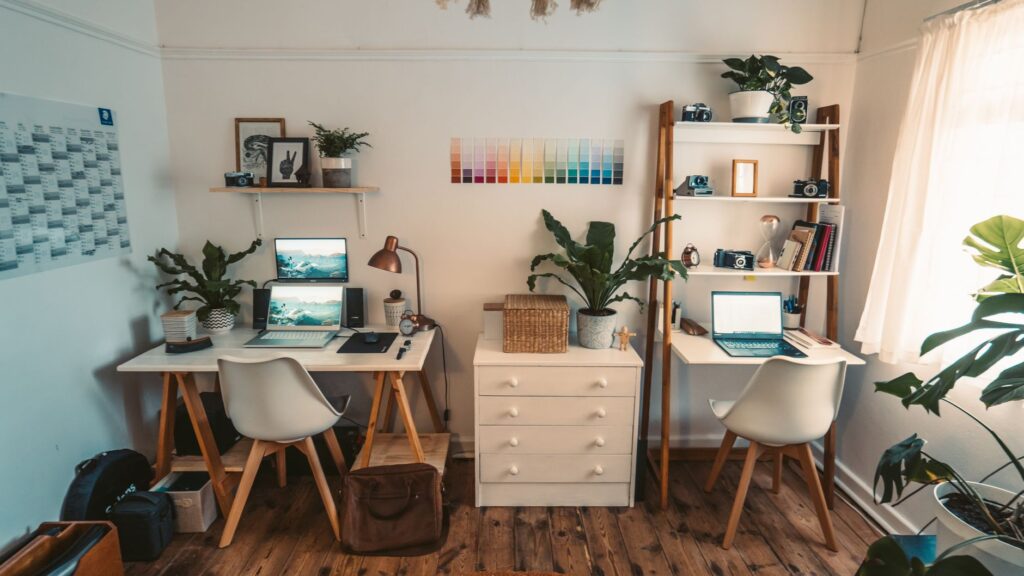
Spatial Design and Ergonomics: When Architecture Powers Focus
A decisive factor in remote worker productivity is the quality of their immediate physical environment. Outsite facilities are frequently located in unique enclaves—from historic manor houses in rural Portugal to urban lofts in Californian metropolises—where local architecture is reinterpreted through the canons of functional contemporary design. Natural lighting, the acoustic quality of shared areas, and the selection of ergonomic furniture are not treated as secondary decorative elements, but as critical variables of the experience.
Unlike traditional domestic remote work, where the boundary between professional life and rest dangerously blurs, these spaces structure the working day through intelligent zoning. Areas dedicated to absolute silence for deep concentration coexist with rest and socialization zones designed to foster relaxation at the end of the afternoon. This architectural compartmentalization helps the brain transition more fluidly between cognitive effort and personal disconnection, preventing the chronic burnout so common among highly mobile professionals.
The true luxury of the contemporary traveler is not ornamental excess, but the absolute availability of a quiet, connected, and functional environment that allows high performance without sacrificing geographical discovery.
The Invisible Architecture of Community: Connecting Without Forcing
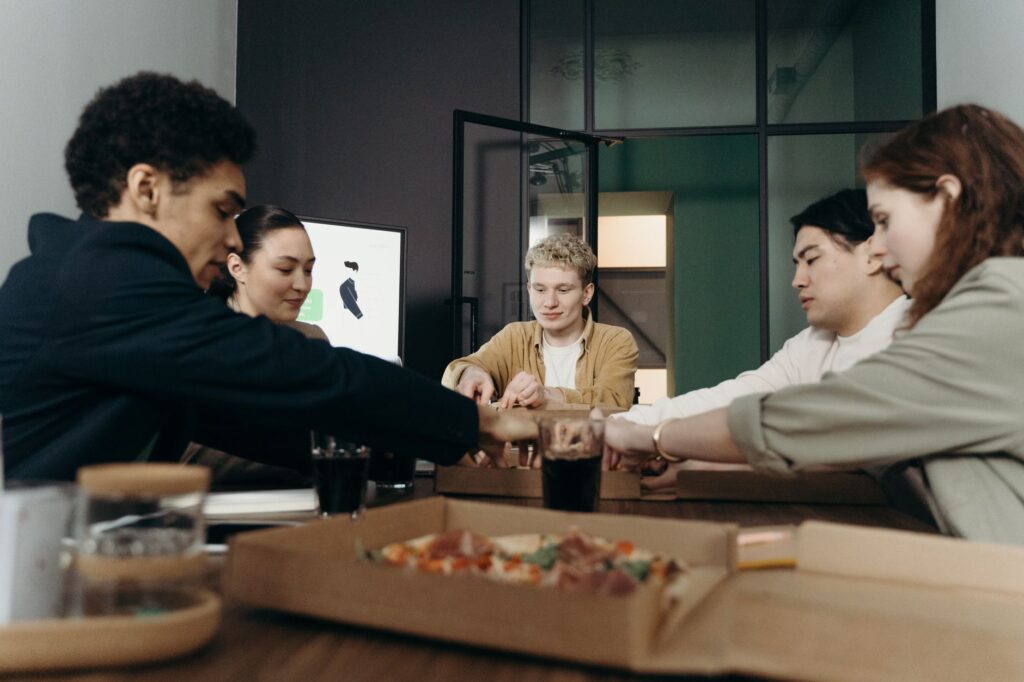
Emotional isolation represents the silent Achilles’ heel of digital nomadism. Changing countries every few weeks frequently prevents the development of meaningful bonds, relegating social life to superficial interactions in cafes or forced networking events. The differential value of advanced coliving models lies in their ability to articulate organic communities composed of professionals with aligned interests, emotional maturity, and diverse backgrounds.

The curation in member admissions and the subtle organization of community dynamics—collective dinners, outdoor sports sessions, or informal talks on ongoing projects—act as social catalysts without falling into the rigidity of old exchange programs or the superficiality of youth hostels. This builds a mutual support network where it is possible to find everything from technological collaborators to travel companions for exploring local trails over the weekend, balancing individual autonomy with a sense of belonging.
Sustainability and Local Roots Versus Transient Tourism
The impact of mass tourism on host communities has generated an inescapable ethical debate regarding the sustainability of the nomadic lifestyle. Living temporarily in a place requires rethinking the ecological and cultural footprint we leave behind. In this sense, medium- and long-term accommodation proposals tend to integrate less disruptively into the neighborhoods that welcome them, promoting consumption in local businesses and fostering a respectful relationship with the native social fabric.
By staying weeks or months in the same destination, the remote worker abandons the logic of the hurried visitor who consumes attractions in series. They acquire local routines, frequent the same markets, learn rudiments of the language, and understand the sociopolitical dynamics of the territory. This prolonged immersion not only enriches the individual’s vital experience but also mitigates aggressive gentrification by decentralizing stays from purely hotel epicenters and distributing them toward residential or revitalized rural areas.
The Cost of Flexibility: Economic Analysis of the Model
From a financial perspective, opting for structured coliving spaces requires a rigorous analytical exercise. At first glance, the monthly rate may appear higher than renting a standard apartment in the same neighborhood or a shared room on peer-to-peer platforms. However, when breaking down the hidden costs of nomadic life, the economic equation balances out considerably.
- Elimination of the need to contract independent high-speed fiber-optic connections.
- Access to professional office furniture without personal investment in ergonomic equipment.
- Utilities (water, electricity, climate control) included without seasonal bill fluctuations.
- Maintenance, common area cleaning, and incident management handled centrally.
- Time savings resulting from the absence of bureaucratic paperwork with local real estate agencies.
For independent professionals and remote employees whose companies partially subsidize office expenses or who value time above all else, the budgetary certainty provided by this format more than compensates for the economic premium associated with comfort and integrated services.
Practical guide
Planning a stay in specialized coliving spaces requires understanding their specific operational functioning to maximize both productivity and destination integration.
Destination Selection and Seasonality
Assess the climatic conditions and transport infrastructure of the environment. Many rural or coastal spaces operate with high occupancy during specific seasons, making advance booking essential.

Technical Connectivity Evaluation
Always verify guaranteed bandwidths and internet provider redundancy if your work depends on simultaneous video calls or massive file transfers.
Coexistence Culture
Familiarize yourself with internal codes of acoustic respect, shared space hours, and regulations regarding external visitors to ensure harmonious coexistence with the rest of the community.
Professional and Personal Integration
Take advantage of internal pre-arrival communication channels to connect with other members, coordinate arrivals, or propose joint activities that will enrich your experience from day one.

The Horizon of the Portable Home: Final Reflections
Ultimately, the evolution of coliving represents much more than a fleeting trend in the hospitality industry; it constitutes an architectural and social response to the profound redefinition of work in the twenty-first century. As geographical borders lose operational weight against digital connectivity, the need to build temporary refuges endowed with soul, functionality, and community becomes increasingly pressing.
Home is no longer defined by the static coordinates of a property deed, but by the ability to find, in any corner of the planet, a space where the mind flourishes and the heart rests.
At the end of the journey, the promise of these initiatives lies not in offering ostentatious luxury, but in returning to the traveler their most valuable and elusive resource: time freed from mechanical frictions. When the physical environment ceases to be a daily obstacle and becomes a silent facilitator of creativity and human encounter, digital nomadism transcends mere labor survival and finally transforms into a sustainable, enriching, and deeply human way of life.
Source in EN: Nomadic Matt’s Travel Site


