More than four thousand meters above sea level, the air grows thin, atmospheric pressure drops significantly, and the horizon becomes dominated by the sheer scale of the Tibetan Plateau. Operating across these demanding conditions, the Qinghai-Tibet Railway—known officially as the Qingzang Railway—stands as a monumental achievement in civil engineering. It holds the record as the highest railway line in the world while serving as a strategic transport artery connecting remote interior regions with China’s national rail grid. Spanning the vast distance between Xining, the capital of Qinghai province, and Lhasa, the cultural and administrative heart of the Tibet Autonomous Region, this railway overcame geographical barriers once deemed insurmountable.
The entire rail line stretches across 1,956 kilometers, constructed in two distinct historical phases. The initial 815-kilometer section from Xining to Golmud was completed in 1984. However, it was the second phase—a 1,141-kilometer segment between Golmud and Lhasa opened in July 2006—that required breakthrough engineering solutions in materials science, ground stabilization, and onboard life support systems. Over 80 percent of this southern section lies at elevations exceeding 4,000 meters, culminating at Tanggula Pass at an astonishing 5,072 meters above sea level, far surpassing any other rail line on Earth.
Engineering Feat: The Historical Quest to Reach Lhasa
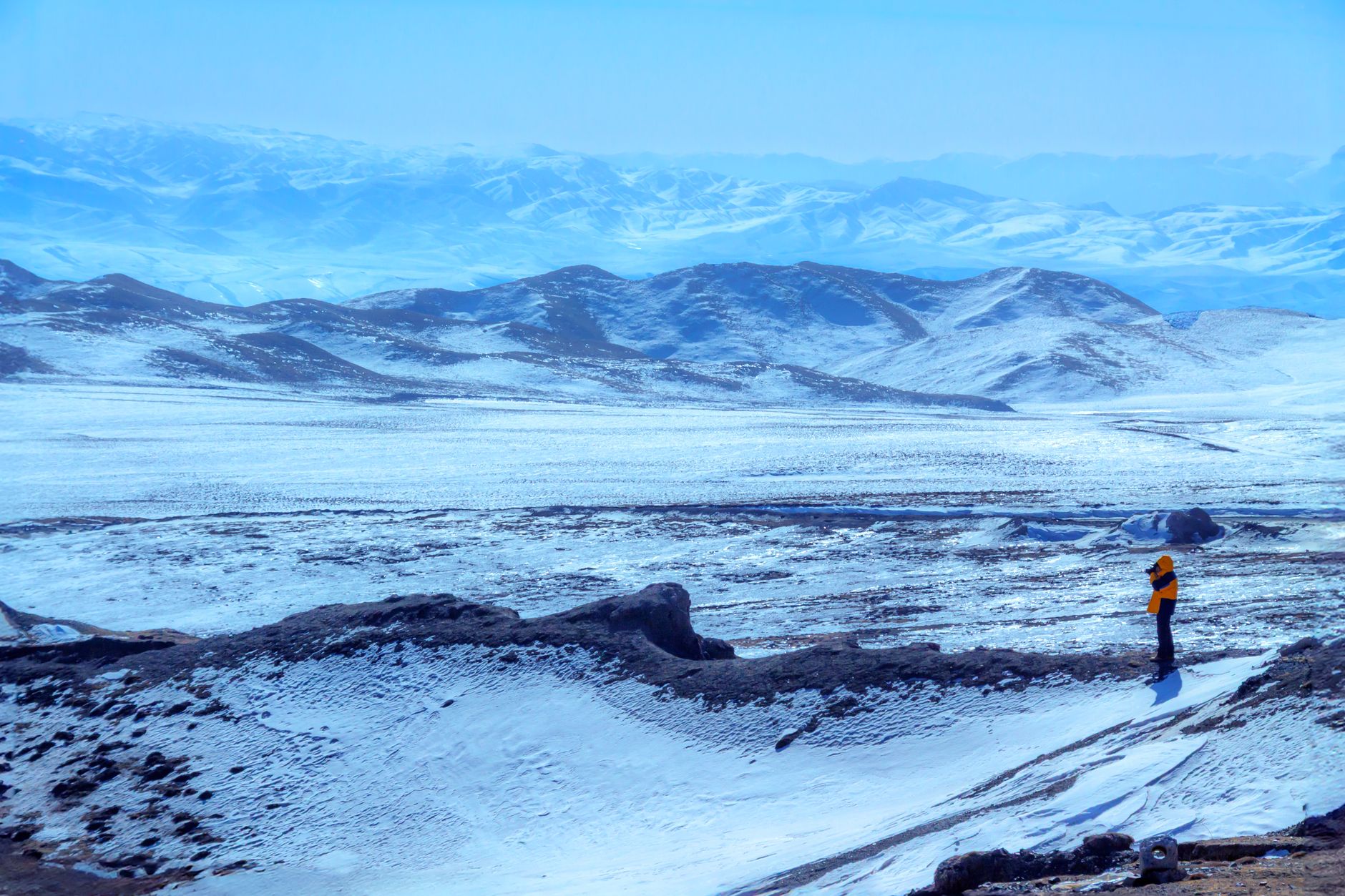
The vision of integrating the Tibetan Plateau into the broader Asian rail network dates back to the mid-20th century. Extreme topography and the absence of proven techniques for building permanent tracks across frozen ground postponed the project for decades. Often referred to as the Third Pole of the Earth, the Qinghai-Tibet Plateau features rugged mountain ranges such as the Kunlun and Tanggula mountains, expansive glacial valleys, and fragile endorheic basins.
Constructing the Golmud-Lhasa section required unprecedented financial and technical resources. Engineering crews faced severe hypoxia, harsh winters, and unstable soil structures prone to seasonal thawing. To establish a stable track bed, workers built miles of elevated bridges and bored tunnels directly through frozen rock, preserving the delicate alpine environment while ensuring long-term structural integrity. Today, the line operates year-round, carrying direct passenger and freight services connecting Lhasa with major metropolises including Beijing, Shanghai, Guangzhou, and Chengdu.
Conquering the Permafrost: Thermosyphons and Thermal Stability
The single greatest technical challenge faced by the builders of the Qingzang Railway was continuous permafrost, which underlies approximately 550 kilometers of the route. Permafrost is extraordinarily sensitive to temperature fluctuations. If the surface warms due to solar radiation or heat generated by passing heavy freight trains, the subsoil ice thaws, causing the track bed to subside. Conversely, freezing winter temperatures cause the ground to heave, deforming the rails above.
Engineers addressed this instability using passive thermal cooling strategies designed to maintain subzero ground temperatures. Along critical stretches, crews installed tens of thousands of thermosyphons—vertical, hollow steel tubes partially filled with liquid ammonia driven deep into the embankment. During cold months, the ammonia absorbs heat from the surrounding soil, vaporizes, and rises to the top radiator section exposed to ambient air. Once cooled, it condenses and flows back down, effectively freezing the ground solid year-round. In other sectors, coarse stone layers were embedded within the railway embankment, allowing air to circulate freely and insulating the permafrost underneath.
Life Inside the Cabin: Oxygen Systems and Pressurized Carriages
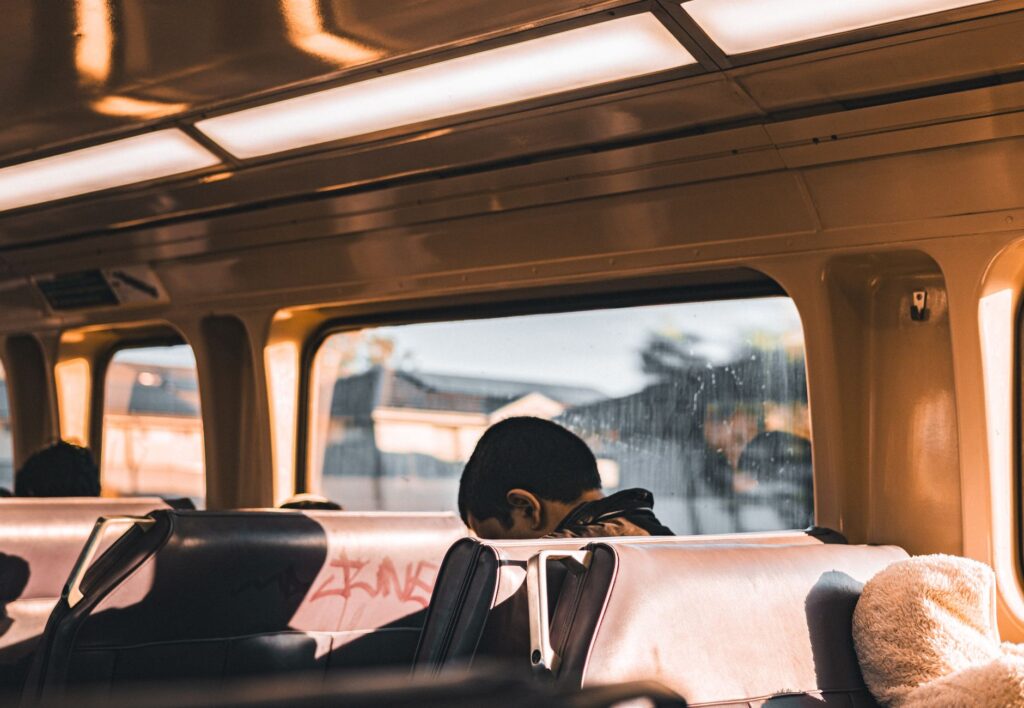
Traveling at altitudes above 4,000 meters presents immediate physical challenges due to reduced atmospheric pressure. To prevent acute mountain sickness among passengers and crew members, the specialized trains serving the Golmud-Lhasa run feature custom passenger cars engineered jointly by Bombardier Sifang and domestic manufacturers. These carriages operate with an integrated air-pressurization and sealing system that modulates cabin pressure during high-altitude climbs.
The train’s climate control system maintains oxygen concentration at comfortable levels through dual systems. First, enriched oxygen is continuously pumped through the central ventilation ducts, reducing the effective cabin altitude felt by passengers. Second, individual passenger seats and sleeper berths are equipped with dedicated oxygen outlets where travelers can connect personal nasal cannulas. Furthermore, double-layered window glass treated with ultraviolet-reflecting coatings shields occupants from the intense solar radiation encountered across the high plateau.
blockquote>The Qinghai-Tibet Railway successfully conquered the dual threats of unstable permafrost and low atmospheric pressure, fundamentally altering transport logistics across high-altitude Asia.
Route Breakdown: From Xining to the Heights of Tanggula
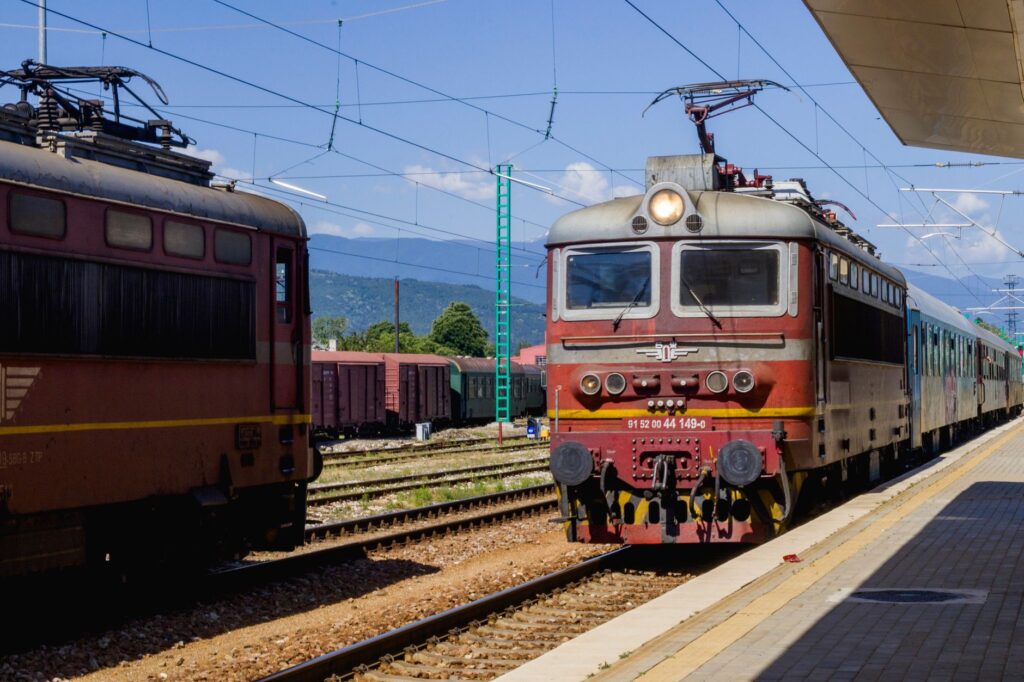
The journey begins at Xining Railway Station (2,275 meters above sea level), where trains head westward along the margins of Qinghai Lake, the largest inland saltwater lake in China. Upon reaching Golmud—situated in the arid Qaidam Basin at 2,829 meters—the line begins its steepest climb. At Golmud, electric locomotives are replaced by high-performance diesel engines specifically modified to operate efficiently in low-density atmospheric conditions.
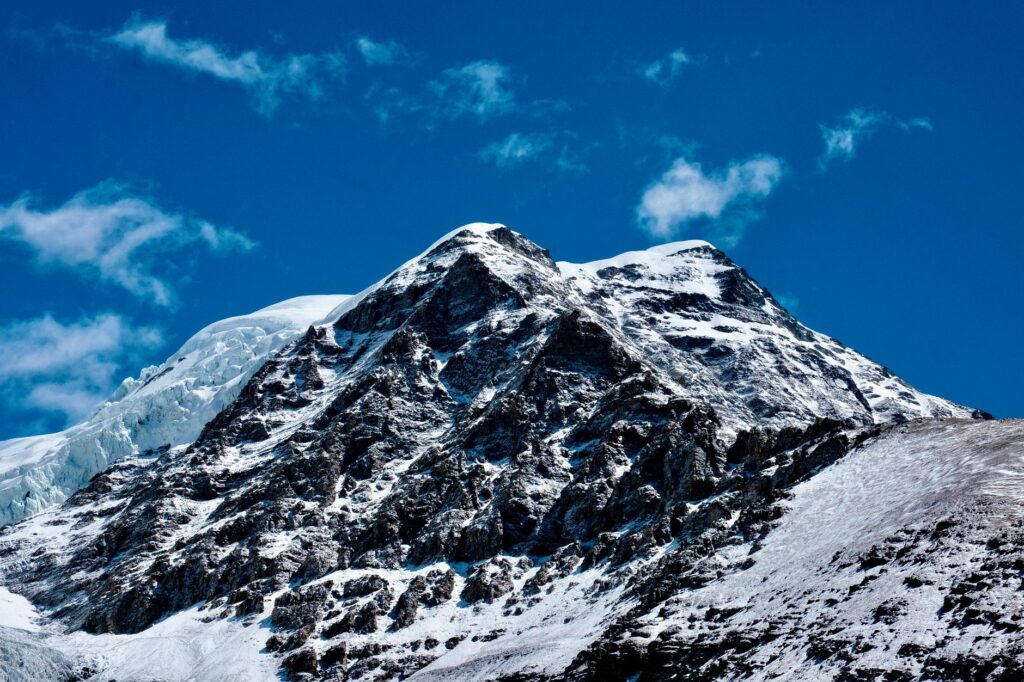
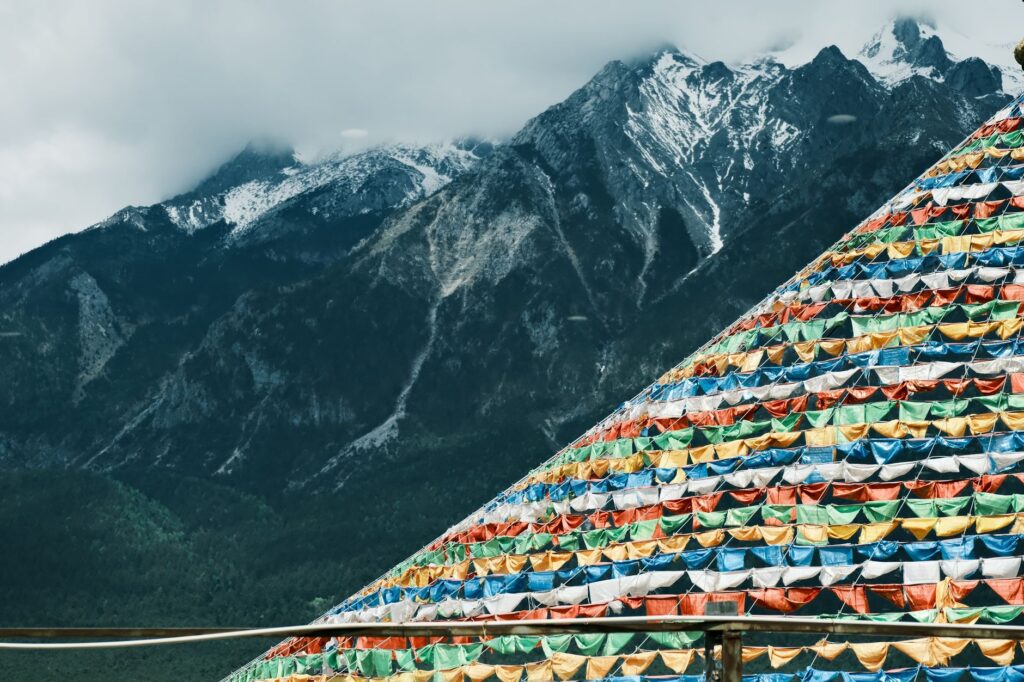
As the train crosses the Kunlun Pass and enters the vast Hoh Xil wilderness, the landscape opens into an expanse of tundra and snow-capped peaks. The pinnacle of the route is reached at Tanggula Railway Station, sitting at 5,068 meters above sea level. Although regular passenger stops at Tanggula are restricted due to medical safety precautions, passing through this high point provides views of the Tanggula glacier field, a primary watershed dividing the Yangtze and Mekong river basins.
Environmental Stewardship in the Fragile Hoh Xil Reserve
The Tibetan Plateau hosts delicate high-altitude ecosystems populated by rare wildlife, including the Tibetan antelope (chiru). The rail corridor traverses the Hoh Xil National Nature Reserve, a designated UNESCO World Heritage site. During the design stage, preserving the natural migration corridors of native species was identified as a paramount environmental responsibility.
To prevent rail infrastructure from fragmenting wildlife habitats, engineers constructed more than 33 kilometers of elevated bridges specifically designed as wildlife crossings. The Qingshuihe Bridge, spanning 11.7 kilometers across the tundra, elevates the track high above the ground, allowing Tibetan antelopes, wild yaks, and kiangs to move uninhibited beneath the passing trains. Additionally, passenger trains feature sealed waste containment systems that collect all garbage and wastewater for disposal at terminal depots, preventing pollution along the corridor.
Specialized Rolling Stock: High-Altitude Diesel Engineering
Operating a major railway at temperatures dropping below -30 degrees Celsius while navigating oxygen-deprived mountain air demands resilient motive power. Passenger trains on the Golmud-Lhasa section are pulled primarily by NJ2 diesel-electric locomotives built by General Electric in Erie, Pennsylvania, customized for extreme high-altitude conditions.
These locomotives are powered by internal combustion engines fitted with dual-stage turbochargers that offset power loss caused by thin air. They feature redundant fuel injection systems, modified braking assemblies to prevent overheating during long mountain descents, and advanced diagnostic software to monitor cooling fluids continuously. Working in multi-unit configurations, these engines reliably haul 16-car passenger trains at speeds of 100 to 120 kilometers per hour across permafrost sections.
Practical Traveler Guide: Permits, Health Protocols, and Booking Strategy
Traversing the Qingzang Railway requires careful logistics and advance documentation for foreign travelers. Beyond obtaining a standard Chinese visa, foreign passport holders traveling into the Tibet Autonomous Region must secure an official Tibet Travel Permit (TTP), issued by the Tibet Autonomous Region Tourism Bureau. This document is checked systematically before boarding at any departure station.
- Required Documentation: A valid passport, a Chinese visa, and the original Tibet Travel Permit secured in advance through an authorized agency.
- Health Declaration: Passengers must fill out a mandatory health registration form prior to boarding, confirming they do not suffer from severe pre-existing cardiovascular or respiratory conditions.
- Ticket Booking Strategy: Demand for soft-sleeper and hard-sleeper berths is extremely high during peak summer months (July through September). Travelers should book tickets via official channels (12306.cn) or travel operators well in advance.
- Acclimatization Advice: Spending 24 to 48 hours acclimatizing in Xining (2,275 m) or Lanzhou (1,520 m) prior to taking the train helps mitigate the physical impact of ascending to extreme altitudes.
blockquote>Taking the train across the plateau provides not only operational safety but also a gradual acclimatization curve compared to flying directly into Lhasa.
Network Expansion: The Lhasa-Shigatse and Nyingchi Corridors
The Qinghai-Tibet Railway is not an isolated line, but the trunk of a growing regional rail network transforming southwestern China. In August 2014, the 253-kilometer Lhasa-Shigatse Railway opened to commercial traffic, extending rail access to Tibet’s second-largest city and shortening land transport routes toward the Nepalese border.
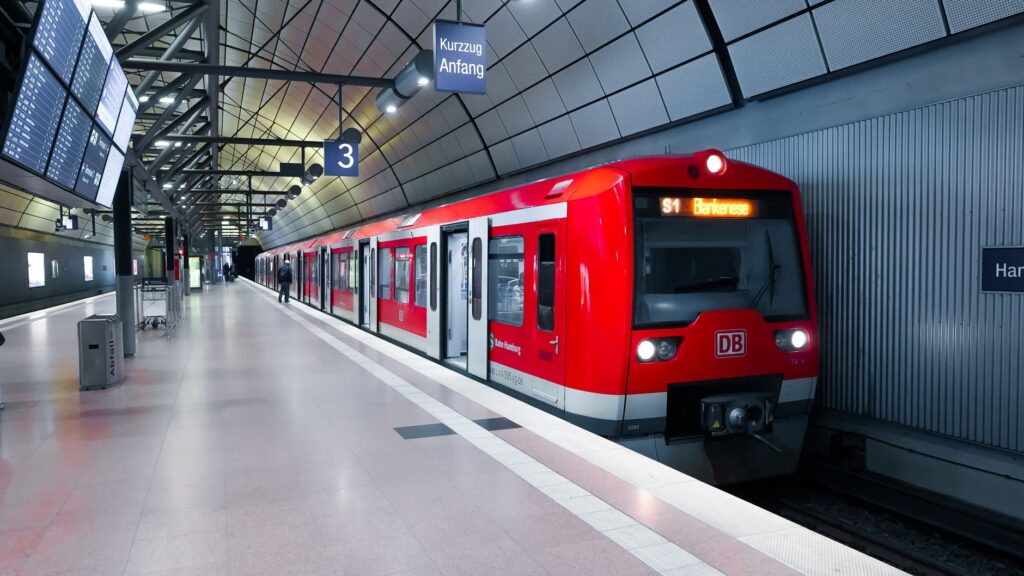
Furthermore, the opening of the Lhasa-Nyingchi Railway in June 2021 marked a major milestone as the first electrified segment of the future Sichuan-Tibet Railway corridor. Spanning dramatic valleys via high-capacity bridges over the Yarlung Tsangpo River, this line utilizes high-altitude electric trainsets. These branch lines facilitate the distribution of goods, medical supplies, and agricultural products across remote counties while enhancing long-term connectivity with the national rail framework.
Conclusion: The Modern Legacy of the Roof of the World Railway
Nearly two decades after its completion, the Qinghai-Tibet Railway remains a benchmark of modern transport engineering and regional logistics. The ability to move heavy freight and passengers safely across frozen terrain has stabilized supply chains and lowered the cost of essential commodities across the plateau.
For global transport engineering, the line offers invaluable real-world data regarding permafrost stability, altitude mitigation, and cold-weather railway maintenance. Combining innovative geotechnical solutions with specialized onboard environmental controls, the Qingzang Railway continues its mission as the primary ground link bridging the world’s highest plateau with the plains of East Asia.