


A Suspension Bridge Between Monsoon and Hope
The rhythm of the Himalayas rarely moves in a straight line. In recent months, intense rainfall and subsequent river overflows struck hard at several vital arteries in Nepal, disrupting historical trekking routes and isolating entire rural communities. However, in a demonstration of shared resilience, tour operators in Vietnam and incoming agencies in Kathmandu have announced the official resumption of organized travel for Vietnamese citizens. This restoration not only marks the return of visitor flows to the roof of the world but also underscores the growing connection between two geographies bound by Buddhist devotion, a love for high mountains, and unwavering determination in the face of climate crises.
For the Vietnamese traveler, Nepal has shifted from a distant chimera to a destination of natural pilgrimage and self-discovery. Optimized charter flights and regional airline connections have shortened geographic distances, allowing organized groups to land once again at Tribhuvan International Airport. The restart of these expeditions takes place under strict safety protocols and rigorous monitoring of road infrastructure, ensuring that every journey complies with standards demanded by both Nepalese tourism authorities and regulatory bodies in Vietnam.
The Geography of Disaster and Damage Assessment
Understanding the scale of the tourism revival requires confronting the devastation left by the late monsoon. Floods and landslides disproportionately affected access routes to emblematic regions such as Annapurna and the lower slopes of Everest. Several suspension bridges yielded to the powerful, swollen glacial rivers, and entire stretches of secondary roads suffered prolonged cutoffs. Local authorities, backed by community brigades and international emergency funds, worked around the clock to clear debris and rehabilitate priority passes.
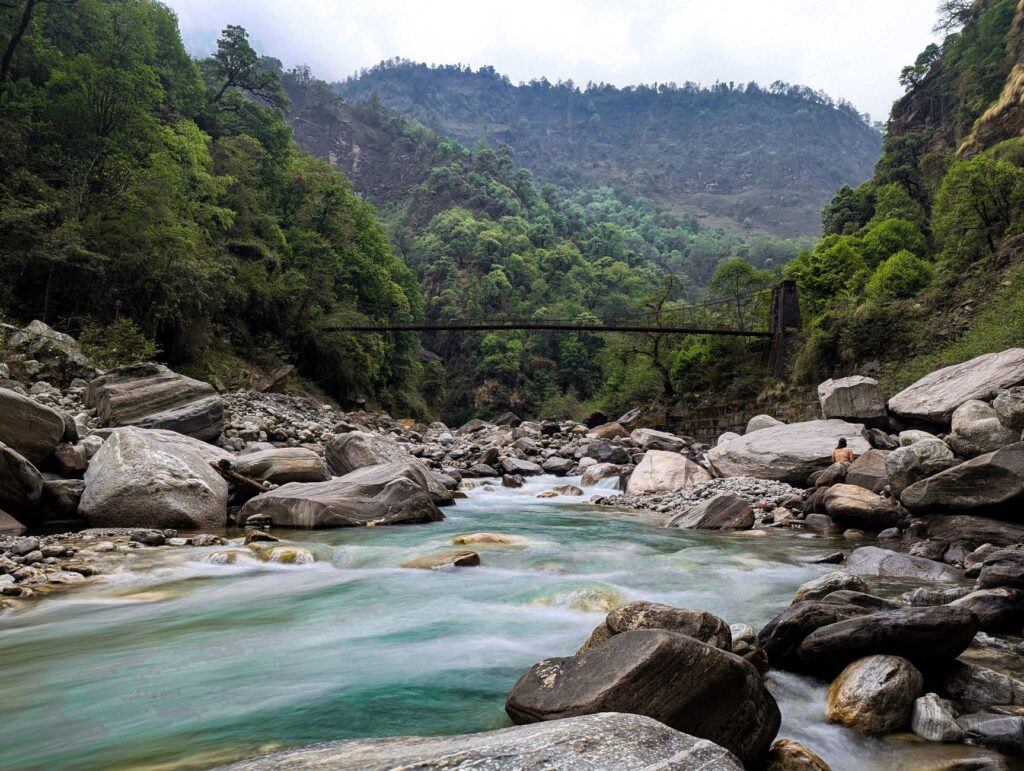
Vietnamese travel agencies operating in the destination dispatched advance teams to audit the viability of itineraries on the ground. These technical reports proved decisive in redesigning circuits, temporarily avoiding still-unstable stretches and prioritizing alternative valleys that offer comparable scenic experiences with higher safety guarantees. This institutional caution has enabled the first groups of post-flood Vietnamese tourists to complete their treks without notable incidents, restoring confidence to future expeditioners.
The mountain does not negotiate with human haste; it demands patience, absolute respect for its cycles, and infrastructure capable of protecting both visitor and host.
The Profile of the Vietnamese Traveler on the Roof of the World
The surge of Vietnamese tourism toward Nepal reflects a profound socioeconomic transformation in the Southeast Asian nation. An expanding middle class, boasting greater purchasing power and a voracious appetite for authentic travel experiences, has diversified its horizons beyond traditional ASEAN beaches or Northeast Asian metropolises. In this context, high-altitude trekking, spiritual contemplation in Kathmandu’s monasteries, and the pursuit of extreme landscapes have become symbols of aspirational status and personal growth.

Unlike Western backpackers, who often opt for independent, prolonged travel, the Vietnamese tourist overwhelmingly prefers organized packages. These itineraries guarantee flawless logistics, from assistance with arrival visa procedures to the provision of trusted local English- or Vietnamese-speaking guides, translators, insured porters, and carefully selected teahouse accommodations. This preference for structured organization has been vital for restarting operations, as it enables operators to handle any weather contingency swiftly and effectively.
Kathmandu: The Urban Heartbeat Reclaiming Its Pulse
The gateway to any Nepalese adventure remains its chaotic, fascinating, and ancient capital. In Durbar Squares, the impact of recent rains and floods was felt primarily on road approaches from borders and in lower-lying areas of the valley, but the monumental heritage withstood with dignity. Today, pagoda temples with carved wooden roofs and Buddhist stupas crowned by the all-seeing eyes of Buddha once again welcome the bustle of Vietnamese visitors.
Local operators have integrated more balanced stays in Kathmandu and its sister cities, Patan and Bhaktapur, into the new packages, allowing tourists to immerse themselves in local craftsmanship, Newar gastronomy, and medieval architecture before venturing into mountain trails. These urban visits not only culturally enrich the trip but directly inject income into local artisans, shopkeepers, and restaurateurs who suffered a drastic drop in revenues during months of partial route closures.

Safety, Logistics, and Itinerary Adaptation
The reactivation of organized tours does not mean an irresponsible return to previous normality. Vietnamese travel agency associations have established a permanent coordination desk with the Nepal Tourism Board to receive daily weather forecasts and real-time geological alerts. Current itineraries have eliminated high-risk sections and incorporated reinforced medical contingency plans, including mandatory travel insurance covering high-altitude helicopter rescues.
Special emphasis has also been placed on training mountain guides to detect early signs of altitude sickness and assess terrain conditions following persistent rain episodes. Vietnamese tourists receive detailed briefings before departure from Hanoi or Ho Chi Minh City, educating them on respect for the alpine environment, the importance of strictly following guide instructions, and the need to maintain flexibility regarding potential weather-driven route modifications.
Socioeconomic Impact on Mountain Communities
Behind every commercial trek in Nepal lies a complex human network vital to the subsistence economy of the high valleys. Guides, porters, cooks, transporters, and teahouse-owning families depend almost exclusively on income generated during the spring and autumn tourist seasons. The floods not only destroyed paths but severed this financial lifeline, plunging many villages into extreme vulnerability.
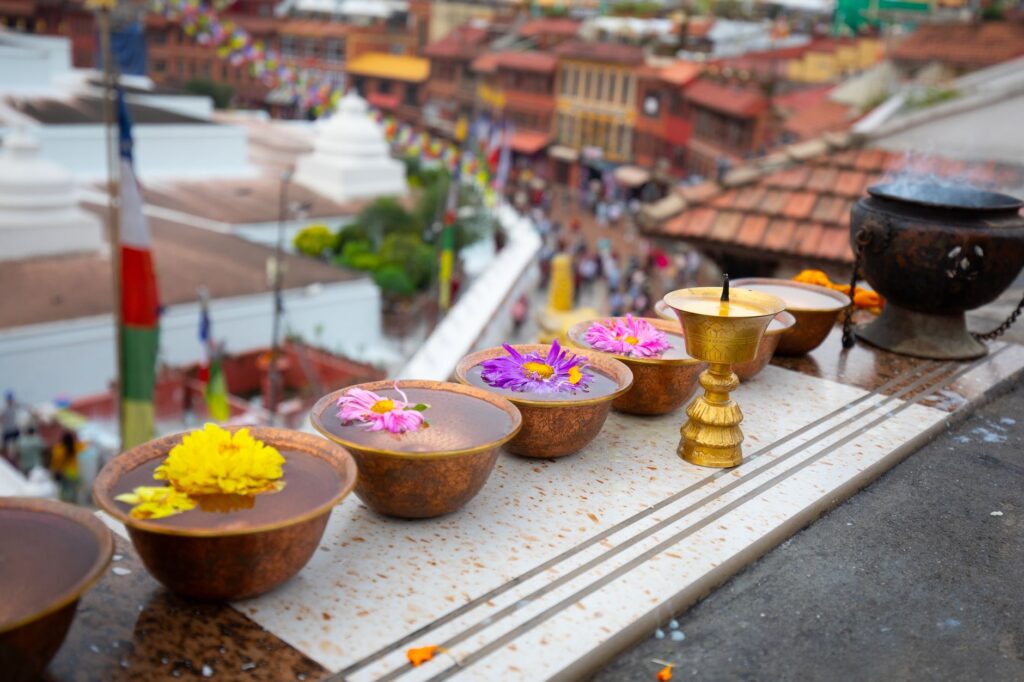
The progressive return of Vietnamese tourists therefore represents a breath of fresh air for the rural economy. Each booking of an organized group triggers a value chain that rewards local effort and funds the private reconstruction of small accommodations. Communities have welcomed Vietnamese visitors with renewed hospitality, seeing in them tangible proof that the outside world has not forgotten them after the natural catastrophe.
True high-altitude tourism is one that leaves an invisible footprint on the trail while delivering a transformative, lasting impact on the communities that guard it.
Practical Information for the Vietnamese Traveler to Nepal
For Vietnamese citizens planning to join the newly resumed organized trips to Nepal, keeping several updated operational and logistical requirements in mind is essential:
- Visa on Arrival: Available at Kathmandu’s Tribhuvan International Airport for Vietnamese passport holders, with fees varying by length of stay (generally 30 or 90 days). Carrying passport-sized photographs and US dollars in cash for payment is recommended.
- Health Documentation and Insurance: Securing international medical insurance explicitly covering evacuation and helicopter rescue at altitudes above 4,000 meters is strictly mandatory.
- Optimal Travel Season: Autumn months (September to November) and spring (March to May) offer the most stable and dry meteorological conditions, ideal for minimizing risks after the monsoon period.
- Bookings via Certified Operators: Strongly advised to contract services exclusively through duly licensed travel agencies in Nepal collaborating with accredited local receptive operators.
Future Outlook for the Asian Tourism Corridor
The restoration of tourist expeditions from Vietnam to Nepal following devastating floods is much more than a mere economic note in travel bulletins; it constitutes a milestone in consolidating intra-regional tourism corridors in Asia. It proves that transnational cooperation and rigorous risk management can overcome the shocks of an increasingly unpredictable climate crisis.
As trails consolidate and visitor flows regain their usual dynamism, the bond between the Southeast Asian nation and the Himalayan kingdom grows stronger on more mature, sustainable, and conscious foundations. For the Vietnamese traveler, conquering an alpine pass in Nepal after overcoming climate adversity is a perfect metaphor for personal achievement and the transformative power of a well-planned journey.
Source in EN: Vietnam.vn

