
The Untamed Fury of the Drake Passage and the Science of Crossing the World’s Wildest Sea
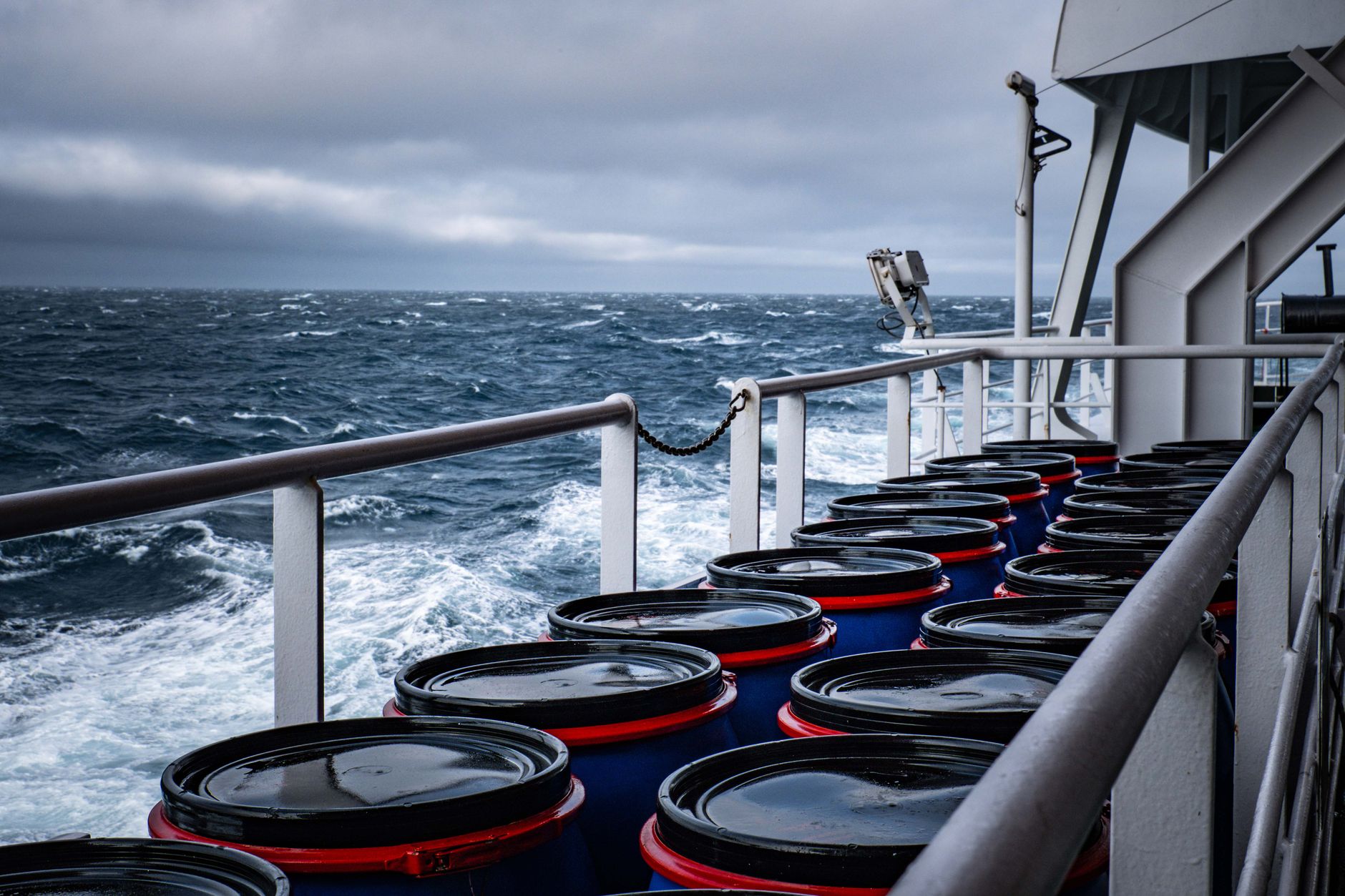
The Drake Passage, historically known to mariners as the Mar de Hoces, represents one of the most formidable nautical and geographical challenges on the Earth’s surface. Spanning approximately eight hundred kilometers between Cape Horn in South America and the South Shetland Islands in Antarctica, this body of water is not merely a stretch to be crossed to reach the white continent; it is a biogeographical and hydrodynamic frontier where the currents of the Pacific, Atlantic, and Antarctic oceans converge. Here, the absence of continental landmasses at similar latitudes allows westerly winds to circulate unobstructed, generating a regime of colossal waves that have tested the skill of navigators since the days of whalers and polar explorers.
Embarking on this traverse aboard a scientific or polar expedition vessel requires a deep understanding of marine meteorology and modern naval architecture. Unlike conventional tourist cruise ships, vessels adapted for research and Antarctic transit feature ice-strengthened hulls, roll-stabilization systems, and crews specialized in sub-polar storm forecasting. The systematic analysis of synoptic charts and close collaboration with on-board meteorologists determine the exact moment of departure from the Argentine port of Ushuaia, seeking those windows of relative calm known in maritime jargon as Drake windows, a temporary respite between successive storm fronts.
Current Dynamics and the Antarctic Convergence
To understand the magnitude of navigation across the Drake Passage, its oceanographic framework is indispensable. The central phenomenon governing these waters is the Antarctic Circumpolar Current, the largest ocean current on the planet, which transports a colossal volume of water from west to east driven by persistent westerly winds known as the roaring fifties. As it forces its way through this oceanic funnel between South America and Antarctica, the current experiences notable acceleration and contraction, generating severe turbulence, cross currents, and sharp changes in sea surface temperature.

This ceaseless flow also delineates the Antarctic Convergence or polar front, an irregular band where cold, dense southern waters sink beneath warmer sub-Antarctic waters. This thermal and chemical exchange fosters an explosion of marine life that becomes apparent from the first day of navigation, with the sudden appearance of pelagic birds such as wandering albatrosses, giant petrels, and shearwaters escorting the ship’s wake. The observation of avian fauna serves as a direct biological indicator of the ship’s position and the transition into polar waters, transforming the journey into a floating laboratory of marine biology and climatology.
The Drake Passage is not conquered; it is navigated through absolute respect for the laws of ocean physics and unwavering patience in the face of the austral climate’s unpredictability.
Managing the vessel’s interior during the crossing requires strict safety and habitability protocols. Loose items in cabins and scientific laboratories must be secured using nets and magnetic anchors, while novice passengers and scientists quickly learn the technique of moving through confined spaces with three points of contact. Briefings given by navigation officers and on-board glaciologists detail the formation of wave trains, explaining how the clash between hurricane-force winds and underwater shelves can raise crests over ten meters high. The experience, far from being a mere passenger transit, becomes a rigorous initiation into the rigors of high-latitude research.

Naval Architecture and Stabilization Technology in Polar Waters
The evolution of naval technology has radically transformed the safety and predictability of crossings through the Drake Passage. Modern research and expedition vessels employ Polar Class-certified hulls, designed not only to break light sea ice near the Antarctic Peninsula but also to withstand the enormous torsional forces exerted by the cross-seas of the Drake. These special steel hulls feature compartmented internal structures and azipod propulsion systems that grant exceptional maneuverability even in heavy sea conditions.
One of the most significant advancements in passenger comfort and safety on these vessels is the implementation of large-scale active fin stabilizers and passive anti-roll tank systems. These technologies counteract the lateral rolling motion induced by wave action through the computerized pumping of liquid ballast from one side of the ship to the other in a matter of seconds. Nevertheless, naval architects emphasize that no system can completely eliminate longitudinal pitching—the bow-to-stern motion that occurs as the ship rides over waves—constantly reminding travelers that they are traversing a wild and untamed environment.
In addition to structural stability, satellite communication systems and state-of-the-art Doppler weather radars allow captains to receive real-time updates from forecasting centers in Punta Arenas and Christchurch. This predictive analysis capacity is vital for deciding whether it is prudent to weather a storm in open water or seek temporary shelter among the islands of the Tierra del Fuego archipelago before tackling the most open stretch of the passage. Technology, therefore, does not seek to defy nature, but to interpret it with the utmost possible precision to minimize operational risks.

Life On Board: Scientific Routine and Human Adaptation
The traverse of the Drake Passage typically lasts between forty-eight and seventy-two hours in each direction, depending on weather conditions and the vessel’s operational speed. During this period, life on board revolves around a rigorous program of scientific lectures, polar photography workshops, and briefings on the biosecurity protocols of the Antarctic Treaty. Researchers and regional experts lead seminars on glaciology, the history of heroic exploration, and marine mammal ecology, preparing travelers mentally and intellectually for landing on the white continent.
The human factor and physiological adaptation to constant motion are central aspects of the experience. Despite preventive pharmacological treatments for seasickness, the fatigue accumulated from involuntary muscular effort to maintain balance in lounges and hallways is noticeable. Mealtimes become moments of camaraderie where the crew shares space with scientists and adventurers, creating a close-knit community atmosphere. Restrictions on fresh water consumption, mandatory emergency drills, and compliance with environmental protection regulations complete a daily routine where maritime discipline blends with scientific wonder.
- Mandatory use of safety harnesses on exterior decks during storm alerts.
- Restriction of access to the bridge based on visibility levels and sea states.
- Daily inspection of survival equipment and thermal immersion suits in each cabin.
- Protocols for disinfecting footwear and outerwear to prevent the introduction of alien plant species.
Practical guide
Planning a scientific expedition or transit across the Drake Passage requires compliance with rigorous standards of logistical and physical preparation. This section details the fundamental aspects to face the crossing with guarantees of safety and technical knowledge.
Optimal Navigation Season
The operational window extends exclusively during the austral summer, spanning the months of November through March. November and December feature abundant floating ice and heavy accumulations of pristine snow, while January and February offer milder temperatures and increased breeding activity in penguin colonies. March marks the end of the season with the retreat of pack ice and an increased frequency of autumn storms.
Medical and Boarding Requirements
Operating companies require detailed medical certificates confirming physical fitness to withstand conditions of isolation and severe motion. International travel insurance explicitly covering emergency medical evacuation from Antarctica is mandatory, as costs can soar to extraordinary figures due to the region’s remoteness and logistical complexity.

Recommended Personal Equipment
Clothing must follow the principle of technical layering: merino wool thermal underwear, fleece mid-layers, and a marine-certified waterproof and windproof outer shell. High-stem rubber boots with non-slip soles are required for Zodiac landings, along with waterproof gloves, high-category UV protection sunglasses, and broad-spectrum sunscreen.
The White Horizon and the Transformation of the Gaze
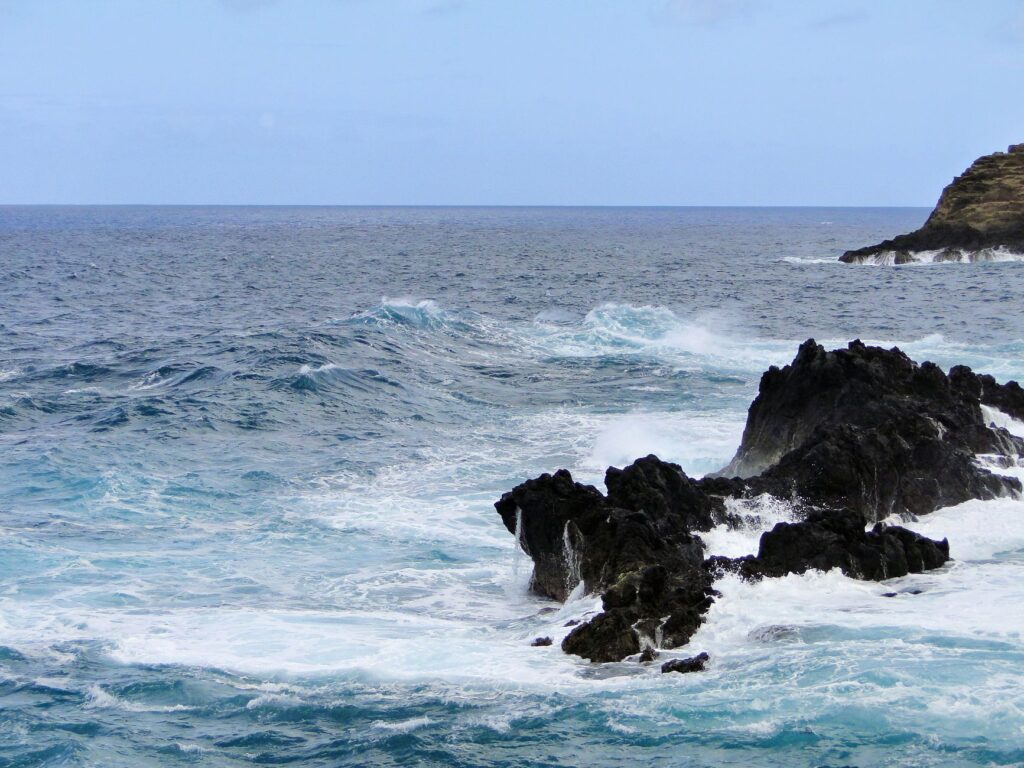
When the turbulent waters of the Drake Passage finally relent and the first tabular icebergs drifting at sea come into view, the traveler’s perception undergoes an irreversible transformation. The dark silhouettes of the volcanic cliffs of the South Shetland Islands emerge from the horizon like bastions of an untouched world, where the silence is broken only by the blow of humpback whales and the calls of Adélie penguins. The harshness of the oceanic journey then assumes its true meaning: not a mere obstacle to be overcome, but the necessary rite of passage to understand the fragility and immense grandeur of the planet’s southern confines.