
A Recognition That Redefines the Global Tourism Map
The rhythm of international travel is frequently steered by fleeting trends, yet occasionally the editorial criteria of authoritative voices converge to consecrate a destination for reasons long in the making. Recently, the influential travel publication Travel + Leisure has placed one of South America’s most emblematic capitals at the pinnacle of its preferences for the year 2026. This distinction is not the result of a transient advertising campaign, but rather the sustained acknowledgment of an urban and cultural transformation that has preserved its commanding historical identity while warmly embracing a modernity respectful of its geographic setting.
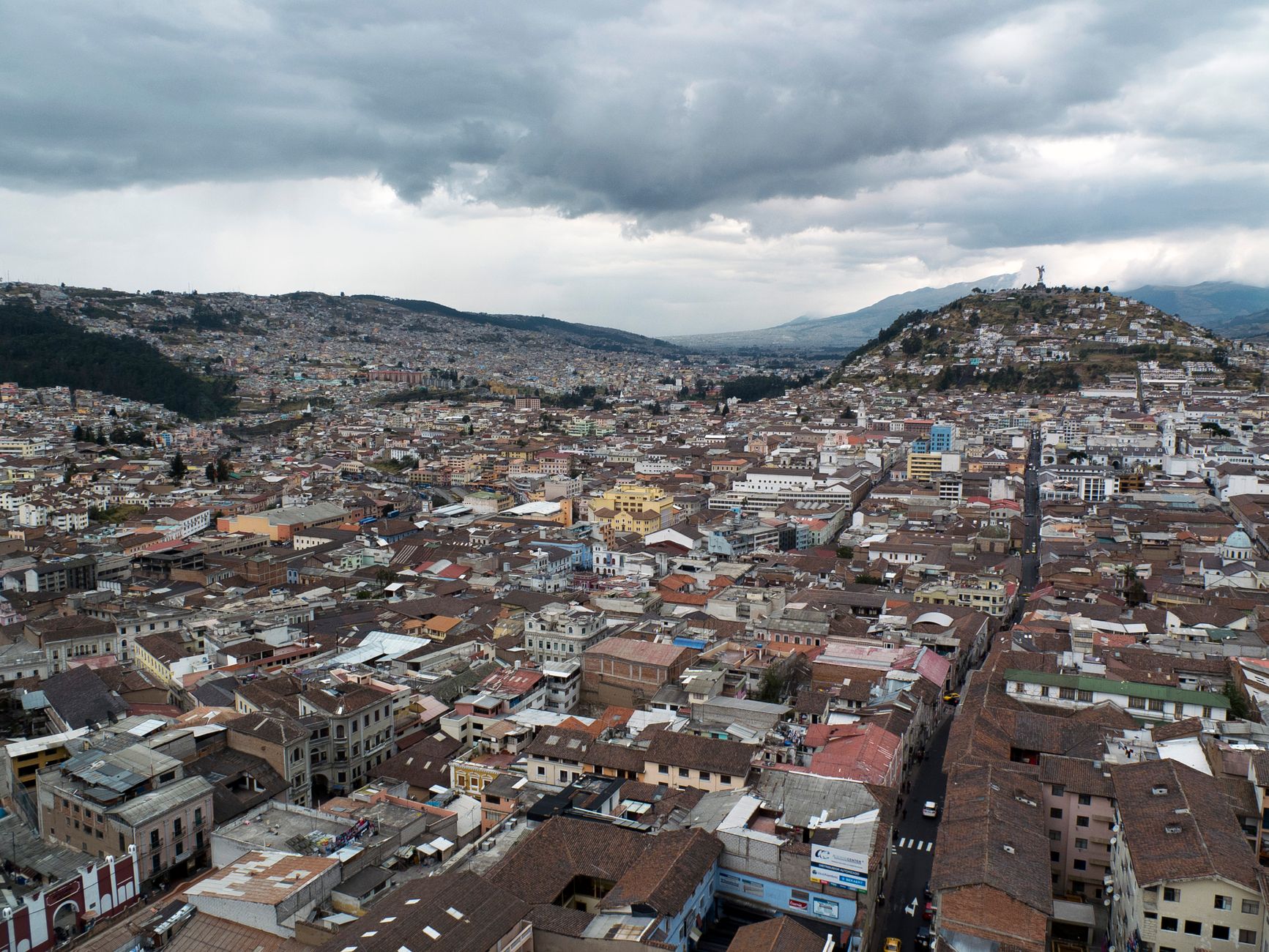
Perched at a lofty altitude above sea level, guarded by snow-capped peaks and towering volcanoes, this city has succeeded in captivating both seasoned travelers and specialized editors. The rationale behind this accolade rests on a singular combination: a dramatic topography that yields peerless natural viewpoints and a historic center that jealously guards the layout and architecture of the viceregal era, seamlessly integrating them into contemporary daily life.
Geography as a Permanent Spectacle
Few capitals on the planet offer a relationship with their surrounding mountain ranges that is as intimate and breathtaking. From virtually any elevated point across the city, the horizon is commanded by giants of stone and ice that serve as a humbling reminder of human scale against natural magnificence. This high altitude, which requires visitors to undergo gentle acclimatization during their initial days, rewards the effort with a crystal-clear atmosphere and a signature golden light that washes over colonial rooftops every single afternoon.
Urban strolls thus transform into journeys of contemplation. This is not merely about walking from one monument to another, but doing so under the watchful gaze of the Andes—an ever-shifting backdrop fluctuating between the intense blue of the daytime sky and the violet and copper hues of twilight. This geographic condition not only defines the visual landscape but permeates the local rhythm of life, marked by an understated elegance and a profound bond with the earth’s traditions.
Living Architectural Heritage in the Colonial Heart
Stepping into the historic center of this capital is akin to crossing a temporal threshold into the sixteenth and seventeenth centuries. Internationally recognized for its extraordinary preservation, this monumental complex stands out for the density and splendor of its churches, convents, and public squares. Unlike other historic cores converted into mere museum sets, here colonial architecture throbs to the beat of a vibrant community where traditional commerce, artisan workshops, and everyday routines coexist harmoniously.
Carved stone facades, arcaded inner courtyards, and timber coffered ceilings in iconic churches reflect the artistic syncretism that defined the viceregal period. Each cobbled alleyway unveils visual surprises: from masterfully forged iron balconies to tree-lined plazas where locals converse, seemingly untouched by the rapid pace of mass tourism. It is precisely this authenticity that weighed decisively in the evaluation by international experts.
Sacred Art and the Local Pictorial School
The destination’s patrimonial wealth does not end with its stone walls. Within its temples and museums is safeguarded one of the most significant artistic treasures in Latin America: the local pictorial school developed during the colonial era. Featuring masters who fused European techniques introduced by religious orders with the sensitivity and worldview of indigenous peoples, these works represent a fascinating chapter in universal art history.
Canvases and sculptures displayed in spaces such as former convents turned art galleries feature arquebus-toting angels, Virgin figures with triangular silhouettes echoing mountain contours, and a dazzling use of gold leaf. This plastic heritage provides an inescapable cultural dimension for understanding the aesthetic and spiritual complexity of the city, transforming every visit to its sacred enclosures into an experience of deep introspection.
High-Altitude Flavors: The Evolution of Andean Gastronomy
Alongside its patrimonial recognition, the city’s culinary scene is currently experiencing a golden age. Far from being confined to traditional offerings in popular markets—where Andean tubers, dozens of varieties of corn, and comforting soups take center stage—a new generation of chefs is rescuing ancestral ingredients to reinterpret them through contemporary high-cuisine techniques.
High-altitude cuisine is not a passing trend in the Andes, but rather the daily vindication of a millennia-old biodiversity that now converses with the world from a standard of culinary excellence.
This territorial cuisine highlights extreme microclimates that allow the cultivation of everything from inter-Andean valley fruits to Amazonian produce brought to the capital by virtue of its strategic location. The result is a sophisticated yet deeply rooted gastronomic proposal that seduces local palates and the most demanding international critics alike in search of authenticity and avant-garde spirit.
Routes of Viewpoints and Public Spaces
To appreciate the true scale of the metropolis, exploring its network of natural and urban viewpoints is essential. From hills overlooking the valley to strategically positioned public squares, these spaces function as social gathering spots and privileged observatories. Walking toward these enclaves helps visitors comprehend the complex urban topography, structured over the centuries to follow the folds of the mountains.
In addition to traditional viewpoints, the recent recovery of public and pedestrian spaces has fostered a more welcoming relationship between citizens and their environment. Strolling along tree-lined boulevards, visiting independent design markets, or pausing in specialty coffee shops housed within restored manor homes demonstrates that the city does not live solely on its past, but actively builds a dynamic, cosmopolitan present.
Contemporary Craftsmanship and Valley Markets
The commercial and artisan pulse of the region keeps ancestral weaving, goldsmithing, and wood-carving techniques vibrantly alive. Bustling, colorful traditional markets serve as the daily showcase of manual dexterity passed down through generations. In these spaces, wool from South American camelids—such as alpaca and vicuña—is transformed into garments of extraordinary fineness, while silverwork preserves designs that converse with pre-Columbian iconography.
In recent years, this artisan know-how has found new commercial channels through independent design workshops that reinterpret tradition without diluting it. Travelers interested in responsible consumption and fair trade find unique pieces here that encapsulate the cultural identity of the highlands, far removed from mass industrial manufacturing.
Practical Information for the Discerning Traveler
Planning a visit to South America’s top city for 2026 requires factoring in critical elements to guarantee an optimal experience. Given the geographic altitude, which exceeds two thousand eight hundred meters above sea level, travelers are advised to dedicate the first twenty-four hours to relative rest, adequate hydration, and avoiding overly heavy meals.
The climate features pronounced daily thermal swings alongside a clearly defined rainy season typically concentrated during the southern summer months. Consequently, layered clothing is indispensable. For navigating the historic center, walking is the recommended approach, supplemented by officially authorized taxis for longer journeys or ascents to peripheral viewpoints.
Traveling to Andean altitudes demands slowing down the pace: geography imposes its law, and the body appreciates temperance against the vertigo of the peaks.
Securing advance tickets for major museums, churches, and patrimonial convents is vital, particularly during peak international tourism periods. Additionally, hiring certified local guides for historic center tours is strongly recommended to ensure a rigorous and respectful interpretation of the rich historical and artistic background of the monuments.
Toward a Future of Conscious and Sustainable Tourism
The designation conferred by the specialized publication places the Andean capital at the center of global attention, bringing both economic opportunities and challenges in heritage and environmental management. Local authorities and community organizations are working on strategies aimed at diversifying tourist flows, promoting less congested routes in surrounding neighborhoods, and supporting community-based rural tourism initiatives in neighboring valleys.
This approach seeks to ensure that visitor influxes directly benefit the local economy while contributing to the preservation of the fragile Andean ecosystem and its invaluable architectural heritage. Thus, the city approaches 2026 not merely as a fashionable destination, but as a benchmark for hospitality, culture, and sustainability in the American Southern Cone.
Source: Revista Semana