
The silent transformation of the Pacific beyond major global forums
As global debates on the future of tourism position coordinates of premiumization and the surge of artificial intelligence at forums like the Arabian Travel Market in Dubai, the island geographies of Oceania observe these phenomena from a profoundly unique perspective. The global archipelago stretching from Polynesia to the coastal enclaves of Australia and New Zealand no longer competes on arrival volume, but on its capacity to filter visitor flows through predictive algorithms and ultra-luxury offerings deeply rooted in regional sustainability. The sector’s post-crisis recovery has consolidated a paradigm shift where luxury is no longer measured in square meters of resort space, but in the degree of isolation and absolute respect for the region’s fragile biocultural balances.
This report examines how oceanic destinations are integrating advanced technological tools—ranging from machine learning-managed carrying capacity models to biometric personalization and predictive logistics—to protect their natural heritage. The guiding premise for local operators and island tourism ministries is clear: technology must serve to render human impact invisible while enhancing an immersive experience that meets the demands of an increasingly discerning, conscious traveler willing to invest in environmental preservation.
The paradox of conscious luxury and pressure on fragile ecosystems
The concept of ‘premiumization’ dominating the contemporary tourism agenda finds its most complex testing ground in Oceania. Unlike urban destinations or Mediterranean enclaves, the Pacific islands possess a severely limited absorption capacity. Unchecked growth in high-net-worth arrivals can easily strain local aquifers, overwhelm waste management systems, and disrupt secular community dynamics. Consequently, administrations in territories such as Fiji, Vanuatu, and the Cook Islands have begun collaborating with international tech firms to implement real-time, data-driven visitor flow management platforms.
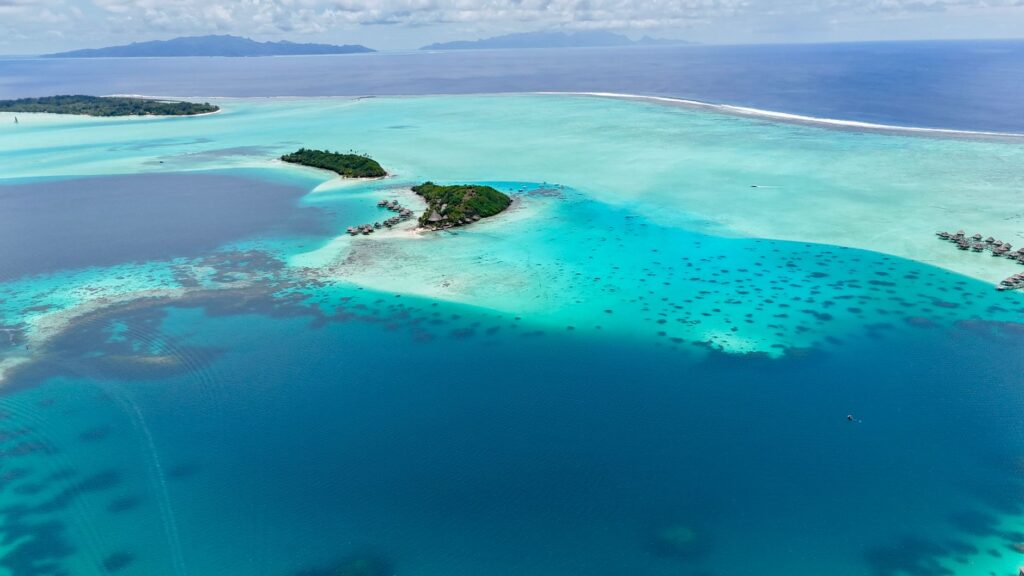
True luxury in Oceania no longer consists of unlimited access, but in the privilege of being part of an ecosystem that regenerates thanks to the traveler’s direct contribution.
These tools analyze weather patterns, hotel reservations, and coral reef capacities to dynamically modulate entry fees and access permits for protected zones. The result is an economic and operational filter that discourages mass tourism while attracting profiles willing to fund marine restoration and local food sovereignty projects. Far from being a bureaucratic imposition, this model is marketed as an experience of ethical exclusivity, where every stay leaves a verifiable positive balance on island biodiversity.
Artificial intelligence and invisible personalization in keys and atolls
The application of artificial intelligence in Oceania’s travel sector moves far beyond generic chatbots into predictive logistics and hyper-fine personalization. In the remotest atolls of French Polynesia, high-end resorts deploy advanced algorithms to anticipate guest needs—from optimizing solar energy consumption to provisioning supplies via AI-optimized maritime shipping routes that minimize carbon footprints—without the visitor ever perceiving the underlying technological machinery.
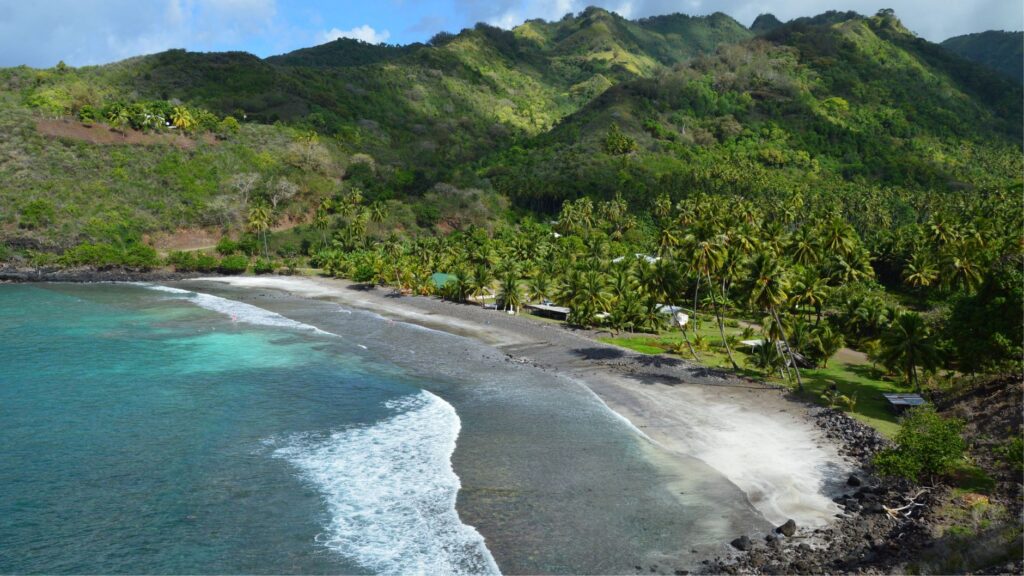
This technological integration enables millimeter-precision supply chain management in regions where insularity makes any import costly and complex. AI predicts consumption patterns weeks in advance, fostering local regenerative agriculture and drastically cutting food waste. For the traveler, this translates into signature gastronomy based exclusively on artisanal daily catch and endemic crops, served in environments where the resort’s digital footprint is virtually imperceptible.
New connectivity models and sustainable maritime transport
Accessibility to Oceania’s most secluded enclaves has historically been both its greatest challenge and its best defense against overcrowding. Today, the renewal of regional aviation fleets and the development of hybrid and electric vessels are transforming island mobility. Major airlines operating in the South Pacific are incorporating lower-consumption aircraft and studying the feasibility of routes powered by advanced biofuels—an essential requirement to meet the expectations of ultra-luxury travelers who rigorously offset their emissions.
On the maritime front, expedition catamarans and luxury yachts cruising Polynesia and the Australian Great Barrier Reef are adopting silent propulsion systems and satellite dynamic positioning to anchor without damaging seabed habitats. This modernization of transport aims not to accelerate journeys, but to make them compatible with the fragility of marine sanctuaries, granting access to deserted coves and traditional communities under strict low-acoustic and low-visual impact protocols.

Indigenous-led cultural renaissance
A frequent flaw in designing ultra-luxury experiences has been the superficial commercialization of local cultures. In Oceania, indigenous communities are using revenues generated by high-end tourism to regain sovereign control over their historical and territorial narratives. Through cooperatives managed directly by native populations in New Zealand and various Melanesian islands, travelers access cultural immersion programs where augmented reality and interactive interpretation centers combine with direct oral transmission from village elders.
This approach ensures that the economic benefits of ‘premiumization’ flow directly into the local economy, funding native language schools, traditional handicraft workshops, and the protection of sacred sites. The tourism experience thus transforms into a horizontal exchange, where the visitor assumes the role of respectful guest and learner, shedding the colonial stereotypes that have historically diminished the value of oceanic cultures.
Regulatory challenges and the governance of tourism data
As predictive analytics and artificial intelligence gain ground in Oceania’s tourism planning, important debates emerge regarding data privacy and island digital sovereignty. Who owns the information generated by tourists traversing these fragile territories? How can local authorities prevent foreign tech giants from monopolizing the management of regional tourism resources?
Digital sovereignty is today as critical for Pacific island states as the protection of their maritime borders against rising sea levels.
To counteract these risks, several regional governments are advancing strict legislative frameworks compelling international platforms to store and process visitor data locally under rigorous informed consent regulations. Simultaneously, the creation of indigenous tech startups capable of developing tourism management software tailored to the social and environmental realities of the Pacific is actively encouraged, ensuring that the added value of technological innovation remains within host communities.
Practical guide
Planning a sustainable ultra-luxury trip to Oceania under the new standards of ‘premiumization’ and technological management requires advance preparation and a deep respect for local rhythms.
- Best time to visit: From May to October, during the dry season in the South Pacific and the austral winter, when humidity drops and conditions for navigation and diving are optimal.
- Entry requirements and visas: Most island destinations require a passport valid for at least six months, a confirmed return ticket, and in many cases, the prior completion of digital environmental and tourist authorization forms (such as New Zealand’s NZeTA or specific atoll permits).
- Getting there: Primary entry gateways are Auckland, Sydney, and Nadi, connected via airlines offering mandatory carbon offset programs and sustainable aviation initiatives.
- Internal mobility: Prioritize regional flights on fuel-efficient aircraft, transfers via hybrid vessels, and certified local guides endorsed by indigenous community authorities.
- Code of conduct: Strictly respect access restrictions to protected reef zones, use exclusively biodegradable sunscreens, and always request permission before photographing individuals or traditional ceremonies.
The human horizon of the archipelago
At dusk, when palm silhouettes stand against the purplish Pacific horizon, technology fades from view and the ancient cadence of the sea prevails. On the remote island of Taha’a, a local elder walks the shoreline to check traditional fishing traps—a living reminder that no digital innovation can replace millennia of accumulated knowledge regarding tidal behaviors. The challenges of contemporary tourism—growth pressures, the need to fund conservation, and the urgency of a truly ethical model—find in this corner of the planet an answer rooted in moderation, community dignity, and radical respect for the fragility of island life. For the traveler who looks beyond immediate comfort, Oceania offers our time’s most valuable lesson: true progress lies in learning to inhabit the world without leaving a trace that compromises tomorrow.
Source in EN: Adapted from sectoral analyses and global tourism trends published in Euronews Travel.