
The sea is not merely a vast expanse of water covering the majority of our planet; it is Earth’s living archive, a constantly shifting territory that defies human understanding and, year after year, continues to reveal hidden secrets beneath its blue surface. The international Ocean Photographer of the Year 2026 contest has once again demonstrated that the lenses of the world’s finest underwater photographers are not merely instruments for aesthetic recording, but tools of urgent scientific and poetic relevance. Through captures that freeze moments of extreme vulnerability and breathtaking beauty, this competition has established itself as a privileged observatory of ocean health—a space where visual art directly engages with environmental awareness and the pressing need for preservation.
The winning images in this edition do not seek solely immediate visual impact, but rather aim to construct a profound narrative regarding the complex relationship between humanity and the marine environment. From unfathomable abysses inhabited by bioluminescent creatures to coastlines battered by climate change, each snapshot functions as an undeniable testimony. This report explores the core of a competition that transcends mere artistic rivalry to become a visual manifesto, analyzing the context of the award-winning works, the talent of their creators, and the radiography of an ocean silently crying out from the deep.
The invisible pulse of global currents and field research
Understanding the magnitude of the award-winning photographs in the Ocean Photographer of the Year 2026 requires stepping into the extreme conditions faced by underwater photographers. It is not simply a matter of waiting for the right moment with a camera in hand, but rather mastering the physics of deep diving, gas compression, resistance to cold, and the unpredictability of ocean currents. The participants in this edition have spent weeks, often months, anchored in the most remote corners of the globe, from the Arctic to the Australian Great Barrier Reef, waiting for nature to reveal itself before the lens with absolute naturalness.
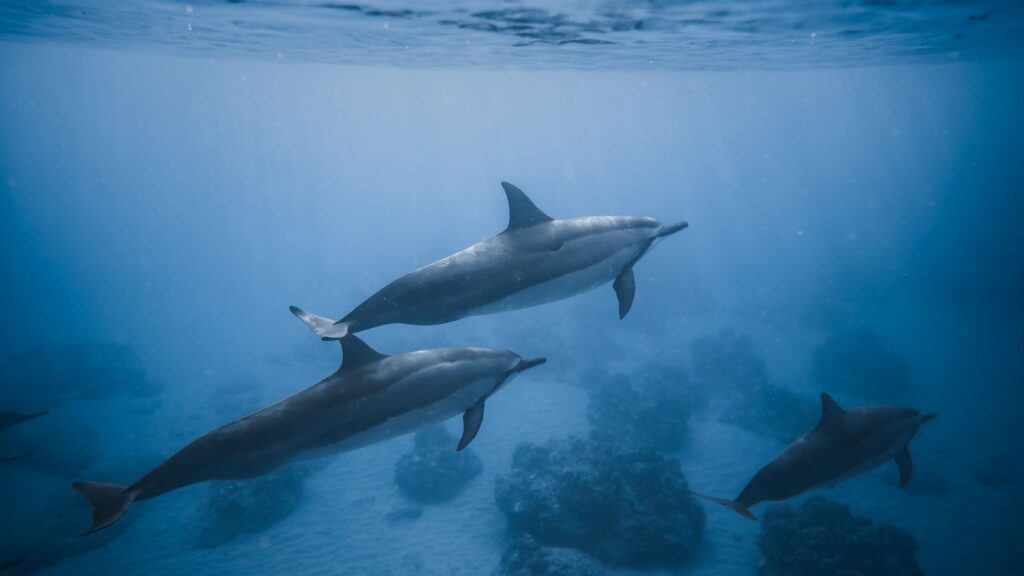
The technical rigor required to capture light refracted in saltwater is monumental. As the diver descends, the color spectrum vanishes, devoured by the liquid layers until only blue and green tones remain. Overcoming this physical limitation demands high-power stroboscopic lighting equipment and an encyclopedic knowledge of animal behavior. Patience is the only true filter in underwater photography; forcing interaction with wildlife is strictly discouraged by the competition’s ethical codes, turning every clean composition into a true masterpiece of opportunity and ecological respect.
The aesthetics of the abyss: when darkness becomes a canvas
One of the most celebrated thematic blocks of this edition is dedicated to the mesopelagic and bathypelagic zones—the realm of perpetual darkness where sunlight never penetrates. In this oceanic stratum, the traditional rules of terrestrial photography collapse entirely. The artists in this category have closely collaborated with oceanographers to document species that have barely been sighted on a handful of occasions throughout the history of marine biology. Bioluminescence, that survival mechanism whereby organisms generate their own light, becomes the paintbrush drawing impossible shapes in absolute blackness.
The images obtained in these abysses not only fascinate with their chromatic rarity, but also raise fundamental questions about the evolution of life under extreme conditions. Studying these creatures allows scientists to project models on how life might develop on icy moons within our solar system. The deep ocean is our closest outer space, yet it remains the great unknown. The winning snapshots act as guiding maps in a cartography of the invisible, demonstrating that natural beauty can manifest even in the most hostile and inhospitable environments on the planet.
Underwater photography does not seek to master nature, but to ask the water for permission to contemplate its most intimate secrets.
Coasts in transition: erosion and the resilience of the littoral
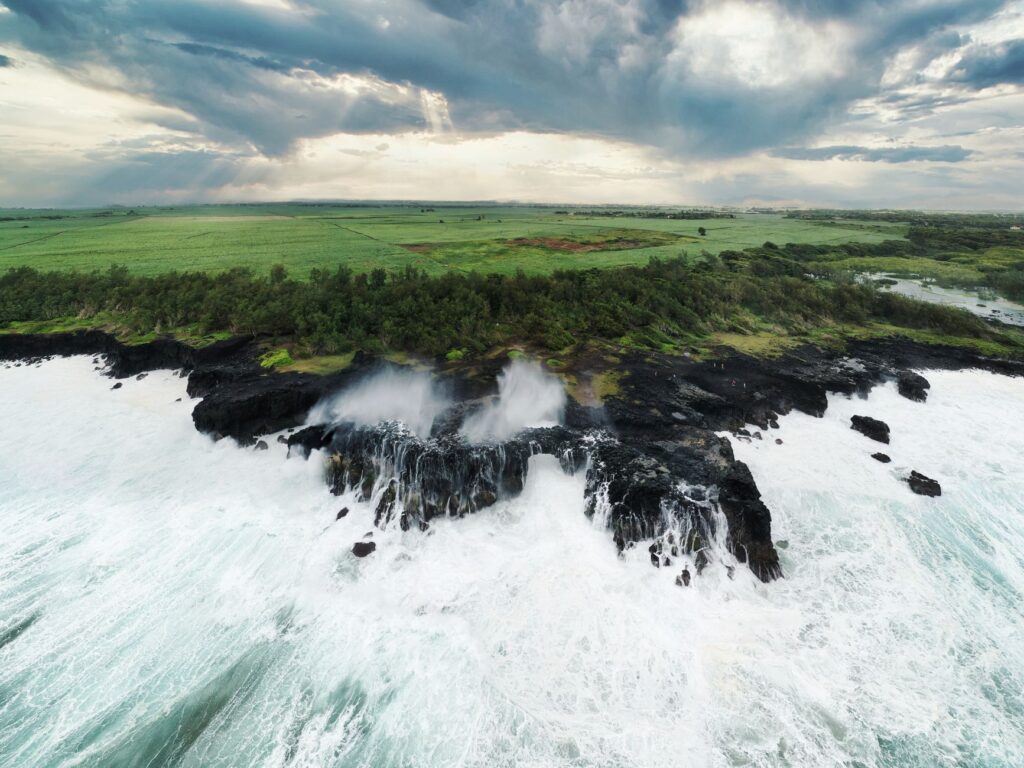
Human impact on continental margins is another core axis running through this year’s edition. Far from the idyllic tourist postcard, the beaches and mangroves documented in the contest reveal a dramatic frontline where climate change and industrial activity intersect with relentless force. Aerial and underwater images display the alarming regression of shoreline boundaries, the silent accumulation of microplastics in estuaries, and the suffocation of coral reefs due to sustained increases in water temperature.
However, the visual narrative avoids absolute pessimism; it also celebrates the resilience of coastal ecosystems. Seabird species adapting their nesting habits, mollusk colonies recolonizing abandoned artificial structures, and mangroves acting as natural dikes against tropical storms are documented with surgical precision. This duality underscores an undeniable truth: the oceans possess extraordinary regenerative capacity, provided anthropogenic pressure subsides enough to allow them to breathe and recover their original biological equilibrium.
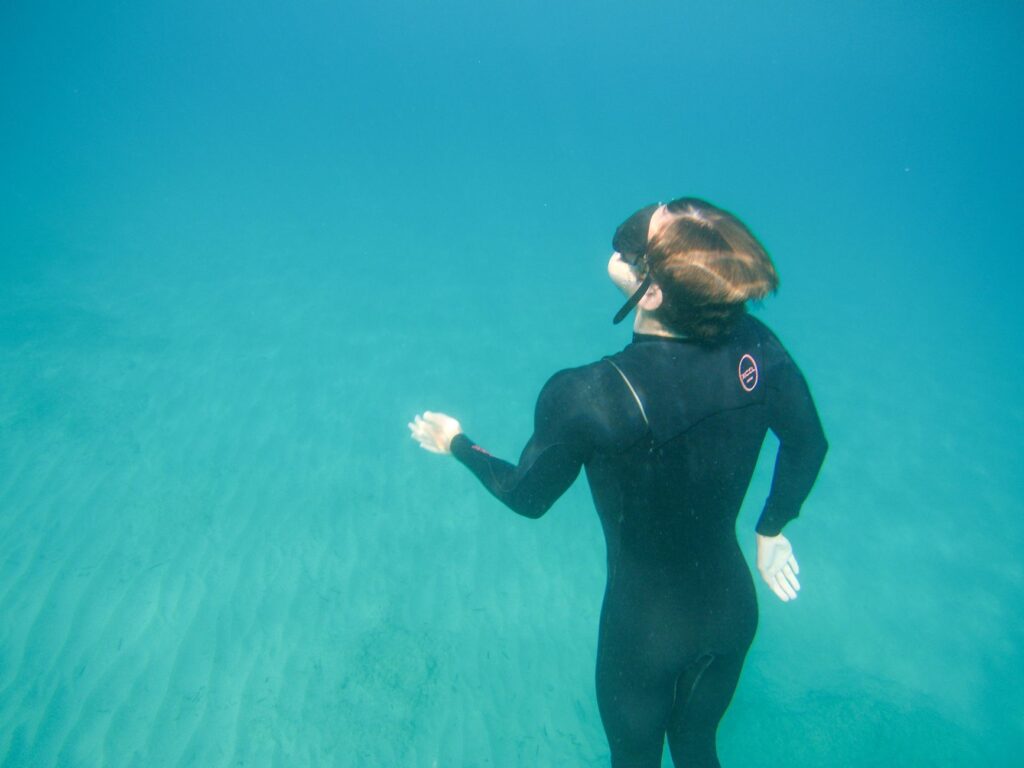
The symbiotic relationship between humanity and the great blue mass
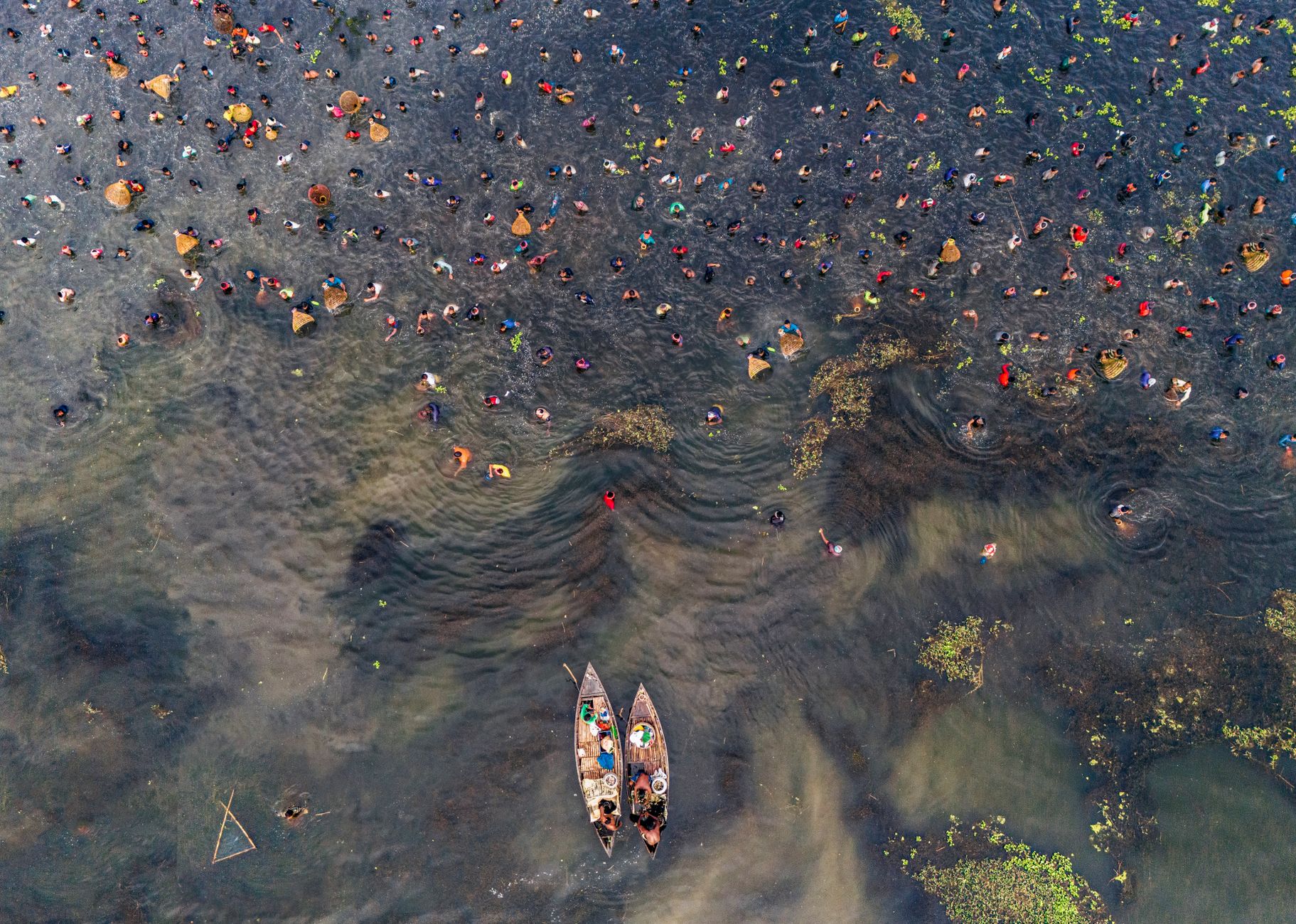
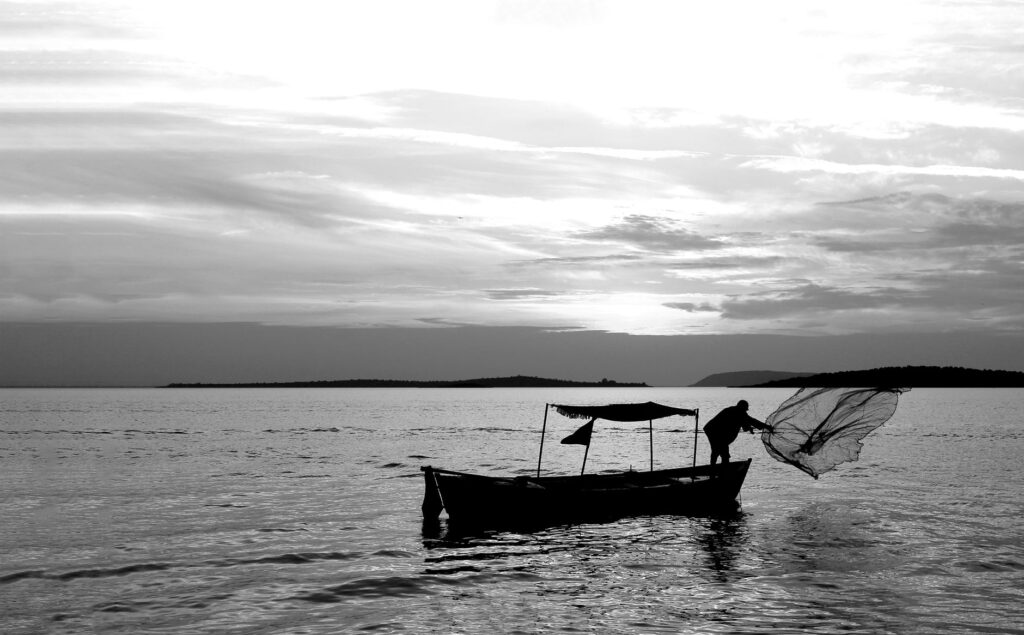
Human presence in the ocean takes multiple forms throughout the award-winning galleries, oscillating between unsustainable predation and respectful communion. Coastal communities from various latitudes whose economies and cultural traditions depend entirely on artisanal fishing and sailing star in portraits of breathtaking dignity. These snapshots document ancestral knowledge threatened by global fishing industrialization and the overexploitation of traditional fishing grounds, offering an indispensable anthropological perspective to understand the cultural value of the sea.
On the other hand, the work of marine biologists and conservationists who dedicate their lives to rehabilitating stranded marine mammals or manually planting coral fragments in underwater nurseries receives a well-deserved visual tribute. Interspecies empathy becomes evident in frames where the gaze of a cetacean and a diver meet through a diving mask, establishing a silent yet profoundly eloquent dialogue on the shared responsibility of safeguarding the planet’s biodiversity.
Technical innovation and ethics in wildlife capture
Technological advancement has radically transformed how oceans are documented, introducing autonomous underwater drones, highly sensitive camera traps, and ultralight housings capable of withstanding extreme pressures without distorting optics. Nevertheless, this technical deployment raises inescapable ethical debates within the international photographic community. The jury of the Ocean Photographer of the Year 2026 placed special emphasis this year on rewarding works that guarantee the use of low-impact methods, relentlessly penalizing any digital manipulation that alters the reality of animal behavior or falsifies natural settings.
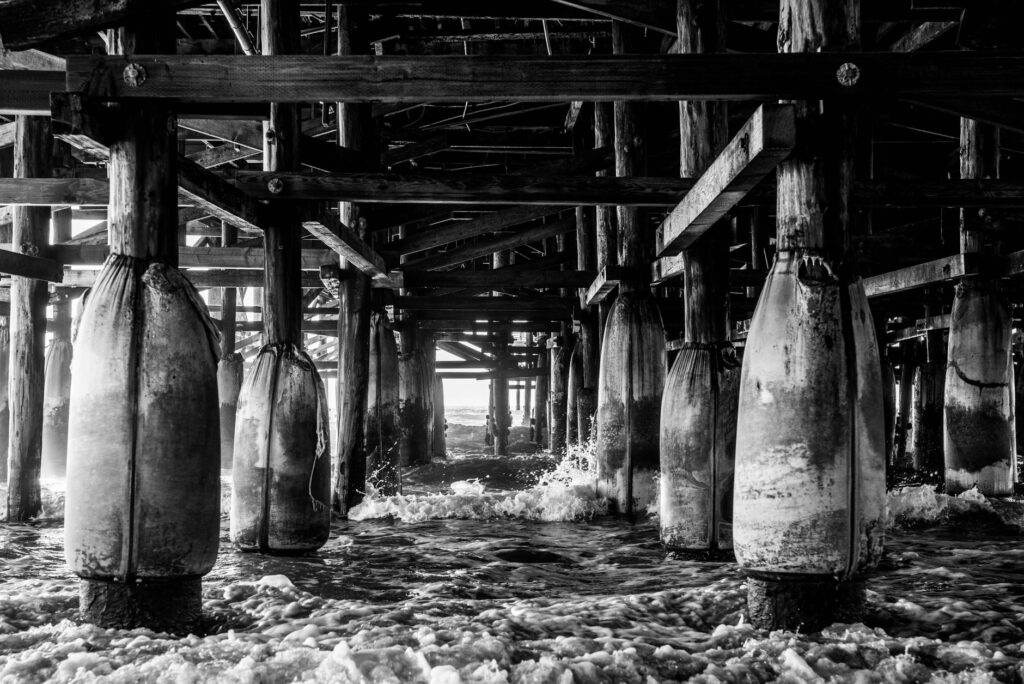
This demand for authenticity elevates the documentary value of the awarded pieces. Each image is a truthful document, a forensic record of an unrepeatable instant that admits no post-production artifice beyond basic digital development. Modern photographers act as notaries of nature, aware that manipulating visual reality would weaken the conservationist message that the international scientific community so urgently needs to transmit.
Practical guide
For those interested in deepening their knowledge of underwater photography, marine environmentalism, and responsible ocean contemplation, various training and outreach avenues endorsed by international institutions are available:
- Traveling exhibitions: The winning galleries of the contest embark on a global tour stopping at science museums and cultural centers in major European and American capitals starting in the spring of 2026.
- Immersion ethical code: It is recommended to consult the guidelines of the International Union for Conservation of Nature (IUCN) regarding respectful approaches to marine wildlife to avoid stress in protected species.
- Specialized training: Oceanography institutes and technical diving schools offer specific certifications in low-impact underwater photography and marine biology applied to the visual field.
- Official publications: The printed catalog of the contest, featuring in-depth interviews with winners and technical metadata of each shot, is published in a limited run for the benefit of reef protection.
The sea does not need us to save it; it needs us to stop destroying it so it can take care of the rest.
The ultimate reflection of the sea’s immensity and future
Reaching the end of this visual journey through the awarded works leaves an ambivalent sensation of wonder and melancholy. The immensity of the ocean, captured in its maximum expression of strength and fragility, reminds us that our own existence on Earth is inextricably tied to the health of these saltwater bodies. The photographs of the Ocean Photographer of the Year 2026 are not mere aesthetic trophies hung on the walls of an exclusive gallery; they are urgent warnings and declarations of eternal love toward the great blue engine that makes life possible in the cosmos.
As we observe the final frame of the exhibition—a minimalist shot where a solitary creature floats in the vastness of the deep blue—we understand that the true mission of these images is to shake our daily indifference. The sea remains there, bearing the weight of our negligence with millennial patience, waiting for humanity to decide to look with the same clarity and respect with which these photographers have focused their lenses toward the abyss. Ocean conservation is neither a political option nor a sectoral cause; it is the sine qua non condition for the survival of our own species on this pale blue dot.
Source in EN: Condé Nast Traveler Spain (https://www.traveler.es/galerias/ocean-photographer-of-the-year-2026)