
Engineering Against the Andean Void
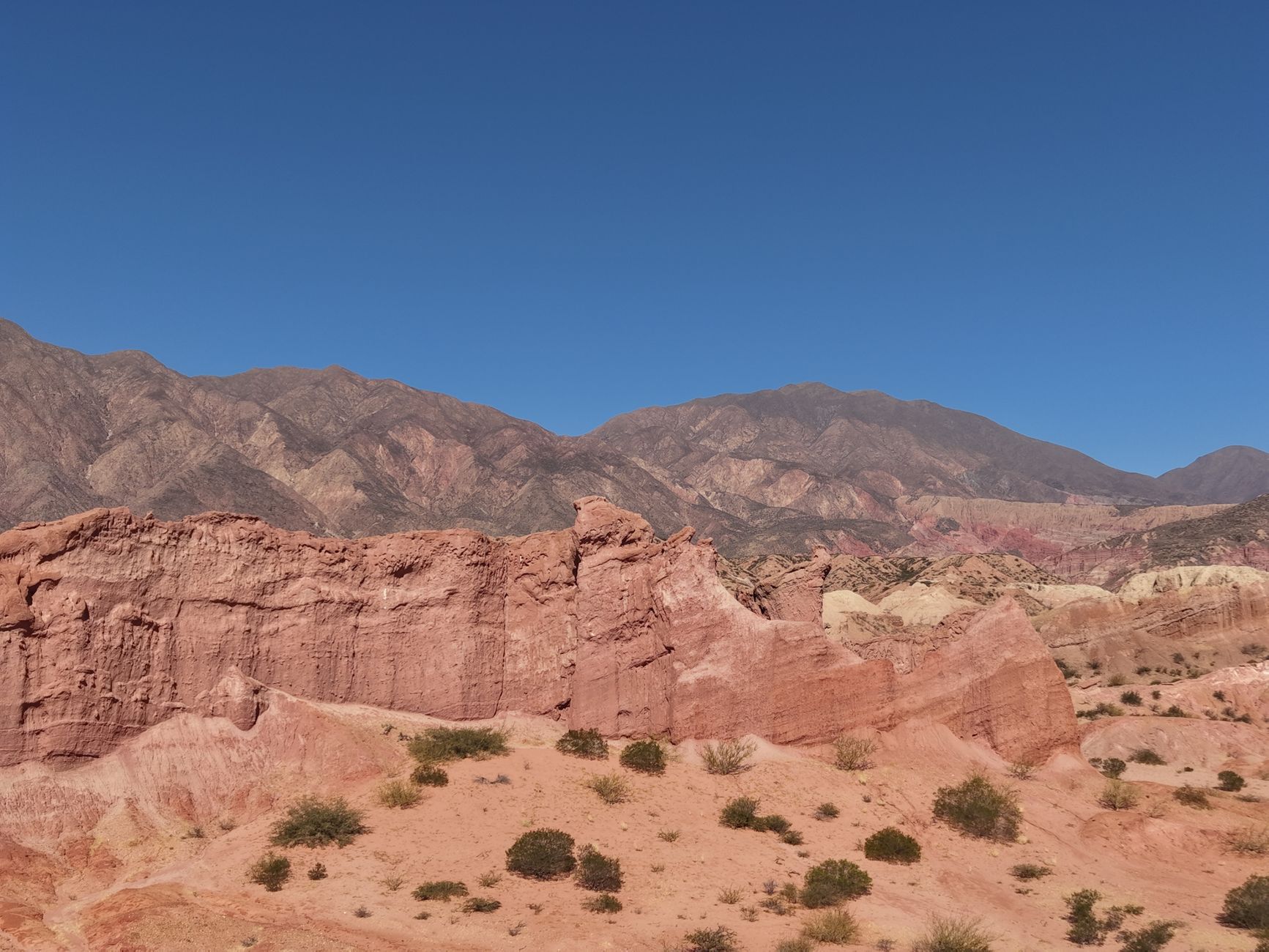
The railway layout ascending from the Lerma Valley to the arid immensity of the Argentine Puna represents one of the boldest milestones of twentieth-century South American civil engineering. Originally conceived to connect the region’s mining production with Pacific ports, this branch’s design defied the laws of physics through a system of zigzags and loops that eliminated the need for rack-and-pinion systems. Every kilometer of track laid above three thousand meters of altitude demanded meticulous calculations, where human labor and rudimentary tools of the era had to contend with oxygen scarcity and extreme high-mountain temperatures.
Throughout its route, the infrastructure rests on dry stone embankments, retaining walls, and monumental steel structures that appear to float over chasms. The famous La Polvorilla viaduct, situated at over 4,200 meters above sea level, constitutes the visual and technical apex of this journey. Supported by lattice steel girders without a single curve in its horizontal span, this bridge defies Patagonian winds and the environmental corrosion generated by saline aridity. Preserving these centennial pieces demands constant logistical effort, as transporting heavy materials and specialized spare parts to these remote locations is only possible via winding gravel roads snaking along mountain slopes.
The diesel locomotives operating on this line have undergone mechanical adaptations to compensate for the drastic power loss caused by low atmospheric pressure. Turbochargers and fuel injection systems operate at the edge of their thermal efficiency, requiring exhaustive overhauls after each round trip. This accelerated mechanical wear underlines the vulnerability of the rolling stock, whose availability directly conditions the corridor’s operational viability. The global scarcity of certain components specific to narrow gauge adds an administrative layer of complexity that forces provincial railway workshops to resort to artisanal fabrication of replacement parts.
The Demographic Pulse of High-Altitude Stations
Beyond its contemporary value as a tourist attraction, the railway historically functioned as the backbone of subsistence for numerous pastoral and mining communities scattered across the immensity of the Salta puna. Stations like San Antonio de los Cobres or minor intermediate stops emerged under the protection of passing trains, becoming nerve centers for commercial and social exchange. The arrival of the formation represented the sole regular link with lower valley urban centers, enabling the supply of fresh produce, mail, and the mobility of local residents facing geographic isolation.
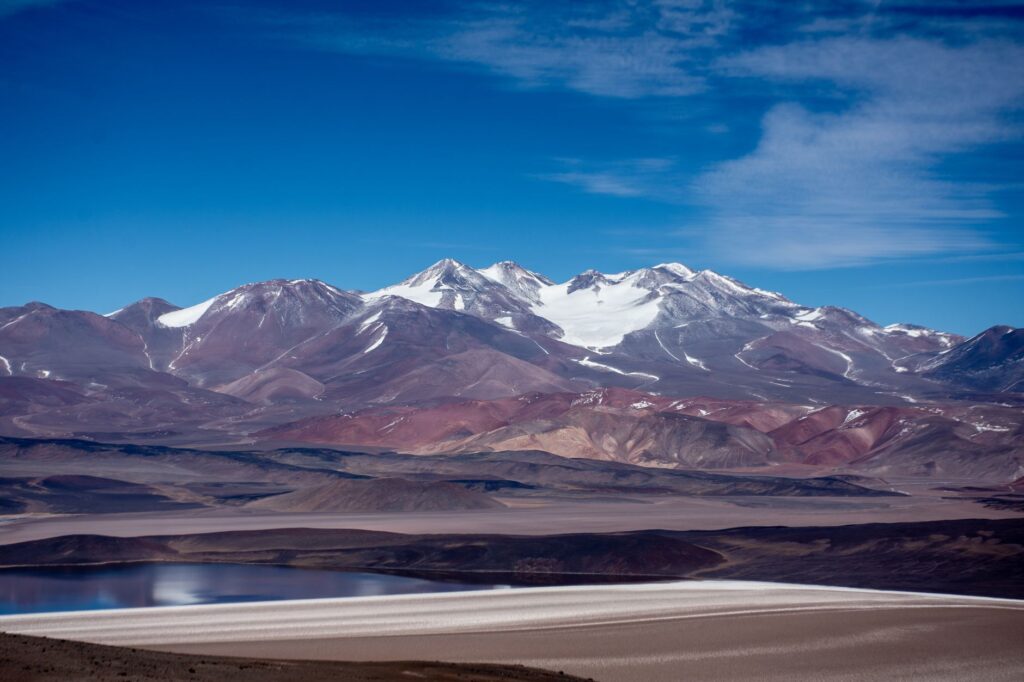
However, the gradual restructuring of national transport during the final decades of the past century radically altered this dynamic. With the suspension of regular freight services and daily passenger runs, local communities experienced progressive disconnection, forcing many families to migrate toward the peripheral rings of the provincial capital. Today, the tourist convoy operates under a different logic, where economic benefits are fragmented unevenly among local artisans, culinary providers, and centralized tour operators in the city of Salta, generating ongoing debate over the project’s true social sustainability.
Integrating communities into the transport value chain remains an unresolved challenge. While some localities have successfully structured cooperatives for marketing llama textiles and Andean gastronomy adapted to train schedules, others remain mere spectators of vehicular and railway traffic. Local development committees insist on the need to rethink the system not merely as a postcard corridor, but as a mixed service that partially recovers the social function of territorial integration, facilitating affordable transport of essential goods for rural schools and high-mountain health posts.
The Logistical Challenge of High-Cordillera Maintenance
Keeping a railway line operational above three thousand meters of altitude implies facing relentless weather. During winter, sudden snowstorms and nighttime frosts dropping below minus twenty degrees Celsius freeze track-switching systems and crack hardwood sleepers. In summer, electrical storms and sudden flash floods in alluvial beds, locally known as _vegas_ or _quebradas_, erode embankments and wash away entire sections of ballast, forcing track maintenance crews to deploy emergency operations in highly adverse geographic conditions.
The supply of fuel, cooling system water, and emergency repair tools requires meticulous coordination between the operational base in the Lerma Valley and high-altitude camps. Support vehicles must navigate corniche roads where the risk of rockfalls is constant. This dependence on a single parallel road highlights the corridor’s systemic fragility: if a landslide cuts the adjacent national or provincial highway, the railway is left isolated from external logistical support, turning into an iron island amid Andean desolation.
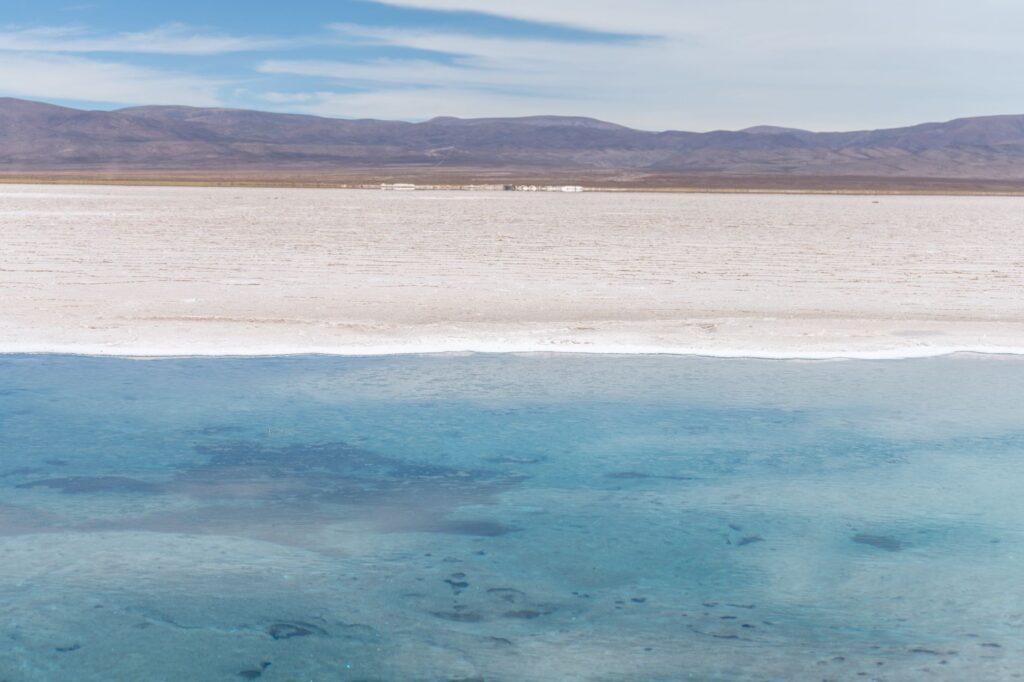
In addition to climatic factors, chemical corrosion from nearby salt flats relentlessly attacks rails and metal fastening elements. Track engineers must schedule periodic replacements of fishplates and screw spikes, prioritizing sections with tighter curve radii where lateral friction accelerates rail head wear. Investment in ultrasonic rail inspection technology is still nascent, forcing intensive visual and pedestrian monitoring by track workers who patrol kilometers of track on foot under the harsh high-altitude sun.
Tourism Transformation and Pressure on Heritage
In recent decades, the branch’s functional profile underwent a radical metamorphosis, shifting from an economic freight and regional passenger channel to an exclusive international experience tourism product. This conversion has saved the infrastructure from obsolescence and total abandonment, but it has also introduced new tensions regarding system carrying capacity and the preservation of historic railway heritage. High demand during peak seasons overwhelms ticket availability, generating a secondary market and driving up operating costs for providers striving to maintain safety standards.
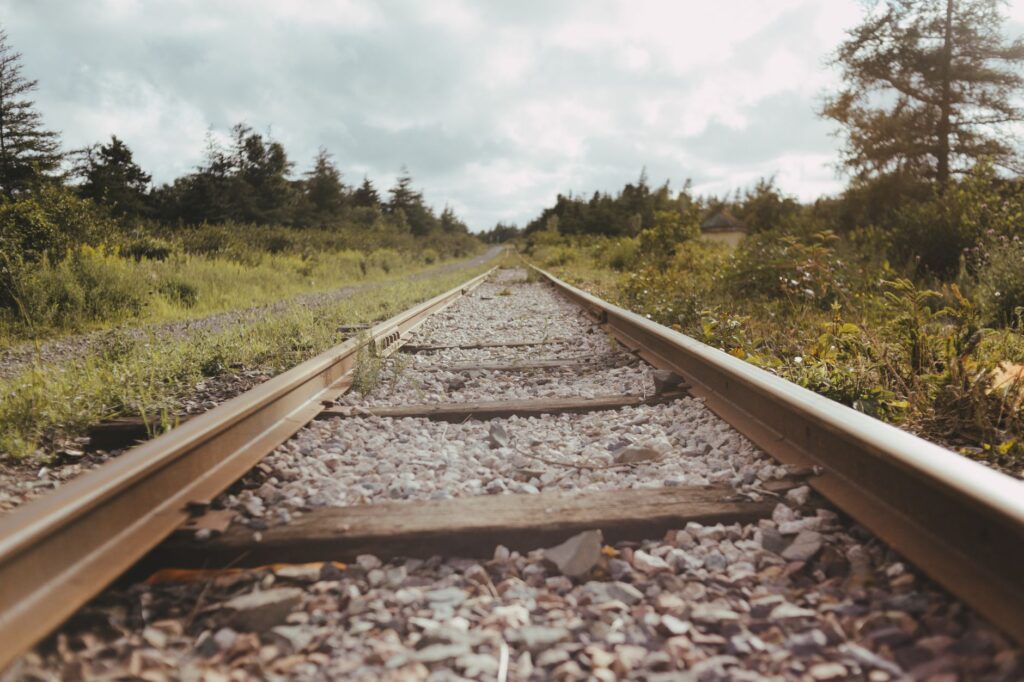
The railway track in the Puna is not merely a scenic route; it is a living industrial monument holding the memory of a titanic collective effort against geography.
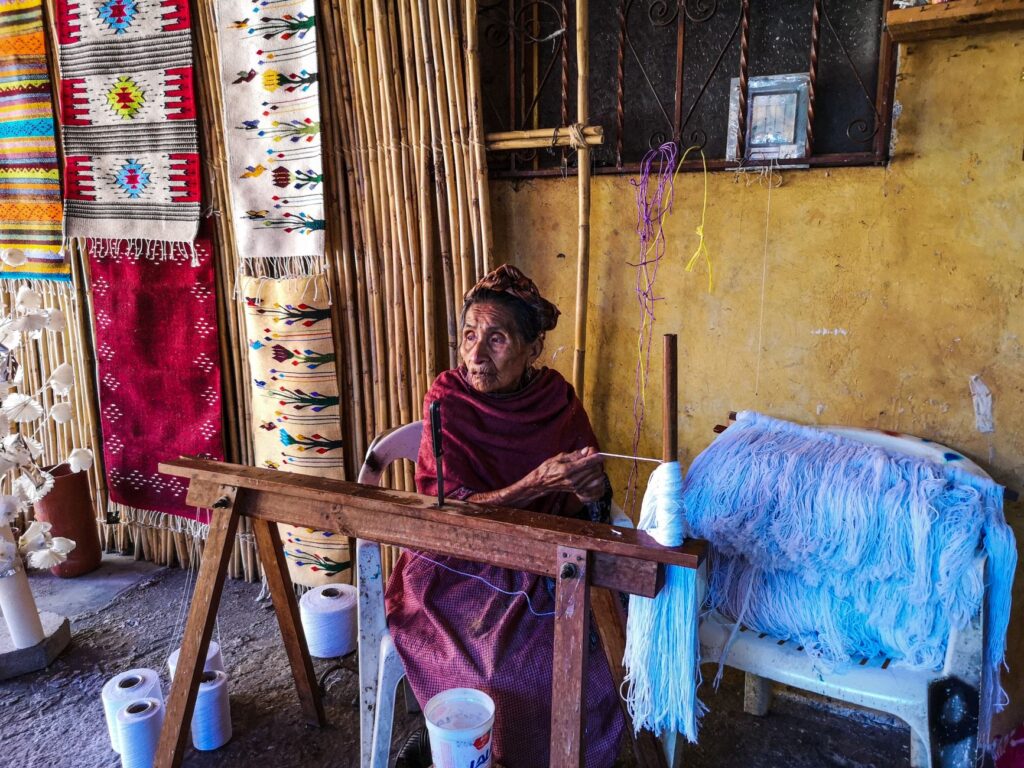
The modern traveler’s experience combines landscape contemplation with cultural interaction at stations conditioned as artisan markets. However, this massive and concentrated visitor flow exerts considerable pressure on fragile local ecosystems and water resources in puna communities, which often lack adequate wastewater treatment and sanitation infrastructure. Provincial authorities and private operators must continuously negotiate to implement sustainable tourism practices that minimize the ecological footprint of train passages and ensure fairer revenue distribution from the activity.
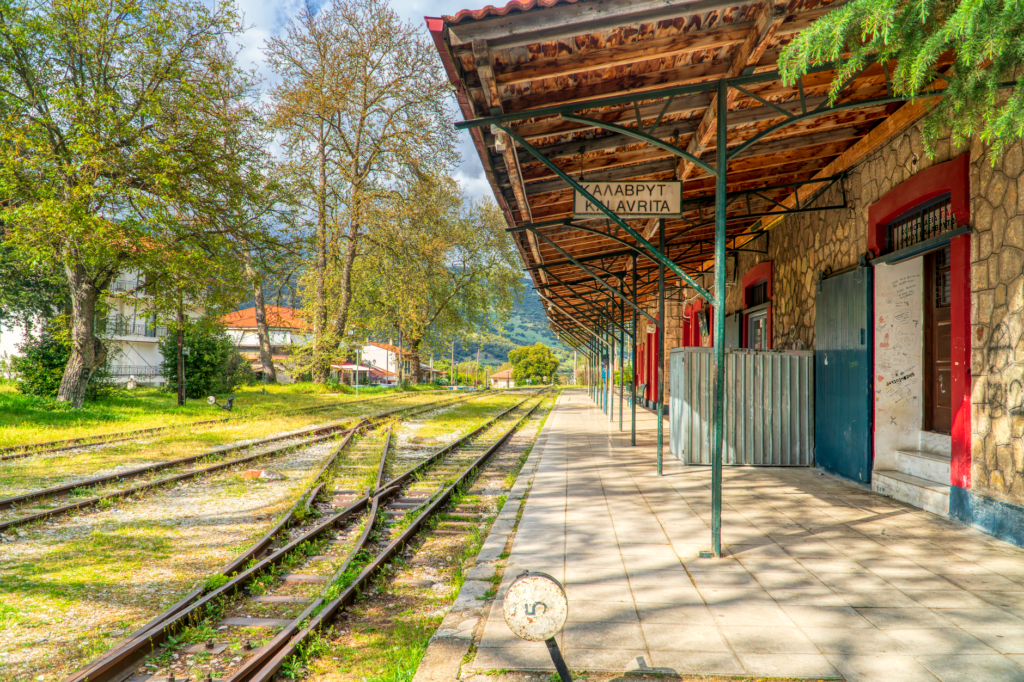
The preservation of historic stations, many cataloged as heritage monuments, faces the dilemma between rigorous museological restoration and commercial adaptation to house tourist services. While some buildings retain period furniture, stem telegraphs, and enameled metal nameplates intact, others have undergone modern interventions altering their original architectural imprint. Heritage specialists insist on the urgent need to establish strict regulations protecting the immediate visual surroundings of the track, preventing the proliferation of invasive infrastructure that clashes with the austere monumentality of the puna landscape.
Territorial Sovereignty and Alternative Connectivity
The debate surrounding the future of the railway branch transcends strict tourism and sits at the center of discussions on territorial sovereignty and federal development. In a country with vast geographic expanse, recovering the narrow-gauge network is periodically proposed as a strategic necessity to relieve road freight transport and lower logistical costs for regional production, especially critical minerals like lithium and borax extracted from neighboring high-Andean basins.
Nevertheless, economic feasibility studies reveal that comprehensive rehabilitation of the route for heavy freight would require multimillion-dollar investments in total sleeper renewal, consolidation of steel bridges, and straightening sharp curves. Facing chronic state budgetary constraints and private capital caution toward long-term projects, the railroad survives as a delicate balance between the profitability of the premium tourist service and the nostalgia of a past when the state guaranteed physical integration of the country’s most inaccessible corners.
Civil organizations and local railway unions advocate for a mixed management model reconciling cultural tourism with social-schedule passenger trains and light mining trains. They argue that diversifying uses is the only guarantee against the line turning into a static museum piece, detached from real mobility needs and rootedness of populations inhabiting the altiplano. The viability of this vision depends on sustained political will and the capacity to forge consensus among different levels of public administration and concessionaire companies.
Practical guide
How to get there: The operational headquarters and departure point for the tourist service is located in the city of Salta, capital of the namesake province. Access is primarily air-based via Martín Miguel de Güemes International Airport (SLA), which receives daily flights from Buenos Aires and other major domestic cities, or overland via long-distance bus services.
When to travel: The months between April and November offer the best meteorological conditions, characterized by completely clear skies and low precipitation probability. However, winter temperatures (June to August) can drop drastically below freezing, especially at higher-altitude stops, making appropriate thermal clothing essential.
Acclimatization requirements: Since the route exceeds 4,200 meters above sea level at its peak point, spending at least two prior days in Salta (1,187 meters) or intermediate towns like Purmamarca or Cachi is strongly recommended to mitigate altitude sickness symptoms, known locally as *soroche*. Constant hydration and avoiding heavy meals before the ascent are advised.
Reservas and ticketing: Tickets for the railway service must be secured several months in advance through the operator’s official website or authorized travel agencies in Salta. Fares vary by season and onboard service category, with special discounts available for properly accredited provincial and national residents.
Recommended equipment: High-factor sunscreen, certified UV-filtered sunglasses, wide-brimmed hat, lip balm, and multiple layers of lightweight yet warm clothing (layering system) to adapt to sharp temperature swings between the sunny puna midday and high-altitude cold winds.
Epilogue at the Phantom Station
When the echo of the diesel locomotive’s whistle finally dissolves among the dusty folds of the cordillera, silence reclaims absolute dominion over the high plateau. The stone silhouettes of secondary stations, temporarily devoid of traveler bustle, project the image of a stopped time where metal and rock maintained an implausible survival pact. For the attentive observer, every worn sleeper and oxidized rivet in this American outpost testifies to the tenacity of those who denied the map’s impossibility, reminding us that the most beautiful and complex paths are those daring to challenge the rigor of abysses without asking permission from oblivion.