
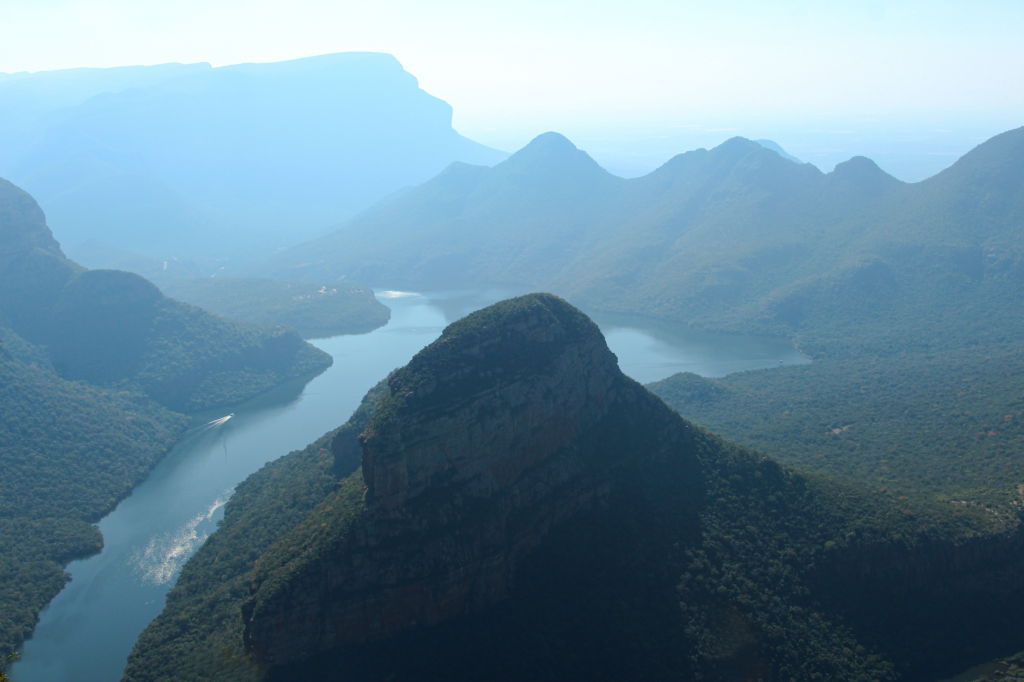
The eastern escarpments of Mpumalanga province, situated on the eastern edge of South Africa’s great plateau, form one of the most imposing and challenging geographical landscapes on the African continent. Historically known as a region of sweeping cliffs and deep valleys, this transition zone between the Highveld and the Lowveld is not only a sanctuary of biodiversity and mist, but a vital logistical corridor where civil engineering constantly contends with erosion and verticality. Transportation in this rugged geography responds to a precise choreography where kilometer-long freight trains, heavy-tonnage trucks adapted to impossible gradients, and minibuses connecting isolated agricultural communities all coexist.
Understanding mobility in Mpumalanga requires stripping away any romanticized notion of rural African travel. Here, transport infrastructure serves as the circulatory system enabling the export of mineral and forestry wealth toward Indian Ocean ports, while simultaneously supplying human settlements that depend entirely on roads vulnerable to landslides during the summer rainy season. The articulation of this territory relies on a fragile intermodal network where the disruption of a single rail link or the temporary collapse of a mountain pass can isolate entire valleys for weeks.
The Iron Backbone: The Historical and Contemporary Role of Mining Railways
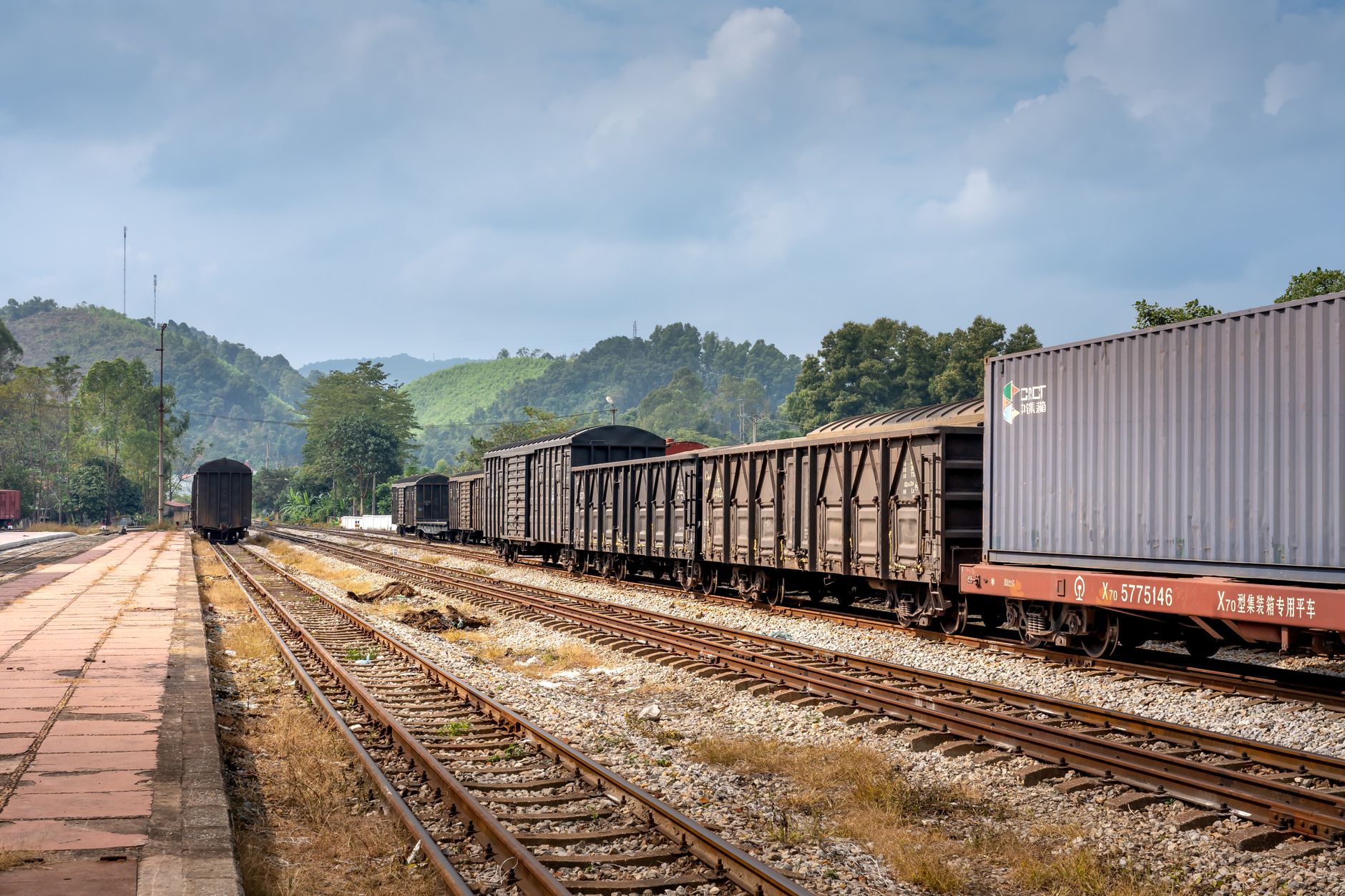
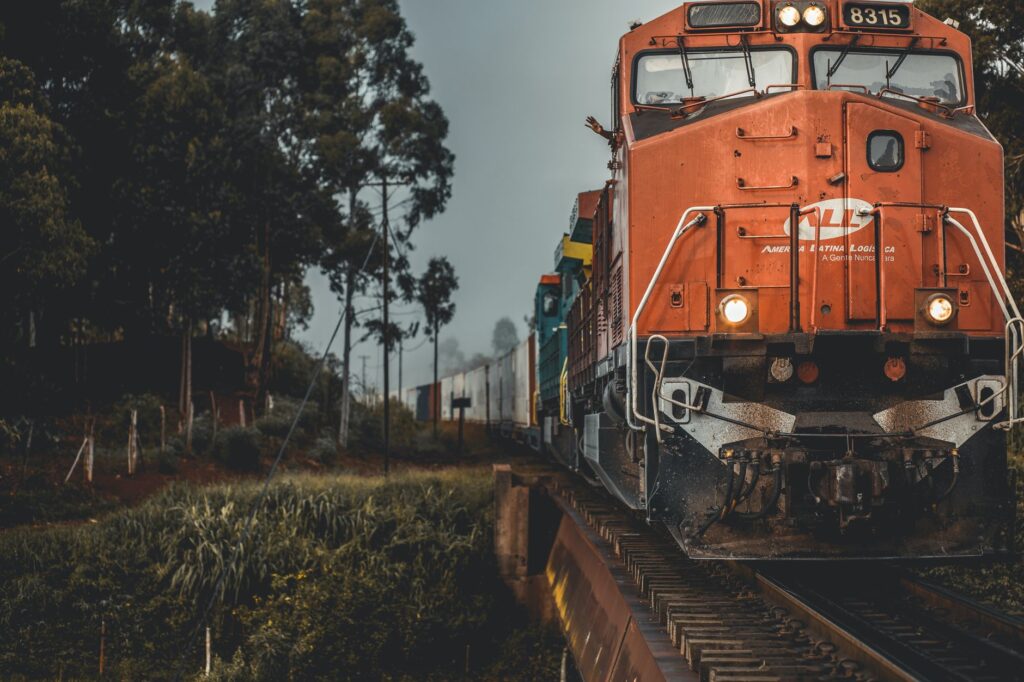
The modern history of the eastern highlands is written upon steel rails. In the late 19th century, the imperative to connect interior mineral deposits with the port of Lourenço Marques (now Maputo) and Durban spurred the construction of titanic railway routes. Today, the national corporation Transnet operates heavy-freight lines that wind through gorges, hauling coal, timber, and agricultural products in formations exceeding one hundred cars. These trains are far more than simple conveyances; they represent the economic backbone preventing the collapse of the regional trade balance.
Nevertheless, maintaining these mountain rail lines is a monumental challenge. Tunnels carved into basaltic rock and century-old metal bridges suffer accelerated wear from ambient humidity, corrosion, and the material fatigue caused by the constant weight of overloaded convoys. Along the Komatiport corridor, rail engineers wage a daily battle against invasive vegetation and slope slippage. For the observant traveler, witnessing the slow, solemn passage of a diesel locomotive emerging from the morning mist at the Waterval Boven pass offers an unparalleled visual perspective of the industrial scale of African transport.
The Asphalt Artery: Heavy-Tonnage Trucks and Highway Corridors
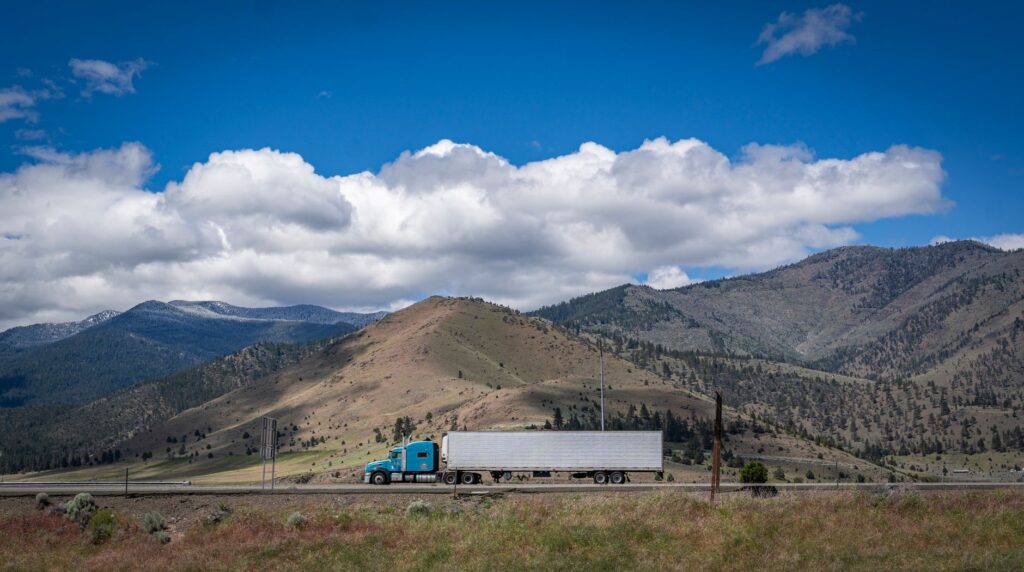
Running parallel to the rail lines, the N4 national highway unfolds as the great paved artery cutting across Mpumalanga from west to east, connecting Johannesburg to the Mozambican border via the stretch known as the Maputo Corridor. This road axis supports an incessant flow of articulated trucks carrying containers, chromium ore, and processed timber. Congestion at tolls and border checkpoints frequently generates kilometer-long bottlenecks, turning the highway into its own economic ecosystem populated by specialized rest stops, informal repair shops, and roadside markets.
Coexistence along these two-way roads between heavy freight vehicles and local traffic, including passenger cars and shared taxis, is complex and often hazardous. Adverse weather conditions, marked by dense banks of fog descending suddenly from the plateau and tropical thunderstorms, multiply accident risks. Provincial authorities have implemented weigh-in-motion systems and time restrictions for certain heavy transports, though economic pressure to keep supply chains open twenty-four hours a day limits the effectiveness of these restrictive measures.
The road is not merely a line drawn upon a map; it is the nervous pulse determining whether a shipment of citrus fruit reaches port on time or whether a rural community is cut off following a river’s overflow.
Rural Micro-Mobility: Minibuses, Dirt Tracks, and Local Autonomy
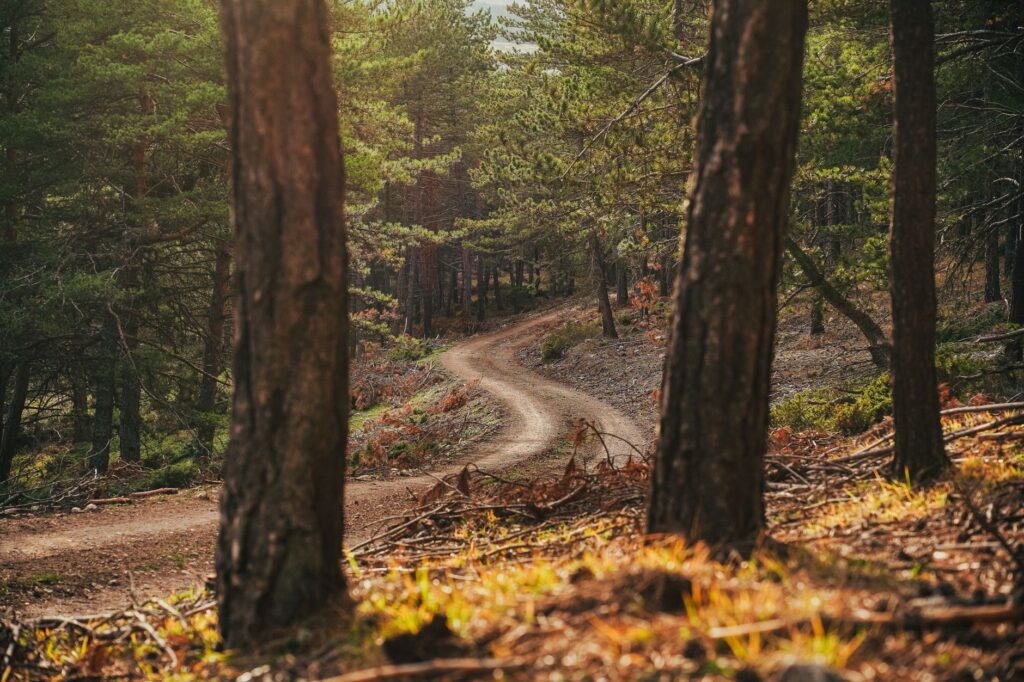
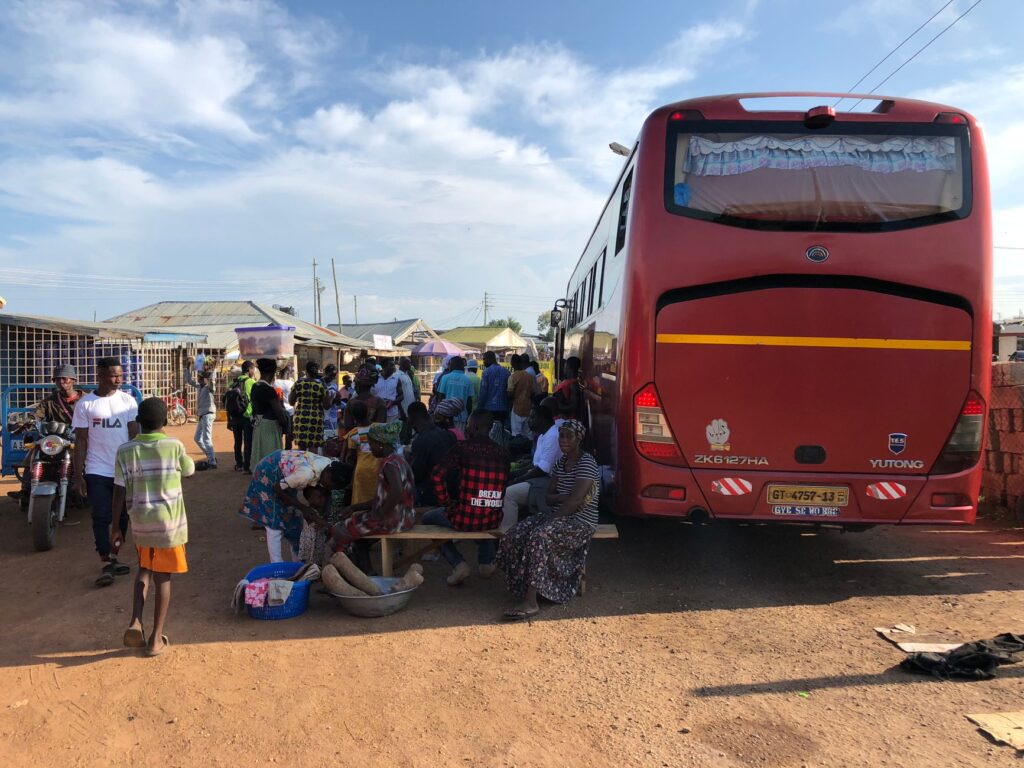
While the primary corridors roar under the weight of international traffic, the daily reality of secondary valley residents is sustained through decentralized, community-owned transport systems. The famous Toyota HiAce minibuses, known locally as taxis, operate as the sole viable alternative connecting remote villages with the commercial hubs of Lydenburg or Sabie. These vehicles, organized in informal yet tightly structured cooperatives, traverse red dirt tracks winding between pine and eucalyptus plantations.
The condition of these secondary tracks varies drastically with the seasonal cycle. During the dry season, red dust permeates every surface and reduces visibility, while summer rains transform paths into bogs impassable for conventional vehicles. At this level of the network, intermodality acquires a human and resilient nuance: passengers laden with sacks of maize and personal belongings must coordinate their schedules with flexible departure times dictated by full vehicle occupancy and terrain conditions.
Engineering Against the Abyss: Suspension Bridges and Historic Mountain Passes
Overcoming elevation drops of up to one thousand meters between the Highveld and the Lowveld has required daring engineering solutions across the centuries. From the historic Long Tom Pass, originally used by Boers on their trade routes to the coast, to modern prestressed concrete viaducts, Mpumalanga’s road architecture stands as testament to human perseverance against geological whims. Each crossed gorge represents a temporary victory over gravity and water erosion.
The region’s bridges and tunnels fulfill more than utilitarian functions; they act as visual landmarks within the landscape. Structures such as the Elands Valley bridge demonstrate technological evolution in mountain road construction, incorporating sophisticated drainage systems to channel torrential runoff and retaining walls anchored in bedrock. However, the age of certain sections necessitates frequent closures for preventive maintenance, forcing traffic onto detours that add hours of travel time for haulers and travelers alike.
Ecological Impact and Wildlife Management Along Transport Routes
The development and intensification of transport infrastructure in Mpumalanga generate unavoidable tension with surrounding natural ecosystems, many of which border Kruger National Park and private game reserves. Collisions between vehicles and wildlife, ranging from antelopes to large mammals, constitute a serious problem for both road safety and local biodiversity conservation.
To mitigate this impact, transport agencies have begun installing specialized wildlife overpasses, advanced reflective signage, and perimeter fencing along the most critical sections of national highways. Nonetheless, fence porosity and demographic pressure complicate the effective protection of ecological corridors. Environmental management experts insist that any future expansion of the intermodal network must incorporate rigorous ecological impact studies prioritizing natural habitat connectivity over mere travel-time reduction.
Practical guide
How to get there: Kruger Mpumalanga International Airport (MQP), near Nelspruit (Mbombela), receives daily scheduled flights from Johannesburg and Cape Town. Alternatively, land access via the N4 national highway offers direct driving access by rental car or long-distance bus from Johannesburg.
When to travel: The dry season months, between May and September, offer the best weather conditions for driving mountain passes and avoiding road closures caused by summer storms.
Local transport options: To explore secondary valleys and rural areas, renting a four-wheel-drive (4×4) vehicle is strongly recommended due to the variable condition of gravel tracks. Using local minibuses requires patience and a willingness to adapt to informal schedules.
Safety tips: Driving at night in rural Mpumalanga is discouraged due to stray livestock on roadways and a lack of secondary road lighting. Carrying potable water, offline maps, and checking weather forecasts before embarking on high-mountain routes are essential precautions.
The true measure of a journey through the Mpumalanga highlands is not calculated in kilometers traveled, but in the capacity to comprehend the complex human and natural machinery keeping this vertical territory alive.
Sunset over the Mpumalanga escarpments paints the basalt rock faces in deep copper tones, while distant truck lights begin tracing luminous streaks along valley floors. In this moment of transitional lighting, the traveler understands that mobility in this African redoubt is neither merely a technical engineering problem nor a matter of transport economics, but a delicate daily pact between an indomable mountain and the tenacity of those who inhabit and traverse it. The wheels of the freight trains continue to grind in the distance, a reminder that human connection, however fragile it may seem, never stops beating.