
Geomorphology as a Border and the Challenge of Island Commuting
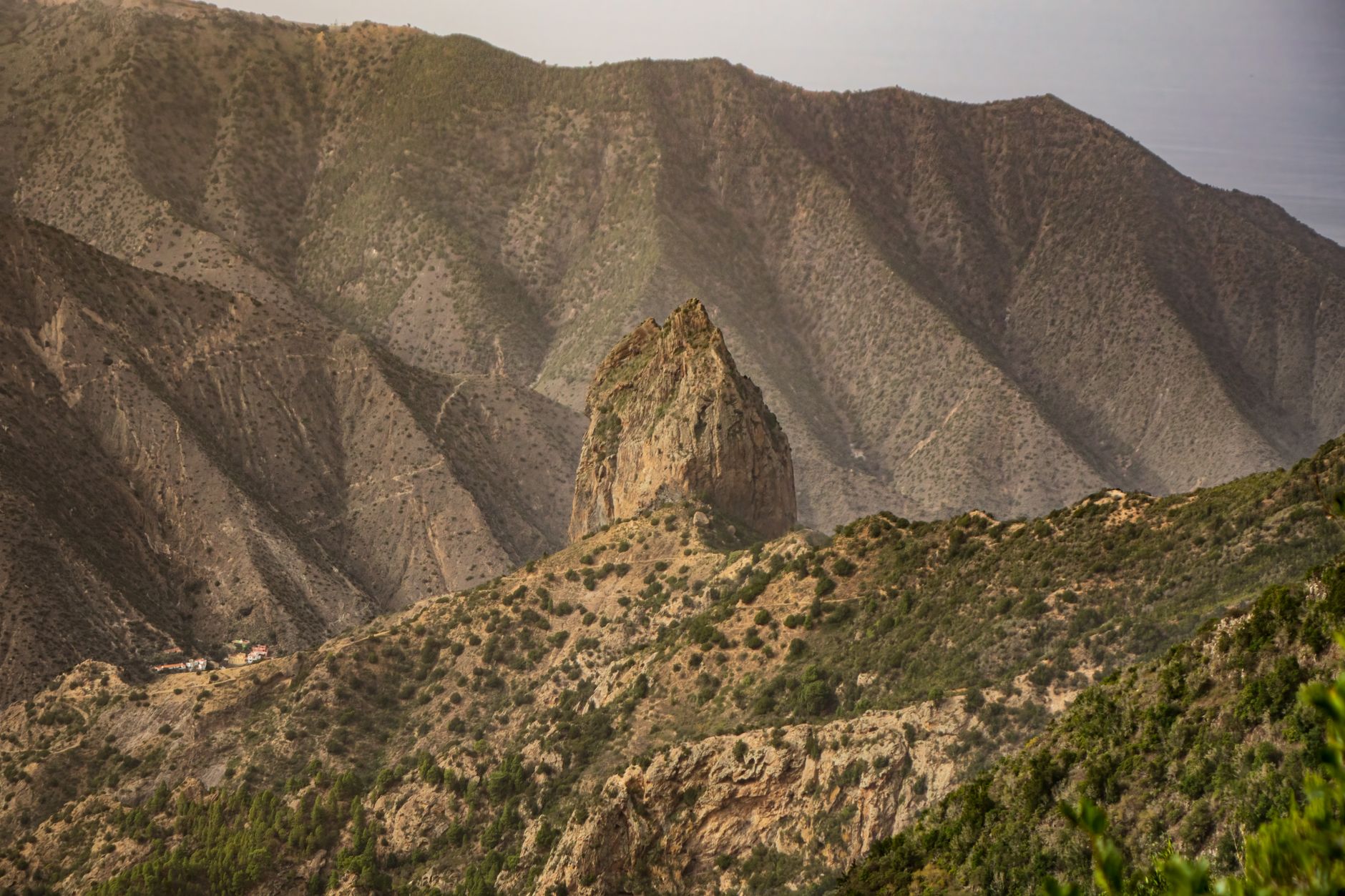
The island of La Gomera rises from the Atlantic Ocean like a stone fortress sculpted by volcanic fire and eroded over millennia by trade winds. Its deep ravines, plunging from summits crowned by Garajonay National Park down to the crashing sea, have historically shaped a landscape of fragmented isolation. Each valley constituted its own universe where survival depended on human ingenuity to bypass vertical abysses via an intricate network of bridle paths. With the arrival of modern road construction, winding asphalt highways connected the main population centers, yet they also imposed a progressive dependency on internal combustion private vehicles, altering the delicate acoustic and environmental harmony of the island’s ravines.
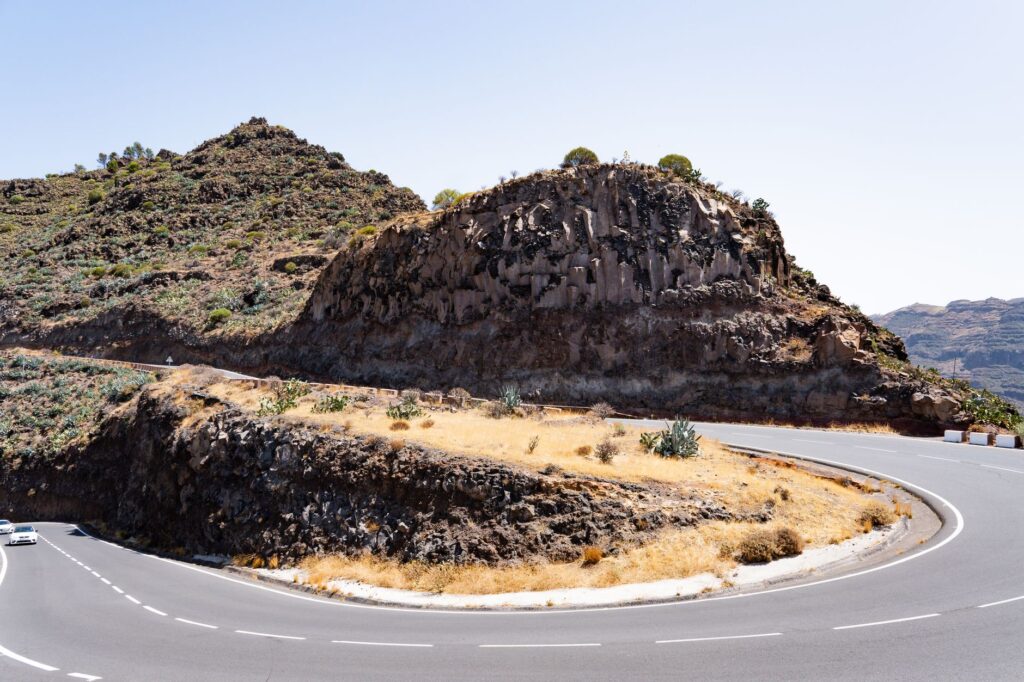
Within this extreme geographical context, conventional public transport faced insurmountable operational hurdles due to steep grades, sharp hairpin turns, and the massive energy costs required to move heavy fossil-fueled fleets across such vertical relief. The need to redefine mobility on the island was not merely driven by a global ecological imperative, but by an urgent local demand for territorial survival. Rural communities, acutely aware that mass tourism and intensive vehicular traffic threatened the stability of their aquifers and the fertility of their agricultural terraces, began demanding a profound transformation of the island’s transport model—one that would prioritize energy efficiency, emissions reduction, and the safeguard of landscape heritage.
The institutional and community response took shape through a strategic sustainable mobility plan that reinterprets the landscape not as an obstacle to be overcome with massive asphalt, but as a living system requiring respect and adaptation. The project pairs the progressive rollout of next-generation electric microbuses and buses—specifically engineered to optimize regenerative braking on prolonged descents—with the comprehensive rehabilitation of ancient royal paths connecting hillside hamlets. This symbiosis between clean propulsion technology and traditional pedestrian transit knowledge charts a new paradigm of connectivity where the journey ceases to be a mere mechanical transition and becomes an immersive experience of the Gomeran territory.
The Invisible Architecture of Royal Paths and Heritage Restoration
Before asphalt carved through La Gomera’s ridges, the network of royal paths backbone the island’s economic, social, and cultural life. Along these paved stone tracks, constructed with dry-stone masonry and ancient drainage systems, farmers once transported their harvests of corn, bananas, and livestock, linking coastal markets with the high-altitude laurel forests. With the expansion of paved roads, many of these historic trails suffered abandonment, plant overgrowth, and severe erosion caused by torrential runoff following heavy rainstorms. Their restoration today is not merely a recreational initiative for hikers, but a core strategy of soft mobility that relieves pressure on primary highways.
The rehabilitation of these paths relies on traditional dry-stone construction techniques and natural lime mortars, avoiding heavy machinery that could compact fragile soils or destabilize delicate slopes. Local crews of workers, trained in specific employment workshops promoted by municipal councils and the island government, repair collapsed sections, clear water catchment systems, and rebuild original safety parapets. This artisanal labor ensures that the routes retain their original gradients—optimized for human and animal effort—and transform into safe everyday commuting corridors for residents of the most isolated hamlets who prefer traveling on foot between neighboring valleys.
Beyond their practical function as pedestrian communication routes, these paths act as ecological corridors that facilitate seed dispersal and the connectivity of endemic fauna across the island’s various bioclimatic zones. Combining the restored trail network with public transport stops enables residents and travelers to plan everyday micro-itineraries where travel leaves zero footprint on the environment. Locals and visitors alike can thus coordinate inter-municipal journeys by linking walking segments along ancient commercial routes with zero-emission vehicle connections, proving that rural transport efficiency can merge harmoniously with historical and landscape preservation.
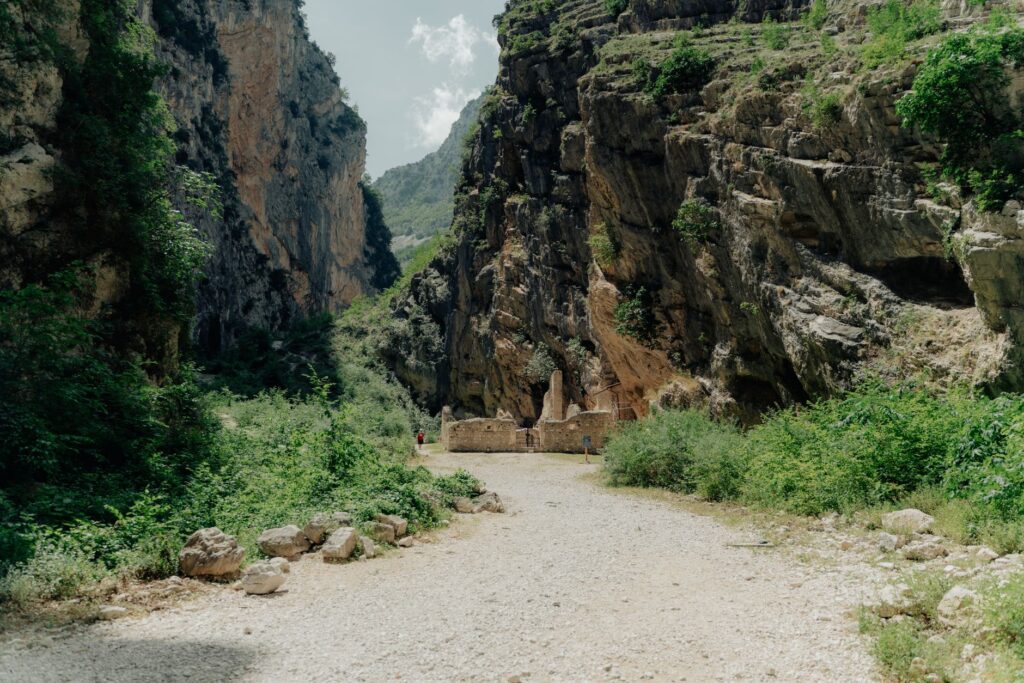
Electrification at the Edge of the Cliff: The Technical Challenge of Mountain Buses
Introducing battery-electric transport vehicles into a topography as rugged as La Gomera’s required overcoming significant technological and logistical barriers. Standard commercial electric bus models, designed primarily for flat urban topologies or moderate slopes, showed insufficient range and motor overheating issues when continuously confronting the 15% and 20% grades characteristic of climbs toward summit hamlets. The solution demanded collaborative work among automotive engineers, local transport operators, and the island government to craft technical specifications tailored to the island’s unique conditions.
The secret to the operational viability of these fleets lies in intelligent kinetic energy management and the massive utilization of regenerative braking. During prolonged descents from the peaks down to the coast—which can exceed one thousand meters of drop within just a few kilometers—the electric motors of the microbuses act as reversible generators, returning energy to the batteries through controlled descent resistance. This system not only notably increases the real operational range of the vehicles, reducing the need for intermediate recharges, but drastically minimizes wear on conventional mechanical brake systems, preventing temperature fatigue issues on extended downhills.
The charging infrastructure supporting this electric fleet has been deployed in a decentralized manner, leveraging strategic points at regional bus stations and municipal parking lots equipped with photovoltaic solar canopies. These fast-charging stations often operate using solar energy stored in second-life stationary batteries, minimizing the impact on the island’s main electrical grid. Consequently, the energy cycle of Gomeran public transport closes circularly: the solar radiation bathing the hillside terraces powers the vehicles transporting residents and travelers across the ravines, while the island’s own gravity recharges the batteries on the return trip toward the sea.

The Circular Economy of the Ravine and Hamlet Cohesion
The impact of this mobility transformation is measured not only in avoided tons of carbon dioxide, but in the socioeconomic revitalization of rural hamlets that faced depopulation due to chronic isolation. Low-capacity electric bus lines, scheduled with frequencies tailored to real educational, medical, and commercial needs, have restored a steady, reliable flow between mid-altitude villages and regional service hubs. Local farmers, previously dependent on aging, costly-to-maintain private vehicles, now have adequate space in the adapted trunks of the microbuses to transport their agricultural surplus to municipal markets.
True sustainability in an insular territory does not consist of prohibiting movement, but of redesigning every journey so that it strengthens the social fabric and protects the fragile ecological balances sustaining life within the ravines.
This integrated transport system also acts as a buffer against gentrification and ultra-fast transit tourism that leaves little added value in local economies. By facilitating visitor access to rural cores via silent, low-impact public transport networks, it fosters a more leisurely stay model, where travelers lodge in small guesthouses managed by local families and consume zero-kilometer products acquired from valley agricultural cooperatives. Mobility ceases to be an extractive tourism channel and becomes an economic integration bridge distributing travel benefits across various strata of island society.
Neighborhood associations and agricultural collectives actively participate in island transport monitoring committees, periodically evaluating schedules, demand-responsive stops, and subsidized resident fares. This participatory governance ensures that decisions regarding routes and frequencies address the daily priorities of permanent residents rather than purely commercial criteria. Thus, the electric mobility and trail network solidifies as an essential public service guaranteeing territorial equity and anchoring population to the land, proving that ecological transition is also a tool for social justice.

Soundscapes and Biodiversity: Silence as an Environmental Asset
One of the most tangible yet frequently unquantified benefits of substituting traditional diesel fleets with electric vehicles in La Gomera is the radical transformation of the ravines’ soundscape. In narrow, deep valleys such as Hermigua or Agulo, the constant roar of heavy combustion engines accelerating on steep grades generated persistent noise pollution that altered the behavior of native avifauna, including emblematic species like the Bolle’s pigeon and Laurel pigeon, inhabitants of the surrounding laurel forests. The introduction of electric microbuses—whose operation is virtually silent beyond the soft tire roll over asphalt—has restored the natural acoustics of these ecosystems.
Preliminary and post-implementation environmental impact studies conducted by island naturalist collectives confirm that the drastic reduction in decibels along regional highway margins has facilitated the recovery of nesting zones for passerines that had retreated to higher, more inaccessible mountain areas. Likewise, the absence of direct tailpipe emissions and fine suspended particulate matter visibly improves air quality in narrow gorges where thermal inversions used to trap vehicular pollution during early morning hours. This clean, silent air reinforces the island’s appeal as a destination for health and wellness, aligning with the highest standards of nature conservation.
The integration of sustainable mobility with biodiversity protection also extends to the design of road signs and bus shelters, built from native materials like treated Canary pine wood and basalt stone, blending visually into the surroundings without fragmenting terrestrial wildlife corridors, such as the La Gomera giant lizard and various endemic invertebrate species. Shelters incorporate informative panels about local flora and respectful behavior guidelines for travelers, transforming each stop into an open-air environmental education classroom. Thus, the very act of waiting for and taking public transport turns into an opportunity to deepen one’s understanding of the island’s natural heritage.
Practical guide
Planning a sustainable journey through La Gomera requires understanding its unique transport network and topography. Below are the operational keys for moving around the island with a lower ecological footprint:
- Island Bus Network: The operating company GuaguaGomera manages regular lines connecting major municipalities (San Sebastián de La Gomera, Valle Gran Rey, Hermigua, Agulo, and Vallehermoso). It is advisable to check updated schedules on their official digital platform, as frequencies vary between weekdays and weekends to accommodate school and work demand.
- Electric Integration and Microbuses: New low-emission microbuses operate on high-mountain routes and summit hamlet access roads. These vehicles have limited seating and space for light luggage or hiking backpacks; groups or bulky gear require prior coordination with the operator.
- Trail and Royal Path Network: The Island Council of La Gomera keeps the official cartography of approved trails updated. Wearing trekking shoes with high-traction soles, using trekking poles to protect knees on steep descents, and carrying enough water is mandatory, as many stretches lack public springs along the route.
- Maritime Access Connectivity: Primary access to the island is via ferry from the port of Los Cristianos (Tenerife) to San Sebastián de La Gomera or Playa Santiago, operated by lines integrating energy efficiency policies into their fleets. Prioritizing travel on foot or combining public transport from the arrival point is strongly encouraged.
- Accommodation and Local Consumption: To complete the sustainability model, staying in establishments certified by the European Charter for Sustainable Tourism (ECST) in protected areas and consuming produce from local farmers at municipal food markets is recommended.
The Horizon of Island Energy Self-Sufficiency
The transition toward a fully decarbonized transport model in La Gomera is not a final finish line, but an advanced phase within a comprehensive island energy sovereignty strategy. The medium-term goal set by local strategic plans envisions that 100% of the electrical energy required to recharge the bus fleet, municipal vehicles, and interior transport watercraft will originate from local renewable sources, combining photovoltaic energy installed on rooftops and degraded spaces with small-scale biomass utilization derived from preventive forest clearing in public utility mountains.
This ambitious energy transition demonstrates that small island communities, often vulnerable to external supply crises and fossil fuel price volatility, possess the capacity to reinvent their critical infrastructure from a human-scale perspective. The integration of rural electric mobility with active territorial stewardship and the recovery of historical walking memory offers a replicable model for other archipelagos and mountain regions worldwide facing similar connectivity and conservation dilemmas. At the end of the journey, amidst mist-shrouded peaks and ravines proudly descending toward the ocean, La Gomera confirms that the future of sustainable mobility lies in listening attentively to the deep rhythms of the earth.