
In the northernmost reaches of the province of Cáceres, where Extremadura begins to tangle with the foothills of Salamanca, lies a region that seems to deliberately avoid the maps of mass tourism. The Tierras de Granadilla form a territory of endless pasturelands, reservoirs mirroring the relentless light of the plateau sky, and villages where time has chosen to slow its pace. Among centuries-old olive groves and pathways once trodden by Romans and transhumant shepherds, stands Zarza de Granadilla, a municipality that encapsulates the contradictions, austere beauty, and cultural resilience of northern Extremadura.
This report journeys through a landscape where collective memory coexists with subtle gastronomic avant-garde. We are not confronting a destination of stereotypical postcards, but a geographical and historical setting that demands an attentive gaze, ready to unearth the layers of a past sometimes painful and always fascinating, from the murmur of water that submerged an entire village to the humble aroma of perrunillas baked at dawn.
The Suspended Pulse of the Tierras de Granadilla
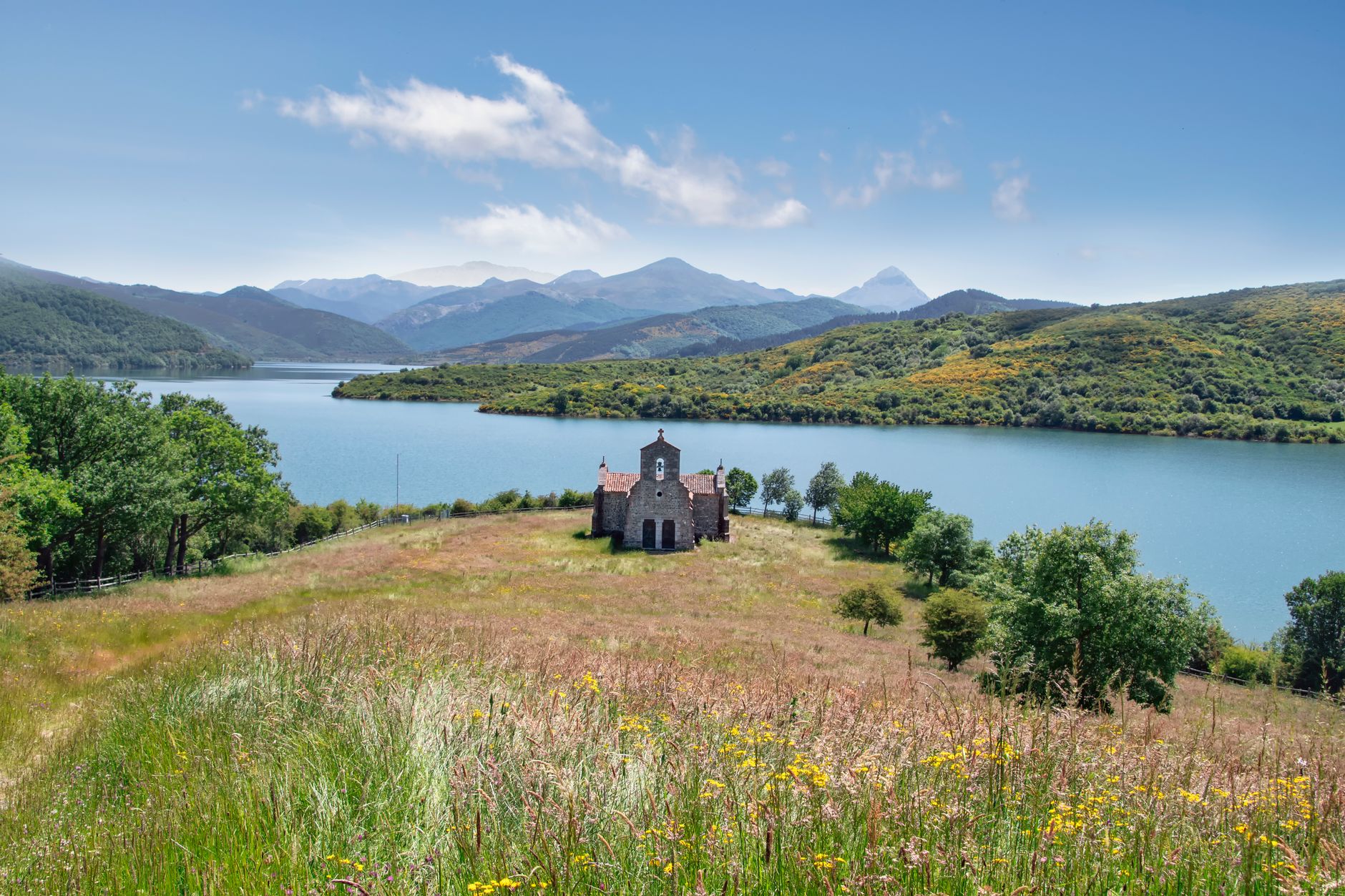
Entering the Tierras de Granadilla is crossing an invisible border where the rhythm of contemporary life loses its urgency. The region is organized around the Gabriel y Galán reservoir, whose calm waters once flooded fertile plains and forced a profound geographical and human reorganization. The landscape is dominated by Holm oaks and cork oaks sketching capricious silhouettes against the horizon, an ecosystem where the Iberian pig finds its natural habitat and where silence is only broken by the distant flight of a raptor.
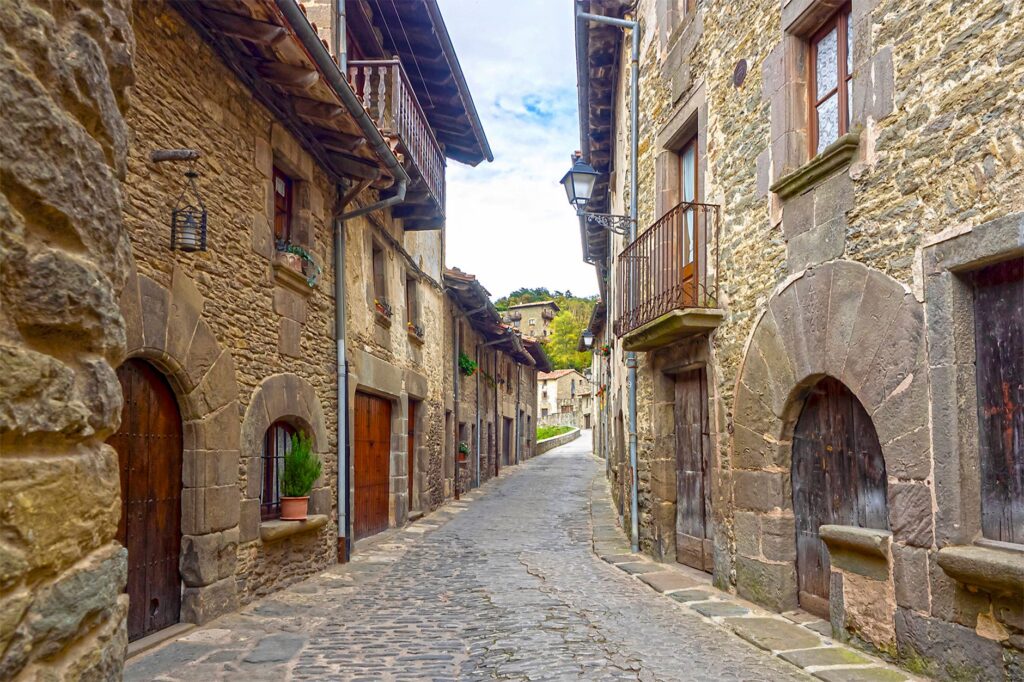
The villages dotting this territory preserve an architecture of granite stone, adobe, and noble wood. Here, depopulation is not an abstract figure published in official bulletins, but a palpable reality sensed in shuttered facades and porticoed squares where groups of elderly residents guard the oral memory of the region. Yet, far from desolation, this relative isolation has preserved traditional crafts, recipes passed down from mothers to daughters, and an almost reverential respect for the natural environment that is unusual in 21st-century Europe.
The Historical Footprint Among Oaks and Roman Roads
The history of Zarza de Granadilla and its surroundings is deeply marked by its strategic position. The celebrated Silver Route, the great Roman artery connecting Augusta Emerita with Asturica Augusta, ran through these lands, facilitating the transit of goods, legions, and cultures. Even today, in the outskirts of the municipality, it is possible to trace sections of the original stone road and bridges of Roman construction that defy the passage of centuries.
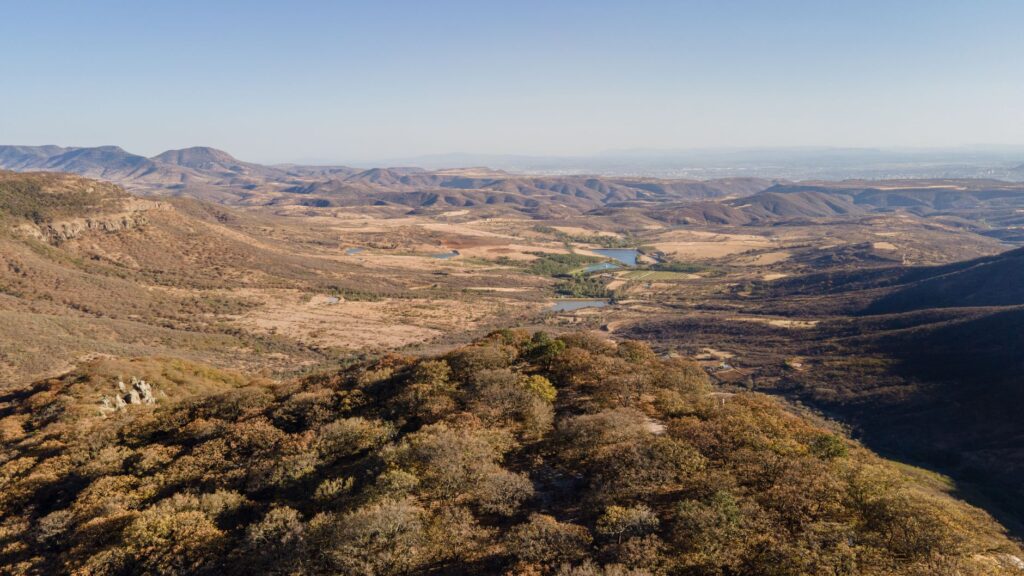
During the Middle Ages and the Reconquista period, the region became frontier territory, disputed and repopulated by military orders and Castilian and Extremaduran nobles. This crossroad condition left a monumental legacy surviving in isolated hermitages, manorial castles, and the urban layout of the villages, where each alleyway seems arranged for defense or to protect against the harsh climate of interior Extremadura.
Granadilla: The Phantom Village Resisting the Water
A few kilometers from the current core of Zarza lies one of the most singular and melancholic enclaves in all of Spanish geography: the walled town of Granadilla. Founded by Muslims in the 9th century under the name Galian-Adal as a strategic control point, this fortified stronghold was conquered by Ferdinand II of León in 1160. For centuries, it functioned as the capital of an extensive lordship that once housed over a thousand inhabitants.
Granadilla’s tragedy began in the second half of the 20th century, specifically in 1955, when the expropriation of the town and its arable lands was decreed due to the construction of the Gabriel y Galán reservoir. The rising water promised to isolate the town until it became an inaccessible peninsula. Although the water never flooded its walls, the Franco regime ordered the forced eviction of its residents, stripping them of their homes and way of life under the premise of hydraulic modernization that left an open wound in the collective soul of the region.
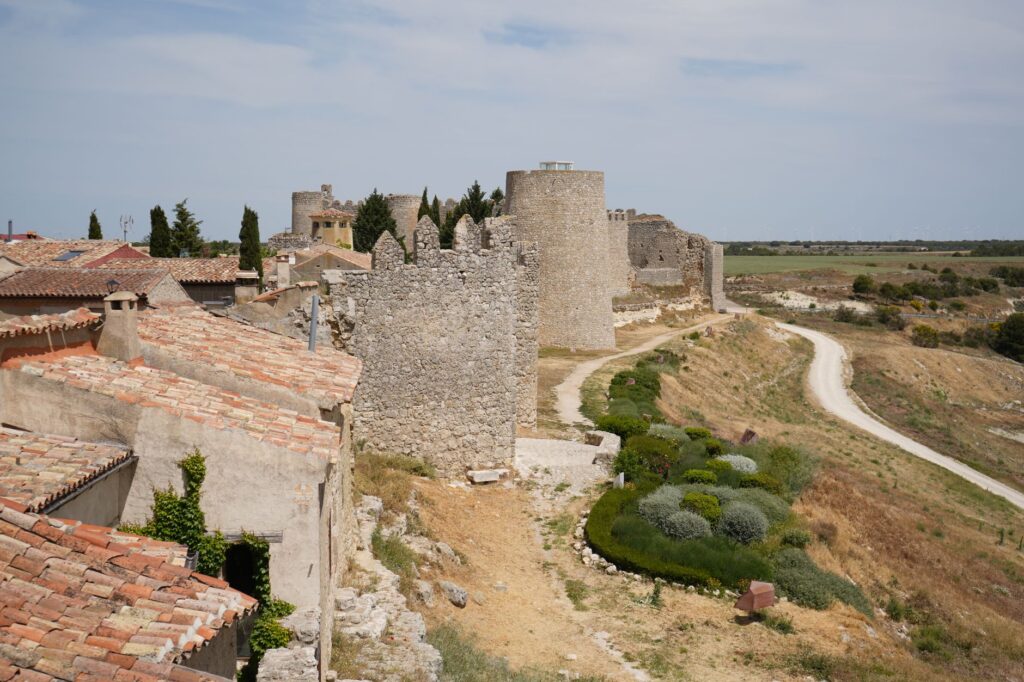
Today, declared a Historic-Artistic Site in 1980 and included since 1984 in the Abandoned Villages Recovery Program, Granadilla offers a breathtaking image. It is accessed via a single bridge crossing the reservoir waters, passing through extraordinarily well-preserved Almohad walls protecting an imposing castle commissioned by the Dukes of Alba in the 15th century.
Life Recovered in the Classrooms of Memory
Strolling through the cobblestone streets of Granadilla is an almost cinematic experience. Manor houses, blazoned palaces, and the parish church of La Asunción coexist with the rehabilitation of spaces that, during the academic year, fill with life once again thanks to young participants in state-run environmental and restoration workshops. There are no permanent residents, but the open doors of certain dependencies and careful garden maintenance prevent the location from falling into absolute oblivion.
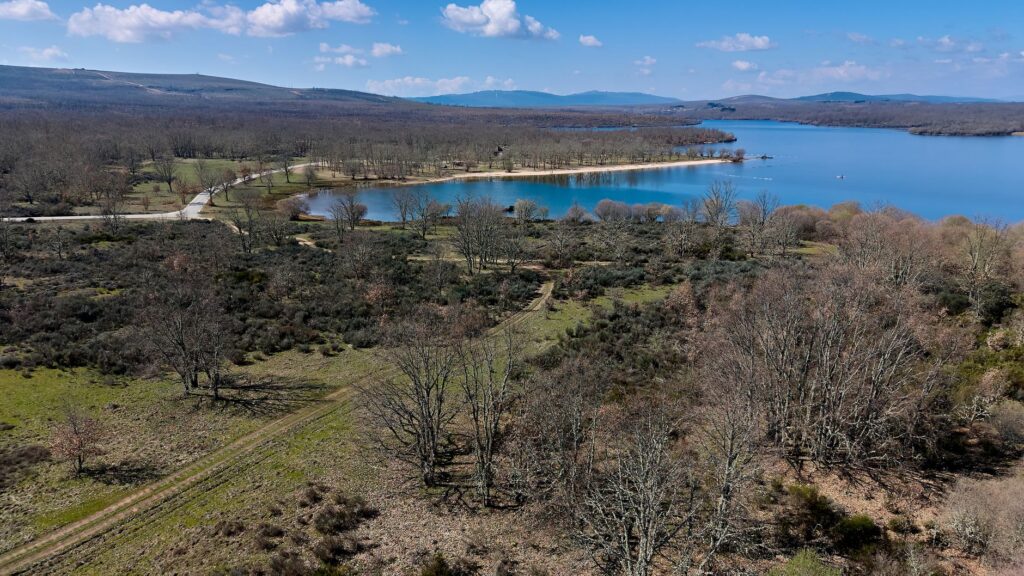
From atop the keep of the castle, views over the reservoir and the foothills of the Sierra de Gredos are of solemn beauty. The wind sweeps the battlements while the visitor mentally tries to reconstruct the bustle of the weekly market, the comings and goings of artisans, and the laughter of children who once played in these squares before a government decree erased their daily lives from the map.
The Sweet Secret: The Art of Perrunillas
Leaving behind the stone ghosts of Granadilla and returning to the urban center of Zarza de Granadilla, local culture manifests in a much more terrestrial, concrete, and delicious way. Traditional Extremaduran pastry finds one of its most authentic bulwarks in this municipality through perrunillas, a dry, robust sweet with an unmistakable texture that forms an inseparable part of local celebrations and daily life.
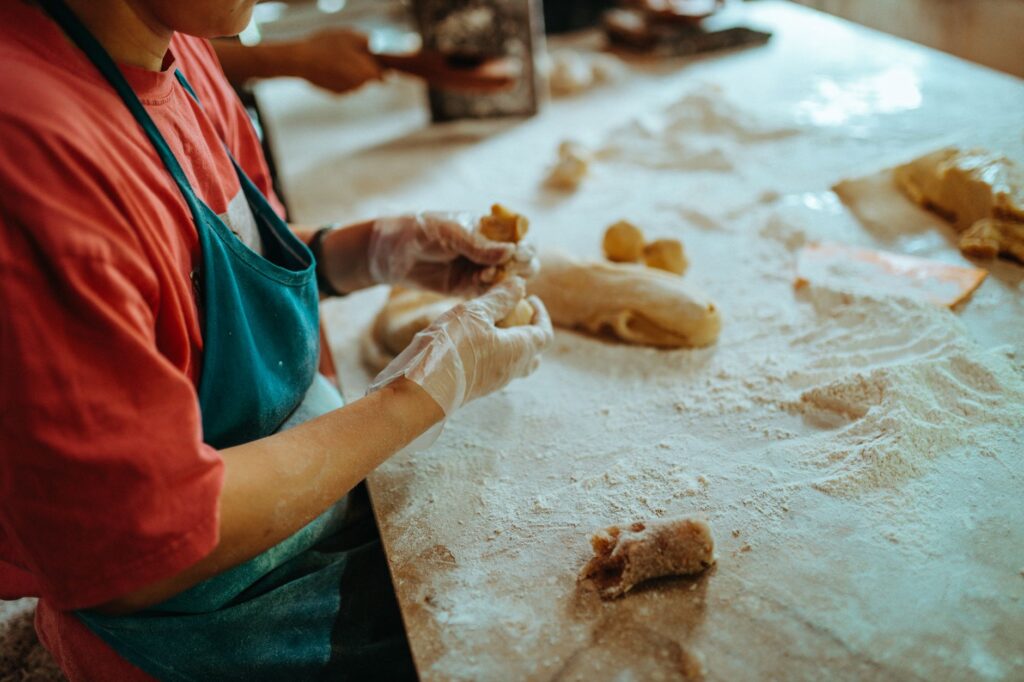
Zarza’s perrunillas are not an industrial product; they are the result of ancestral craftsmanship resisting disappearance. Made with top-quality Iberian pork lard, wheat flour, sugar, eggs, and a subtle touch of anise or lemon zest, these cookies are characterized by their ability to melt in the mouth despite their compact appearance. Their preparation requires patience, precise kneading, and the heat of traditional ovens that toast the surface evenly, leaving that characteristic cross or almond mark on top.
The perrunilla is not a simple sweet; it is a gustatory archive condensing the fat of the pastureland, the patience of slow fire, and the unwavering hospitality of a land that always offers coffee to those arriving from afar.
In the few traditional bakeries remaining open in the region, the trade of pastry chef is passed down as a family secret. Chatting with those who still make them by hand reveals the importance of local raw materials: without excellent lard and the necessary dough resting time, the perrunilla loses its soul. This small bite is, ultimately, an act of gastronomic resistance against global flavor standardization.
The Culinary Revolution of Versátil: A Star in the Pastureland
The great surprise of Zarza de Granadilla, the element placing this tiny dot on the map along the routes of the country’s most demanding gastronomes, is the restaurant Versátil. Awarded a Michelin star, this establishment represents the culmination of the dream of three brothers—Alejandro, Carlos, and José Manuel Hernández—who decided to bet on their homeland rather than seeking fortune in major capitals.
Located in a traditional manor house rehabilitated with exquisite taste, Versátil proposes a cuisine in permanent dialogue with the territory. Far from falling into decontextualized avant-garde fireworks, the Hernández brothers reinterpret Extremaduran recipes using contemporary techniques and a zero-kilometer pantry deeply linked to the pasturelands, rivers, and orchards of the region.
From Forest to Plate: Rooted Haute Cuisine
Sitting at the table of Versátil is embarking on a sensory journey through the Tierras de Granadilla. Their proposal coexists big game dishes—such as deer or wild boar treated with unusual finesse—with river fish reinterpretations, seasonal mushrooms foraged in nearby forests, and vegetables from small local producers bringing vibrant freshness to every course.
Respect for the product is balanced with a rigorous wine list highlighting emerging regional wines of Extremadura, often unjustly overlooked by the general public. Versátil proves that haute cuisine does not need major metropolises to flourish, but talent, memory, and deep emotional connection with the sustaining landscape, turning Zarza de Granadilla into an inescapable benchmark of national gastronomic tourism.
Practical guide
How to get there
Zarza de Granadilla is located in the north of the Cáceres province. The best way to arrive is by private vehicle via the A-66 highway (Silver Route), taking the exit toward EX-370 in the direction of Plasencia / Zarza de Granadilla. The nearest airport with national and international connections is Madrid-Barajas, located about three hours away by road.
When to go
Spring (April to June) and autumn (October to November) are the ideal seasons to visit the region. In spring, fields burst into green and floral explosion; in autumn, chestnut and oak forests offer unmatched chromatic spectacles, optimal for mushroom hunting and game season.
Where to eat and sleep
The pinnacle of the gastronomic offer is restaurant Versátil (Zarza de Granadilla), reservation months in advance is essential. For accommodation, the area features charming rural houses integrated into traditional architecture, as well as boutique hotels in neighboring towns like Hervás or Granadilla (during authorized daytime visits).
Visit tips
To visit the village of Granadilla, it is advisable to check official opening hours in advance, as they depend on the Ministry for Ecological Transition and Demographic Challenge. Absolute respect for heritage and the natural environment is mandatory, avoiding littering and walking exclusively on enabled paths.
The Final Echo of a Territory Refusing to Dissolve
Leaving Zarza de Granadilla, when the silhouette of Holm oaks begins to merge with early evening shadows and sun reflections fade over the calm reservoir waters, a hard-to-classify feeling remains. It is not the sterile melancholy of lost places, but the comforting certainty that redoubts exist where authenticity remains the primary language of daily life.
In this northern corner of Extremadura, where the tragic history of a flooded village coexists with creative audacity of a Michelin star and unalterable sweetness of a patience-baked perrunilla, memory is not an exercise in nostalgia, but a foundation upon which to build the future. The Tierras de Granadilla do not demand loud headlines or tourist crowds; they demand something far more valuable: time, attention, and the sincere disposition to listen to what silence has to say.
Source in Condé Nast Traveler Spain: Zarza de Granadilla: un pueblo vaciado, perrunillas y un restaurante con estrella