
The Genesis of a Coastal Colossus
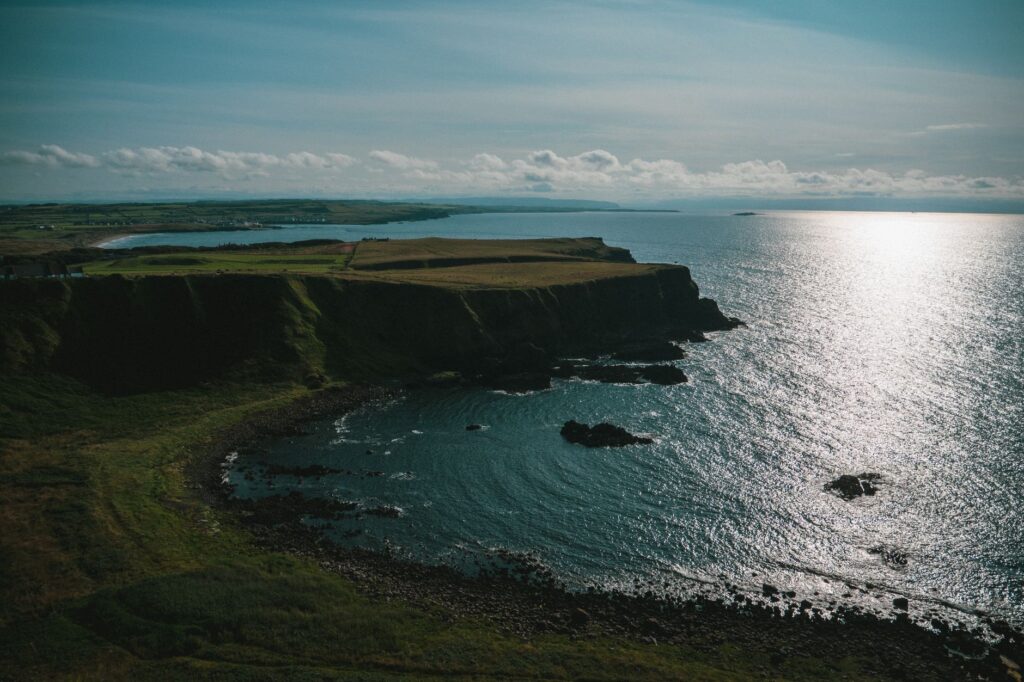
For decades, tourism in the Republic of Ireland gravitated heavily around Dublin, interior castles, and the traditional southern circuits. However, the western landscape—a jagged tear of basaltic cliffs, salt-whipped peninsulas, and Gaelic-speaking communities of cultural resistance—remained a scattered secret, accessible only to adventurous travelers willing to navigate fragmented infrastructure. The consolidation of the Wild Atlantic Way was not merely the designation of a scenic drive; it constituted a large-scale territorial re-engineering driven by Failte Ireland to decentralize visitor flows and provide cohesion to two thousand five hundred kilometers of Atlantic coastline.
This road artery, formally inaugurated to connect Kinsale in County Cork with Malin Head in northernmost Donegal, has become the backbone of an unprecedented transformation. It is not solely about asphalt and tourist signage, but rather an identity-building project that has forced local communities to rethink their relationship with the land. The phenomenon has generated a remarkable economic upturn, yet it has also sparked a profound debate regarding the carrying capacity of fragile ecosystems and the preservation of an ancestral way of life against the momentum of global mass tourism.
The Socioeconomic Pulse of Atlantic Communities
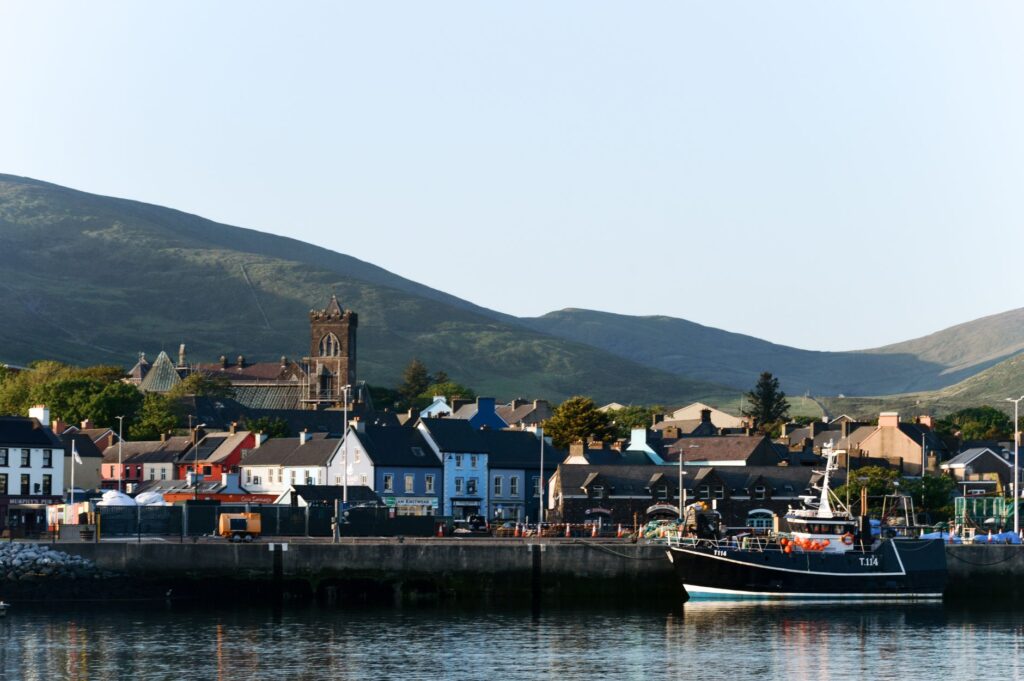
The impact of the route on the local economy is undeniable. Former fishing villages and rural enclaves that suffered continuous demographic bleeding due to youth emigration have found in the service sector and experiential tourism an engine for population retention. Small initiatives in sustainable accommodation, artisan bakeries, surf schools, and local guide projects have proliferated along the route. This boom has revitalized the commercial fabric, allowing traditional trades linked to wool texturing, basketry, and artisanal fishing to find new channels for valorization and direct commercialization with the traveler.
However, this accelerated growth is not without structural friction. In counties like Kerry, Clare, or Galway, the housing market suffers severe tensions due to the proliferation of properties dedicated to vacation rentals, hindering access to housing for permanent residents. Local authorities and neighborhood associations are immersed in the search for complex regulatory balances that allow them to sustain tourism prosperity without unravelling the community fabric that inherently attracts visitors seeking authenticity.
The true value of the Wild Atlantic Way does not lie in the grandeur of its cliffs, but in the cultural resilience of those who have historically inhabited this edge of the world.
Vernacular Architecture and Mobility on the Atlantic Cornice
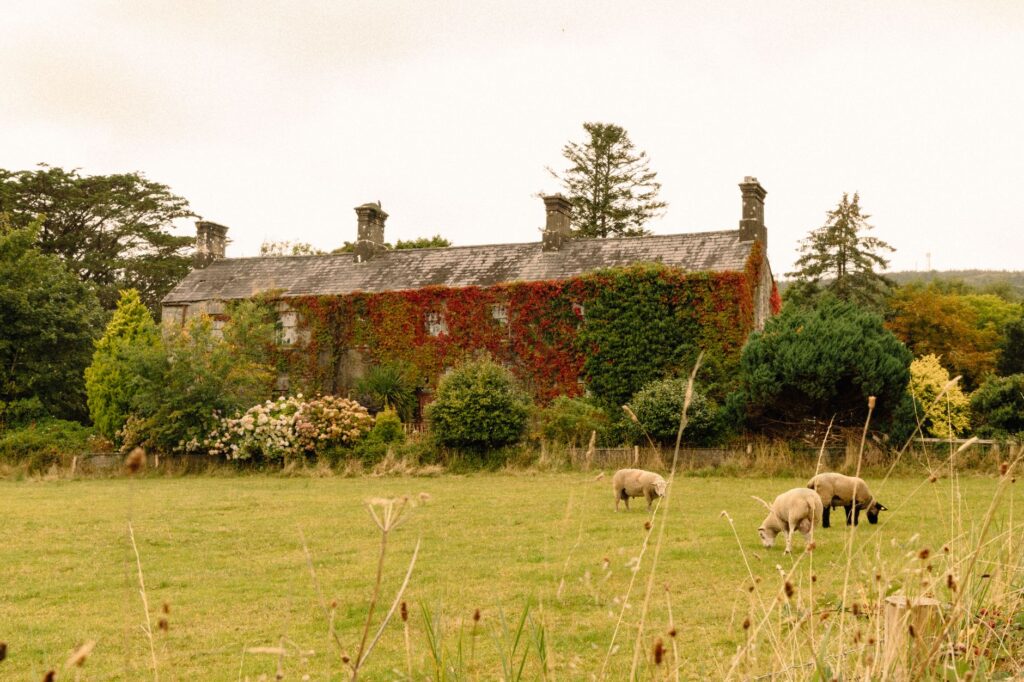
Traveling this coastal corridor requires understanding the evolution of its vernacular architecture and the mobility challenges associated with it. Traditional dry-stone houses, designed to withstand Atlantic storms with slate or thatch roofs secured by netting, now coexist with contemporary bioclimatic design interventions that integrate large glass panels to merge the domestic interior with the fury of the marine landscape. These new constructions dialogue with the environment through the use of local materials such as sandstone and treated timber, minimizing visual impact in protected landscapes.
Regarding mobility, the massive flow of private vehicles has historically congested the narrow secondary roads winding through capes and peninsulas. In response, the administration has begun promoting sustainable mobility corridors, encouraging the use of electric bicycles on specific stretches of the route and improving seasonal public transport connections. These measures aim to mitigate the carbon footprint and reduce congestion in high-concentration points such as the Cliffs of Moher or the Ring of Kerry, where pressure on fragile dune and cliff ecosystems is most critical.
The Resurrection of Gaelic Traditions
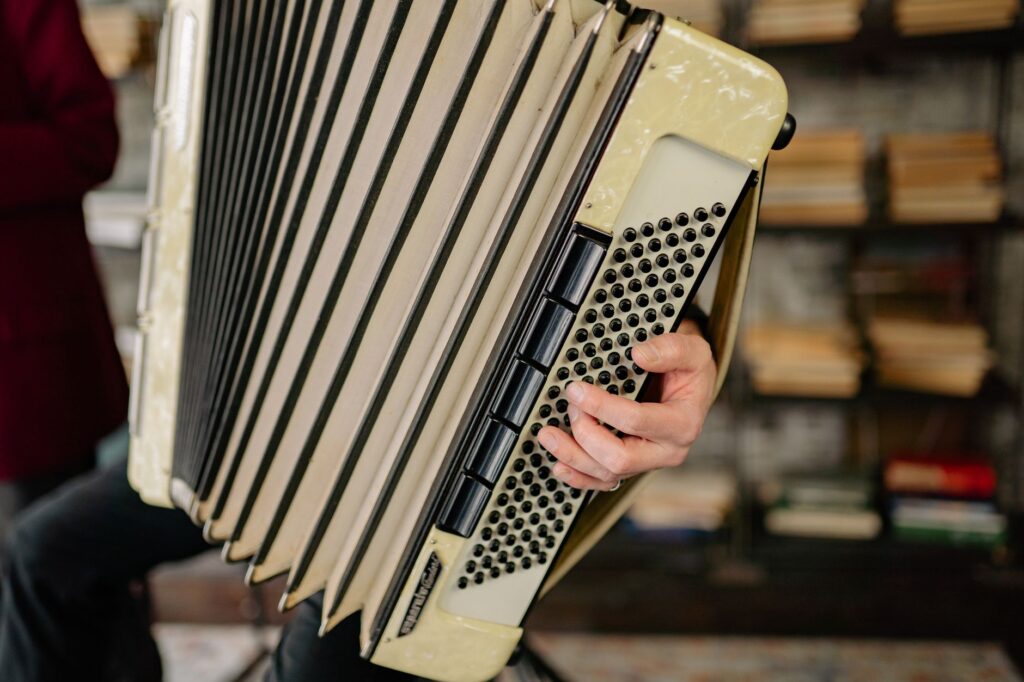
Beyond material impact, the Wild Atlantic Way has acted as a catalyst for championing the Gaeltachtaí, regions where the Irish language (gaeilge) remains the community’s vehicular tongue. For decades, Gaelic suffered a steady retreat against the advance of English. Nevertheless, the contemporary traveler’s interest in genuine cultural expressions—live music in local pubs, oral storytelling, traditional poetry, and sean-nós (a cappella) singing festivals—has breathed new generational pride into native speakers.
This cultural renaissance manifests in the creation of literary festivals and musical gatherings that attract both international and domestic tourists. Traditional taverns, where music was once played almost clandestinely or strictly domestically, have transformed into spaces for intercultural exchange. In these venues, the performance of the fiddle, the wooden flute, and the bodhrán functions as a universal language transcending the linguistic barrier, consolidating a cultural tourism model based on active listening and mutual respect.
Coastal Gastronomy: From Sea and Pasture to Plate
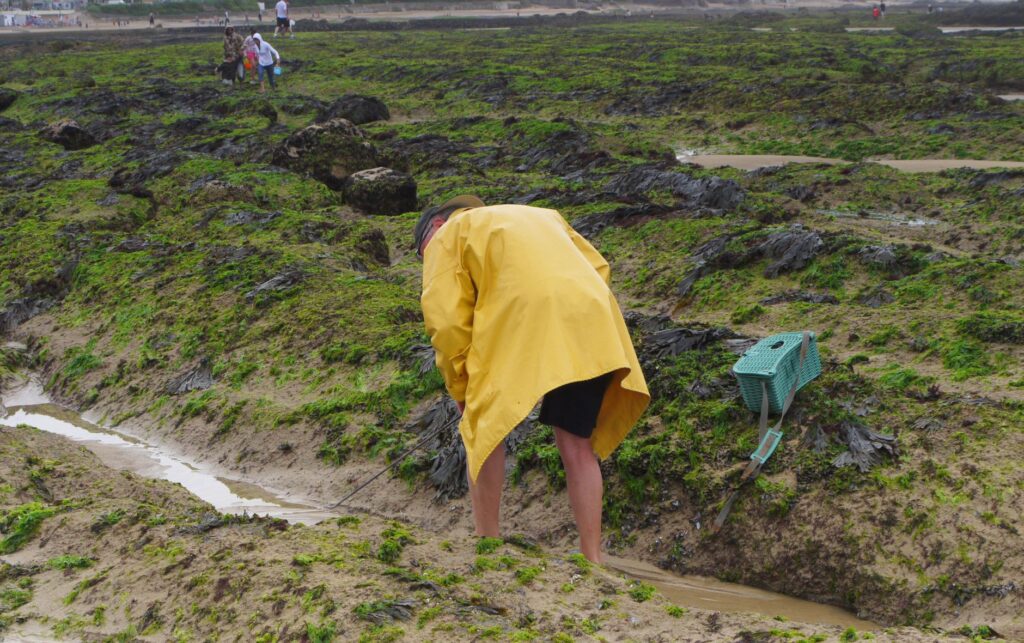
The culinary revolution experienced along the western coast is another pillar supporting the route’s success. The Atlantic larder, characterized by the purity of its waters and the richness of its coastal pastures, has transitioned from a subsistence diet to a benchmark of global sustainable gastronomy. Local chefs and young restaurateurs revive ancestral techniques such as cold peat-smoking, fermentation, and salting, applied to zero-kilometer products like rock shellfish, salt marsh lamb, and hand-harvested wild seaweeds during low tides.
This culinary movement has established a network of local producer markets operating across the nine counties spanned by the route. Consumers no longer simply seek a standardized dining experience, but rather a narrative tied to the origin of the product. Knowing the fisherman who pulled the lobster from Clew Bay or the farmer raising Kerry cattle on the slopes of Mount Brandon adds an ethical and sensory dimension that significantly enriches the traveler’s stay in the territory.
Environmental Conservation and Natural Space Management
The exponential increase in visitors poses major challenges for the conservation of invaluable natural habitats. Seabird nesting zones, ancient peat bogs, and fragile dune systems suffer constant anthropogenic pressure. Environmental conservation organizations and state agencies have intensified ecological restoration programs, installing elevated wooden walkways to channel pedestrian traffic and prevent erosion of sensitive soils, and promoting awareness campaigns regarding waste management and wildlife respect.
Water management and energy footprints in the western coast’s tourism infrastructure have also undergone strict regulatory changes. Accommodations operating along the Wild Atlantic Way must comply with rigorous energy efficiency and water resource management standards, given that many of these communities are located on isolated islands or peninsulas with limited supply networks. Sustainability is no longer an optional value-added feature but an indispensable requirement for long-term viability.
Practical guide
How to get there: Dublin and Shannon international airports are the primary gateways. Shannon offers a direct and immediate connection to the central section of the route, while Dublin requires a transverse drive of approximately two hours westward via motorway before connecting to the coastal layout.
When to visit: The months of May, June, and September offer the best balance between favorable weather conditions, extended daylight hours, and lower traffic density compared to the summer peak of July and August. The Atlantic winter, while fascinating for the severity of its storms, presents operational limitations in rural accommodations and services.
Transport: Renting a moderately sized vehicle is practically essential to flexibly navigate the more remote stretches of Counties Clare, Mayo, and Donegal. It is crucial to exercise extreme caution on single-lane secondary roads (boreens), originally designed for pedestrian or livestock transit.
Accommodation: It is recommended to prioritize traditional guest houses (B&Bs) run by local families and small boutique hotels integrated into rehabilitated historical buildings, ensuring that the economic impact of the overnight stay directly benefits the local economy.
Emotional Epilogue: The Silence of Dusk at the Edges of Europe
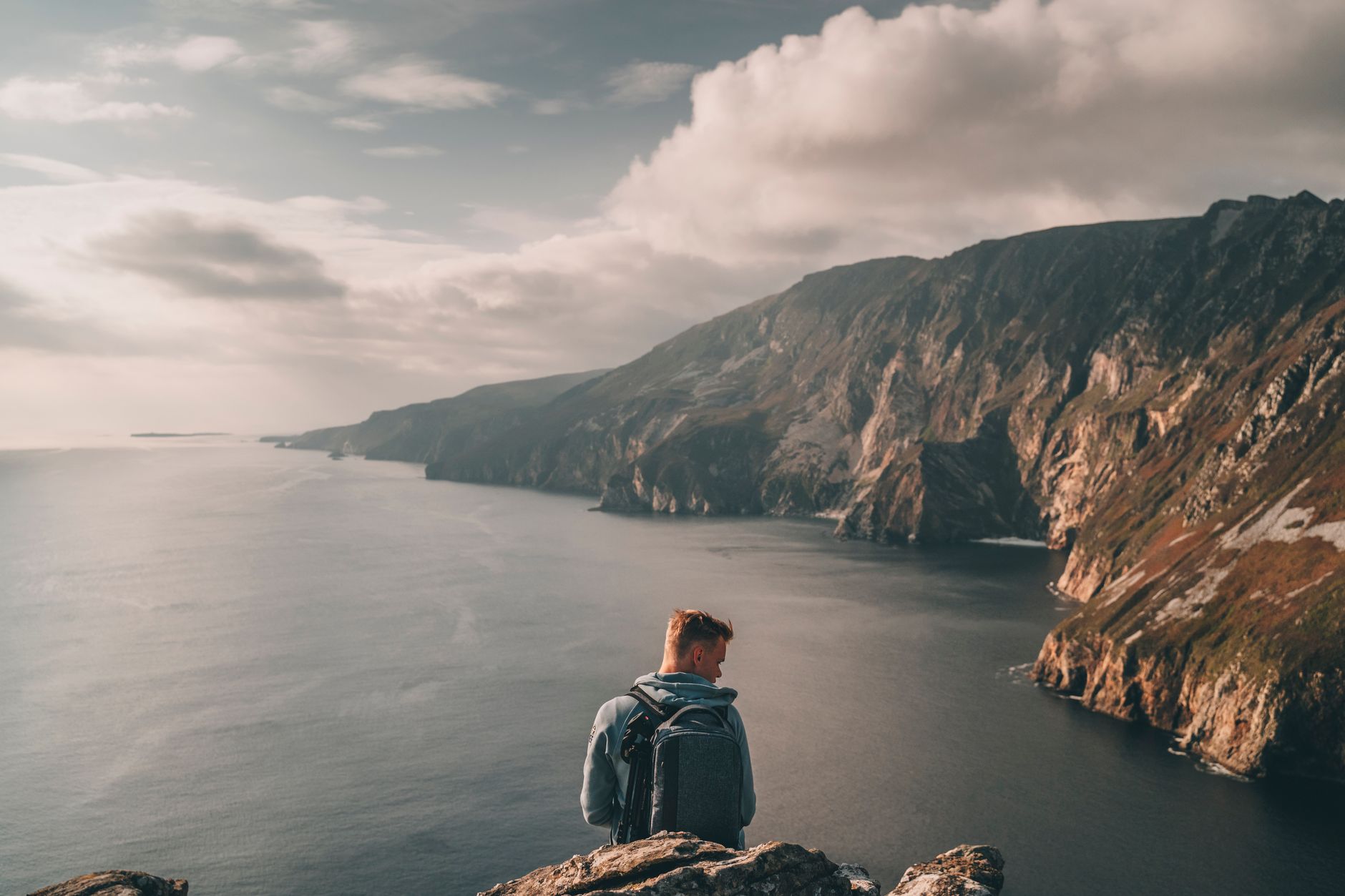
When the sun begins its definitive descent over the Atlantic Ocean at the Slieve League cliffs, the constant roar of the waves against the rock seems to soften, giving way to an almost ceremonial stillness. In that fleeting moment, when the sky ignites in ocher and violet tones and the air becomes saturated with saline moisture, the true magnitude of this territory is understood. The Wild Atlantic Way is neither merely a geographical itinerary nor a tourism product designed for growth statistics; it is a threshold between dizzying modernity and the persistence of an unaltered landscape that continues to mark, with the millennial patience of the tides, the deepest heartbeat of Ireland.
Source in EN: Nomad Lawyer, coverage on the impact of the Wild Atlantic Way on Irish tourism.