
The Call of the Great Pyrenean Traverse
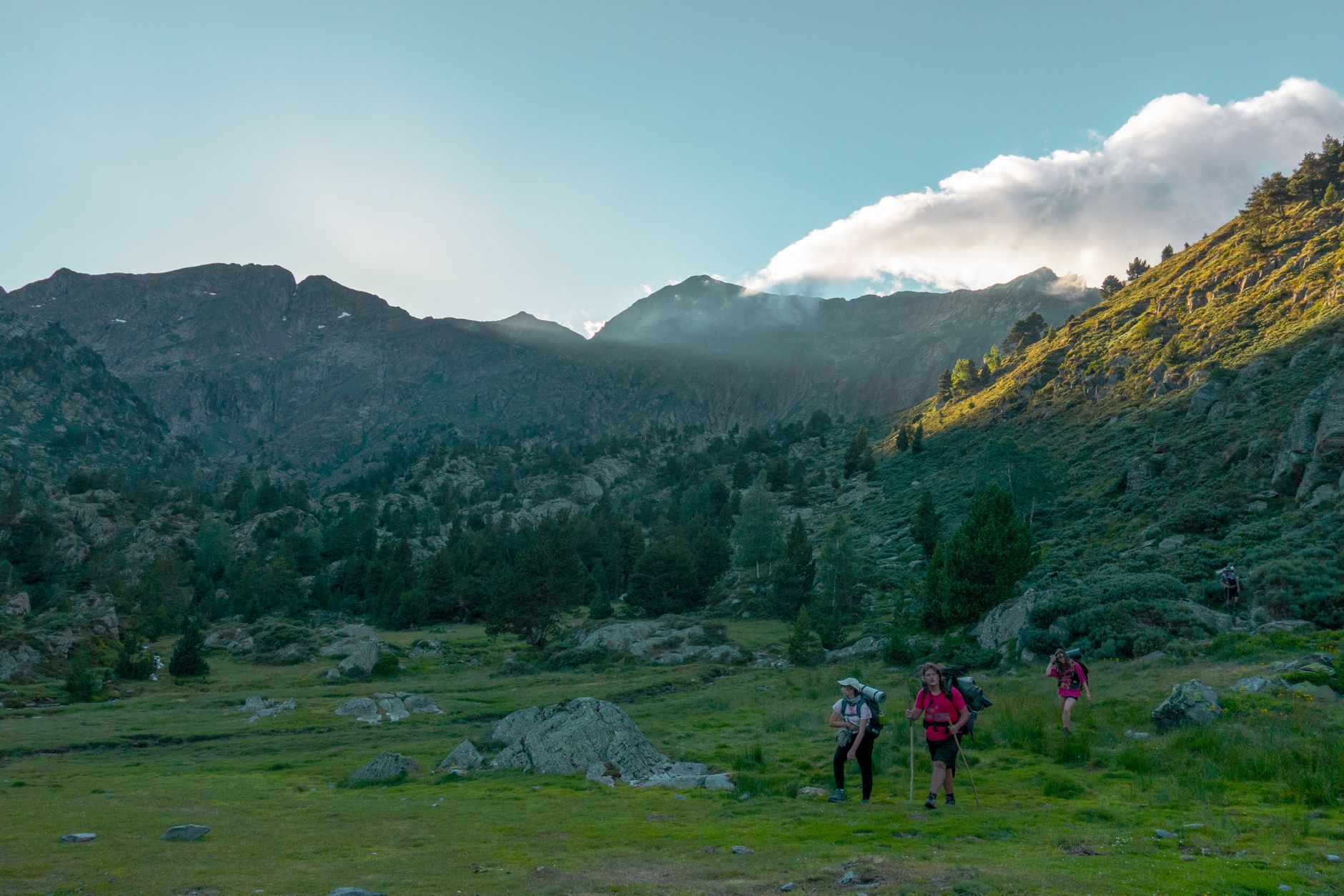
The Pyrenean High Route, internationally known as the HRP from its French acronym, represents one of the most demanding and rewarding pedestrian challenges on the European continent. Unlike marked long-distance trails such as the GR10 or GR11, which run relatively parallel along the northern and southern slopes respectively, the HRP traces a bold and often exposed itinerary that weaves across the continental divide, grazing ridges, vertigo-inducing mountain passes, and remote valleys. This route does not seek the comfort of waymarked paths, but rather a direct communion with the purest architecture of the range, requiring the trekker to possess solid technical competence, route-finding skills in complex terrain, and exceptional alpine maturity.
Planning a traverse of this magnitude entails understanding that the Pyrenees are not a lesser version of the Alps, but a mountain range with a distinct personality, marked by shifting weather, a capricious glacial topography, and immense ecological richness. Every day of walking involves a constant exercise in landscape reading, where the hiker must critically evaluate snow conditions at high altitudes, scree stability, and the evolution of summer thermal storms that typically form with absolute punctuality from midday onward.
The Geography of the Gorge and the Invisible Border
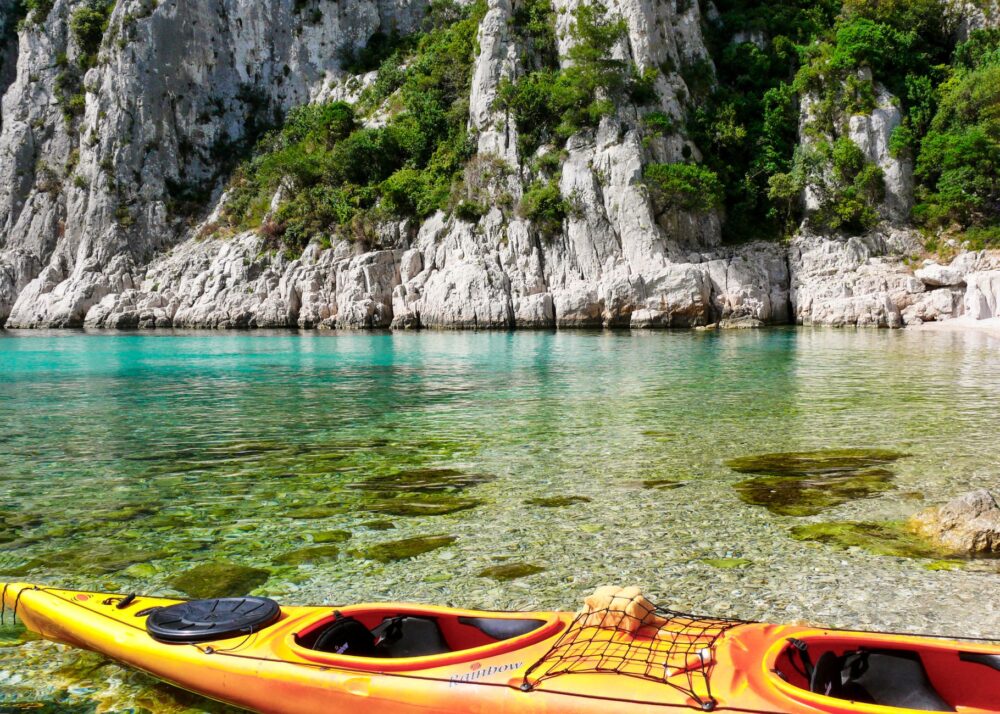
The layout of the HRP connects the Cantabrian Sea with the Mediterranean over more than eight hundred kilometers, though it is the central stages that concentrate the true alpine essence. From the western limestone massifs to eastern granite giants like Aneto, Posets, or Pica d’Estats, the relief evolves radically. Grayish, labyrinthine karst formations give way to sharp needles, turquoise tarns, and glacial cirques sculpted by millennia of ice recession.

This invisible border between Spain and France has historically functioned as a transit space for shepherds, smugglers, exiles, and naturalists. Walking these high mountain passes today means traversing a geological and human archive where every stone cairn tells a story of survival and adaptation. The authorities of the national and regional parks along the route demand absolute respect for this fragile ecosystem, where iconic species such as the chamois, the bearded vulture, and the marmot share a habitat that has barely succumbed to mass tourism.
Temporal Planning and Weather Management
Defining the appropriate seasonal window is the critical factor determining the success or failure of an HRP expedition. As a general rule, the optimal period extends from early July to mid-September. Outside this window, persistent snowfields in high-altitude passes—many exceeding 2,500 meters above sea level—turn simple crossings into icy traps that require the systematic use of crampons and ice axes.
Atlantic winds collide frontally against the Pyrenean barrier, generating severe local phenomena such as the dreaded foehn wind or sudden squalls that reduce visibility to mere meters within minutes. For this reason, the backpack must be conceived as an autonomous survival system. Classical navigation equipment, consisting of detailed topographic maps and a barometric altimeter, must be complemented by updated GPS devices, keeping in mind that battery drain in cold environments requires carrying secondary power sources.

The mountain does not yield to haste nor negotiate with improvisation; it demands the humility to turn back when the elements decide to enforce their law.
Refuge Logistics and Food Self-Sufficiency
Along the itinerary, the network of serviced refuges provides vital respite for overnight stays and resupply, allowing trekkers to lighten their pack weight by avoiding the need to carry tents and rations for the entire multi-week journey. However, high demand during peak summer months requires booking months in advance, a process that limits flexibility on the trail and demands strict adherence to the planned daily schedule.
In wilder sections where serviced refuges are absent or closed off-season, unserviced shelters or shepherd huts come into play. These basic, Spartan dwellings require exquisite respect from users, leaving firewood prepared and the space impeccably clean for the next traveler. Water management, meanwhile, although seemingly abundant thanks to springs and meltwater streams, requires reliable purification methods to avoid pathogens from livestock grazing freely in high pastures.
Nutrition, Weight, and the Art of Ultralight Traveling
Carrying the right gear without compromising joints is one of the modern mountaineer’s greatest dilemmas. The golden rule dictates that the total weight of the pack, laden with water and provisions for three days, should not exceed twenty percent of the porter’s body weight. This forces an uncompromising selection process, prioritizing quick-drying technical garments, ultralight sleep systems, and high-calorie dehydrated rations.

Hydration and steady energy intake are the pillars that prevent exhaustion on prolonged ascents, which frequently exceed 1,500 cumulative meters per day. Dried fruits, high-density energy bars, and a hot, carbohydrate-rich dinner are indispensable fuels to repair muscles after ten hours of marching across granite blocks and unstable scree.
The Human Factor and the Ethics of the Traverse
Beyond the physical challenge and technical mastery, the Pyrenean High Route prompts profound reflection on the pace of contemporary life. In a hyperconnected world where immediacy is the norm, walking for weeks with no compass other than the horizon returns humans to a natural timescale. The chosen solitude of bivouacs beneath the stars and the spontaneous camaraderie that arises in refuges with mountaineers of diverse nationalities shape a unique social experience.

This experience carries an inescapable ethical responsibility: the principle of Leave No Trace. Managing personal waste, prohibiting fires outside authorized areas, and respecting endemic flora—such as the iconic Pyrenean saxifrage—ensure that future generations can continue to enjoy this geological sanctuary in its most pristine state.
The true value of a summit is not measured by the altitude reached above sea level, but by the depth of inner silence experienced upon descending from it.
Practical guide
How to get there: Main access points to the mountain range vary depending on the chosen sector. For western valleys, San Sebastián and Pau operate as excellent transport hubs with rail and air connections. For the central and eastern sectors, Toulouse, Barcelona, and Zaragoza provide access via scheduled buses and regional trains right to the doorstep of Ordesa National Park or Aigüestortes Natural Park.
Best time to visit: July 1 to September 15. Outside these dates, avalanche risks, hard snow conditions, and the closure of the refuge network turn the route into a winter high-mountain activity reserved exclusively for experienced mountaineers with specific technical gear.

Essential gear: High-cut trekking boots with high-traction soles (Vibram or similar), waterproof jacket with breathable membrane (GORE-TEX or equivalent), technical mountain trousers, merino wool layering system, trekking poles with summer baskets, advanced first aid kit, emergency blanket, headlamp with spare batteries, physical topographic map, compass, and UV or chemical water purification system.
Estimated budget: Budget between €55 and €85 per day per person if choosing to stay and dine in the network of serviced refuges. The autonomous camping and bivouac option drastically reduces daily expenses, limiting costs to provisions purchased in valley villages.
Epilogue in the Mist of High Passes
When dusk light begins to dye limestone walls with fire and high-mountain silence envelops everything, the traverse reveals its most intimate dimension. The fatigue accumulated in knees and the remaining kilometers to the next valley no longer matter; what prevails is the certainty of having walked in harmony with the earth, measuring every step with respect and awareness. The Pyrenees, with their proud elegance and indomitable spirit, bid farewell to the trekker not with a final goodbye, but with the silent promise that their ridges will always be there, waiting for those who know how to listen to the heartbeat of stone.