
The Nefud Desert is not merely a vast expanse of red sand and star dunes in the northern Arabian Peninsula; it is a continental sea where geography imposes severe laws on human mobility. For centuries, incense and spice caravan routes crossed this sandy depression, taking advantage of seasonal underground wells and the ancestral knowledge of Bedouin tribes. Today, modernity has transformed the region’s map, but the survival of the northern oasis settlements between the provinces of Hail and Al-Jawf still rests upon a transport infrastructure as precarious as it is fascinating. This report examines the delicate intermodal balance that sustains life on the edge of this hyper-arid environment.
Understanding the logistics of the Nefud requires abandoning any analogy with conventional road networks. Here, asphalt is an ephemeral exception that soon gives way to dirt tracks and moving ruts carved by four-wheel drive. As main highways attempt to bypass the dune field through lengthy routes, true daily connectivity is structured through fleets of modified utility vehicles, heavy-duty tanker trucks, and an invisible network of satellite coordinates shared by local transporters. The sovereignty of the territory belongs to those who master tire pressure and wind reading.
The Geography of Sand: Between Colossal Ergs and Basalt Plateaus
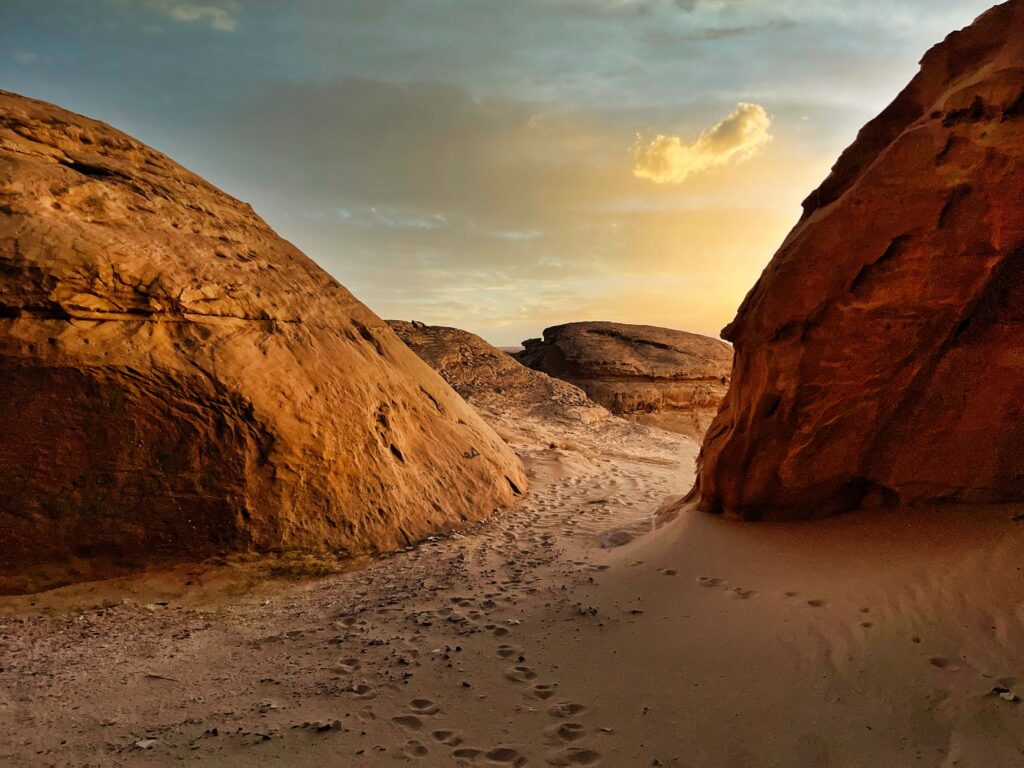
The territory of the Great Nefud spans more than 65,000 square kilometers of transverse dunes, known locally as uruq, whose crests can reach heights comparable to multi-story buildings. This extreme topography acts as an impassable natural barrier for conventional transport. Connections between northern settlements and central Saudi Arabia depend on strategic passes where the sand is compacted thanks to rocky outcrops and the occasional action of winter rains.
To the north, the basalt plateaus of Harrat al-Uwayrid and the alluvial valleys descending toward Al-Jawf shape a transitional landscape. In these areas, volcanic stone sharpens the terrain, wearing down the chassis of commercial vehicles and demanding constant maintenance. The transport network must contend not only with extreme summer heat, which routinely exceeds fifty degrees Celsius in the shade, but also with seasonal sandstorms that erase tracks within minutes, isolating entire communities.

The Backbone of the Route: Peripheral Asphalt Versus Interior Tracks
The national road network has attempted to encircle the Nefud through major highways connecting Hail, Sakaka, and Arar. These fast roads allow the transit of heavy goods and passengers between the kingdom’s major urban centers, but leave small agricultural settlements and grazing wells in the heart of the depression disconnected. To reach these points, it is necessary to leave the asphalt behind and venture into a secondary network of gravel and compacted sand tracks.
These interior routes are informally maintained by the users themselves and local cooperatives of herders and farmers. There are no conventional road signs; instead, orientation relies on stone cairns, tire remnants, or visual references of unique geological formations. The lack of official signage turns every trip into an operation requiring technical expertise, extra fuel, and a deep respect for the desert’s unpredictability.
Four-Wheel Drive Fleets: The Evolution of Private and Commercial Transport
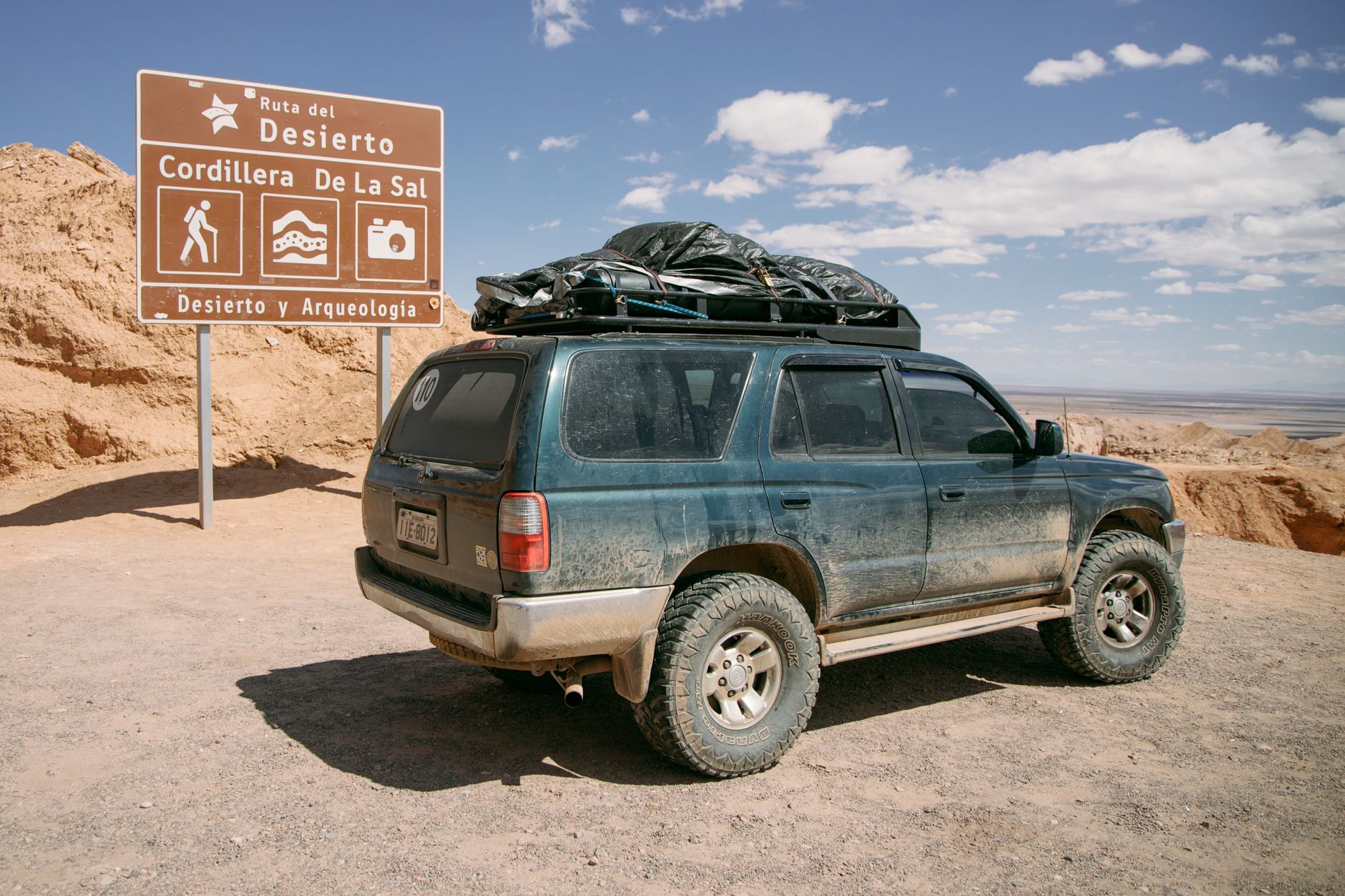
The utility vehicle and light dual-traction truck are the true protagonists of mobility in the Nefud. Conventional passenger cars are useless a few meters off paved roads. Local fleets are composed mostly of high-displacement pickup trucks equipped with rapid tire inflation and deflation systems, recovery tools, and auxiliary water and fuel tanks.
These machines are not a luxury, but an indispensable survival tool. They transport everything from fresh food and medicines to spare parts for agricultural water pumps. Local drivers, true navigators of the desert, operate with millimetric precision, calculating the speed and angle of attack necessary to clear soft sand crests without stalling the vehicle in the process.
Water Logistics: Tanker Trucks and the Vital Network of Oases
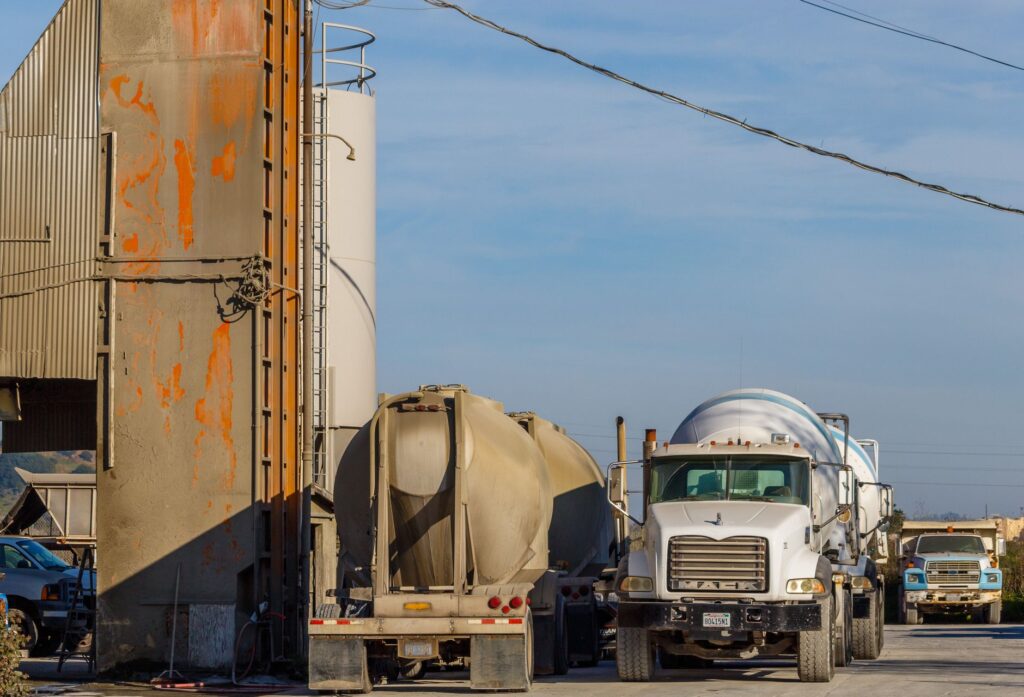
No analysis of transport in the Nefud would be complete without addressing water logistics. Historic northern oases, such as Jubbah or Al-Qasab, depend absolutely on external supplies to supplement local aquifers threatened by agricultural overexploitation. Fleets of water tankers traverse desert tracks daily, transporting thousands of liters of fresh water to agricultural farms and nomadic camps.
This heavy traffic generates extraordinary wear and tear on dirt tracks, creating deep ruts that hinder the transit of lighter vehicles. Managing this water supply network requires millimetric coordination between local authorities and private transporters, who must avoid the central hours of the day to prevent engine overheating and guarantee the stability of liquid cargo on shifting terrain.
The desert tolerates no mechanical improvisation; every liter of fuel and every tightened nut in the workshop defines the border between connectivity and absolute isolation.
Light Aviation and Emergency Runways in the Sand Sea
Given the vastness of the territory and the difficulties of land journeys during storms or extreme heat, light aviation and helicopters play a crucial role in emergency connectivity. While there is no regular commercial air transport network operating within the desert, emergency medical services and rescue patrols use packed-dirt airstrips near the most remote enclaves.
These improvised airstrips allow for the rapid medical evacuation of the injured or seriously ill, as well as the urgent replenishment of supplies during prolonged isolation. Coordination between ground rescue teams and air operators represents one of the most sophisticated and least known links in the transport infrastructure of northern Saudi Arabia.
The Impact of Heritage Tourism and Corridor Modernization
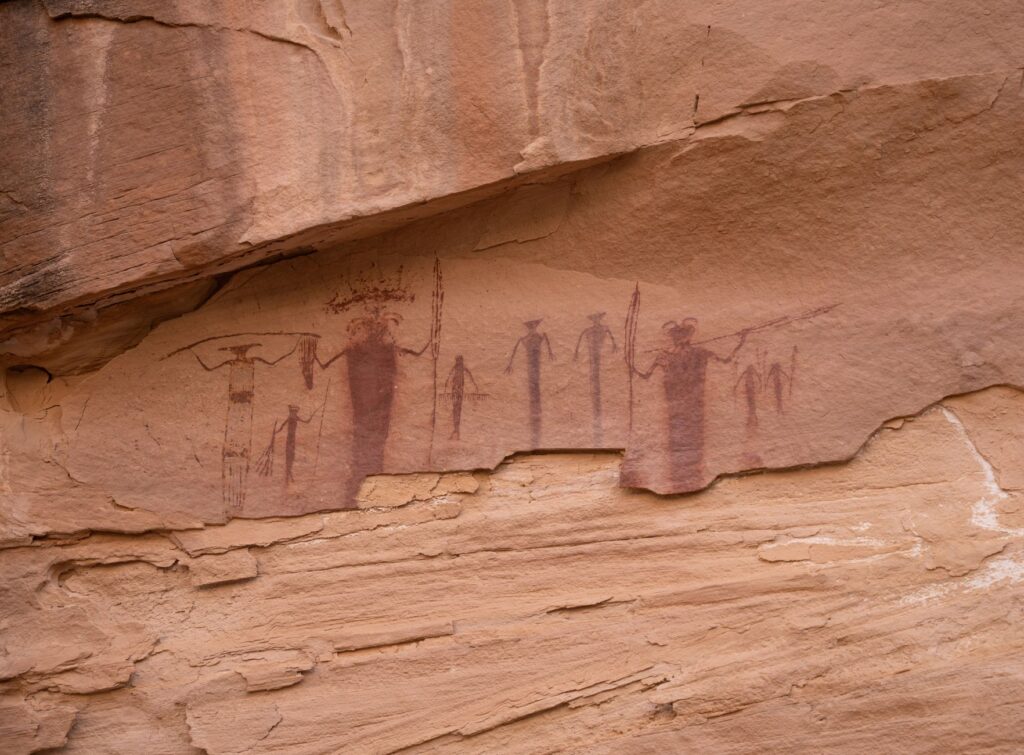
In recent years, the discovery and enhancement of world-class archaeological sites, such as the rock art of Jubbah, have driven a transformation in regional infrastructure policy. Heritage tourism demands safe and accessible road corridors for international visitors, leading the government to pave some of the busiest secondary routes toward major historical enclaves.
However, this paving process generates a complex debate between the need for economic development and the preservation of the desert’s remote and pristine character. Transport experts warn that excessive paving could disrupt fragile ecosystems and irrevocably alter traditional grazing routes, shifting the balance between the modern traveler and the natural environment.
Practical guide
How to get there: The main gateway to the northern Nefud is the city of Hail, connected via regular flights from Riyadh and Jeddah, or through a network of high-capacity national highways.
Best time to visit: Between November and February, when daytime temperatures are moderate and the risk of extreme sandstorms decreases significantly compared to summer months.
Mobility requirements: Venturing into the interior of the desert is strictly prohibited without a four-wheel-drive vehicle in perfect condition, an authorized local guide, and satellite communication systems.
Accommodation: Modern hotels are available in Hail and Sakaka, while in smaller oases, options are limited to organized traditional camps and small local guesthouses.
Health and safety precautions: Carry at least ten liters of drinking water per person per day, broad-spectrum sun protection, and appropriate clothing to withstand nighttime thermal swings.
The Silent Beat of Modern Caravans
The Nefud Desert continues to demand respect and humility from those who dare to cross it. Despite technological advances, stabilized tracks, and the precision of satellite navigation systems, the essence of travel in this region remains profoundly human. Every water tanker driver, every Bedouin guide, and every engineer keeping this precarious network operational embodies the resilience of a culture adapted to adversity.
Observing dusk over the red dunes, with the distant hum of a diesel engine defying the sea of sand, reveals the true dimension of this intermodal system. It is not simply about connecting geographic points on a map, but about preserving the invisible thread that keeps life beating in one of the most beautiful and ruthless landscapes on the planet.