The arrival of the Gastech energy summit in Bangkok represents far more than an economic milestone for the kingdom; it serves as an exceptional opportunity for urban reinterpretation. From September 14 to 17, the metropolis transforms into the epicenter of a complex dialogue where heavy infrastructure, corporate innovation, and Thailand’s rich aesthetic tradition collide and mutually reinforce one another. Faced with a projected influx of over 50,000 international professionals, the Tourism Authority of Thailand (TAT) has crafted a cultural and design intervention designed to transcend conventional business tourism, turning delegates’ visits into a profound immersion in Asian modernity.
This strategic deployment highlights how contemporary metropolises must manage their visual and patrimonial identity when hosting massive global flows. Far from offering the standard tourist postcard tropes, Bangkok’s institutional and creative proposal for this conclave rests on a clear premise: demonstrating that industrial efficiency and artistic sensibility can coexist within the urban fabric of the 21st century. Through exhibition corridors, ephemeral architectural interventions, and curated routes, the city presents itself as a living laboratory where design is not mere superficial decoration, but the driving engine organizing the human experience.
The convergence of energy, aesthetics, and urban design
The landing of Gastech at the Queen Sirikit National Convention Center (QSNCC) evidences Bangkok’s maturity as a host for events of planetary magnitude. The venue itself, recently redesigned with criteria of sustainable architecture and light monumentality, establishes a fluid dialogue between exposed concrete, local timber, and expansive glass panels inviting natural light. This architectural container is far from neutral; it conditions the visitor’s gaze and predisposes them to an interpretation where industrial aesthetics merge with the tradition of Thai hospitality.

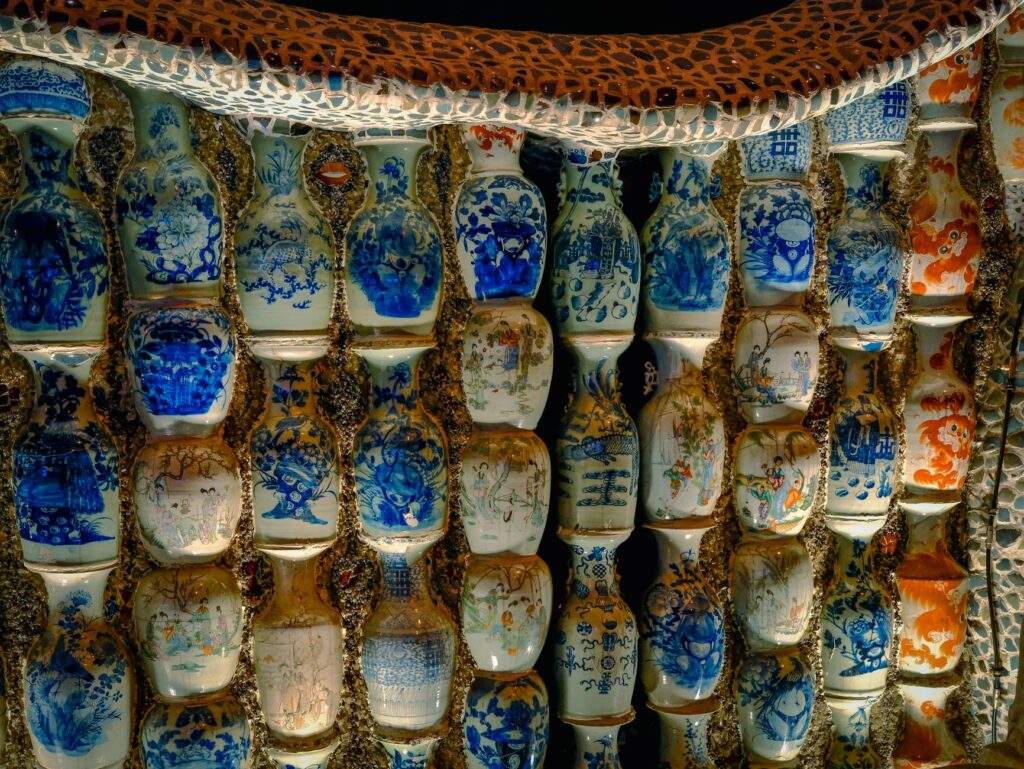
For the more than 50,000 attendees traversing the exhibition halls these days, the transition between the technical rigor of energy debates and the creative buzz of the street is constant. The TAT has arranged a series of strategic installations in the convention center’s entryways and common areas, conceived by young Thai design studios. These pieces reinterpret vernacular materials such as bamboo and artisanal ceramics through digital cutting and parametric modeling techniques, proving that Thailand’s craft heritage possesses a direct runway toward the most demanding contemporary design.
The creative pulse of Bangkok’s design districts
Beyond plenary sessions and corporate panel discussions, the ultimate proving ground for delegates lies in exploring the city’s creative districts. Areas like Charoen Krung and Ari have consolidated in recent years as the epicenters of a quiet aesthetic revolution, where former port warehouses and mid-20th-century residences house independent galleries, product design studios, and specialty coffee shops engaging with colonial and modernist architecture.
In Charoen Krung, for instance, the contrast between the Chao Phraya River and the dense network of alleys choked with electrical wiring generates a unique urban set design. Here, local designers rescue traditional textile techniques and transform them into urban furniture and vanguard fashion. The TAT has articulated specific routes allowing Gastech attendees to immerse themselves in this ecosystem during their free time, stepping away from closed mass-tourism circuits to connect with the real creative energy of a capital in perpetual mutation.

Gastronomy and engineering: haute cuisine as edible design
Bangkok’s gastronomic phenomenon cannot be understood independently of its evolution in spatial design and management. During Gastech week, Thai haute cuisine—which combines the anthropological research of native ingredients with Western laboratory techniques—becomes a premier cultural and diplomatic tool. Local and international chefs collaborate in private dinners and pop-ups tailored exclusively for delegates, where each dish serves as a lesson in chromatic balance, texture, and geometry.
This approach transcends mere culinary pleasure, turning into a multisensory experience. The design of the utensils, the overhead lighting of the tables, and the acoustics of clandestine dining rooms situated in restored teak mansions demonstrate that the gastronomic experience in Bangkok is a total exercise in interior design and cultural narrative. Visitors thus discover that street food and haute cuisine share an identical respect for ingredients and an equal obsession with aesthetic precision.
Sustainability and heritage: the challenge of metropolitan scale
Welcoming a tide of over 50,000 professionals demands a radical rethinking of urban mobility and logistics. Bangkok, a city historically conditioned by vehicular traffic and its complex network of canals, has accelerated the integration of its mass transit systems—the underground metro (MRT) and elevated train (BTS)—with electric ferry fleets operating on the Chao Phraya River. This commitment to sustainable intermodality not only facilitates the transit of congress attendees but redraws the public’s visual relationship with water.
Urban planning experts accompanying the summit point out that these types of events act as catalysts for long-awaited urban improvements. The temporary pedestrianization of certain stretches and the creation of temporary green corridors around exhibition venues showcase a friendlier, more walkable city model. The TAT’s tourism strategy leverages this juncture to educate visitors on the complex management of a tropical megalopolis, highlighting local efforts to mitigate environmental impact without sacrificing economic dynamism.

Spaces of silence and contemplation in the megalopolis
At the opposite extreme from the bustling exhibition halls and congested traffic arteries, Bangkok preserves havens of millennia-old spirituality and architectural design that invite pause. Spaces such as the Wat Traimit temple complex or the interior courtyards of the National Museum offer an indispensable visual counterpoint to understand the soul of the city. The symmetry of overlapping roofs, the subdued gleam of gold leaf, and the unhurried rhythm of monks in their morning routines structure a spatial order diametrically opposed to corporate frenzy.
For Gastech delegates, these compounds function as aesthetic and mental truces. Local cultural curators have observed that foreign visitors’ interest in religious architecture has evolved: the goal is no longer the mere accumulation of monumental photographs, but the geometric and symbolic comprehension of sacred spaces. The use of natural light, cross-ventilation through traditional lathwork, and the integration of Zen-inspired interior gardens demonstrate that traditional Thai architecture already solved bioclimatic problems that modern construction is struggling to recover today with costly technologies.
The aesthetic legacy of an unprecedented gathering
When the doors of Gastech close and the more than 50,000 delegates embark on their journeys home, the impact of this conclave on Bangkok’s visual and tourist identity will endure. The initiative by the Tourism Authority of Thailand will have demonstrated that major industrial gatherings do not need to be events isolated from their surroundings, but rather platforms to redefine the relationship between a nation and its global visitors through culture, design, and mutual respect.

The experience accumulated during these four days of September consolidates the Thai capital not only as a top-tier energy and financial hub in Southeast Asia, but as a beacon of urban creativity. By fusing the monumental scale of global industry with artisanal detail and the country’s characteristic hospitality, Bangkok reaffirms its position on the contemporary design map, proving that its greatest appeal lies in its infinite capacity to reinvent itself without losing its essence.
Practical guide
Getting around: Prioritize the use of the BTS Skytrain and the MRT underground metro to avoid road congestion. For trips toward piers and riverside areas, public ferries and express boats along the Chao Phraya River offer a fast and visually stimulating alternative.
Institutional connectivity: Gastech delegates can access the TAT tourist information desks located in the main lobby of the QSNCC, where detailed bilingual maps featuring design routes and recommended cultural agendas are distributed.
Gastronomy and reservations: To dine at award-winning haute cuisine restaurants in the Charoen Krung and Thonglor districts during summit week, advance reservations at least one month ahead are strongly recommended due to high corporate demand.
Dress code: Although business attire (business suit or jacket without tie) is standard within the exhibition halls and business meetings, visitors exploring creative districts and temples should wear lightweight linen clothing, comfortable footwear, and garments covering shoulders and knees out of cultural respect.
Source in EN: Nation Thailand