
Southern Tenerife is routinely synonymous with massive hotel complexes, crowded beaches, and a sun-and-sand tourism model geared toward uncomplicated leisure. Yet, a short distance from that epicentre of mass tourism, the island’s eastern coast harbors realities where the balance between a tourist-driven economy and local preservation is debated through entirely different tools. Candelaria, universally known for the basilica guarding the patron saint of the archipelago, has decided to take a decisive step forward in destination management by joining and promoting the SICTED program. This is not merely a decorative certificate hung in a municipal office, but a methodical attempt to streamline processes, unify quality standards, and ensure that sector growth does not devour the resources that make it possible.
This report examines how the municipality confronts the challenge of sustainable tourism through this system promoted by the Spanish State Secretariat for Tourism. Over the following sections, we will explore the backstory of this implementation, the role of small businesses and local guides, the fragility of the coastline, and the urgent need to diversify the offer so travelers understand that Candelaria is more than just a bus stop on the way to the basilica—it is a living territory with a dense historical, ethnographic, and environmental layer that demands respect and pause.
The Pulse Between Faith, Tides, and Modern Management
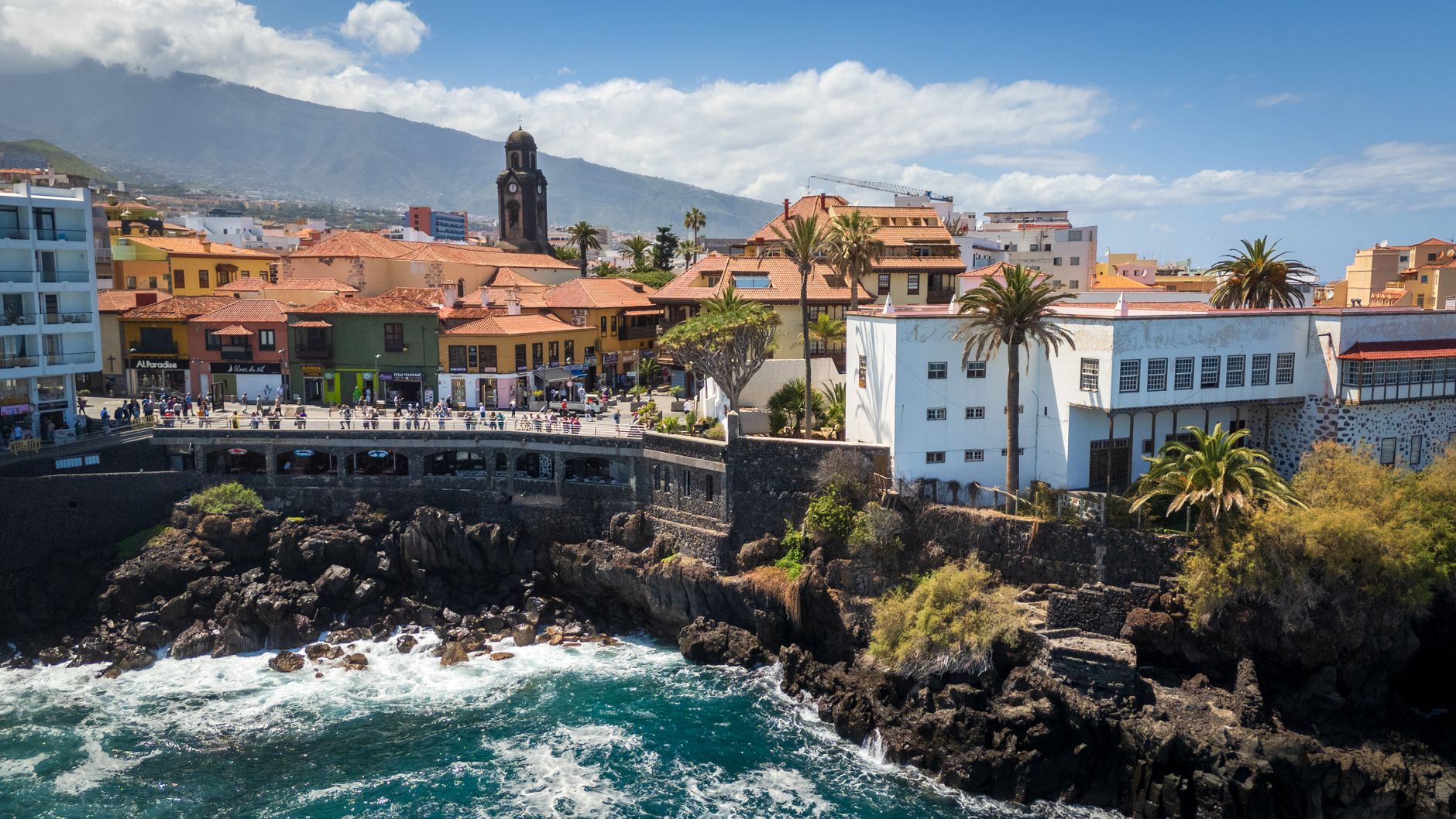
Understanding Candelaria requires looking at the Atlantic Ocean with the same perspective the ancient Guanches used when gazing at the horizon. The municipal coastal strip has historically been a point of landfall, trade, and devotion. Today, the steady arrival of buses loaded with visitors places considerable pressure on public space, especially around the Plaza de la Patrona de Canarias. The SICTED program intervenes precisely at this critical juncture, offering tourism service providers—from fresh fish restaurants to small rural accommodations and craft shops—a common methodology to measure and improve their daily performance.
Implementing these tourist quality standards in such a traditional setting is not without friction. On one hand, local business owners value the seal as a guarantee of professionalism and an attraction for visitors increasingly demanding safety and hygiene. On the other hand, there is a grounded fear that bureaucracy might suffocate the authenticity characterizing the small commerce of the Villa Mariana. The key to success, according to municipal technicians overseeing the process, lies in adapting best practice manuals to the human scale of the municipality, preventing the initiative from becoming a mere corporate marketing label.
The Silent Transformation of the Commercial Fabric
One of the fundamental pillars supporting SICTED in Candelaria is the continuous training of personnel in direct contact with tourists. Waiters, receptionists, shopkeepers, and taxi drivers act as the true ambassadors of the destination. Through specific workshops, these professionals learn not only how to handle complaints or optimize energy consumption in their establishments, but also how to convey accurate information regarding the municipality’s natural and historical heritage. Tourist quality ceases to be an abstract concept and becomes a transversal competency permeating every daily interaction.
This professionalization of service directly impacts the retention of economic value within the municipality. When a visitor receives excellent care and is guided toward local products—such as traditional local pottery or regional wines—tourism spending is distributed more equitably among self-employed workers and micro-enterprises. This breaks the dynamic of the one-hour tourist who barely consumes a coffee and leaves the municipality without a positive, tangible impact on the local economy.
Seafaring Architecture and Heritage Against Wear and Tear
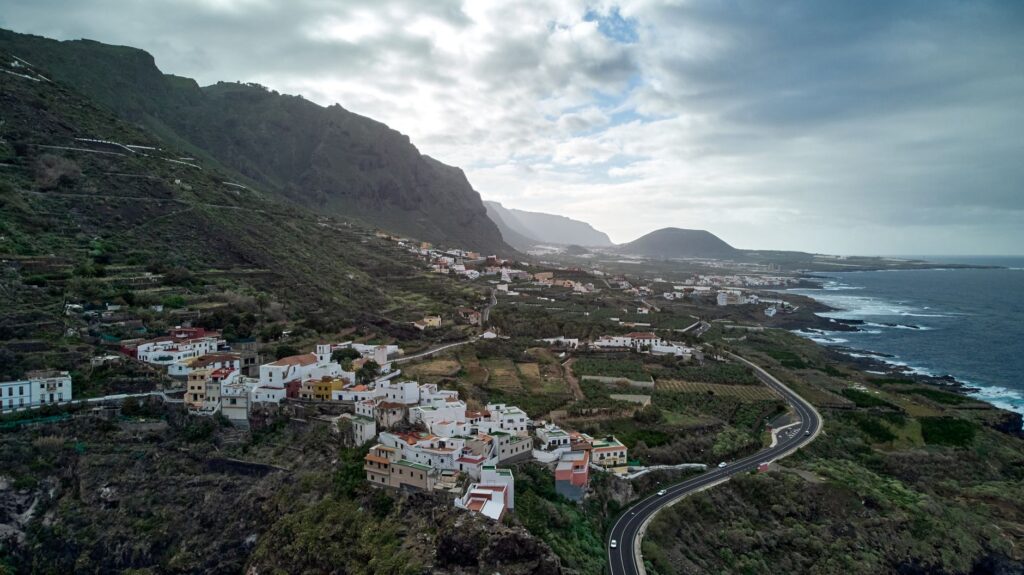
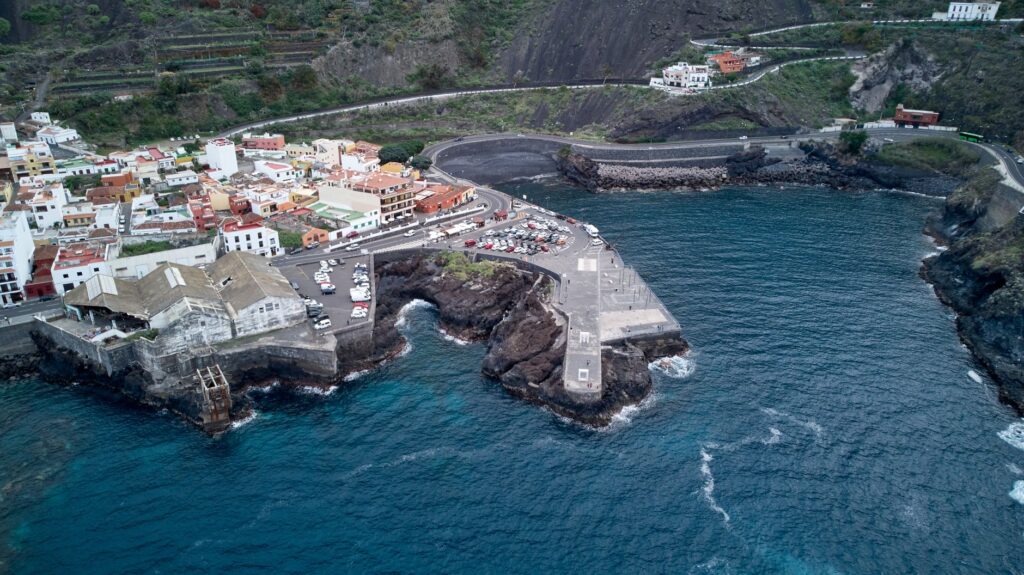
The architectural and ethnographic heritage of Candelaria is fragile. Traditional houses in coastal neighborhoods, old public washhouses, and maritime corners like El Caletón suffer the combined onslaught of marine salinity and the real estate pressure of recent decades. The quality model promoted in the municipality includes specific guidelines for urban environment preservation, urging owners and public administrations to maintain traditional aesthetic and construction criteria.
The challenge consists of integrating universal accessibility and contemporary safety regulations without distorting the historical physiognomy of the streets leading to the sea. Heritage conservation should not be understood as a static museum exercise, but as a pact of coexistence between the resident inhabiting the space and the traveler temporarily passing through. SICTED guidelines help establishments located in unique buildings reconcile energy efficiency with the protection of protected architectural elements, demonstrating that modernization and respect for the past are not mutually exclusive terms.
Redefining Flows: Beyond the Main Square
One of the chronic problems of tourism in Candelaria is the excessive concentration of visitors in a very small perimeter during peak daylight hours. Tour buses arrive, park, travelers tour the basilica, photograph the sculptures of the Guanche menceyes, and return to the vehicle. To mitigate this punctual overcrowding and enrich the experience, current sustainability strategies promote the creation of pedestrian and cycling routes connecting the historic center with middle neighborhoods and the southern coastal trails.
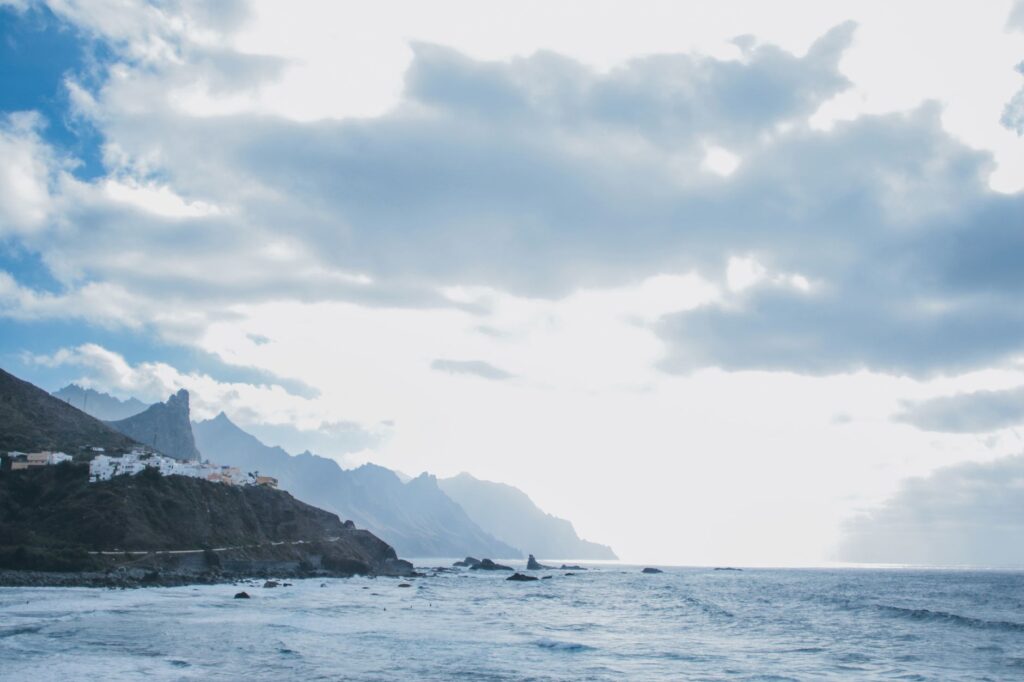
These alternative routes help divert some of the flow toward enclaves of high scenic and geological value, such as the cliffs and volcanic black sand beaches nearby. Decentralizing activity reduces pressure on the neuralgic center and invites longer stays. Travelers thus discover a rural and agricultural Candelaria, where banana cultivation and terraced gardens configure a cultural landscape worthy of unhurried exploration.

Environmental Sustainability and Waste Management on the Coastline
No tourism quality program can be considered serious if it ignores the ecological dimension and the environmental impact of the sector. Candelaria’s coastal strip, exposed to ocean energy, requires strict waste management policies, water consumption optimization, and marine biodiversity protection. Restaurants adhering to SICTED have progressively implemented the reduction of single-use plastics, the selective separation of oils and organic matter, and the promotion of zero-kilometer produce on their menus.
At the institutional level, the local council works on improving sanitation infrastructure and raising environmental awareness among swimmers and divers. The health of the coastline is the most reliable thermometer of a coastal destination’s sustainability. If water quality declines or the coast degrades, the tourism narrative collapses. Therefore, periodic bathing water checks and constant cleaning of coves form an inseparable part of the commitments acquired under this quality umbrella.
The Community Voice: Citizen Participation and Social Balance
Sustainable tourism cannot be designed exclusively in technical offices or business association boardrooms; it requires the active involvement of the neighborhood. In Candelaria, the debate over the development model generates mixed opinions between those who see the sector as the primary economic lifeline and those who fear the loss of identity and rising housing costs. Citizen participation forums promoted in parallel with the implementation of quality plans seek to channel these tensions and find meeting points.
The preservation of local traditions, such as the festivity of the Virgen del Carmen or maritime processions, acts as a cohesive element. When tourism is integrated respectfully into these community dynamics, it ceases to be an external, invasive element and becomes a shared celebration. SICTED training workshops also emphasize the importance of making visitors aware of respect for rules of coexistence and local customs, reminding them that the visited destination is, above all, the daily home of thousands of people.
Practical guide
How to get there: Candelaria is located on the eastern coast of Tenerife, about 20 kilometers south of Santa Cruz de Tenerife. It is easily accessible by car via the TF-1 highway (signposted exits) or through the extensive Titsa interurban bus network connecting the capital to the south of the island.
When to visit: Although the Canarian climate is mild year-round, visiting outside peak midday hours is recommended if peace and quiet in the historic center are desired. The months of February (winter Candelaria festivities) and August (main festivity on August 15) concentrate massive influxes of devotees and tourists, offering a vibrant atmosphere but hindering unhurried visits.
Where to get information: The municipal Tourism Office, located near the Plaza de la Patrona de Canarias, offers detailed maps of pedestrian routes, information on establishments adhering to quality programs, and updated schedules for cultural spaces.
Responsible gastronomy: Look for establishments displaying tourist quality badges or local products. It is advisable to taste fresh coastal fish (such as vieja or cherne) accompanied by wrinkly potatoes and mojo, always prioritizing seasonal and local produce.
The Emotional Horizon of a Transforming Destination
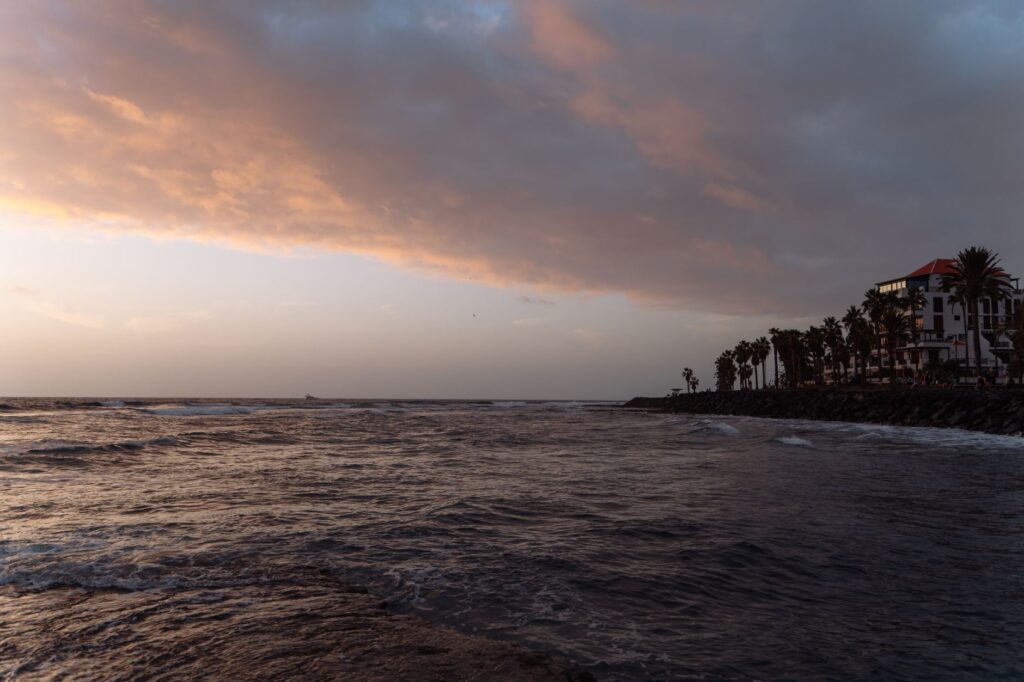
Watching the sunset from the boardwalk in Candelaria, with the silhouette of the basilica cutting against a sky set ablaze by the last rays of sun and the rhythmic sound of waves crashing against the breakwater, reveals the true dimension of the journey. Behind bureaucratic acronyms, quality audits, and best practice manuals, what is truly at stake is the preservation of the soul of a seafaring town. The advance toward sustainability is not a fixed goal reached upon receiving a diploma, but a daily path of compromises and adjustments, a constant exercise in balance between openness to the world and the defense of one’s own identity. At that fragile meeting point between ancient faith and the demands of modern tourism, Candelaria writes its future step by step, reminding every traveler that a place’s true beauty lies in its capacity to remain authentic while the world around it changes without pause.
Source in EN: La Voz Canaria (https://news.google.com/rss/articles/CBMingFBVV95cUxQMFRYNWp4bHJ6eWQzNW1nNDVaS0otWWNrQ19RYzQ1bnBsZzJiQWhoMWNrek5Nem0weWNrbUZfM2M0WFZuUWhFX09MNEJsSDFMbWlyeThrSkl2ZVZ6Nk8tZkM0QXVlZXZrdFh6WGZnaUFPSHJCaW5zUHNfTlFtUHpwVlJLXzV4c3V4d0tCMW12Tmk5S0ppSUtSSzhBYnlQZw?oc=5)