Introduction to the Mediterranean’s Most Demanding Traverse
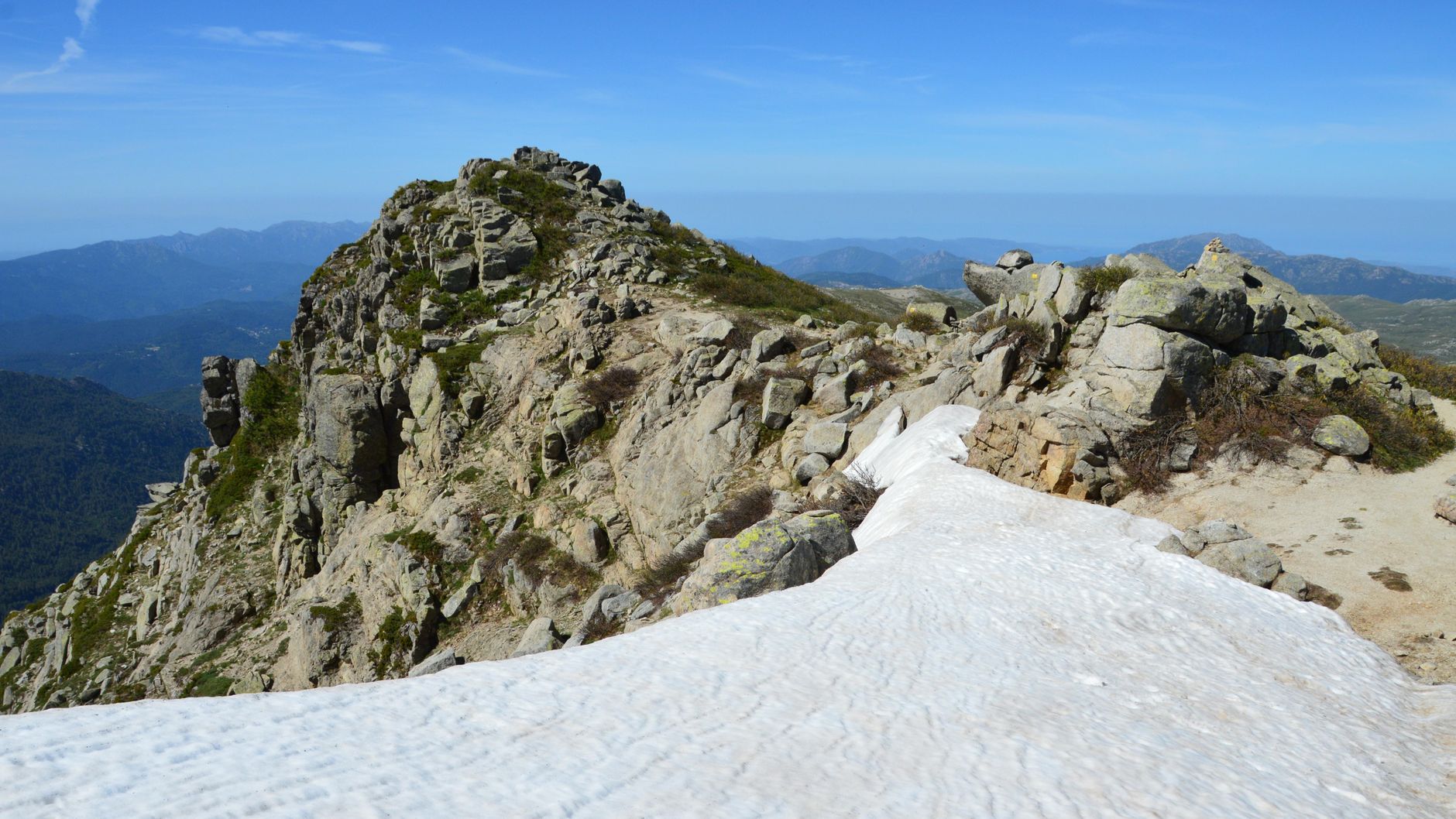
The GR20 cuts across Corsica from northwest to southeast, connecting Calenzana to Conca over approximately 180 kilometers with a cumulative elevation gain exceeding 20,000 meters. Far from a simple mountain walk, this trail is a profound test of physical endurance, mental fortitude, and technical autonomy. Frequently cited as Europe’s most difficult long-distance hiking route, the GR20 does not derive its reputation from extreme altitude—its highest point barely reaches 2,225 meters at Monte Renoso—but from the unrelenting nature of its terrain. Here, hikers contend with razor-sharp granite ridges, unstable scree slopes, rock chimneys requiring constant use of hands, and a Mediterranean alpine climate capable of turning hostile without warning.
Approaching the GR20 with any expectation of success requires leaving behind conventional hiking paradigms. Corsican topography demands prior experience in rugged terrain progression, vertigo management, and the ability to handle pack weight during days that routinely exceed seven or eight hours of continuous movement. This report delivers a comprehensive structural overview of the traverse, designed to equip the expeditionary with indispensable technical, logistical, and environmental knowledge.
Geography and Terrain Character: The Granite Backbone
Corsica is, fundamentally, a mountain range rising abruptly from the sea. The island presents an aggressive morphology where peaks exceed two thousand meters just kilometers from the coast. The GR20 exploits this mountainous spine, traditionally dividing into two distinct halves: the northern and southern sections.
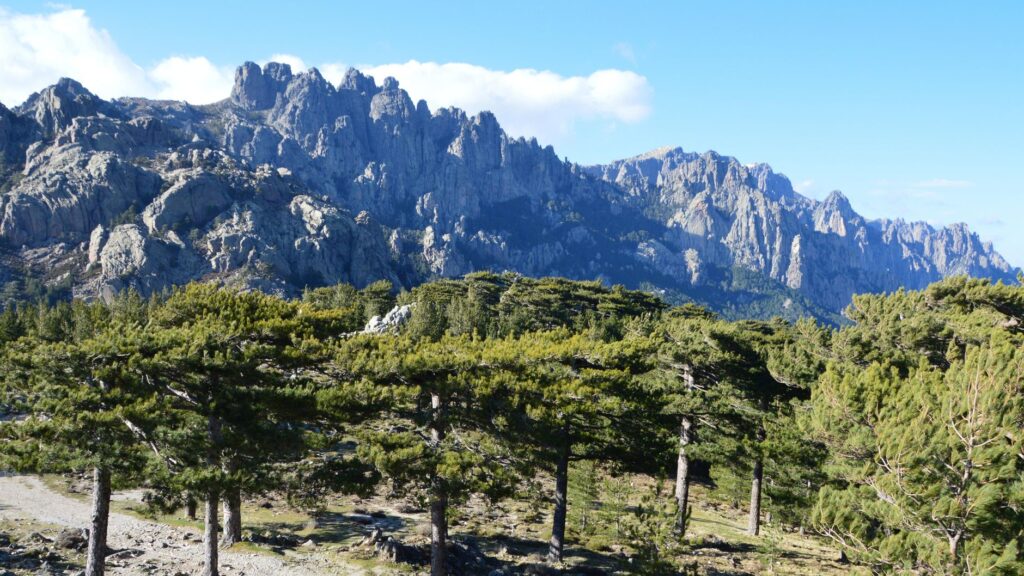
The northern section, starting in Calenzana and concluding in Vizzavona, concentrates the vast majority of technical difficulties. It is pure alpine territory, dominated by red and grey granite, chaotic boulder fields, exposed ridges, and sections equipped with chains and steel cables. The infamous Cirque de la Solitude, although modified in its original routing for safety reasons following rockfalls, continues to represent the archetype of technical Corsican terrain.
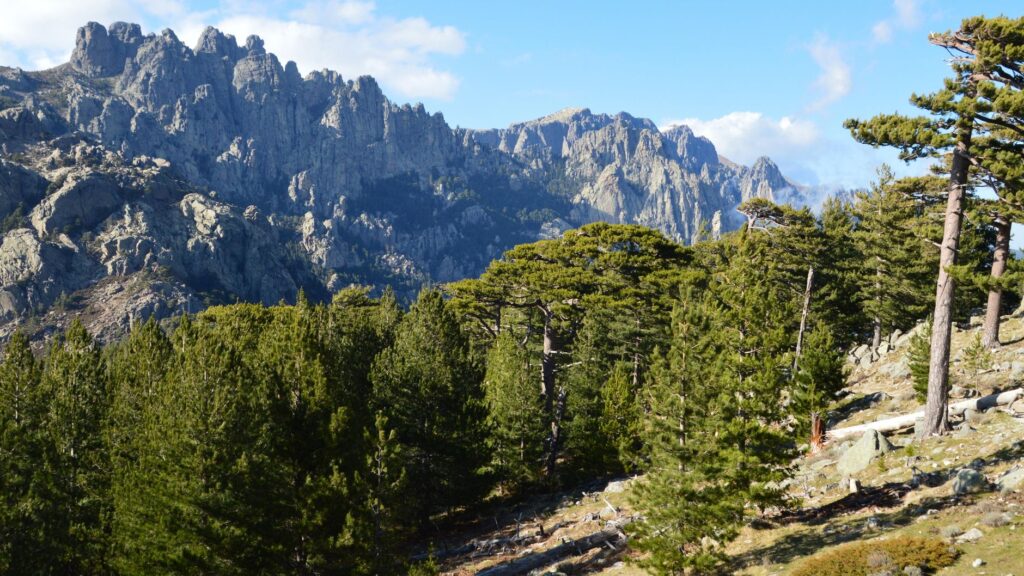
Conversely, the southern section between Vizzavona and Conca softens noticeably. Hikers traverse forested plateaus, rounded crests, and trails carpeted with Laricio pine. Although daily mileage can still be high, technical demands drop dramatically, permitting a more consistent and fluid marching rhythm.
Temporal Planning and Seasonality in the Corsican High Country
Defining the correct temporal window is the critical first step in planning any GR20 expedition. The official refuge season generally runs from early June to mid-October. Outside this window, refuges remain unstaffed and winter conditions dominate the cordillera.
July and August coincide with the European holiday period. During this time, weather is typically more stable, but lower-altitude temperatures can be stifling and refuge congestion reaches its peak. Furthermore, afternoon summer thunderstorms are common in the high mountains, mandating early starts to clear exposed sections before midday.

June and September offer an optimal balance. In June, lingering snowpacks in high passes still demand occasional use of lightweight crampons, but trails are less crowded and streams run high with snowmelt. September, meanwhile, yields stable weather and cooler temperatures, though daylight hours gradually decrease.
The GR20 does not forgive improvisation; every single day demands constant reading of the sky and the terrain, where respect for the Corsican mountains is the only guarantee of a safe return.
Physical Preparation and Biomechanical Demands
Tackling the GR20 requires targeted aerobic endurance and muscular strength training. Accumulating flat-ground mileage is insufficient; the body must be conditioned to the continuous impact of prolonged descents, which test knee joints and quadriceps musculature.
An adequate preparation program must include:
- High-intensity cardiovascular training through running, cycling, or ski mountaineering.
- Strength sessions focused on lower limbs and core stability, essential for managing an overloaded backpack.
- Incline/decline hiking sessions with progressively heavier packs, simulating the 12 to 15 kilograms of operational weight.
- Proprioception and agility exercises on uneven surfaces to prevent ankle sprains.
Logistics of Refuges, Bivouacs, and Autonomy
A defining characteristic of the GR20 is its network of refuges (*refuges*) managed by the Regional Natural Park of Corsica (*Parc naturel régional de Corse*). These mountain huts provide basic dormitory bunks, blankets, potable water sources, and occasionally light meals or basic provisions for purchase.

It must be emphasized that wild camping is strictly prohibited across Corsica outside designated zones adjacent to the refuges. Hikers may choose to sleep inside the huts—requiring mandatory advance booking via the park’s official online platform—or pitch their own tents on designated wooden platforms for a nominal camping fee.
The reservation system is strict and requires booking months in advance due to high demand and limited high-altitude capacity. Expeditions carrying their own tents gain flexibility but significantly increase the physical burden upon their shoulders.
Technical Equipment and Load Selection
The golden rule of alpine lightweight expeditions applies stringently to the GR20: every gram matters. Total pack weight, inclusive of water and multi-day rations, should ideally not exceed 15-20% of the hiker’s body weight.
Essential equipment comprises:
- A technical backpack between 45 and 60 liters with an integrated rain cover.
- High-cut hiking boots or technical trail running shoes with high-traction outsoles (such as Vibram), based on personal ankle stability and preference.
- A layered clothing system: breathable technical tee, fleece or active insulation mid-layer, and a high-spec waterproof/windproof shell jacket (Gore-Tex or equivalent).
- Abrasion-resistant, stretch-woven trekking pants.
- Telescopic trekking poles with summer baskets, crucial for knee protection on technical descents.
- Personal first aid kit, emergency blanket, headlamp with spare batteries, and water purification system (tablets or membrane filter).
Provisioning, Nutrition, and Water Management
Water management is among the most critical logistical elements along the GR20. While the trail crosses numerous springs and streams, summer droughts can cause certain sources to dry up or drop to minimal flow rates. Purification or filtration of all natural water sources is mandatory to prevent gastrointestinal infections from free-roaming livestock.
Regarding nutrition, refuges stock limited items at elevated prices due to the severe logistical challenge of helicopter and mule resupply. Consequently, dietary strategy must rely on dehydrated meals, nuts, energy bars, and easily cooked carbohydrates carried from the start point or acquired in occasional mountain villages like Calenzana, Haut-Asco, Vizzavona, or Capanelle.
Safety, Emergencies, and Mountain Rescue

Technical terrain and the remote isolation of several GR20 segments make medical assistance a complex challenge. In the event of an accident or severe emergency, contact must be established with French mountain rescue services (PGHM – Peloton de Gendarmerie de Haute Montagne) via the European emergency number (112).
Weather conditions can deteriorate within minutes, transforming an accessible trail into a maze of dense fog, hurricane-force winds, and electrical storms. The golden rule remains steadfast: if weather worsens drastically on ridges, immediate retreat to the nearest refuge or safe shelter is mandatory, avoiding exposed traverses at all costs.
Self-sufficiency is not merely about carrying the correct gear, but possessing the mental maturity to accept that the mountain dictates the schedule, and timely retreat is always the finest tactical decision.
Essential Practical Information for the Expeditionary
For those planning to undertake this traverse, the fundamental operational details are outlined below:
- Northern Starting Point: Calenzana, accessible via bus connections from Calvi or Bastia.
- Southern Termination Point: Conca, with bus links onward to Porto-Vecchio.
- Permits and Bookings: Mandatory reservations through the official Parc naturel régional de Corse website for refuge bunks and campsites.
- Official Currency: Euro. Carrying sufficient physical cash is strongly recommended, as refuges rarely accept credit cards due to a lack of network coverage.
- Communications: Mobile phone coverage is intermittent or non-existent in deep valleys and northern route segments.
Conclusion: The Legacy of a Legendary Traverse
Completing the GR20 yields no medals or official certificates, but something far more enduring: the profound personal satisfaction of overcoming a world-class alpine challenge. Corsica displays its wildest, most stony, and authentic face along this path, demanding absolute commitment from the traveler. Far from the mass-market routes of conventional tourism, the Corsican backbone remains a sanctuary for those seeking to measure their own endurance against the majestic architecture of the Mediterranean landscape.