
Introduction to the Norwegian Edge of Northern Seas
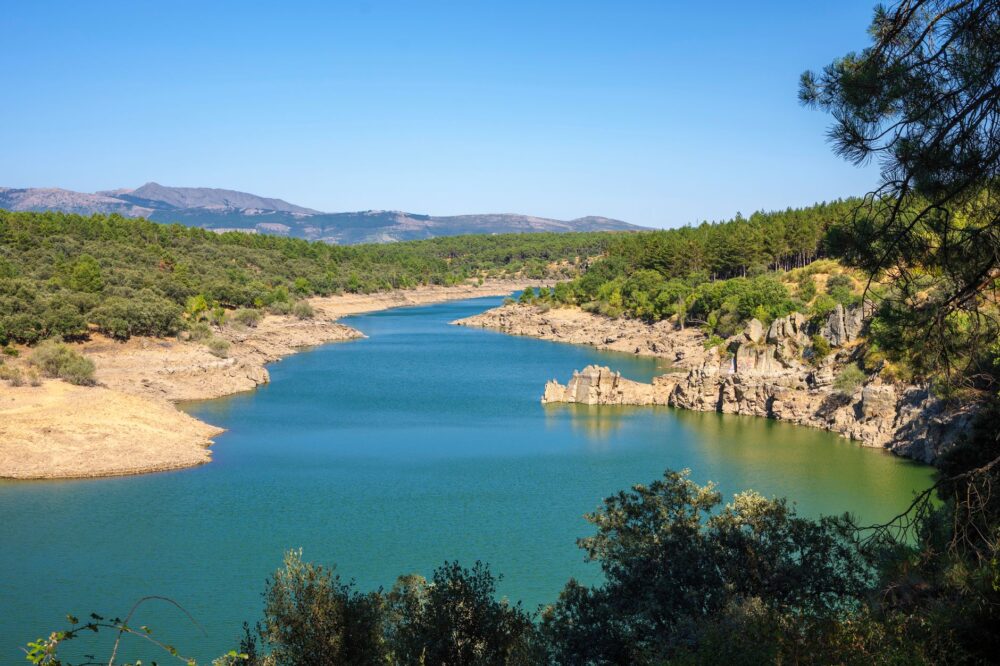
The Lofoten Islands, situated far above the Arctic Circle, rise from the ocean like a formidable wall of black stone and sharp peaks. For centuries, survival in this remote Norwegian enclave depended on seamanship and a network of traditional vessels navigating narrow channels with combustion engines. Today, this extreme landscape faces a contemporary dilemma: how to maintain territorial cohesion and serve the thousands of travelers arriving each year without eroding the fragile beauty of its marine ecosystems. The answer is not found in the expansion of massive infrastructure, but in a silent, profound transformation of its transport system.
The archipelago has initiated a radical shift toward zero-emission mobility. Through the introduction of ferries powered exclusively by high-capacity battery systems, the electrification of fishing docks, and the integration of low-impact hiking and cycling routes, the region is redesigning its daily life. This report examines how local communities, shipping operators, and transport authorities are shaping a model where climate urgency aligns with the preservation of Norway’s maritime heritage.
The Maritime Backbone: The Rise of Zero-Emission Ferries
Water is the true highway in Lofoten. For generations, conventional ferries connected the smaller islands to the mainland, burning thousands of liters of heavy diesel and generating a considerable carbon footprint in a protected environment. The fleet renewal, driven by regional operators in collaboration with the Norwegian government, represents a technological and environmental turning point that redefines the concept of insular transport.
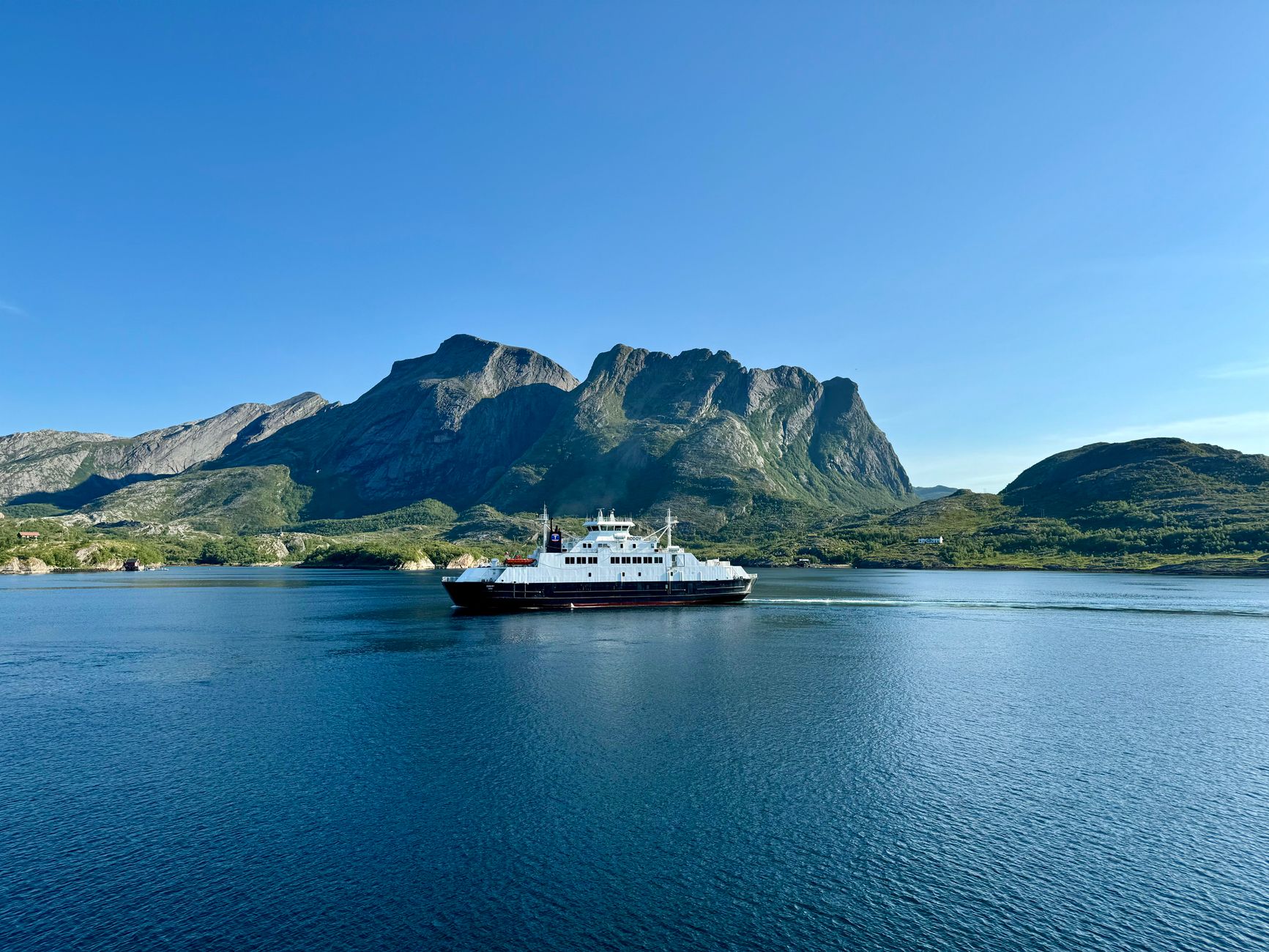
These new vessels are not mere adaptations; they have been designed from the keel up to operate on electrical energy stored in state-of-the-art modular battery systems. On key crossings connecting the ports of Svolvær and Moskenes, ferries recharge in minutes at the docks via automated high-power connections fed by the mainland’s hydroelectric grid. This technological deployment drastically reduces acoustic and atmospheric emissions within the fjords.
Battery Engineering in Extreme Cold Environments
Operating complex electrical systems in the Arctic poses formidable technical challenges. Low temperatures naturally reduce energy cell performance, forcing naval engineers to develop advanced thermal management and insulation systems. Onboard batteries are equipped with waste heat recovery circuits that guarantee optimal autonomy even when thermometers drop far below freezing.
Port Infrastructure and the Hydroelectric Charging Network
The viability of this maritime transition relies not only on the vessels, but on the comprehensive modernization of the ports. Lofoten’s docks have been equipped with transformer substations capable of supplying megawatts in very short timeframes without destabilizing the local electrical grid. This synergy between maritime transport and clean energy generation from waterfalls and wind farms demonstrates that insular electrification is both technically viable and scalable.
Terrestrial Mobility and the Recovery of Historic Paths
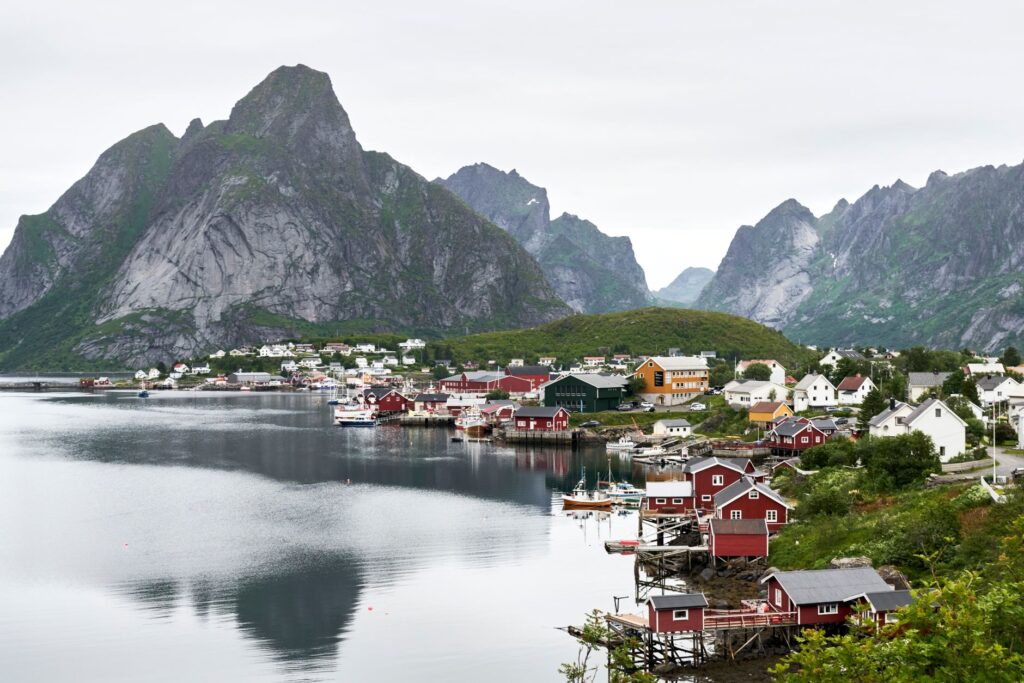
On land, the challenge lies in managing vehicular traffic generated by summer tourism without altering the physiognomy of the legendary E10 highway, the only road artery running across the archipelago from east to west. Traffic congestion in critical spots like Reine and Hamnøy has forced a rethink of land mobility through the integration of electric shuttle microbuses and the recovery of old fisherman trails as soft transport routes.

These historic paths, which in the past connected isolated settlements before the construction of modern tunnels and bridges, have been upgraded for shared use by pedestrians and mountain cyclists. The revival of these trails not only relieves pressure on the main road but fosters a slower travel experience, allowing visitors to connect directly with the human scale of the landscape and understand the effort required to inhabit these islands.
True sustainability in the Arctic is not about building more, but about intelligently utilizing what geography and history have already granted us.
The use of electric bicycles has become a viable alternative for medium-distance travel between neighboring fishing villages. Local rental cooperatives, equipped with portable solar charging points, enable travelers to journey through the fjords without relying on private cars, effectively reducing emissions associated with mass tourism.
The Role of Fishing Communities and Local Cooperatives
No transport transition in Lofoten can succeed without the active backing of local communities, particularly fishermen and operators of traditional rorbuer (converted fisherman cabins). These communities have shifted from being mere spectators to becoming direct managers of sustainable mobility, running information points, cooperating in trail cleanup, and participating in insular transport planning committees.
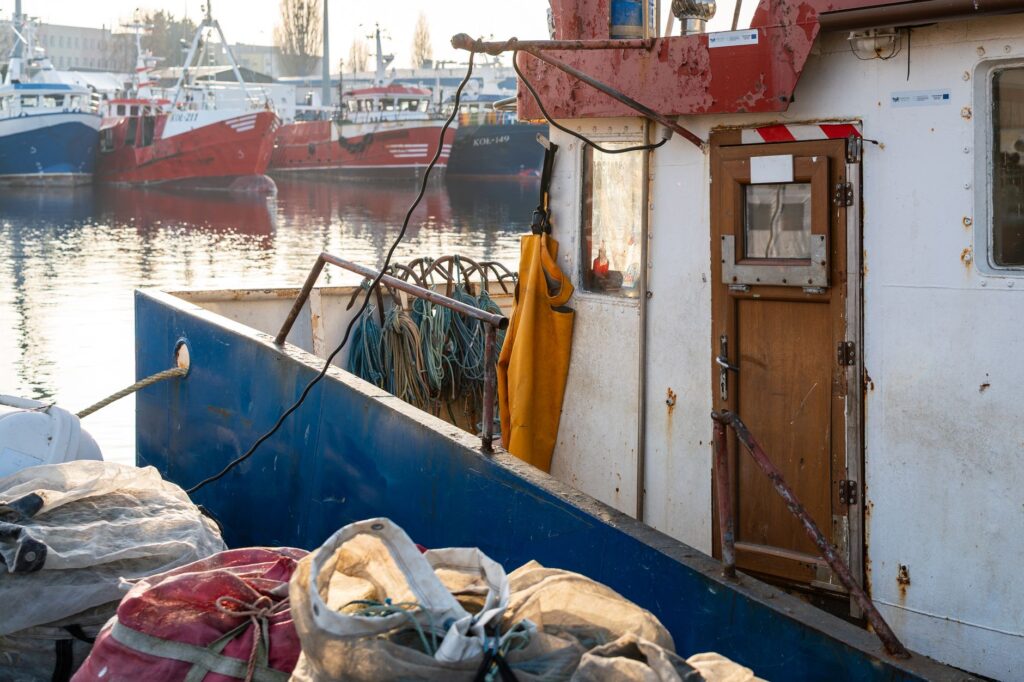
Local fishing cooperatives have yielded space on their docks for public chargers and adapted their own auxiliary vessels to hybrid propulsion systems. This community involvement ensures that decisions regarding how travelers and goods move reflect the real needs of those who inhabit the territory during the long, dark winter months.
Balancing Economic Activity and Conservation
The cod fishery (skrei), a historic economic pillar of the islands, coincides temporally with the low tourism season, allowing for a more balanced use of transport infrastructure throughout the year. Fishermen and local authorities coordinate the schedules of cargo and passenger ferries to avoid congestion in main ports, ensuring professional fishing fleets and electric ferries share docks efficiently and safely.
Pending Challenges: Seasonality, Capacity, and Road Networks
Despite notable advances in naval electrification and trail management, Lofoten’s mobility model faces complex structural challenges. Chief among them is the extreme seasonality of visitor flows, massively concentrated during the summer months of continuous daylight (midnight sun) and the autumn aurora borealis season. This concentration stretches the capacity of ferries and electric charging networks to the limit.

Furthermore, the archipelago’s rugged geography limits road expansion and the creation of new lanes exclusively for public transport. Many sections of the E10 route depend on single-lane tunnels with passing places, where managing electric bus and motorhome traffic requires smart signage systems and tight coordination between transport operators and insular emergency services.
Practical guide
How to Get There
The main access to the Lofoten Islands is via Evenes Airport (EVE), connected by regular flights from Oslo. From Evenes, zero-emission long-distance bus services connect to Svolvær in approximately three and a half hours. Another traditional option is taking a regional flight to Leknes or Svolvær airports.
When to Travel
To experience sustainable mobility in optimal conditions, the months of May to June (with prolonged daylight and lower congestion) and September to October (northern lights and lower road traffic) offer the perfect balance between transport operability and environmental preservation.
How to Get Around
Utilize the network of electric ferries between islands and regional connecting buses. For short stretches, choose the electric bicycle fleets available in Svolvær, Reine, and Henningsvær. Avoid large rental vehicles and prioritize advance booking for vehicle slots on trans-island ferries.
Where to Stay
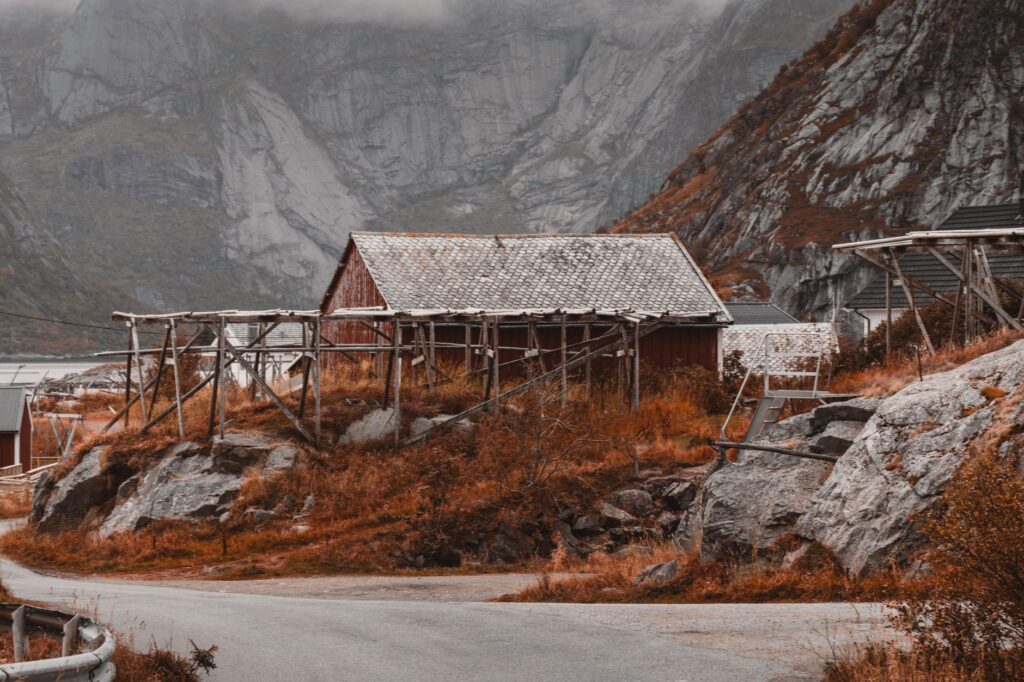
Prioritize local accommodations certified with the Norwegian eco-label, such as the traditional restored rorbuer in Hamnøy and Nusfjord, which integrate efficient waste management practices and renewable energy consumption.
The Echo of the Sea and Restored Silence
At dusk, when the golden Arctic light bathes the granite ridges and the fjord waters regain absolute calm, the sound of yesterday’s diesel engines has been replaced by the soft murmur of water cut by silent prows. This acoustic transformation is perhaps the most elusive yet profound change in the Lofoten Islands. Clean technology has not only reduced greenhouse gas emissions; it has returned the landscape’s original soundtrack.
The conservation of extreme landscapes is not an exercise in nostalgia, but a rigorous commitment to technical innovation in the service of local life.
Looking to the future, the archipelago demonstrates that tourism and high environmental standard transport are compatible when subordinated to respect for the territory’s ecological limits. In this confine where sea and mountain challenge one another, every electric voyage and every recovered trail reaffirms that true modernity lies in listening to the rhythm of the environment and moving forward without leaving a destructive footprint.