
Introduction to the Heights of the South American Rail
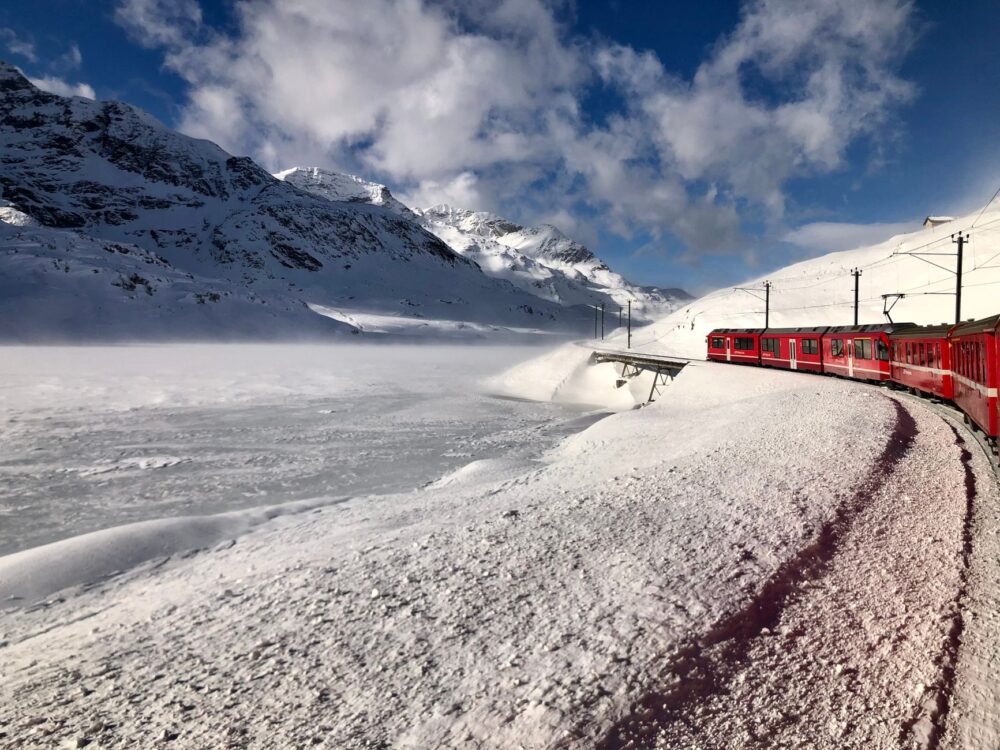
The dull roar of diesel engines climbing impossible grades echoes through stone gorges where oxygen is scarce and the wind cuts like glass. The Southern Trans-Andean Railway represents much more than a historical communication route; it is a masterpiece of civil engineering applied to one of the most hostile terrains on the planet. At over three thousand meters above sea level, each steel tie supports not only the weight of heavy machinery but also the constant challenge of the Andean elements, where geology changes without warning and snowstorms can isolate entire valleys within hours.
Planning a technical expedition along this railway route requires understanding the complex interaction between high mountains and heavy transport logistics. This is not a simple leisurely sightseeing trip, but an exercise in technical rigor where climate reading, the maintenance of regenerative braking systems, and deep knowledge of high-altitude shelters determine the viability of each section. Local communities, clinging to century-old stations, hold ancestral knowledge about mountain behavior that complements modern railway operation manuals.
Hidden Engineering in the Andean Gorges
Building and maintaining railway tracks on slopes exceeding a six percent grade requires extraordinary technical solutions. Unlike European low-mountain lines, the Andean layout depends on complicated rack-and-pinion and counterweight systems that prevent the train from slipping on icy rails during the southern winter months. Each tunnel excavated by hand in the late nineteenth and early twentieth centuries reveals the audacity of engineers who had to deal with a lack of oxygen, scarcity of drinking water, and absolute geographical isolation.
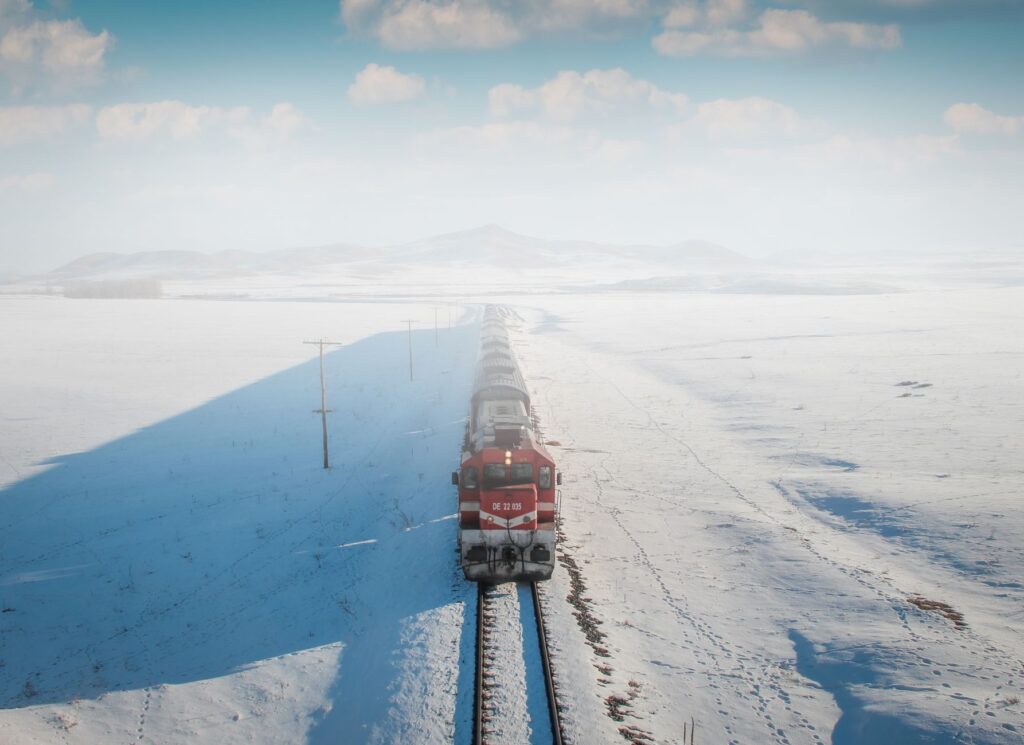
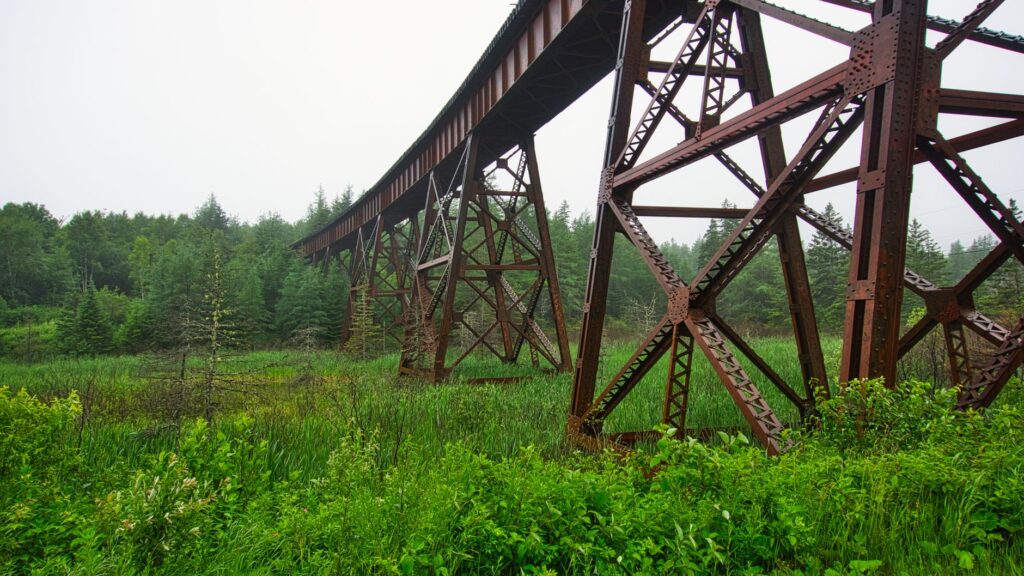
The iron bridges spanning dizzying chasms undergo constant structural inspections due to extreme thermal expansion. During the day, the blazing high-mountain sun heats the metal, transforming the structures, while at night temperatures drop drastically below zero, causing severe contractions in the connection bolts. Track maintenance teams operate under strict safety protocols, using bimodal vehicles capable of running both on dirt road asphalt and on metric gauge track, ensuring the clearance of rocks fallen from frequent seasonal landslides.
The Challenges of Rolling Stock in Low-Pressure Atmospheres
The loss of power in internal combustion engines due to low oxygen concentration at high altitudes constitutes one of the greatest headaches for line mechanics. Turbochargers must be calibrated with millimeter precision to compensate for reduced barometric pressure, preventing fuel from burning incompletely and generating a critical loss of thrust when tackling the steepest ramps toward the summit.
Likewise, pneumatic braking systems experience atypical behavior caused by air dryness and low nighttime temperatures. Relief valves require rigorous preventive maintenance with low-viscosity synthetic oils that do not solidify when the thermometer drops to Siberian extremes, ensuring the train maintains absolute control on prolonged descents toward western basins.

Supply Logistics and Autonomy in Remote Stations
The isolation of intermediate stations turns the supply chain into an almost military operation. Given that many of these enclaves lack paved road access, the mixed train itself—carrying both general cargo and passengers—acts as the umbilical cord supplying fuel, non-perishable food, mechanical spare parts, and medical supplies to residents and operators stationed in the mountains.
Drinking water management represents another critical factor. Surface sources tend to freeze for much of the year or carry high levels of heavy minerals from glacial meltwaters. Therefore, stations feature complex decantation and filtration systems powered by solar energy, supplemented by underground reserve tanks designed to withstand frozen soil pressure.
The mountain does not negotiate with train schedules; it imposes its own relentless rhythm where mechanical patience and human discipline are the only possible lifelines.
Extreme Meteorology and Summit Emergency Protocols
The weather in high Andean passes is notoriously fickle. A clear, deep blue sky can transform into a whiteout blizzard in less than thirty minutes, reducing visibility to zero and covering the rails with a compact layer of snow and ice. Machinists and station masters are trained to interpret subtle variations in barometric pressure and crosswinds descending from snowy peaks, announcing the imminent arrival of a storm.
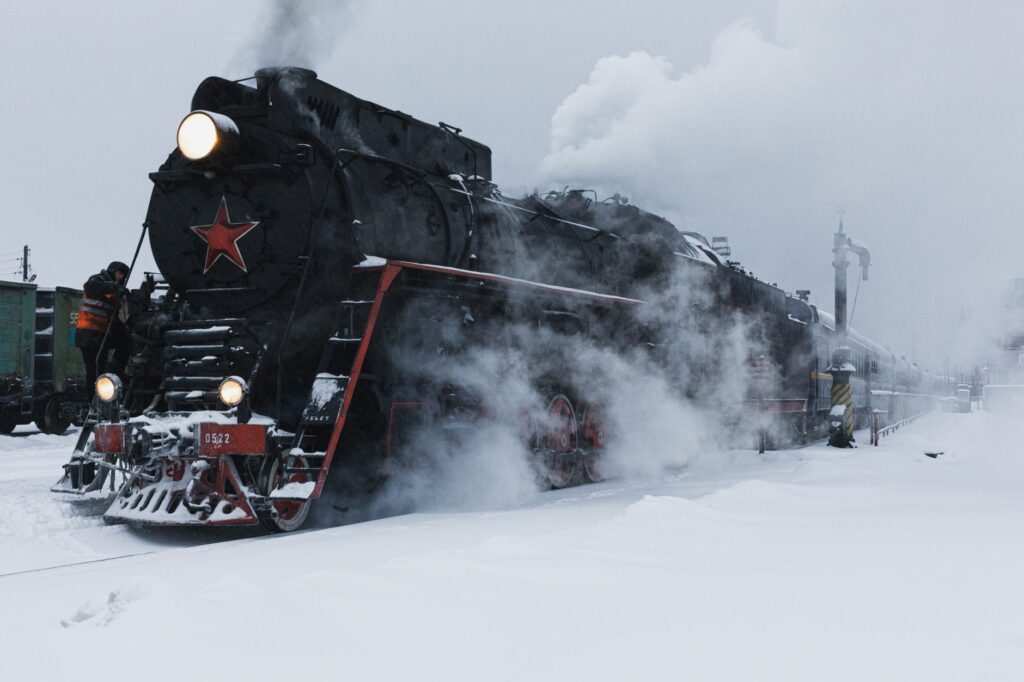
In the event of an emergency due to track blockage, a coordinated rescue protocol is activated involving snowplow locomotives equipped with reinforced steel front wedges and rotary turbines capable of ejecting compact blocks of snow several meters away. Passenger trains are equipped with high-mountain survival kits, high-calorie emergency rations, and metallized polyethylene thermal blankets sufficient to sustain crew and travelers for seventy-two hours inside heated cars.
Human Heritage and Rail Memories
Behind every switch lever and operational telegraph lies the living memory of railway generations who have dedicated their existence to maintaining this impossible route. Line veterans pass down the secrets of hearing the hum of the rails before convoy lights appear from parents to children, an empirical art that has prevented countless accidents in sections where radio communications fail due to mountainous terrain.
Communities that grew under the shelter of railway workshops maintain a cultural identity deeply tied to the passing of the train. Local festivities revolve around the maintenance calendar and the arrival of formations connecting isolated communities with commercial centers in the lower valleys, weaving an indestructible social fabric forged from iron, steam, and collective perseverance.
The Conservation of Historical Equipment
Preserving steam locomotives and early twentieth-century passenger cars in an environment of high corrosion and extreme thermal variations requires specialized workshops combining modern metallurgical technology with traditional forging techniques. Turners and fitters work on custom unique parts, since original components discontinued decades ago must be faithfully reproduced to maintain the operational authenticity of the historic fleet.
This conservation effort not only responds to a nostalgic desire but to the practical demonstration that robust machinery of yesteryear, well maintained, possesses an operational longevity superior to many contemporary electronic equipment more sensitive to magnetic interference and continuous track vibrations.
Practical guide
Planning a rigorous expedition along the Southern Trans-Andean Railway demands technical preparation, respect for the high-altitude environment, and detailed regulatory knowledge.
- Best time for the expedition: The southern summer months (December to March) offer the most stable weather conditions, although afternoon convective storms remain frequent.
- Mandatory acclimatization: It is recommended to spend at least forty-eight hours in a town situated between two thousand and two thousand five hundred meters of altitude before ascending to railway sections above three thousand meters.
- Permits and accreditations: Access to certain operational zones and historical workshops requires prior authorization issued by the national railway administration and operating company.
- Personal technical equipment: High-mountain layered clothing, windbreakers with a breathable waterproof membrane, category 4 UV protection sunglasses, and high-grip trekking footwear are essential.
- Travel and rescue insurance: Ensure your policy explicitly covers adventure activities in remote areas and high-altitude emergency helicopter medical evacuation.
- Satellite communication: Mobile phone networks lack coverage in most gorges; carrying a two-way satellite communication device is mandatory.
- Hydration and nutrition: The extremely dry air of the cordillera accelerates imperceptible dehydration; consume at least four liters of water daily and foods rich in complex carbohydrates.
The Silence of the Rails at Dusk
When the last convoy of the day vanishes on the horizon and the red tail lights go out behind the mountain bend, absolute silence reclaims its ancestral dominance over the Andean valleys. The metal of the rails creaks softly while releasing heat accumulated under the daytime sun, contracting slowly beneath the cold mantle of the starry night. In that instant of stillness, the immensity of the cordillera reminds the traveler of their own fragility and the magnitude of the human enterprise that managed to trace a steel path across the roof of the continent.
Observing the stars from the platform of a high-altitude station, wrapped in the scent of burned coal and machine oil, synthesizes the true spirit of railway exploration: a perfect blend between reverent respect for rugged nature and the unyielding tenacity of those who made it possible to unite two worlds across the peaks.