
The steep, winding alleys of Toledo guard a secret that is not written in old manuscripts, but hammered into steel at blistering temperatures. In the traditional workshops of the ancient quarter, the rhythmic clanging of the hammer against the anvil continues to set the pace for a craft that openly defies digital obsolescence. While mass-market retail floods interiors with stamped, factory-molded castings, an unyielding cohort of master blacksmiths defends the purity of wrought iron in its ancestral territory—a material demanding raw physical strength, deep metallurgical knowledge, and geological patience.
This report explores the back rooms of a millennial trade that found a natural haven in the Castilian capital thanks to its Visigothic, Muslim, and Christian heritage. Through visits to centuries-old hearths and interviews with artisans who still command coal-fired forges, we examine how architectural restoration and contemporary creator-led design sustain a fragile, endangered productive ecosystem.
The Pulse of Metal in the Old Quarter
The air inside the workshops around the old covered passageways smells of warm iron oxide, mineral coal, and burnt linseed oil. In an environment where time appears folded upon itself, the tools have remained virtually unchanged for three centuries. Long-mouthed tongs, pein hammers, and high-carbon steel horns form part of a gestural choreography passed down almost exclusively from master to apprentice. Iron is never subdued by brute force, the trade veterans explain, but by listening to its acoustic resonance when it reaches a bright yellow glow within the fuel bed.

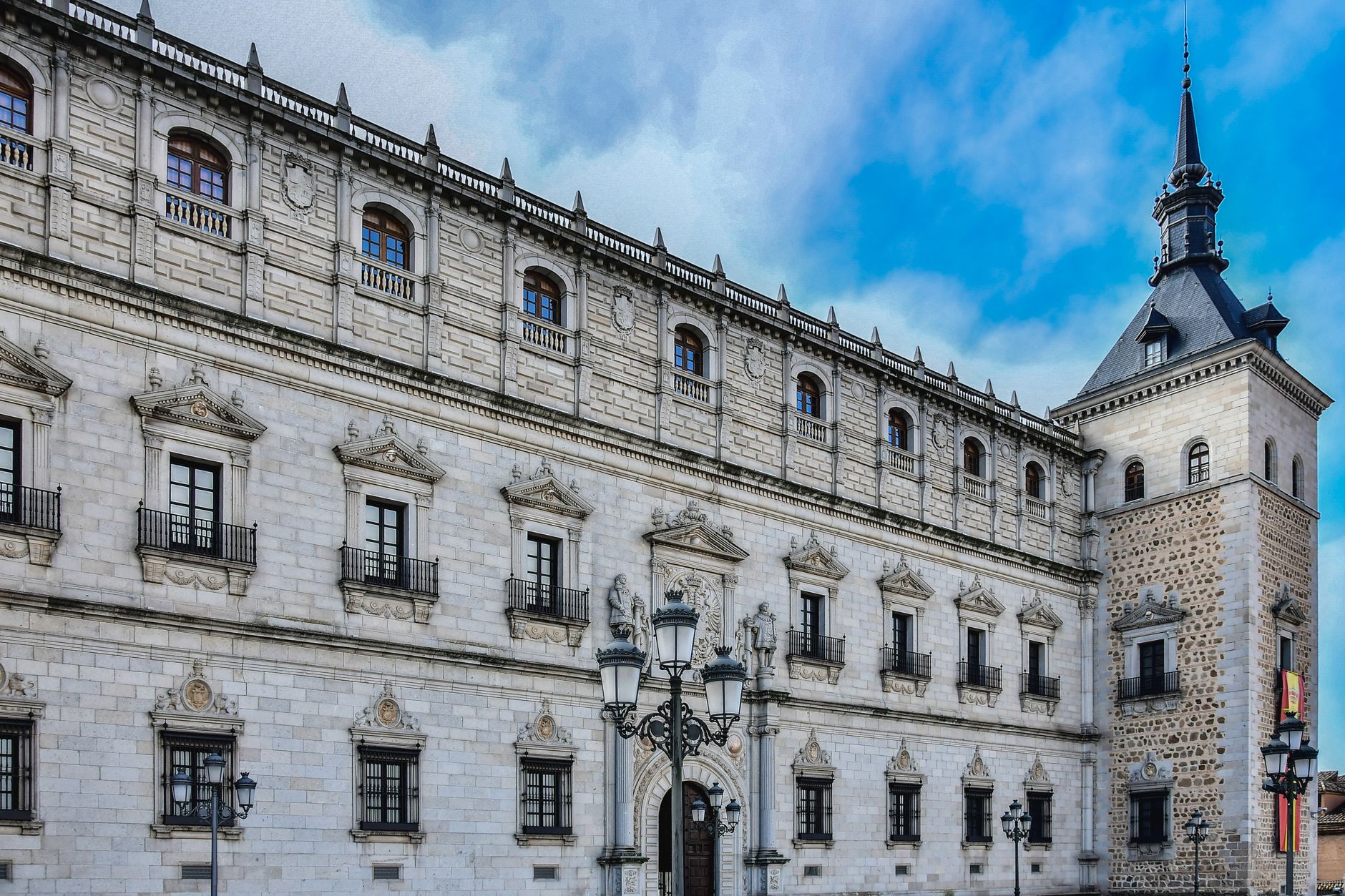
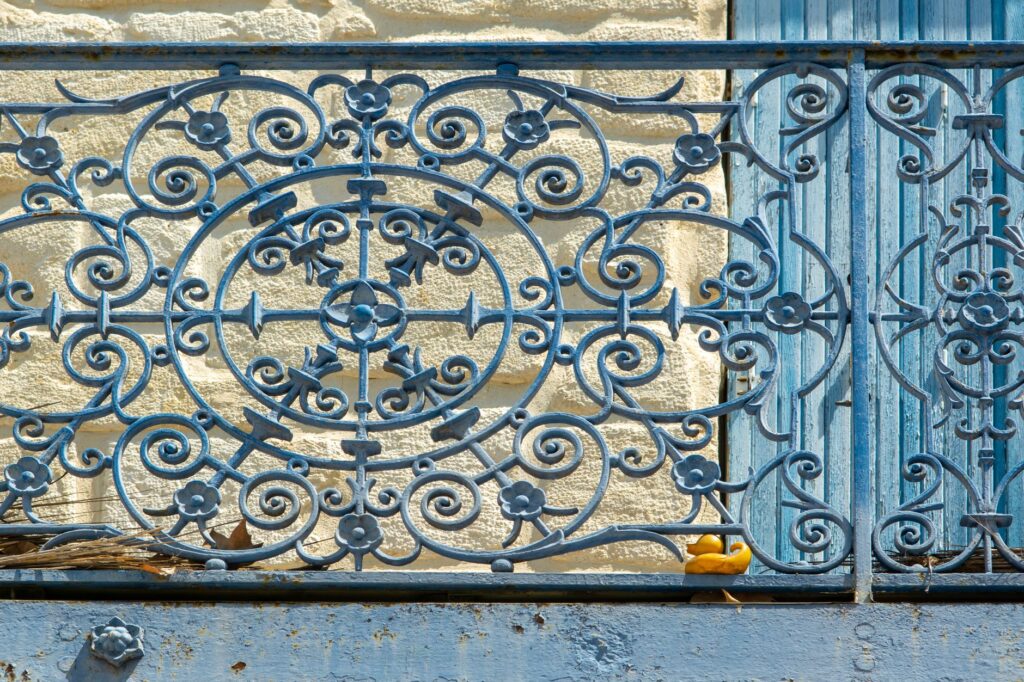
Toledo’s collective memory is literally welded into its window grilles, doorknockers, and balcony railings. Each architectural element tells a story of climatic adaptation and defensive security, alongside a refined aesthetic where heavy iron achieves surprising visual lightness. Today’s workshops not only restore original hardware from the city’s Renaissance palaces but also receive commissions from architects worldwide who seek the living, organic imperfection of handcrafted work.
The Alchemy of Fire and Temperature
The forging process is, at its core, an exercise in applied thermodynamics and empirical sensitivity. The blacksmith must calculate with millimetric precision the exact point where the metal achieves optimal malleability without burning. Excess temperature decarburizes the alloy and renders it brittle; a deficit prevents molecules from interlocking beneath the hammer blows. This invisible frontier between a masterpiece and useless scrap is the exclusive territory of hard-won experience.
Unlike modern electric welding, which joins overlapping pieces superficially, authentic forge-welding fuses metal at a molecular level through fire-welding. Two pieces of iron heated to a blinding white heat, dusted with river sand as a flux to eliminate slag impurities, are rhythmically hammered until they form a single, inseparable structure. This ancient method guarantees exceptional mechanical durability that neither modern adhesives nor industrial welds can replicate over the long haul.
Heritage and Succession Among Blacksmith Dynasties
The survival of these workshops depends almost entirely on family lineages or the occasional arrival of late-blooming vocations emerging from fine arts and restoration schools. However, the path is fraught with economic and bureaucratic hurdles. The physical harshness of the labor, the steep initial investment required for fireproof infrastructure, and unfair competition from imported replicas have reduced the census of active forges in the historic center to barely half a dozen.
To counter this vulnerability, modern creators have diversified their production. No longer restricted to traditional decorative ironwork, they now collaborate with interior designers to build minimalist furniture where iron dialogues seamlessly with solid wood and blown glass. This opening toward contemporary design has revitalized workshop economies without abandoning the ancestral techniques that form the trade’s core soul.

Wrought iron is not an industrial fossil; it is a living language that translates human physical energy directly into eternal matter.
Geography of Workshops and Steel Routes
Discovering Toledo’s forges requires stepping off conventional tourist itineraries and venturing into alleys where unassuming masonry facades conceal arcaded courtyards. Each workshop maintains its own technical specialization: some master the repoussé of delicate ornamental foliage for civil gates, while others focus on historical blade recreation and traditional agricultural tools ardently pursued by international collectors.
Access to raw materials has likewise evolved. While previous generations relied on local iron mines and charcoal from the Toledo mountains, contemporary smiths source carefully selected high-carbon structural steels whose chemical composition ensures predictable behavior under the hammer. Craftsmen perform spark tests on grinding wheels to identify exact carbon percentages before introducing raw stock into the forge hearth.
Heritage Restoration as a Lifeline
A substantial portion of these artisans’ current workload focuses on conserving the vast monumental heritage of Castilla-La Mancha. Cathedrals, decommissioned convents, and medieval fortresses demand periodic interventions on their metal elements. Replacing a Gothic hinge with a modern industrial component represents an unacceptable conservation breach, prompting preservation architects to systematically rely on local blacksmiths to accurately replicate original notch-and-chisel techniques.
This meticulous investigative work demands rigorous documentary research. The artisan must study ancient treatises, analyze oxidation patterns through stereoscopic magnifying glasses, and replicate even the minor irregularities left by medieval masters’ hand tools. It is an exercise in experimental archaeology where academic theory is tested directly over the smoking anvil.
Contemporary Design and International Outlook
Far from remaining trapped in folkloric nostalgia, Toledo’s young smiths are reinterpreting tradition with a thoroughly contemporary sensibility. Organic railings inspired by plant morphology compete in European design salons with sculptural pieces where iron adopts sinuous, fluid shapes that defy the inherent rigidity of heavy metal.

This international projection has placed Toledo blacksmithing back on the functional art collecting map. International contemporary craft fairs in Milan, Paris, and Basel regularly host pieces emerging from these Castilian hearths, proving that traditional craft survival depends not on institutional sentimentality, but on its capacity to engage with present aesthetic demands.
The true value of a hand-forged piece lies in the hours of silence, sweat, and concentration the artisan has invisibly deposited within it.
Practical guide
Planning a rigorous visit to Toledo’s forging workshops requires considering several logistical and cultural respect factors.
- Getting there: Toledo is located just 30 minutes from Madrid via the high-speed Avant train departing from Atocha station. From Toledo’s bus or train station, access to the Historic Center is easily made on foot or via the public escalators at El Miradero.
- Workshop visits: Most forges are active working spaces, not museums. Visits must be booked weeks in advance through local artisan associations or tourism initiative centers to avoid disrupting daily production.
- Respect and safety: During live demonstrations, maintaining a safe distance from the forge hearth and spark-projection zones is mandatory. Touching pieces or tools without explicit master authorization is strictly prohibited.
- Recommended lodging: For a complete immersion in the city’s historic atmosphere, staying in small boutique hotels housed within restored noble manor houses in the Judería or San Román neighborhoods is advised.
- Best time of year: Spring (April-May) and autumn (October-November) offer ideal weather conditions for exploring the urban maze without the extreme temperatures of the Castilian summer.
- Ethical acquisitions: If you wish to acquire an artistic ironwork piece or creator utensil, always request the certificate of authenticity signed by the master artisan, guaranteeing local origin and manual forging technique.
The Anvil’s Echo at Dusk
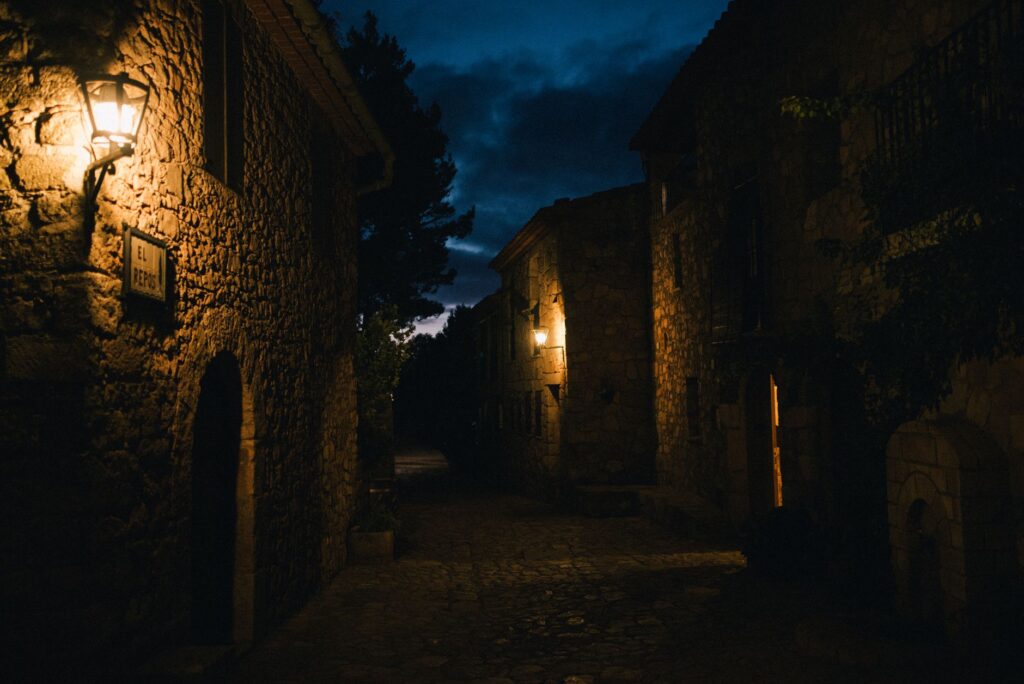
When evening falls over the hills surrounding the Tagus River and golden sunlight fades against stone ramparts, the city’s rhythm quiets down, yet deep inside select workshops the hearth fire still flickers with a final reddish intensity. This is the moment when masters gather heavy tongs, sweep accumulated oxide scale from packed dirt floors, and contemplate the piece just born beneath their calloused hands. In that quiet moment of truce, amid the pungent scent of spent coal and the residual heat of the anvil, one perceives with crystal clarity that Toledo’s true wealth lies not merely in its secular stones, but in the silent stubbornness of those who, blow by blow, refuse to let the fire go out.