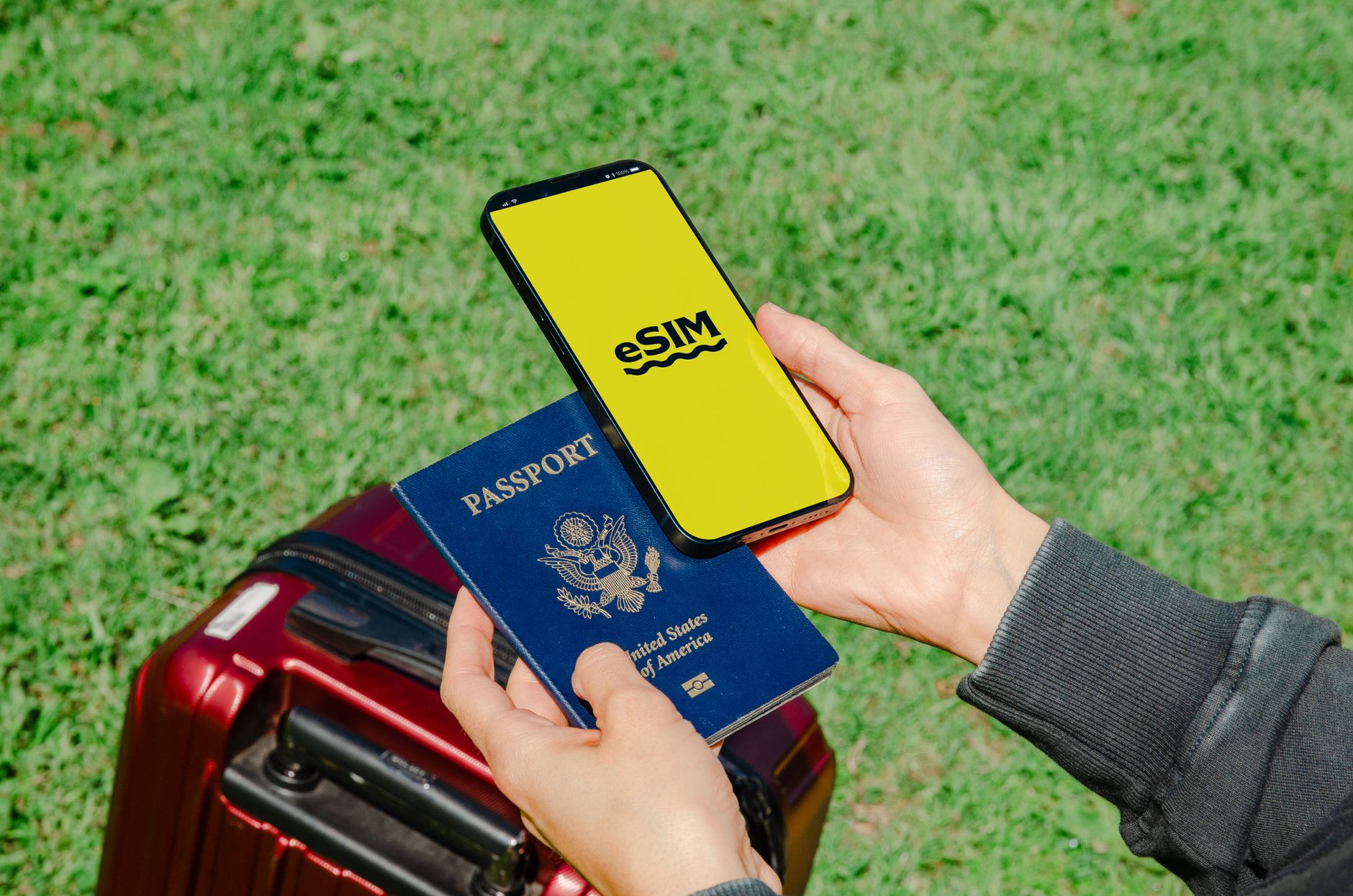

The contemporary long-term traveler faces a perpetual dilemma: how to maintain a solid digital bridge with the world without breaking the bank on exorbitant roaming fees or wasting precious hours hunting for physical SIM cards in foreign airports. In this ecosystem of constant mobility, technological evolution has shifted the spotlight toward virtual SIM profiles. Amidst the overwhelming current array of options, continuous analysis of connectivity tools places Holafly as a benchmark for extended journeys, standing out for its focus on installation simplicity and the promise of unlimited data across numerous global destinations.
This report examines the value proposition of this company with rigorous standards, drawing on years of on-the-ground experience to evaluate real-world road performance, associated network stability, and economic viability for globe-trotters crossing borders back-to-back. Beyond mere commercial convenience, it analyzes how uninterrupted connectivity redefines safety, on-the-fly planning, and the ability to report or work from remote corners without the shadow of disconnection.
The Evolution of the Digital Traveler and the End of the Physical Card
For decades, the ritual of arrival in a new country involved the desperate search for a telecommunications kiosk, the presentation of passports, and the manipulation of microscopic SIM trays with an improvised pin. This traditional model not only created logistical friction but also exposed travelers to local scams or outdated plans. The advent of profiles embedded directly into smartphone hardware marked a radical turning point. Today, connectivity anticipates takeoff, allowing travelers to land with their devices already operational.

Holafly’s proposal inserts itself into this streamlining current. Through an intuitive app or direct purchase on their web platform, the user acquires a digital profile installed via a QR code. This advancement eliminates the risk of losing the original physical SIM card from the home carrier, a critical element for receiving bank verification codes or emergency calls while exploring the globe.
How eSIM Technology Operates Day-to-Day
To understand the scope of this service during a months-long journey, it is essential to demystify its technical mechanics. An eSIM is essentially an integrated chip built into modern smartphones that can store multiple operator profiles simultaneously. It requires no physical presence, and its activation occurs the moment the device detects a compatible network in the selected destination.
The standard process requires verifying that the phone is unlocked and compatible with this technology—a requirement already met by the vast majority of mid-to-high-end handsets released in recent years. Once payment is processed, the system sends an email with precise instructions. The speed of this operational workflow is vital for those charting dynamic routes and deciding their next geographical leap with barely 24 hours’ notice.
The Differential Factor: Unlimited Data Versus Recharge Fatigue
One of the greatest hurdles for long-term travelers is the millimeter-precise control of consumed gigabytes. Traditional operators and many emerging eSIM brands sell fixed packages of 5GB, 10GB, or 20GB that evaporate quickly when making family video calls, uploading heavy photo files, or using the phone as a Wi-Fi hotspot for a laptop.

In this segment, Holafly has built its reputation by firmly committing to unlimited data in the vast majority of its international plans. This feature alleviates the mental fatigue of constantly monitoring the consumption counter. Knowing you have a continuous flow of network access radically transforms road behavior, allowing high-resolution mapping, real-time sign translation, or last-minute booking management without the anxiety of running out of data before the week ends.
True freedom in modern travel does not lie in disconnecting from the world, but in choosing when and how to interact with it without technical anxieties.
However, unlimited plans come with technical nuances that forward-thinking travelers should understand to avoid surprises. Although the volume of data for mobile browsing and streaming lacks a strict cap, the hotspot or tethering function is usually limited to a specific daily amount, generally around 500 megabytes to one gigabyte depending on the destination. This restriction prevents abusive network usage as a substitute for fixed broadband, but requires some discipline for intensive remote work from a mobile device.
Global Coverage and Partnerships with Local Operators
The quality of an eSIM depends not only on the company commercializing it, but on the robustness of agreements maintained with major telecommunications corporations in each country. In this regard, the infrastructure backed by Holafly operates through strategic alliances with top-tier operators across Europe, Asia, America, and Oceania.

This network of partners ensures that the mobile phone switches seamlessly between local antennas with the best coverage, whether in the bustle of an Asian metropolis or on the secondary roads of a mountainous region. Signal stability is the foundation upon which a globe-trotter’s peace of mind rests, enabling transport coordination, railway timetable checks, and active geolocating for family members at all times.
Structural Advantages for Globe-trotters and Digital Nomads
Traveling for weeks or months while accumulating passport stamps demands solutions that reduce administrative burdens. The advantages of adopting an eSIM-based scheme are reflected in several fundamental pillars:
- Elimination of hidden costs: Completely avoids international roaming charges billed by home carriers at exorbitant prices.
- Early management: Plans can be purchased from your living room and scheduled to activate only upon setting foot in foreign territory.
- Preservation of the main line: Keeping the native physical SIM active for traditional voice calls ensures the receipt of essential banking SMS messages.
- Multi-platform flexibility: The ability to switch plans or purchase regional coverage for multiple bordering countries from the same mobile application.
Challenges, Limitations, and Areas for Improvement
No technological tool is entirely free of drawbacks, and maintaining objectivity requires pointing out aspects where these services still face challenges. The first is incompatibility with certain older terminals or budget models lacking an integrated eSIM chip. Users must rigorously check the supported device list before making any investment.

Another aspect to consider is the absence of a local phone number in most pure data plans. Since they operate exclusively through internet packages, traditional voice calls cannot be made nor local SMS received natively—a shortcoming easily resolved by using instant messaging apps like WhatsApp, Telegram, or FaceTime, but which could pose a minor obstacle in very specific bureaucratic procedures requiring fixed-line calls in the visited country.
Practical guide
To optimize the use of virtual connectivity plans during an extended journey, it is wise to follow a series of technical and operational guidelines proven through road experience.
Pre-Device Verification
Before initiating a purchase, ensure your smartphone is officially unlocked by your domestic carrier and features integrated eSIM technology. You can dial *#06# on your calling keypad to check if the EID identification code appears, thus confirming compatibility.
Optimal Installation Timing
Download and install the eSIM profile using a stable Wi-Fi network (such as your home or departure hotel network) before boarding. Configure the line to remain inactive until the moment of landing, preventing it from consuming validity days while the aircraft is still in departure airspace.

Efficient Data Management and Tethering
If you need to connect your laptop temporarily, rigorously manage the daily data-sharing limit stipulated by the plan. For heavy downloading or software update tasks, always prioritize free Wi-Fi networks in accommodations or cafes, reserving the eSIM for mobility and constant navigation.
The Art of Connected Travel and Reconnecting with the Essential
Advanced connectivity technology does not seek to isolate the traveler within a continuous digital bubble, but to provide an invisible safety net that dissolves logistical uncertainty. By simplifying network access procedures, tools like Holafly eSIMs allow mental energy to focus on what is truly transcendent: the leisurely contemplation of landscapes, genuine encounters with other cultures, and the capacity to absorb the essence of each territory without the constant anxiety of isolation. In the grand canvas of modern adventure, knowing that the invisible thread connecting home and world remains taut is, ultimately, the greatest guarantee of freedom.
Source in EN: Nomadic Matt’s Travel Site (https://www.nomadicmatt.com/travel-blogs/holafly-plans/)