
The skyline of Salt Lake City has been anchored for over a century by the imposing granite spires of the Salt Lake Temple, a landmark that, since its original dedication, has remained strictly reserved for faithful members holding a valid temple recommend. Yet, a historic shift is unfolding on the urban horizon of Utah. Church authorities have announced that, following a monumental multi-year process of seismic retrofitting and comprehensive renovation, the complex will open its doors to the general public through a scheduled open house in 2027. This milestone breaks a century-old tradition of interior exclusivity, offering a rare window for travelers, historians, and curious minds of all backgrounds to experience the aesthetic, liturgical, and spatial scale of one of North America’s most enigmatic religious structures.
For the local community and Utah’s broader tourism sector, the announcement is far more than an architectural curiosity; it is a profound cultural turning point. For decades, the temple’s silhouette has served as the pulsing geographic center of the Mormon capital, drawing millions of global visitors who inevitably paused at the borders of Temple Square. Beginning in 2027, the visitor experience will transform from mere exterior contemplation to immersive exploration. This report examines the deeper meaning behind this temporary opening, the intricate engineering feats of its restoration, and the shifting dynamics of public perception surrounding a global religious community.
The Engineering of Memory: Restoring a Granite Giant
Building and preserving the Salt Lake Temple has demanded a titanic engineering feat that began in the late nineteenth century and has been completely reimagined in the twenty-first. The original structure, erected using quartz monzonite blocks quarried from nearby canyons, was designed to withstand the test of time. Nevertheless, the seismic vulnerability of the Salt Lake Valley compelled Church leadership to fundamentally rethink the building’s structural integrity. The recent comprehensive renovation project integrated an advanced base-isolation system, allowing the historic temple to float atop a network of movable foundations capable of absorbing a major earthquake without catastrophic collapse.
Architects and engineers faced the daunting challenge of modernizing the building’s internal infrastructure—upgrading electrical systems, climate control, and plumbing—without compromising the dignified aesthetic of its historic interiors. Every original room has been restored with near-archaeological precision. Specialized artisans recovered fine woodwork, decorative wall murals, and custom textiles, seamlessly balancing contemporary safety technology with profound reverence for the nineteenth-century design envisioned by Utah’s original pioneers.
A Historic Threshold: The Meaning of Open Doors
In the theology of The Church of Jesus Christ of Latter-day Saints, temples are distinct from standard Sunday meetinghouses; they are sacred spaces consecrated for eternal ordinances, baptisms for the dead, and eternal marriages. Because of this doctrinal purpose, routine access is restricted. The decision to host a public open house season prior to the final rededication represents a deliberate gesture of openness toward civil society.
Institutional transparency thus emerges as the defining hallmark of this cultural event, helping to dispel myths and misconceptions accumulated over generations.
Church representatives have noted that such initiatives aim to foster mutual understanding and community dialogue. When sacred spaces are respectfully shared with the public, global travelers are invited to appreciate the rich visual symbolism embedded in every corner, from beehive motifs representing industry to clasped hands symbolizing eternal bonds. This is not a commercial exercise in proselytization, but a shared showcase of cultural and historical heritage.
The Pulse of Temple Square: Urban Transformation
The impact of the temple’s reopening extends far beyond sacred walls, directly shaping the urban fabric of downtown Salt Lake City. Temple Square, which annually welcomes millions of global guests, has undergone a coordinated urban redesign aimed at improving accessibility, enhancing gardens, and expanding visitor reception areas. Surrounding streets, visitor centers, and adjacent museums have been modernized to absorb the anticipated influx of curious travelers who will journey to Utah during the months of public tours.

Local tourism authorities project a notable surge in visitor numbers. Hotels, restaurants, and public transit networks are actively preparing for an influx of travelers who will combine religious curiosity with an appreciation for architectural design and American West history. This wave will require the city to carefully balance tourism carrying capacity with the serene atmosphere that has historically defined the capital’s core.
Architecture and Symbolism: A Language of Stone and Light
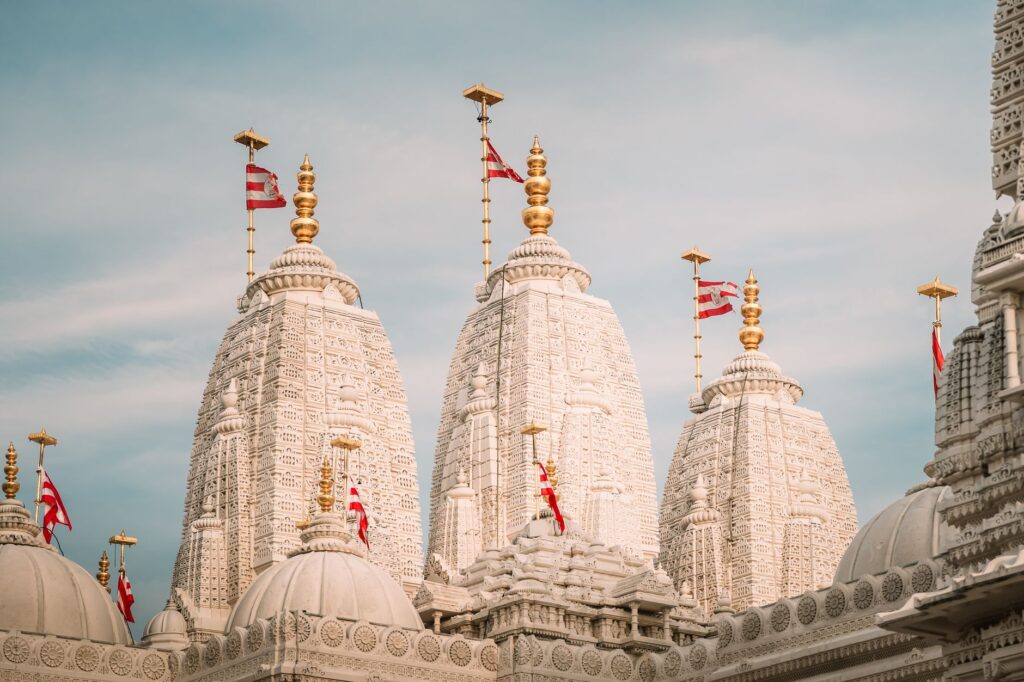
For the observant traveler, the Salt Lake Temple functions as a living treatise of nineteenth-century symbolism. Each exterior ornamental element—from stones depicting the moon, sun, and earth in various phases to statues and towering spires—reflects a precise theological narrative. During the 2027 tours, the public will not only marvel at the monumental scale of the interior chambers, but also understand the rationale behind material choices, altar placements, and the masterful use of natural light filtering through restored stained glass.
Interior design prioritizes chromatic serenity, employing soft hues, fine hardwoods, and translucent glasswork that naturally invite introspection and quiet contemplation.

Unlike medieval European cathedrals designed to inspire awe through shadows and gloom, the Mormon temple favors luminous clarity, projecting an optimistic, orderly vision of the cosmos and human destiny according to foundational teachings.
The Traveler’s Experience: Beyond the Monument
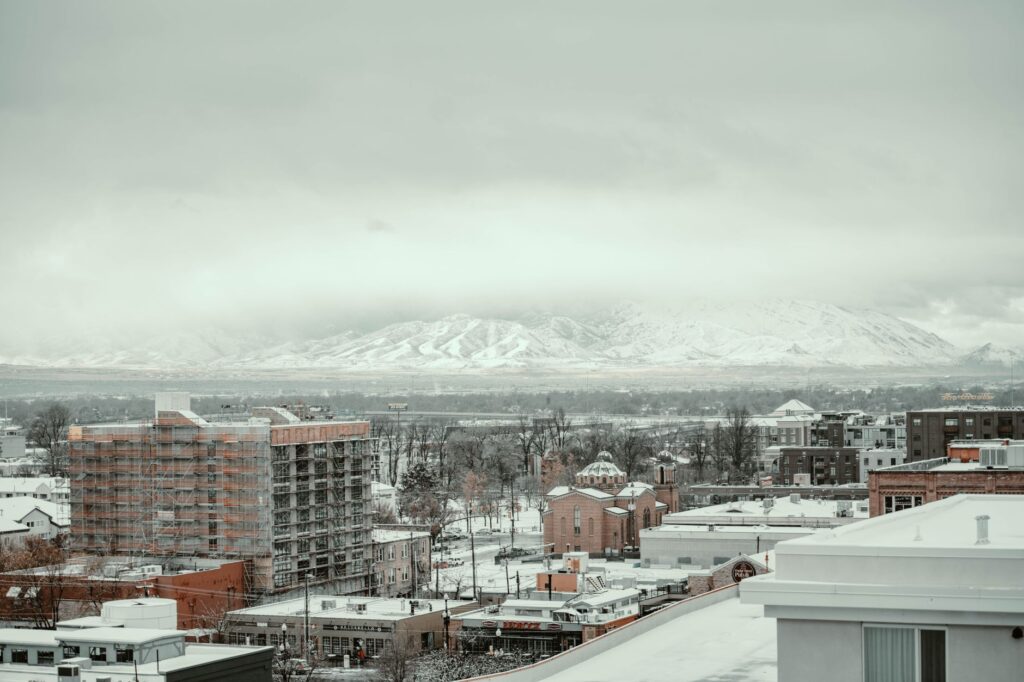
Visiting Salt Lake City around the temple’s reopening requires appreciating the natural and cultural landscape that birthed this community. The valley, framed by the rugged Wasatch Range, offers a striking visual contrast between alpine geography and monumental pioneer architecture. Recommended traveler itineraries frequently include stops at the Family History Library, the Church History Museum, and the serene nature trails of City Creek Canyon, located just minutes from the historic core.

The interplay between the cosmopolitan modernity of today’s city and its distinct religious roots creates a compelling destination in the American West. Visitors will discover a thriving culinary scene, a vibrant arts community, and an efficient public transit infrastructure that simplifies regional exploration without requiring total reliance on automobiles.
Practical guide
- When to go: The official public open house season is scheduled for 2027. Travelers are advised to monitor the official website of The Church of Jesus Christ of Latter-day Saints for precise dates and advance registration windows.
- How to get there: Salt Lake City International Airport (SLC) provides direct connections to major U.S. hubs and features a light rail line (TRAX) that transports passengers directly downtown in under twenty minutes.
- Access and reservations: Although tours during the open house period are complimentary, high global demand will make advance online registration mandatory months prior through dedicated digital platforms.
- Visitor guidelines: Because this is a revered space, respectful attire covering shoulders and knees is required, and professional recording equipment will be restricted in specific interior zones.
- Accommodations: Downtown and the Marmalade District offer a diverse hotel inventory, ranging from restored historic boutique properties to contemporary design-forward lodgings.
Emotional Epilogue: Reclaiming Silence
When the first rays of dawn strike the granite spires of the Salt Lake Temple, the city seems to pause for a heartbeat. After years of scaffolding, cranes, and deep subterranean engineering, the landmark reclaims its steady silhouette. The 2027 opening is far more than the conclusion of a massive civic project; it is a generous invitation to cross a threshold that, for generations, remained veiled from common wonder. For the traveler walking its newly restored corridors, the experience will transcend mere sightseeing—it will become an intimate encounter with the living history of a faith, the mastery of centennial architecture, and the enduring testimony of a people shaped by the desert and time.
Source in EN: The New York Times, In Utah, a Latter-day Saints Temple Opens Its Doors to Nonmembers.