The official designation of the Dominican Republic as the guest country of honor for the 2026 edition of the International Tourism Fair of Latin America (FIT) represents far more than a conventional promotional milestone. Announced by tourism leadership and highlighted across regional industry outlets, this role places the Caribbean nation at the very center of South America’s preeminent travel trade exhibition, hosted annually at the historic La Rural grounds in Buenos Aires. The appointment is not a routine diplomatic gesture; it signals a deliberate, well-calibrated maneuver within the shifting landscape of inter-American travel, underscoring the maturity of a destination intent on diversifying its source markets and deepening its connection with travelers from the Southern Cone.
For decades, the insular Caribbean sustained a somewhat transactional relationship with South American travel markets, heavily dependent on volatile currency shifts and largely restricted to standardized, all-inclusive beach packages. However, the contemporary travel environment reveals a structural shift in regional consumer priorities: modern travelers seek authentic cultural immersion, pristine natural landscapes, and seamless air connectivity. By stepping into the role of guest country at FIT 2026, the Dominican Republic gains an unmatched platform to broadcast a renewed narrative—that of a nation seamlessly weaving together its early colonial history, mountainous interior microclimates, and an evolving hospitality framework grounded in sustainability and local community integration.
The Buenos Aires Arena: A Window into Latin America’s Travel Markets
The International Tourism Fair of Latin America functions as the definitive barometer for travel commerce in the southern hemisphere. Every austral spring, the exhibition halls of Buenos Aires bring together over one hundred thousand visitors, spanning trade professionals, national delegations, tour operators, and prospective travelers seeking new itineraries and business partnerships. In this high-density forum, the guest country status delivers commanding visibility across all media platforms, trade negotiations, and cultural programming, granting the Dominican delegation direct access to key industry decision-makers across Argentina, Brazil, Chile, Uruguay, and the Andean region.
Securing this preeminent position enables Dominican tourism officials and private sector leaders to negotiate structured agreements with regional wholesalers and specialized travel agencies. Unlike short-haul markets, South American travelers venturing into Caribbean latitudes tend to plan longer stays and demonstrate higher average discretionary expenditure across gastronomy, regional transport, and specialized tours. The Argentine showcase serves as the ideal launchpad to present a multifaceted portfolio capable of captivating diverse travel segments, ranging from multi-generational families and nature enthusiasts to avid scuba divers, cultural travelers, and championship golf aficionados.
A Paradigm Shift Beyond the Conventional Beach Holiday
The Dominican Republic’s international reputation has long been underpinned by the extraordinary beauty of its coastlines and the operational efficiency of its resort infrastructure. Yet the proposition the country is preparing to showcase in 2026 reflects a sophisticated qualitative evolution. Over recent years, public authorities and independent operators have spearheaded a thorough re-evaluation of the country’s territorial assets, highlighting temperate highland valleys, dense cloud forests, and a rich architectural heritage tracing the earliest period of European settlement in the Americas.
This strategic shift seeks to mitigate seasonal volatility and distribute tourism revenue toward inland towns and coastal villages that were historically bypassed by conventional resort circuits. As the designated guest nation in Buenos Aires, the Dominican Republic will present far more than the globally celebrated shores of Punta Cana or Cap Cana; it will shine a light on the untouched biodiversity of the Samaná Peninsula, the stark beauty of the deep southwest in Pedernales, and the dynamic cosmopolitan energy of Santo Domingo, fundamentally enriching how the destination is perceived across the continent.
Hospitality Diplomacy and the Southern Cone Connection
The selection of the Dominican Republic for FIT 2026 is also a study in astute economic diplomacy. The nation has steadily cultivated bilateral ties with South America’s primary economies, recognizing that market diversification provides crucial resilience against global economic disruptions. In particular, outbound travelers from Argentina, Brazil, and Chile have demonstrated remarkable loyalty to warm-weather destinations, especially during the cold winter months of the southern hemisphere.

This diplomatic approach is built around three core pillars tailored for the 2026 campaign:
- Air route expansion and frequency optimization: Direct discussions with scheduled carriers and charter operators to reduce layover times and establish competitive direct routes connecting southern capitals with Dominican international gateways.
- Cross-border investment facilitation: Bilateral forums linking hotel developers, real estate funds, and institutional investors focused on sustainable resort infrastructure in emerging development zones.
- Cultural and academic exchange: High-profile art exhibitions, musical performances, and culinary summits designed to foster deep mutual affinity between Caribbean heritage and Southern Cone culture.
The expanding travel corridor between the Caribbean and the Southern Cone extends far beyond airline passenger statistics; it reflects an enduring commercial and cultural bridge built upon mutual respect and sustainable growth.
Through these coordinated efforts, the island aims to sustain robust year-round visitor arrivals, capitalizing on the complementary seasonality between the Northern and Southern Hemispheres. When temperatures drop across the pampas or the Andean foothills, the Caribbean offers a reliable tropical haven backed by world-class hospitality infrastructure, making multi-week escapes an increasingly compelling choice for discerning South American travelers.
Heritage Reborn: From the Colonial City to Highland Trails
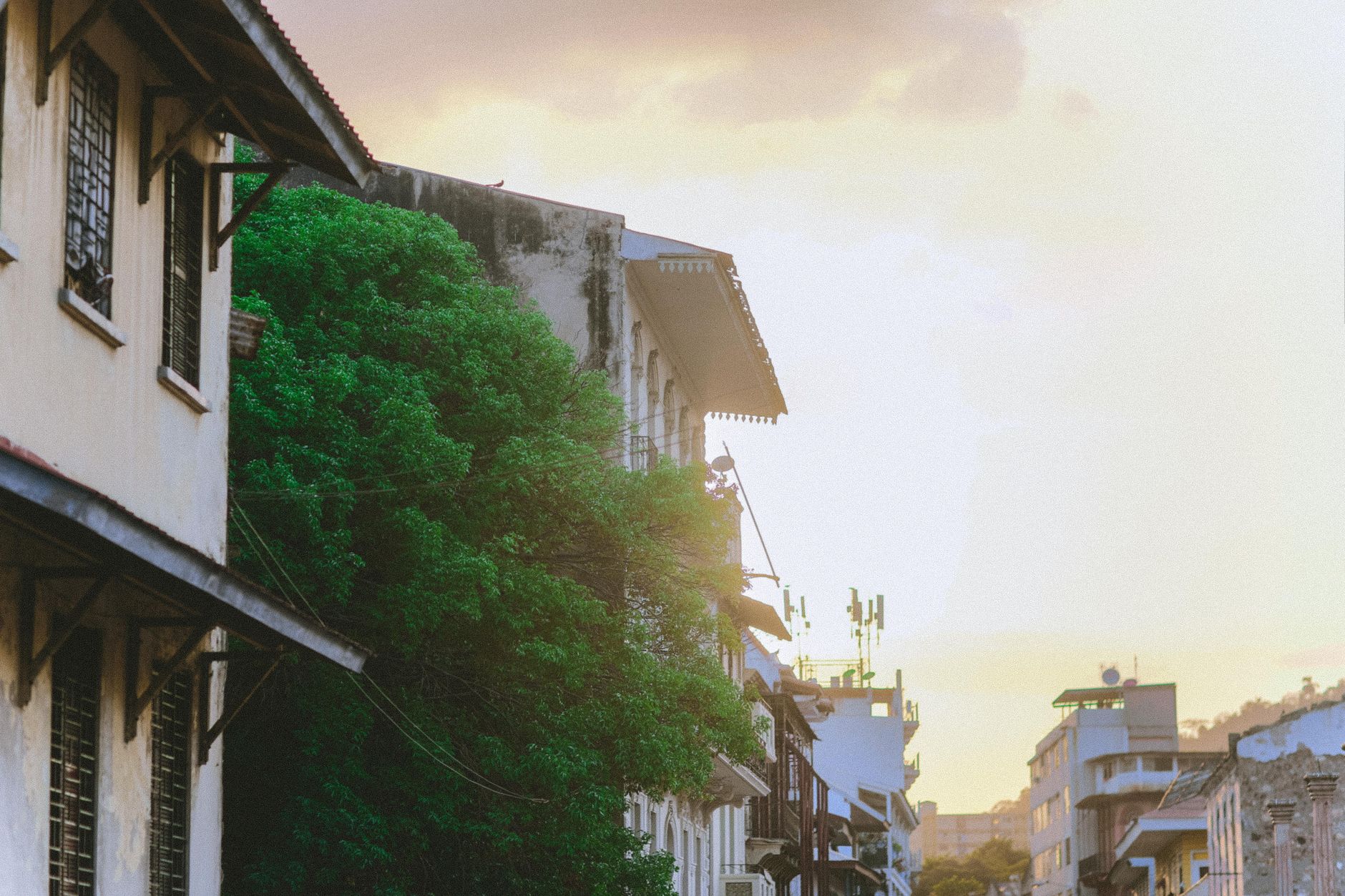
A central pillar of the Dominican showcase at FIT 2026 will be the ongoing preservation and contemporary reactivation of its cultural assets. Santo Domingo’s Colonial City, inscribed on the UNESCO World Heritage list, has undergone a meticulous multi-year revitalization program encompassing structural restoration of historic stone buildings, underground utility modernization, and public space enhancement. Today, the earliest European urban settlement in the Americas houses an eclectic mix of contemporary art galleries, boutique heritage hotels, and vibrant open-air bistros where live jazz, son music, and centuries of architecture intersect.
Contrasting with the coastal warmth and colonial stone, the interior mountains of the Cordillera Central introduce a geographic dimension seldom associated with Caribbean islands. Municipalities such as Jarabacoa and Constanza, situated at elevations where nighttime temperatures can drop sharply, offer pine-covered mountain trails, hidden waterfalls, and intensive agricultural valleys. This highland circuit appeals directly to travelers interested in soft adventure, trail running, endemic birdwatching, and whitewater rafting on mountain rivers, completely reframing conventional notions of island topography.
Sustainable Frontiers: Miches, Pedernales, and Samaná
The trajectory of Dominican tourism through the latter half of this decade is distinctly shaped by low-density development projects committed to environmental stewardship and landscape preservation. In Buenos Aires, two emerging destinations will capture particular interest among travel developers and specialized tour operators: Miches and Pedernales. Both represent a conscious departure from mass tourism, incorporating rigorous zoning to protect fragile coastal ecosystems.
In the northeast, Miches has emerged as a pristine coastal corridor bounded by the Cordillera Oriental and Samaná Bay, featuring sweeping uncrowded beaches and protected nature reserves such as Redonda and Limón lagoons. In the southwest, the province of Pedernales and the Cabo Rojo master plan are establishing a benchmark for eco-conscious tourism, where desert-like scrublands meet the transparent waters of Bahía de las Águilas within Jaragua National Park. These regions, alongside the established sanctuary of Samaná—globally famed for seasonal humpback whale migration—illustrate the breadth of the island’s conservation-driven travel offerings.
When planning journeys through these distinct regional ecosystems, travelers should consider the unique character of each area:
- Miches: Best suited for travelers seeking seclusion, refined eco-luxury properties, and direct access to undisturbed coastal flora and fauna.
- Pedernales and Bahía de las Águilas: Designed for adventurous nature lovers drawn to dramatic limestone topography, pristine marine habitats, and expansive open skies.
- Samaná and Las Terrenas: Renowned for its cosmopolitan blend of European and Caribbean lifestyles, secluded coves, and world-class whale observation.
Gastronomy, Cacao, and Coffee: The Island’s Sensory Identity
Dominican cuisine is experiencing a major renaissance, led by an inventive community of chefs, agronomists, and artisan producers who are reinterpreting indigenous Taíno, West African, and Spanish culinary traditions for modern international palates. At FIT 2026, culinary arts will serve as an essential experiential vehicle. Classic dishes such as sancocho stew, goat braised with native oregano, and coastal seafood prepared with fresh coconut milk are being elevated across contemporary tasting menus.
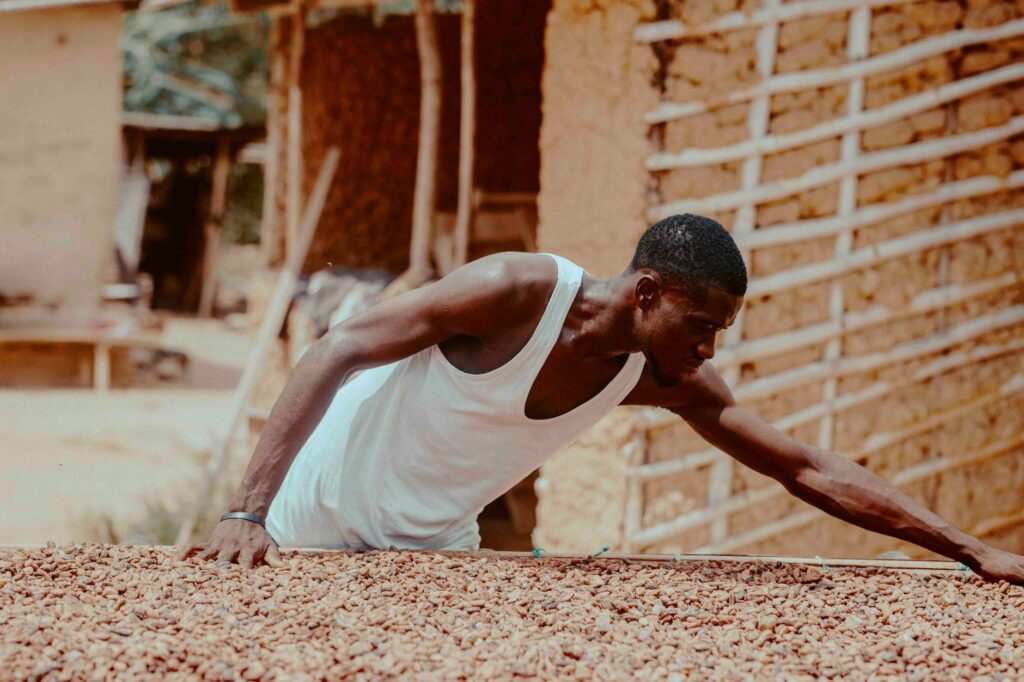
Complementing this gastronomic rise is the country’s celebrated organic cacao and shade-grown highland coffee sectors. The Dominican Republic stands among the global leaders in fine organic cacao production, fostering agro-tourism circuits in fertile agricultural regions like Duarte province. Visitors can walk through century-old cacao groves, observe traditional fermenting and drying practices, and taste single-origin chocolate produced on-site. Similarly, highland coffee trails allow travelers to engage with local farming cooperatives committed to preserving watershed canopies through sustainable forestry.
Navigating Growth: Connectivity, Conservation, and Community Inclusion
Despite its remarkable momentum, expanding the Dominican tourism model involves addressing structural challenges that will inevitably feature in regional policy panels at FIT. Inter-provincial transportation infrastructure requires continuous refinement to allow independent travelers to move effortlessly between coastal and highland regions without returning to metropolitan transit hubs.
Furthermore, managing the environmental footprint of new resort clusters demands stringent oversight regarding water conservation, renewable energy integration, and coral reef rehabilitation. A central objective is ensuring that local rural and coastal communities directly benefit from economic expansion, prioritizing fair-wage employment, professional hospitality training, and local sourcing agreements with regional farmers and artisanal fishermen.
Practical Guidance: Experiencing the Dominican Republic with Intention
For discerning travelers planning an extensive journey across the Dominican Republic, understanding the island’s geographic nuances is vital. With eight operational international airports distributed across key regions, visitors can design multi-destination itineraries without unnecessary backtracking.
Essential guidelines for an enriching journey include:
- Timing and Seasonal Variations: While the climate remains pleasantly tropical throughout the year, the period from December through April offers drier conditions and cooler evenings, ideal for cultural exploration and mountain hikes.
- Independent Transportation: Renting a reliable four-wheel-drive vehicle is highly recommended for exploring highland routes in the Cordillera Central and accessing the remote beaches of the southwest.
- Protected Area Etiquette: With over a quarter of the national territory designated as protected parks or biological reserves, respecting strict leave-no-trace protocols is critical to maintaining fragile endemic habitats.
Looking to 2026: The Path Toward Lasting Regional Leadership
Taking center stage as the guest country at FIT 2026 provides the Dominican Republic with a definitive forum to showcase the results of a comprehensive decade-long evolution in its tourism model. The ultimate objective extends far beyond simply increasing visitor headcounts; it is focused on enhancing visitor engagement, preserving invaluable natural capital, and establishing enduring partnerships across South America’s most dynamic travel economies.
When the gates of La Rural open in Buenos Aires in the spring of 2026, the Dominican pavilion will reflect not only the warmth and vibrant spirit of its people, but also the determined vision of a Caribbean nation that has thoughtfully reshaped its identity to inspire the global travel community.
Source: Periódico Digital Centroamericano y del Caribe