
Introduction to a Metropolis in Constant Mutation
When major international travel publications turn their gaze toward a Latin American destination, the immediate risk is oversimplification. The recent recognition of Medellín by global outlets like Condé Nast Traveler once again places the capital of Antioquia at the center of the tourism conversation. However, reducing this Andean valley to a postcard of urban innovation or a circuit of specialty coffee shops would mean ignoring the complex geographic, social, and economic layers that make up its daily reality. Medellín is not merely the result of a public relations miracle, but rather the product of decades of community mobilization, bold urban interventions, and an ongoing debate about its own past.
For the contemporary traveler, approaching Medellín requires a perspective that combines aesthetic curiosity with historical rigor. Far from prefabricated circuits, the city unfolds as an archipelago of neighborhoods with distinct identities, connected by a public transport network that broke the physical isolations of the topography. This editorial report delves into the real machinery of the metropolis, examining how the architectural vanguard of the southern zone coexists with the scars and resilience of the northeastern communes.
The Geography of the Valley and the Conquest of Verticality
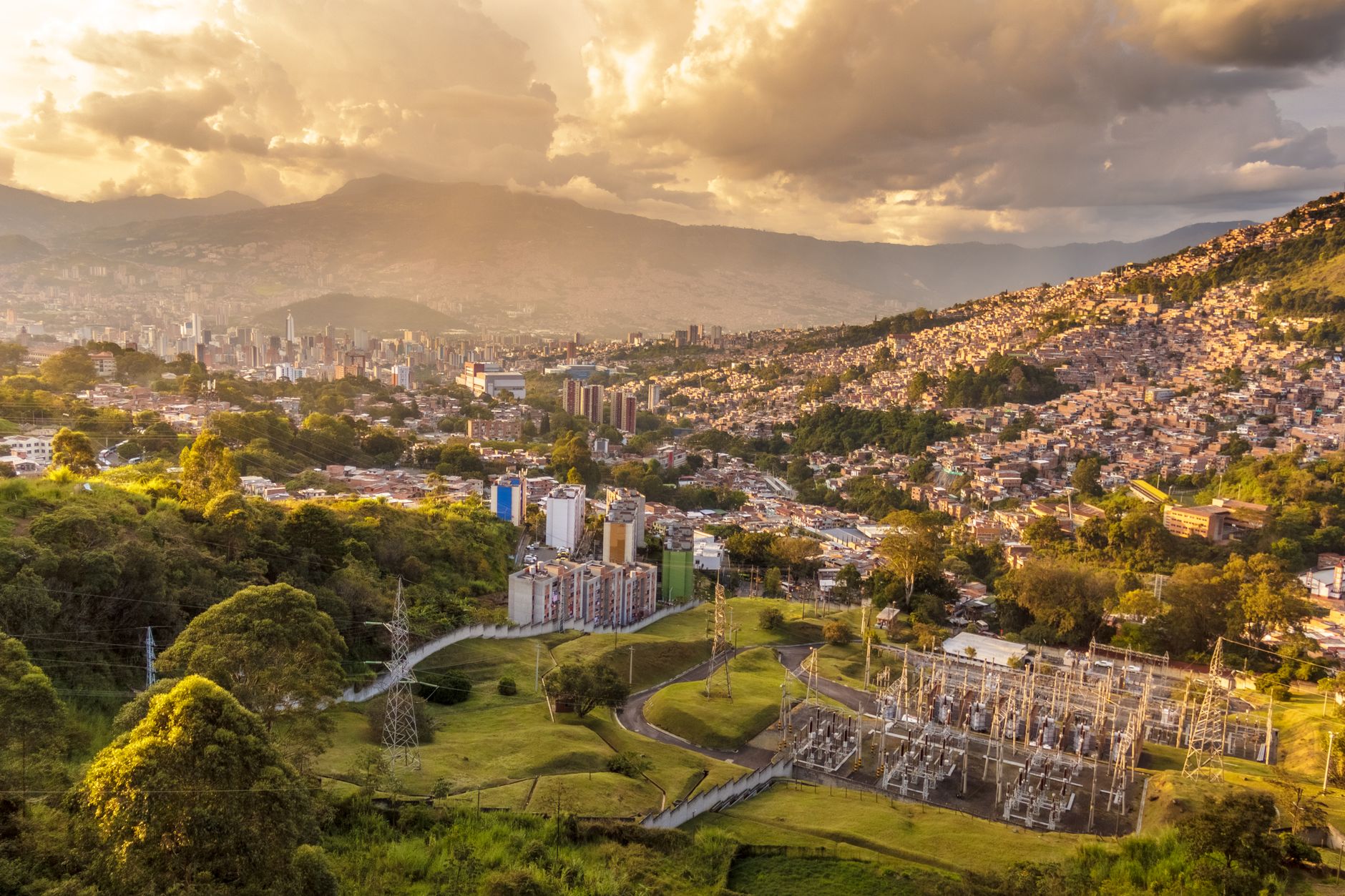
Located in the Aburrá Valley, at an average altitude of nearly fifteen hundred meters above sea level, Medellín enjoys a perpetual spring-like climate that has shaped both its architecture and lifestyle. The mountain slopes, which once acted as natural barriers of exclusion, have become the setting for one of the most studied urban transformations of the 21st century. The rugged topography ceased to be an exclusive obstacle of marginality and integrated into the global debate on how to inhabit urban slopes.
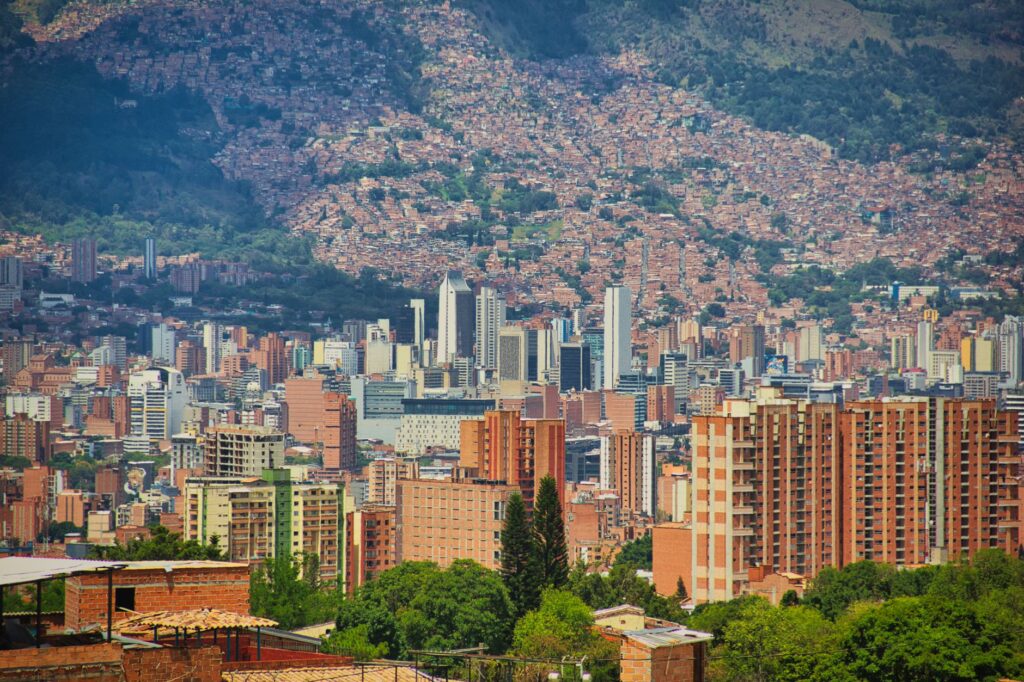
The mass transit system—including the elevated metro, metrocables, and escalators of Comuna 13—did not merely solve a mobility problem; it reconfigured territorial dignity. Commuting time stopped being a measure of social exclusion and became a reclaimed right. Traversing these infrastructures helps the visitor understand that engineering in Medellín serves a fundamentally political role: connecting what violence and informality had segregated for decades.
Contemporary Architecture and Public Spaces as Agoras
Medellín’s urban renewal process began to consolidate in the early 2000s under the concept of social urbanism. The core premise was simple yet radical: the most advanced and beautiful public buildings had to be built in the historically most depressed and neglected areas by the central administration. Thus, the Library Parks emerged, imposing cultural centers designed by renowned local architects that transformed the landscape of entire neighborhoods.
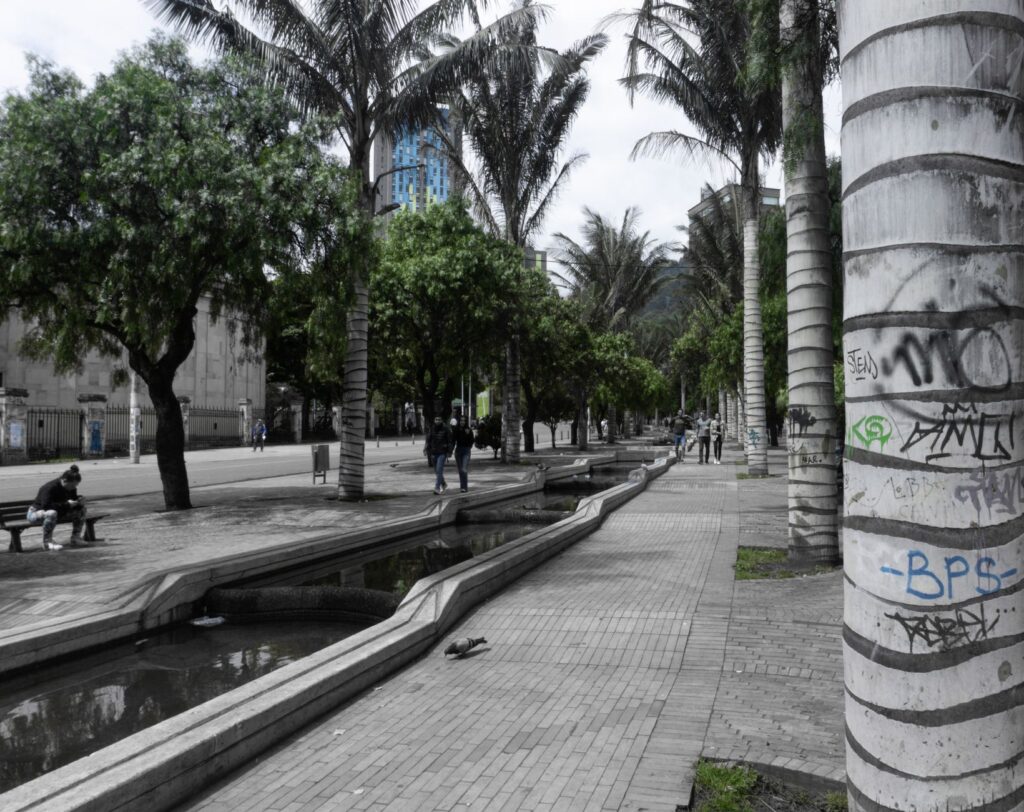
Spaces such as Parque Explora or the Botanical Garden, with its Orquideorama, demonstrate that institutional architecture can engage with tropical nature without imposing itself violently. Today, these sites function as true civic agoras. In the afternoons, the parks fill with families, students, and street performers, evidencing that the recovery of public space is the indispensable foundation upon which any sustainable tourism proposal must be built.
Memory, Pain, and Resistance in the Communes
No visit to Medellín can be considered complete without addressing the weight of its recent history. Drug trafficking, urban armed conflict, and state violence left deep marks that still ache within the community fabric. However, the local response has not been silence, but the activation of memory through art, community museums, and civil resistance routes led by the victims themselves and their families.
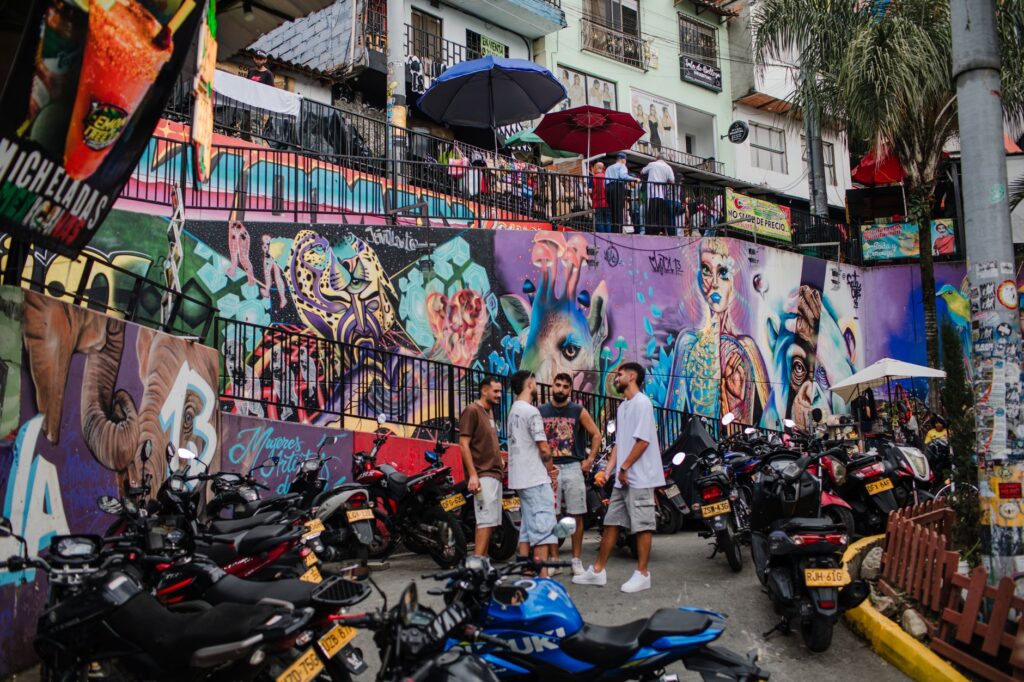
In sectors like Comuna 13, artistic interventions—ranging from graffiti to hip-hop—act as vehicles for healing and social chronicling. Guided tours led by local residents allow visitors to step away from sensationalist tourism and delve into stories of self-management and dignity. Collective memory in Medellín is an active exercise in reconstruction that rejects revictimization and demands conscious tourism, respectful of local processes and critical of stereotypes inherited from television fiction.
The true transformation of a territory is not measured by the number of international awards it receives, but by the capacity of its most vulnerable inhabitants to decide their own destiny and memory.
The Specialty Coffee Culture and Local Economy
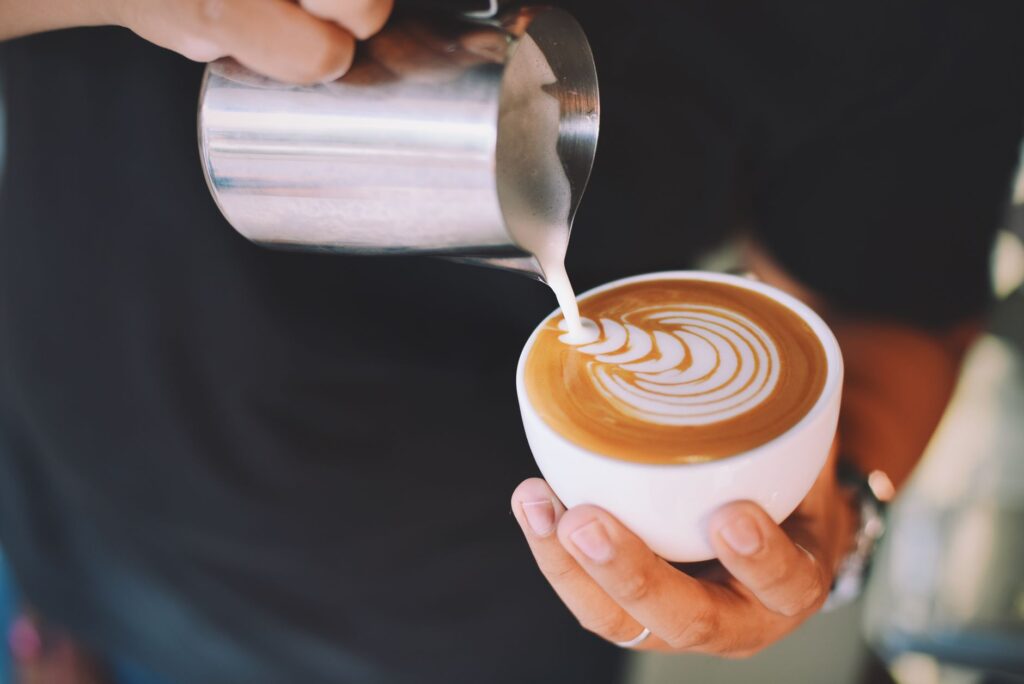
Although Antioquia has historically been a coffee-growing region, internal consumption of high-quality coffee is a relatively recent phenomenon in the metropolitan area. In neighborhoods like El Poblado, Laureles, or Perpetuo Socorro, a new generation of roasters, baristas, and cuppers has emerged, reinterpreting agricultural tradition from an urban and contemporary perspective.
This gastronomic ecosystem goes beyond importing global trends; it establishes direct supply chains with small producers in Antioquian municipalities such as Ciudad Bolívar or Concordia. For the traveler, sitting down for a cup of coffee in these establishments is an opportunity to understand the nuances of Designation of Origin, bean traceability, and the economic challenges facing the Colombian countryside against climate change and international price fluctuations.
Urban Art, Independent Galleries, and Emerging Design
Beyond traditional museums such as the Museo de Antioquia—famous for housing the monumental work of Fernando Botero—Medellín is experiencing a surge in its independent art circuits. Former industrial warehouses in districts like Ciudad del Río have been converted into contemporary creation centers, experimental galleries, and textile and graphic design studios.
The fashion industry, driven by international trade shows like Colombiamoda, finds in the city a permanent laboratory for aesthetic experimentation. Local designers combine traditional textile techniques with sustainable fibers, reflecting an ecological sensibility that seeks to position the region within global debates on ethical fashion and circular economy.
Antioquian Gastronomy: Between Tradition and Reinterpretation
Traditional Antioquian cuisine is hearty, designed to sustain the physical effort of peasants in the mountain range. The *bandeja paisa*, with its combination of beans, rice, minced meat, pork rinds, sweet plantain, arepa, and avocado, is the flagship dish that summarizes the region’s abundance and cultural mestizaje. However, the current culinary scene is undergoing a process of sophistication without renouncing its roots.
Young local chefs are rescuing forgotten native ingredients—andean tubers, wild herbs, and tropical and Amazonian fruits—to integrate them into author-driven proposals that converse with local larders. This culinary movement fosters neighborhood farmers’ markets, where it is possible to acquire organic products and establish direct contact with those who cultivate the land supplying the city.
Practical Information for the Conscious Traveler
Visiting Medellín requires planning and sensitivity to local dynamics. Below are fundamental logistical aspects to structure an informed and responsible stay:
- Getting Around: Utilize the integrated public transport system (Metro and Metrocable). Purchase a personalized or bearer Cívica card to streamline travel and reduce plastic waste.
- Accommodation: Explore options that promote community sustainability in residential neighborhoods like Laureles or Buenos Aires, prioritizing local businesses over impersonal hotel chains.
- Community Tourism: Always hire certified local guides, especially when touring communes and historical memory zones, ensuring fair compensation for the host community.
- Climate and Packing: Pack light clothing for the day and a light jacket for the evenings or occasional afternoon rains. Comfortable footwear is essential due to the city’s steep slopes.
Conclusions: The Pulse of a City Interrogating Itself
The international enthusiasm generated by travel publications is undoubtedly a tribute to the resilience of the people of Medellín. Nonetheless, Medellín’s true wealth does not lie in its status as a trendy destination, but in its perpetual restlessness. It is a city that discusses its gentrification, questions its pending inequalities, and fiercely debates its development model.
Traveling to Medellín today means accepting the challenge of looking beyond folklore and tuning into a society that builds its daily future amidst memory, art, and civic boldness.
Source in EN: Google News / Colombia.com