
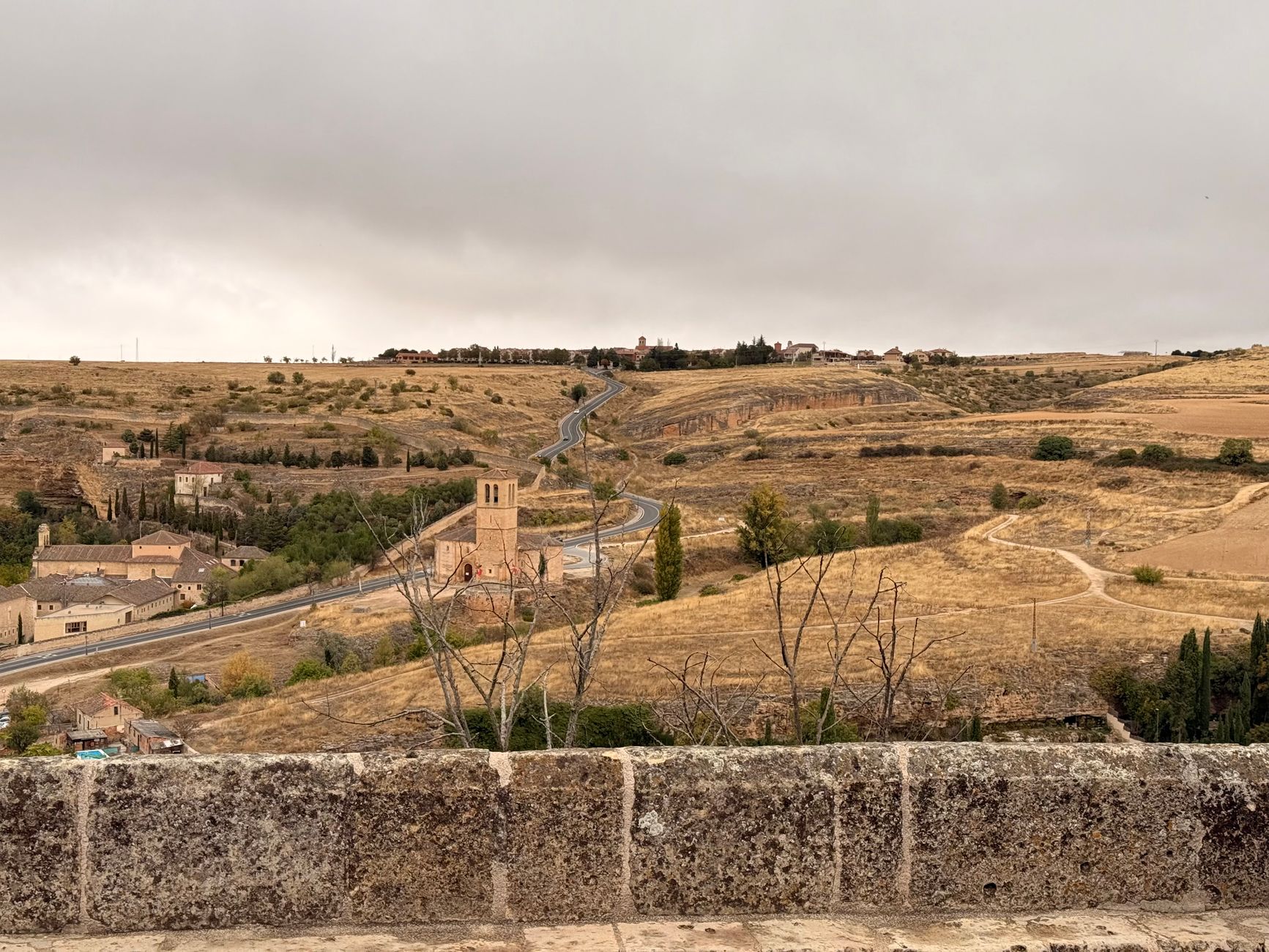

The Ebro basin is much more than a mere river corridor where Pyrenean and Iberian waters converge toward the Mediterranean; it is a territory sculpted by human effort, where extreme topography compelled nineteenth-century engineers to carve impossible railway lines. Along this itinerary, the train acts as an exceptional observatory overlooking limestone gorges and historic agricultural terraces, revealing an infrastructure that radically transformed the economy and isolation of interior districts. Every section of the track layout displays the constant dialogue between the geological power of the landscape and the millimeter precision of steel upon ballast.
Analyzing the vertebration of this corridor requires understanding the genesis of its public works, conceived in an era when overcoming the elevation changes of the Iberian System and the Ebro Depression represented a titanic challenge. Engineers of the period had to bore dozens of tunnels through live rock and erect iron bridges that defied the seasonal floods of the river flow. This report examines the current state of the infrastructure, its relevance for low-intensity sustainable tourism, and the survival of an industrial heritage that today defines the region’s traveling identity.
The Genesis of the Route: When Steam Conquered the Canyon
The historical archives of northern railway companies detail the extreme conditions faced by construction crews and engineers during the second half of the nineteenth century. The need to connect Cantabrian and Mediterranean ports with the middle Ebro valley drove a titanic project that prioritized routing parallel to the natural curves of the river over costly long tunnel borings initially. The railway trace winds by adapting millimetrically to the fluvial relief, avoiding excessive grades whenever possible that would have rendered the steam locomotives of the era useless.
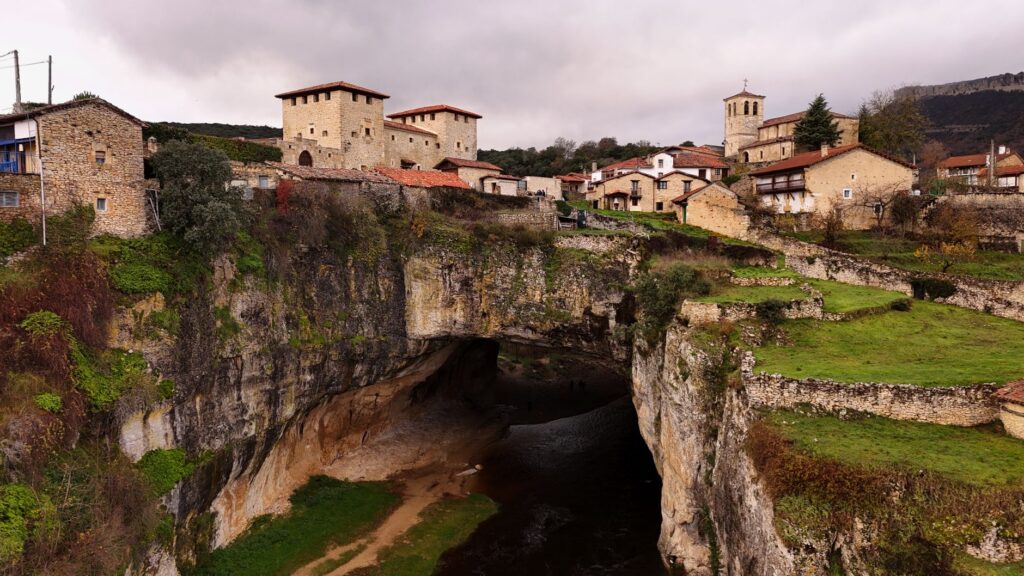
This forced respect for the topography generated a work of art in itself. Dry-stone retaining walls, built with local stone extracted from the railway cuts, currently support the embankments carrying modern regional diesel railcars. Unlike high-speed lines that pierce mountains through kilometers-long tunnels detached from their surroundings, this historic railway compels travelers to understand geography at a human speed, revealing meanders, vertical cliffs, and ancient ashlar stone stations that retain the patina of time.
Fluvial Engineering and Hydraulic Control of the Riverbed
The parallelism between the railway line and the Ebro River is not merely aesthetic, but the result of complex hydraulic planning designed to protect the infrastructure against seasonal floods. Throughout the journey, slopes reinforced with stone gabions and historic training dikes bear witness to the constant effort to stabilize clayey terrain prone to erosion. The interaction between water and steel defines the stability of the entire transport corridor, requiring highly specialized preventive maintenance tasks that combine modern technology with traditional riverbank consolidation techniques.
Beyond protecting the track, this layout enabled the development of intense industrial activity linked to hydroelectric power generation at the beginning of the twentieth century. Ancient diversion dams, centennial irrigation canals, and mini-hydroelectric plants integrated into the fluvial landscape unfold before train windows. These industrial elements, far from clashing, configure an archaeological heritage that explains the economic transformation of interior valleys, transitioning from a subsistence economy to a technified agro-industrial model.
The Architecture of Stations: Stone, Iron, and Memory
The journey along the Ebro basin is also a typological tour of nineteenth-century railway architecture. The original stations, built following standardized patterns yet adapted to regional materials, combine sandstone or limestone ashlar with hardwood structures in awnings and gabled roofs. Although many of these stops have lost their original operational function due to signal automation, several have been rehabilitated as interpretation centers or information points for travelers exploring local hiking trails.
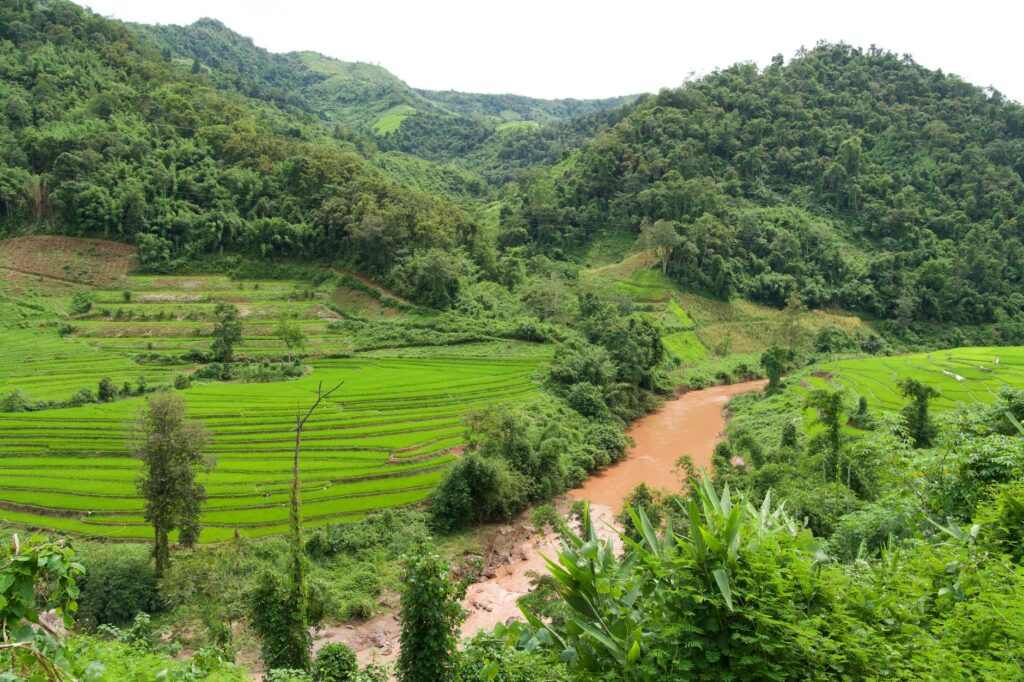
The construction typology of these buildings reflects the functional hierarchy of the era, clearly distinguishing between major junction stations equipped with freight docks and water towers for locomotives, and more modest rural flag stops endowed with unmistakable sober elegance. The conservation of this architectural heritage constitutes a fundamental challenge for local administrations, seeking to prevent the ruin of complexes that symbolize the arrival of modernity to the most secluded valleys of the northeastern Iberian Peninsula.
The Alabaster Gorges and the Geology of the Route
As the train advances toward the canyon sections, the vegetal geography gives way to imposing rock walls dominated by ochre, gray, and whitish tones of alabaster and limestone. These gorges, shaped over millions of years by the erosive action of the Ebro and its tributaries, offer a living geological section exposing strata from different eras. The passage of the railway through these narrow gorges marked a milestone in nineteenth-century controlled blasting, employing rudimentary dynamite and pickaxe techniques that cost the lives of numerous anonymous workers.
For contemporary travelers, contemplating these vertical walls from the comfort of the carriage generates a sense of immensity difficult to experience in other modes of transport. Geologists value this section as an open-air classroom where it is possible to identify tectonic faults, hanging river terraces, and karstic formations of high scientific interest. The absence of light and acoustic pollution in these secluded canyons turns the rail journey into a unique natural immersion experience in southern Europe.

Socioeconomic Impact on Riverside Communities
The arrival of the railway in the Ebro basin marked a definitive break with the secular isolation of rural communities settled on surrounding river plains and plateaus. Prior to the line’s inauguration, the transport of agricultural goods—primarily cereals, wine, and olive oil—depended on slow ox-carts across impassable dirt tracks during winter months. The rail line articulated a unified market that energized the local economy and facilitated seasonal and permanent emigration toward expanding industrial centers.
The railway did not merely transport goods and passengers through the gorges; it stitched the territory together, uniting valley economies with continental markets and radically transforming the social landscape of the riverbank.
At present, although heavy freight transport has drastically declined in the face of highway dominance, the line maintains undeniable strategic value as an element of territorial cohesion and a brake on rural depopulation. Various local collectives and rural development associations demand greater investment in frequencies and rolling stock to boost deseasonalized tourism that leverages the landscape and historical appeal of the railway layout.
Gastronomy and Local Pantries United by the Rail
The journey through the Ebro basin inevitably stimulates interest in a culinary tradition deeply tied to the territory and to fluvial and dry-land resources. Riverside orchards, watered by an ancient network of irrigation channels, supply local markets with vegetables of exceptional quality, while limestone slopes favor vineyard cultivation producing wines with protected designation of origin status. The gastronomy of this rail corridor is the direct result of human adaptation to an extreme continental climate, characterized by rigorous winters and torrid summers.

Along the main stops of the itinerary, travelers can sample specialties such as game stews, artisanal cured sausages from natural mountain curing houses, and traditional desserts made with stone fruits from the riverbanks. This gastronomic wealth, accessible just a few steps from ancient stations, forms a slow-tourism ecosystem that perfectly complements the rail travel experience, favoring zero-kilometer products and the preservation of ancestral recipes.
Practical Guide
How to Get There: The main gateways to the Ebro basin railway line are the nodal stations of Zaragoza and Logroño, well-connected to the national high-speed rail network and major international airports in northern Spain. Regional trains operating the historic route depart from these hubs.
When to Travel: The spring months (April to June) and autumn (September to November) offer the most favorable weather conditions to enjoy the landscape, avoiding extreme summer temperatures and ensuring optimal river flow in the gorges.
Route Planning: It is recommended to purchase a flexible regional rail pass allowing intermediate stops in towns with the greatest historical and architectural heritage. Checking updated schedules on the official Renfe website is advisable, as frequencies may vary by season and infrastructure maintenance work.

Accommodation and Dining: Opt for small rural inns and historic guesthouses located in rehabilitated former manor houses a short distance from the stations. For meals, prioritize local restaurants working with seasonal produce and homestyle casserole cooking.
The Echo of the Whistle in the Valley Twilight
When the sun begins to set behind the limestone ridges of the Ebro basin, golden light bathes the stone embankments and terraced crop fields, tinging the landscape with serene melancholy. At that precise moment, the distant echo of a regional train whistle crossing a centennial iron bridge seems to connect the industrial past of the territory with its slower-paced present. Traveling along this rail route is accepting an invitation to decelerate the pace, to understand that true luxury in contemporary travel lies in the rigorous contemplation of the landscape and respect for the infrastructures that made the vastness of the territory habitable.
Far from the haste of major transport axes, this corridor of steel and water demonstrates that human engineering, when integrated with sensitivity into the natural environment, can endure as a moving work of art. Travelers who disembark at any of its forgotten stations find not only a haven of peace, but also the certainty that geographies still exist where time is measured by the unhurried beat of water and the firm trace of tracks upon ancient stone.


