
Introduction to the Lacustrine Landscape of Tuusula
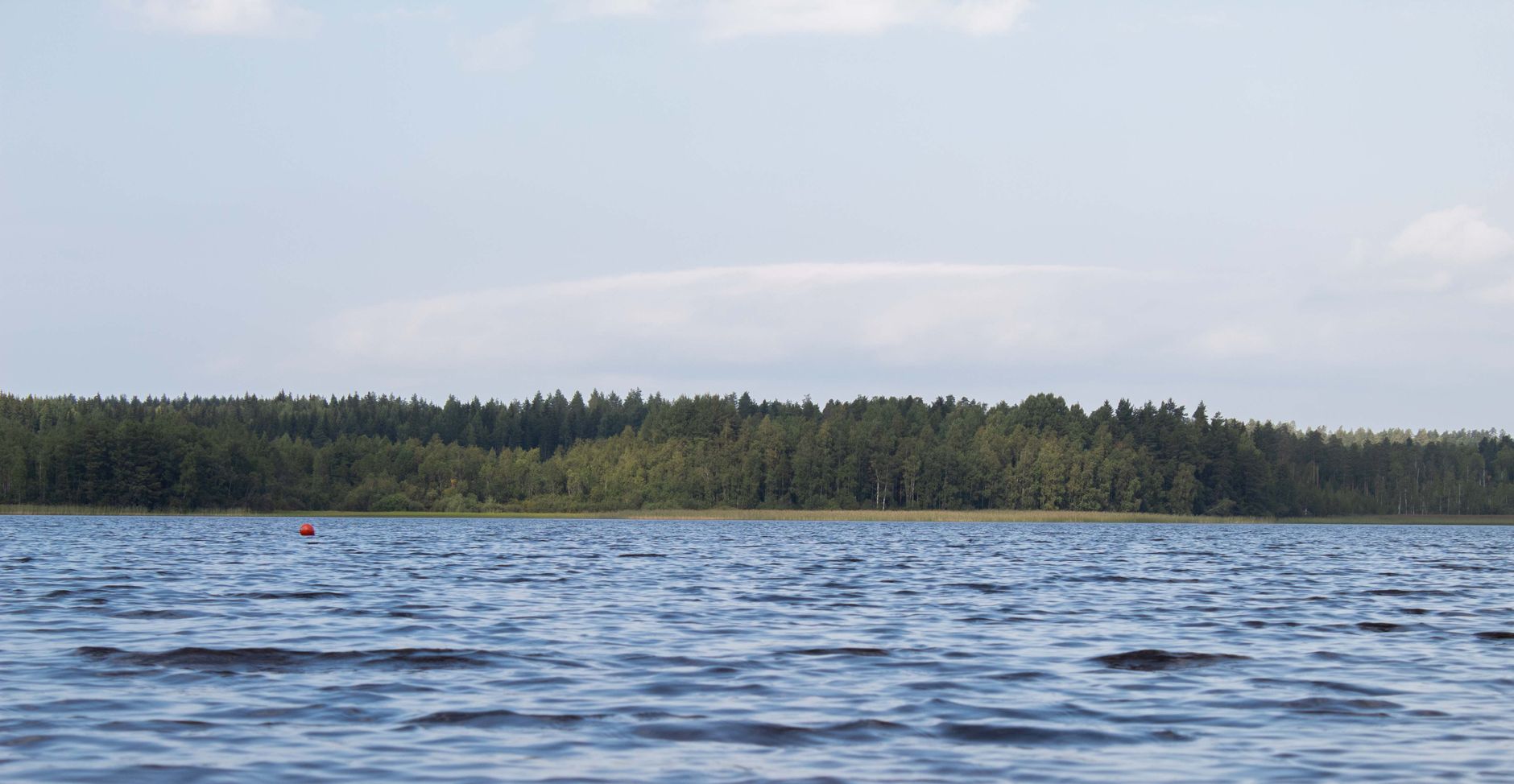
The Finnish territory defines itself through its vast network of water mirrors, where the boundary between solid ground and liquid surface blurs beneath extensive blankets of boreal forests. In the southern region of the country, the municipality of Tuusula emerges as a clear example of this millenary geographical balance. The waters of Lake Tuusula, stretching with marked serenity across this municipality within the Uusimaa region, have historically shaped not only the physical relief but also the way of life of the communities settled along its shores. This hydrological environment functions as an ecological corridor of vital importance, where aquatic and riparian biodiversity resists and thrives despite the proximity of surrounding metropolitan hubs.
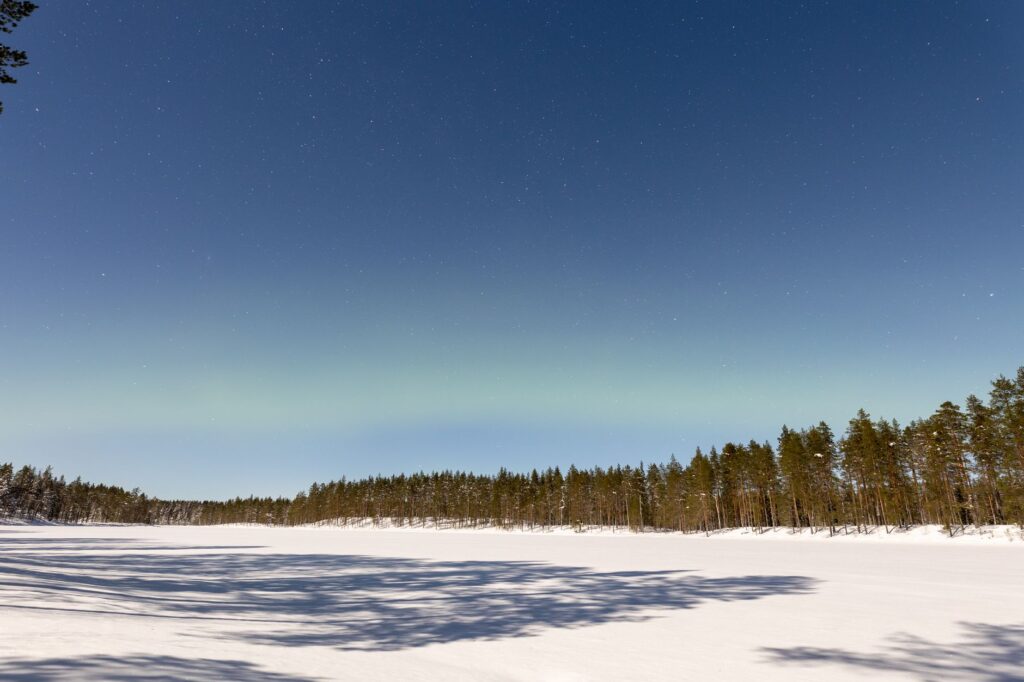
Far from constituting a mere geographical feature, Tuusula’s ecosystem represents a complex web of biological interactions that demands rigorous attention for its conservation. The seasonal dynamics of the Nordic climate impose a radical transformation on the landscape: from the harsh winter, when the lake’s surface freezes completely beneath layers of ice and snow, to the vital burst of spring and summer, periods when migratory birds and aquatic vegetation recover their maximum dynamism. Understanding this natural cycle requires delving into the structure of its habitats, recognizing the fundamental role played by local communities in safeguarding their environmental heritage.
Geological Formation and the Origin of the Lake
The geomorphological configuration of Tuusula is the direct result of the last glaciation, a process that left an indelible mark across the entire Finnish territory. As the immense continental ice sheets retreated, the terrain was scarred by numerous shallow depressions and basins that, with the thaw, gave rise to thousands of interconnected lakes. Lake Tuusula rests upon this substrate of glacial origin, characterized by clayey soils and moraines that determine the chemical composition of its waters and the typology of the surrounding vegetation.
This predominantly flat and low-altitude relief favors water accumulation and the formation of wetland areas along the basin’s margins. The gentle slope of the terrain means that nutrient inputs from surface runoff and adjacent boreal forests play a decisive role in the limnology of the lake. The sediments accumulated over millennia harbor a unique geological and ecological record, allowing contemporary researchers to study the climatic and environmental evolution of this zone within the Helsinki sub-region.
Flora and Fauna Adapted to the Boreal Climate
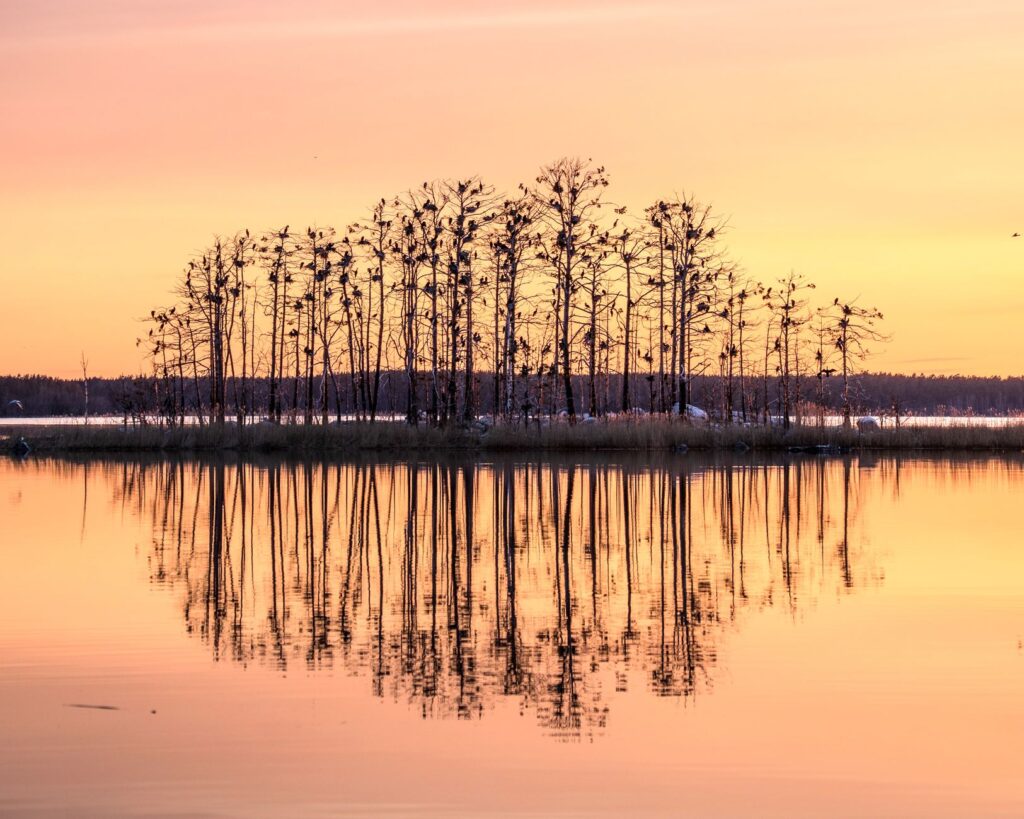
The shores and waters of Tuusula host a biological community rigorously specialized in enduring the rigors of the subarctic climate. Boreal coniferous forests, dominated by Norway spruce and Scots pine, descend to the very waterline, mingling in wetter areas with downy birch and black alder. These strips of riparian vegetation act as a natural filter and an indispensable refuge for numerous species of mammals and birds seeking food and protection against inclement weather.
Among the most notable winged inhabitants of the area are various species of waterfowl and waders that use the lake as a resting and nesting area during their seasonal migratory routes. Great crested grebes, greylag geese, and different varieties of wild ducks populate the coves and reed beds during the summer months. In the waters, the fish fauna includes stable populations of perch, northern pike, and roach, adapted to surface freezing cycles and variations in dissolved oxygen levels throughout the year.
The Historical Coexistence Between Settlements and Water
The relationship between Tuusula’s inhabitants and their aquatic environment has deep historical roots. Since the earliest permanent settlements in the region, the lake has functioned as an artery of subsistence, providing food resources and facilitating local transport before the advent of modern terrestrial infrastructures. Coastal communities have adapted their socioeconomic practices to the seasonal availability of natural resources, establishing a traditional balance that prioritized moderate use over intensive exploitation.
Over the centuries, this fluvial and lacustre landscape has also exerted a powerful attraction over figures from the Finnish cultural sphere, inspiring artists, writers, and composers who found in the stillness of its horizons a propitious space for creation. However, this long history of human occupation has not been free of ecological tensions. Demographic growth and agricultural expansion in the vicinity of the basin posed significant challenges to water quality in the past, prompting the implementation of pioneering restoration and environmental control initiatives decades ago.
The preservation of an aquatic ecosystem in boreal latitudes does not depend solely on the legal protection of its surface, but on the integrated management of the entire river basin and the daily responsibility of those who inhabit its shores.
The Challenges of Eutrophication and Ecological Restoration
One of the greatest historical challenges faced by Lake Tuusula has been the process of eutrophication, accelerated by nutrient inputs derived from intensive agricultural activity and human settlements within its drainage basin. This phenomenon periodically causes excessive algae proliferation and a drastic decrease in dissolved oxygen in deep layers during periods of summer stratification, compromising the survival of native aquatic fauna.
To counter this degradation, local authorities and environmental management agencies have implemented a set of rigorous technical measures. Among these stand out the construction of artificial wetlands for nutrient retention before reaching the lake, biomanipulation fishing to reduce fish populations that favor water turbidity, and continuous monitoring of physicochemical parameters. These sustained efforts have gradually improved the ecological quality of the water, demonstrating that the recovery of aquatic ecosystems is a complex but feasible process through coordinated action.
Network of Trails and Riparian Protected Areas
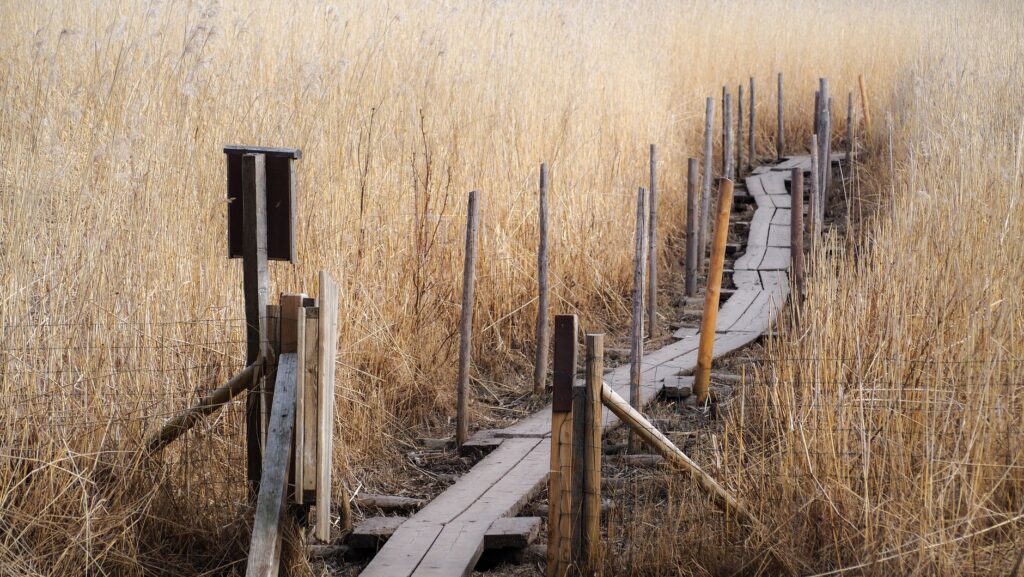
To ensure public enjoyment of nature without compromising the integrity of fragile habitats, Tuusula features a carefully planned network of pedestrian trails, wooden boardwalks over marshy areas, and wildlife observation points. These paths allow visitors to tour the margins of the lake and venture into the adjacent boreal forests, offering privileged perspectives on the transition between terrestrial and aquatic environments.
Local protection regulations establish strict restrictions in certain nesting areas during spring, prohibiting access off marked trails to prevent the disturbance of more sensitive species. In this way, a respectful approach that highlights environmental education is fostered. Informative panels located along the routes detail botanical richness and local geology, transforming each walk into a learning experience about the functioning of Nordic ecosystems.
Guidelines for a Environmentally Respectful Visit
The concept of sustainability in a natural environment as vulnerable as Tuusula’s is based on the adoption of low-impact practices by every visitor. The fundamental premise lies in minimizing the ecological footprint, scrupulously respecting local flora and fauna, and avoiding any type of alteration in the physical environment. Recreational activities must be developed under criteria of strict moderation, prioritizing silent observation and the responsible use of enabled infrastructures.
Fundamental principle: The conservation of local biodiversity requires visitors to refrain from lighting fires outside expressly authorized spaces and to strictly collect all their waste, preventing the contamination of the soils and the lake’s waters.
Likewise, the use of sustainable means of transport, such as bicycles or walking, is recommended to access the various points of interest located around the municipality. Respect for private property and municipal conservation regulations ensures that this natural heritage maintains its ecological qualities intact for future generations.
Practical guide
How to get there: The municipality of Tuusula is located in the southern region of Finland, very close to the country’s capital. It is accessible via regular bus services connecting Helsinki and Vantaa with the various localities within the municipality. The proximity to Helsinki-Vantaa International Airport also facilitates access for travelers coming from other regions.
Best time to visit: The summer months, from June to August, offer optimal weather conditions for hiking and bird watching, with long hours of daylight. The autumn period stands out for the chromatic richness of the boreal forests, while winter attracts those seeking snowy landscapes and ice activities, always under verified safety conditions.
Equipment recommendations: It is essential to have appropriate hiking footwear, preferably waterproof, given that some riparian areas may present persistent humidity. During the summer season, the use of insect repellent is indispensable, while in the cold months technical thermal clothing arranged in layers is required.
Final Reflection on Water and Forest Conservation
The close observation of Tuusula’s aquatic and forest landscapes invites a profound reflection on the interdependence between human activities and the health of natural ecosystems. In a global context marked by climate urgency and accelerated biodiversity loss, the experience of this Finnish municipality demonstrates that prudent management and community commitment are effective tools to safeguard water resources. Protecting the lake’s waters and its surrounding forests is not merely a matter of aesthetic preservation, but an imperative necessity to maintain the ecological balance that sustains life in these northern European latitudes.