

An Enclave Between Mountains and Plains in the Heart of Oman
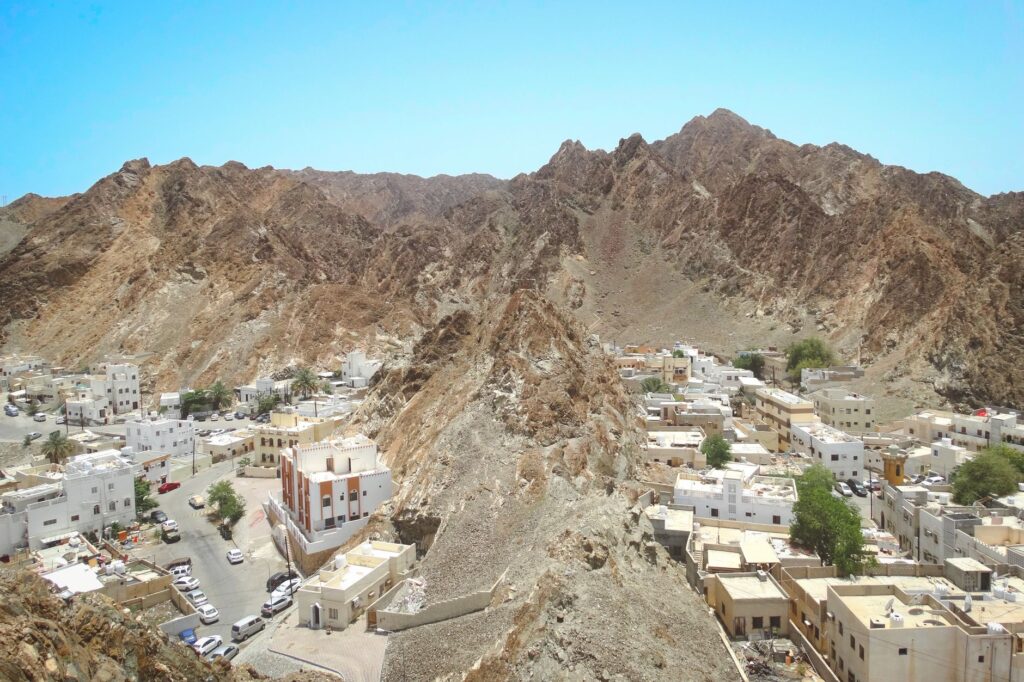
Located within the Ad Dakhiliyah governorate, the town of Bidbid stands as a fundamental gateway toward the mountainous interior of Oman. With an average elevation of around two hundred meters above sea level and a landscape defined by the transition between rocky foothills and alluvial plains, this historic settlement encapsulates centuries of human adaptation to a rigorous climate. Far from the bustling pace of major coastal metropolises, Bidbid maintains its own cadence marked by the seasons, water availability, and the agricultural chores that have sustained its community for generations.
The surrounding landscape is dominated by wadis with mostly dry riverbeds prone to sudden flash floods during seasonal rainfall. This geography, sculpted by erosion, has historically dictated how local inhabitants organize their settlements, placing homes and cultivated orchards on river terraces where soil retains higher moisture. The intense, golden sunlight for much of the year bathes clay and stone walls, generating deep chromatic contrasts between the surrounding desert aridity and the green oases dotting the valley.
Geographically positioned as a natural transition point, the town connects coastal plains with the dramatic limestone massifs extending deeper into the country. This crossroads nature has shaped its historical significance as a staging area for travelers, merchants, and local farmers moving between different ecological zones. The local ecosystem relies heavily on the delicate balance between arid land management and the seasonal surge of water descending from the higher elevations, creating microclimates where date palms and resilient crops can thrive despite the challenging ambient temperatures.
Defensive Architecture and Raw Earth Heritage
The architectural heritage of Bidbid is characterized by watchtowers, fortifications, and traditional dwellings constructed from adobe mud, straw, and local stone. These structures not only served strategic protective functions against historical incursions but also represented a highly efficient climatic response. Thick walls act as natural thermal insulators, keeping interiors cool during peak solar hours and retaining accumulated heat when temperatures drop sharply after sunset.
Preserving this construction legacy presents a complex challenge today for local authorities and residents alike. Traditional rammed-earth and masonry techniques require ongoing maintenance to prevent the ravages of wind erosion and occasional torrential downpours. Local heritage experts note that raw earth architecture is not a static element, but a living organism requiring the generational transmission of artisanal knowledge to endure over time.
Earth architecture in the Omani interior constitutes a three-dimensional archive of collective memory, where every adobe wall narrates a story of climatic resilience and neighborhood cohesion.
Wandering alongside these historic structures provides insight into the human scale that characterized traditional Omani population centers. Narrow alleys, designed to generate cooling breezes and provide mutual shade between buildings, foster close neighborhood coexistence where public and private spaces intertwine harmoniously.
The meticulous placement of watchtowers along strategic ridges further highlights the defensive ingenuity of past generations. Built to monitor approaches from the valleys, these vantage points utilized local stone seamlessly integrated with the natural rock formations, rendering them both functional and visually tied to their environment.
The Falaj System: Millennial Water Engineering
No examination of daily life in Bidbid is complete without analyzing the fundamental role of irrigation channels known as aflaj, unique underground and surface water distribution systems recognized as World Heritage. This millennial network harnesses aquifers from nearby mountains to equitably supply both date palm groves and domestic consumption.
The communal management of these channels demands a high degree of social organization and strict agreements regarding irrigation turns, traditionally overseen by local figures appointed for their expert knowledge. Water flowing through these artificial conduits represents the true lifeblood of the oasis, enabling subsistence agriculture in a geographical environment where this resource remains extremely scarce and precious.
Around water distribution points, a significant portion of daily socialization unfolds. Farmers gather beneath the lush fronds of palm trees to discuss harvests, planting cycles, and weather patterns, keeping alive informal communication channels that have structured Omani society for centuries.
The engineering behind these water channels involves sophisticated gravitational flow techniques that transport water across kilometers without mechanical pumps. Maintaining these underground tunnels and open surface channels requires continuous manual labor and specialized clearing methods, ensuring that the precious liquid reaches every assigned plot according to historic customary laws.
Daily Life in Local Markets and Workshops
The daily pulse of Bidbid is clearly perceived in its small shops, local markets, and artisanal workshops, where goods linked to the land and home are crafted and traded. Unlike large urban shopping centers, commerce here retains a markedly personal character, where mutual trust and direct dealing remain the primary norm in every transaction.
Local artisans continue to craft basketry using palm fibers, utilitarian ceramics, and the restoration of traditional farming tools. Although facing competition from standardized industrial products, these trades persist as pillars of cultural identity, demonstrating the resilience of practical knowledge in the face of contemporary socioeconomic shifts.
Families routinely purchase fresh ingredients grown in valley orchards, such as various date varieties, local lemons, and seasonal vegetables, prioritizing the proximity consumption defining the traditional Omani diet.
Gathering spaces within the community markets also serve as informal forums where news is exchanged and older generations pass down traditional recipes, craft techniques, and oral histories to younger members of the community, safeguarding intangible heritage through everyday interactions.
Hospitality as Social Norm and Travel Ethics
For visitors venturing into Oman’s interior, hospitality is not merely a tourist amenity, but a fundamental ethical pillar deeply rooted in the country’s cultural norms. Welcoming travelers with cardamom-scented coffee and fresh dates is a ritual that transcends simple courtesy, establishing a bridge of mutual respect between host and guest.
This tradition of welcoming entails a clear responsibility for visitors. Sustainable tourism experts emphasize the need for respectful practices: dressing modestly, asking permission before photographing local residents or children, and avoiding any disruption to the tranquility of residential and agricultural spaces.
Responsible tourism in small interior Omani enclaves demands an attitude of listening and absolute respect for pre-existing community rhythms.
Civic behavior and discretion ensure that openness to outsiders in towns like Bidbid does not degrade intangible heritage, allowing travelers to enjoy an authentic experience without altering inhabitants’ daily lives.
Understanding local customs also involves recognizing the privacy of domestic and agricultural enclosures. Respecting boundaries and seeking guidance when navigating historic areas contributes to a harmonious exchange that preserves the authentic atmosphere cherished by residents.
Practical guide
Getting there: Bidbid is accessible by road from Muscat via the main highway leading toward Nizwa, making travel by private or rental vehicle convenient in a journey lasting approximately one hour.
When to visit: The months between November and March offer the most favorable weather conditions, with mild daytime temperatures ideal for exploring trails and oases on foot.
Accommodation and services: Direct hotel options within the town are limited, prompting many visitors to stay in Muscat or in traditional guesthouses located in neighboring towns within the Ad Dakhiliyah governorate.
Code of conduct: Visitors are advised to dress modestly, covering shoulders and knees in both urban and rural settings, and to maintain a respectful attitude in places of worship and private agricultural spaces.
The Oasis Horizon and the Continuity of Time
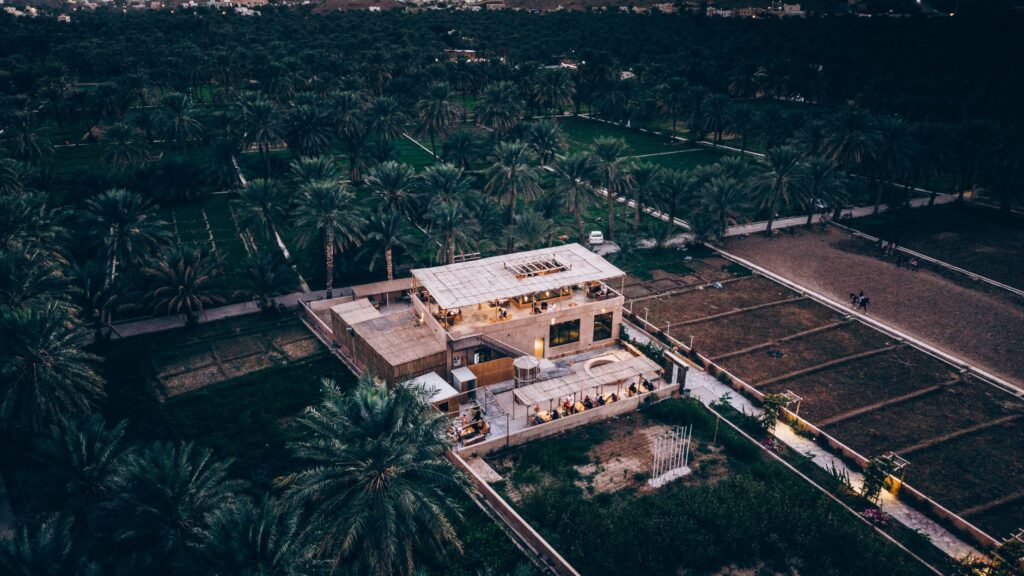
As dusk falls, the light over the date groves of Bidbid acquires an amber hue that softens the contours of the arid mountains and restores an ancestral calm to the landscape. In this fragile balance between historical heritage, intelligent water management, and the discreet dignity of daily life, the Omani town projects an image of permanence against the dizzying acceleration of the contemporary world. A tangible reminder that a territory’s true wealth lies in its communities’ capacity to preserve identity without abandoning dialogue with the present.