
Kokkola, Finland: Northern Skies and Air Architecture Connecting the Gulf of Bothnia
Baltic Horizons and Air Mobility in Kokkola
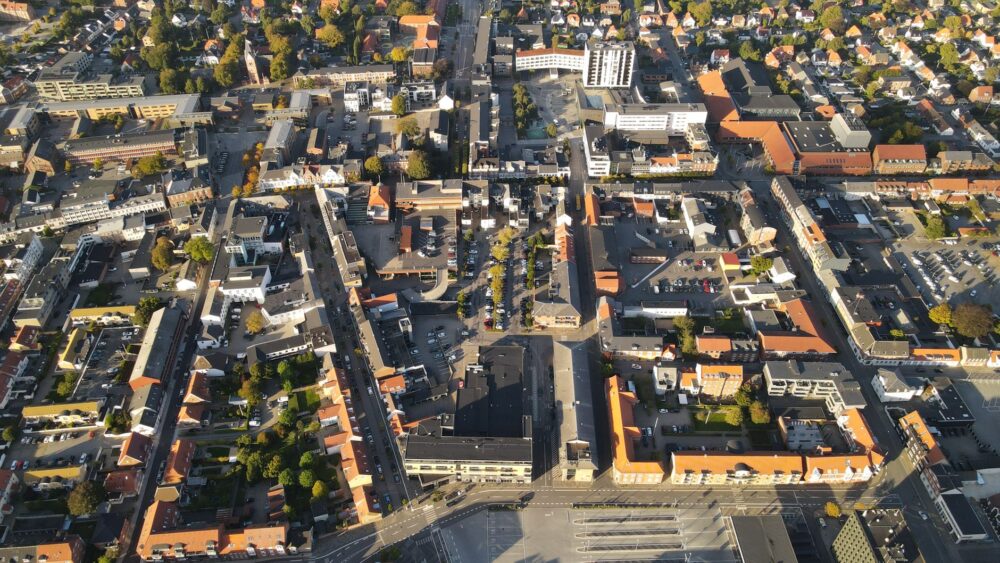
In the northwestern corner of the Central Ostrobothnia region in Finland, the city of Kokkola displays a daily life deeply connected to its geographical environment and the communication routes that sustain it. Far from the hustle and bustle of major European metropolises, this coastal municipality of a little over forty-eight thousand inhabitants organizes its daily pulse by integrating centuries-old traditions with modern transport infrastructures. Civil aviation and regional access play a fundamental role in ensuring that a community located at such northern latitudes maintains a steady flow of people, goods, and ideas with the rest of the country and the European continent.
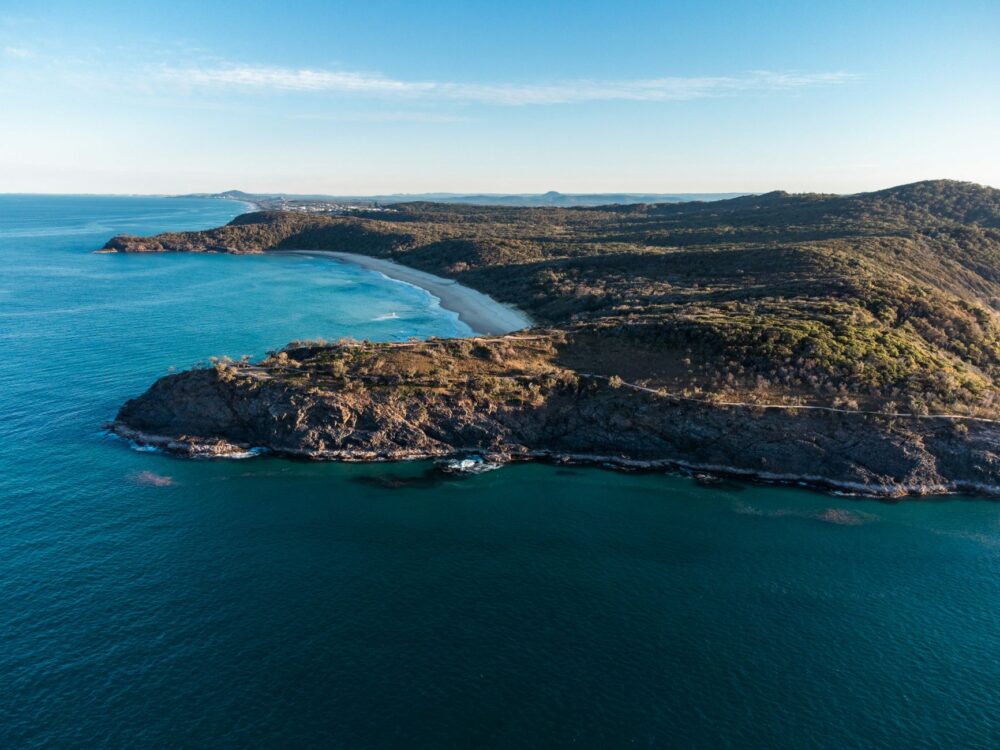
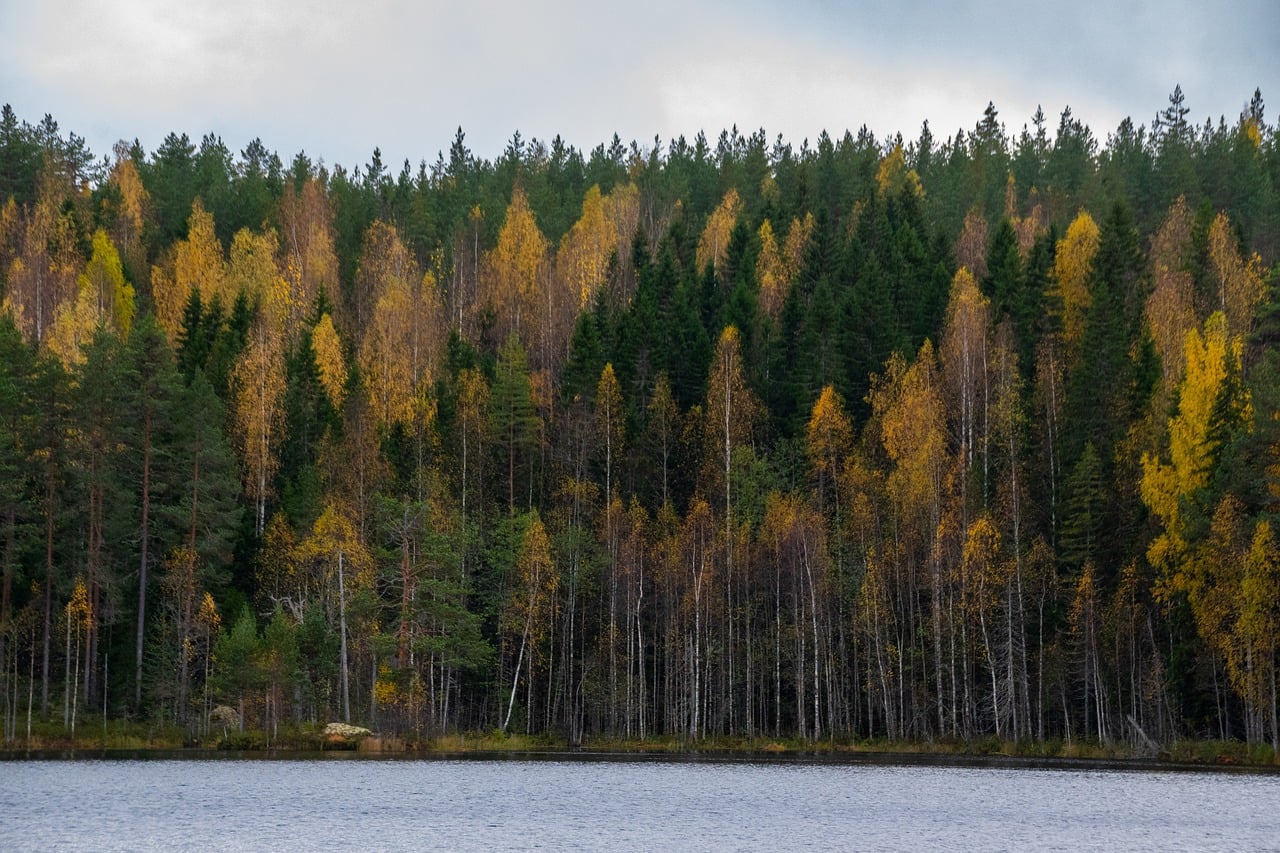
The analysis of air transport in this area cannot be separated from its climatic and historical context. Winter temperatures, reduced daylight hours during the coldest months, and the vast expanse of forests and waters that characterize the Finnish landscape impose unique technical and operational demands. Runways, approach systems, and air terminals must operate with millimeter precision to overcome adverse weather conditions. Thus, the region’s airport infrastructure functions as a vital node that complements rail and road networks, allowing residents and travelers to bridge distances efficiently.
Airport Architecture and the Human Scale of Travel
Unlike massive international terminals overwhelmed by huge passenger flows, the infrastructure serving Kokkola stands out for its functionality, human scale, and sober Nordic aesthetic. The airport buildings in this region prioritize spatial clarity, the use of natural light, and local materials such as wood and treated steel to withstand the rigors of the climate. Every architectural detail responds to the need to offer a fluid transition between the snowy or wooded exterior and a warm, welcoming interior.
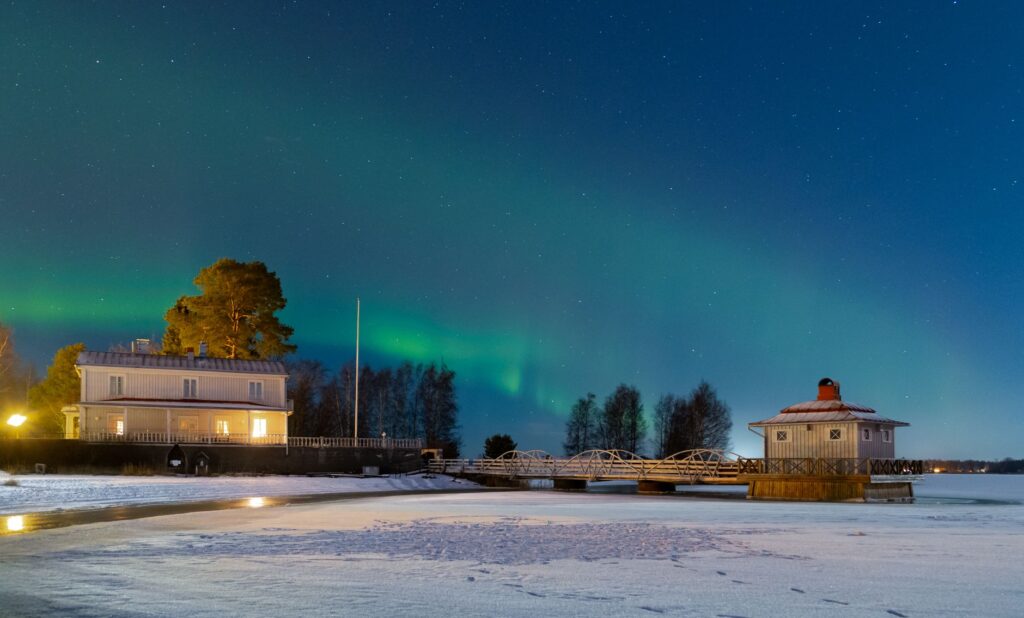
The passenger experience in these facilities departs from the habitual stress of major connection hubs. Waiting times are reduced, security controls operate with agility, and the relationship between ground staff and travelers retains a close and personalized character. This dynamic favors a type of mobility where the air journey is perceived as a natural extension of community life. Architects tasked with conceiving these spaces have historically understood that formal simplicity is the best response to the complexity of travel in northern Europe.
Regional Connections and the Socioeconomic Fabric
The viability of a medium-sized city like Kokkola depends largely on the robustness of its transport connections. Local businesses, educational institutions, and professionals from various sectors rely on the reliability of air routes to maintain their competitiveness and international ties. The regular flow of aircraft facilitates the arrival of specialists, encourages sustainable tourism, and allows local inhabitants to travel toward core hubs such as Helsinki with minimal time complications.
This mobility network also reinforces territorial cohesion within Finland. Public regional transport policies seek to balance development between the capital and peripheral provinces, ensuring that living on the coast of the Gulf of Bothnia does not imply geographical isolation. Regional airlines operate under strict punctuality and safety standards, becoming the invisible lifeline that sustains the local economy throughout the year, especially when land routes are hindered by blizzards or ice accumulations.
Transport infrastructure is not merely a sum of concrete and metal, but the circulatory system that allows northern communities to engage in a permanent dialogue with the world.
Historical Heritage and the Evolution of Transport
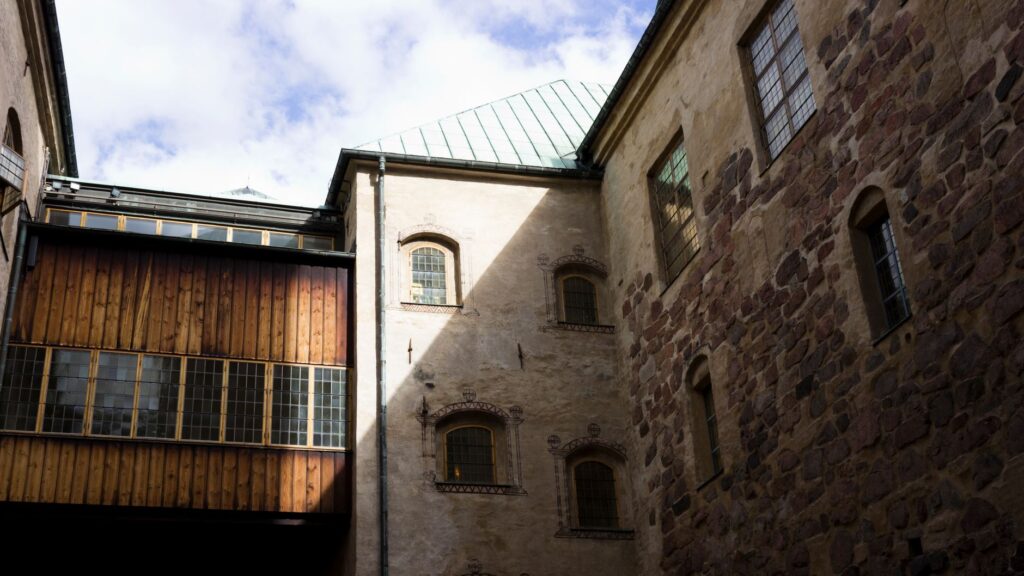
Kokkola’s vocation as a commercial and transport meeting point is rooted in past centuries. Founded in the early seventeenth century, the locality has evolved from a settlement dedicated to fishing and maritime trade into an administrative and cultural regional capital. In its early stages, navigation routes across the Gulf of Bothnia constituted the only umbilical cord with the exterior, facing the harsh conditions of a sea that remains partially frozen during winter.
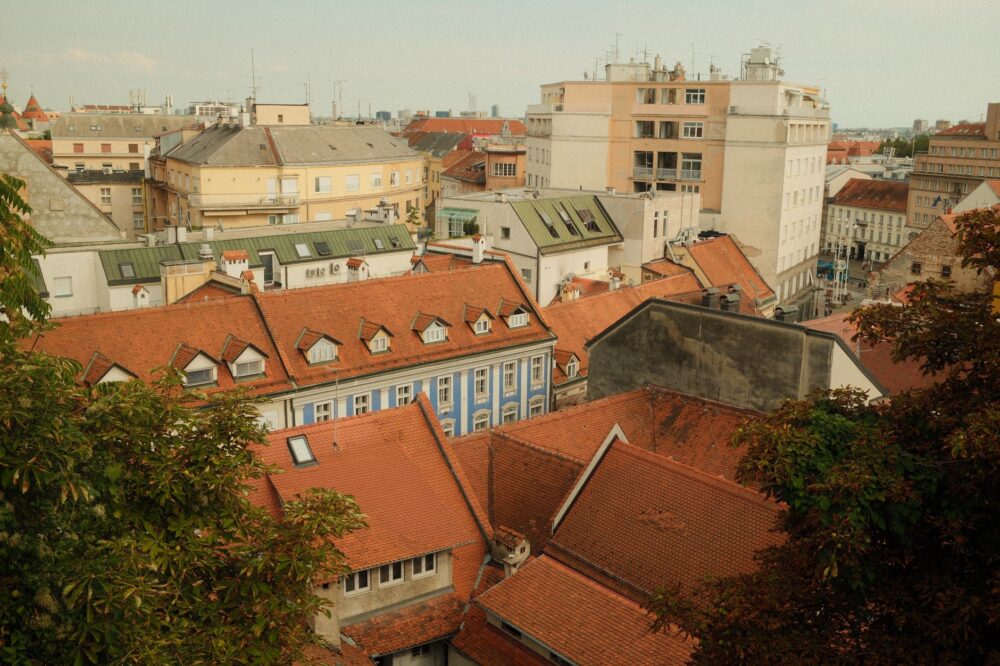
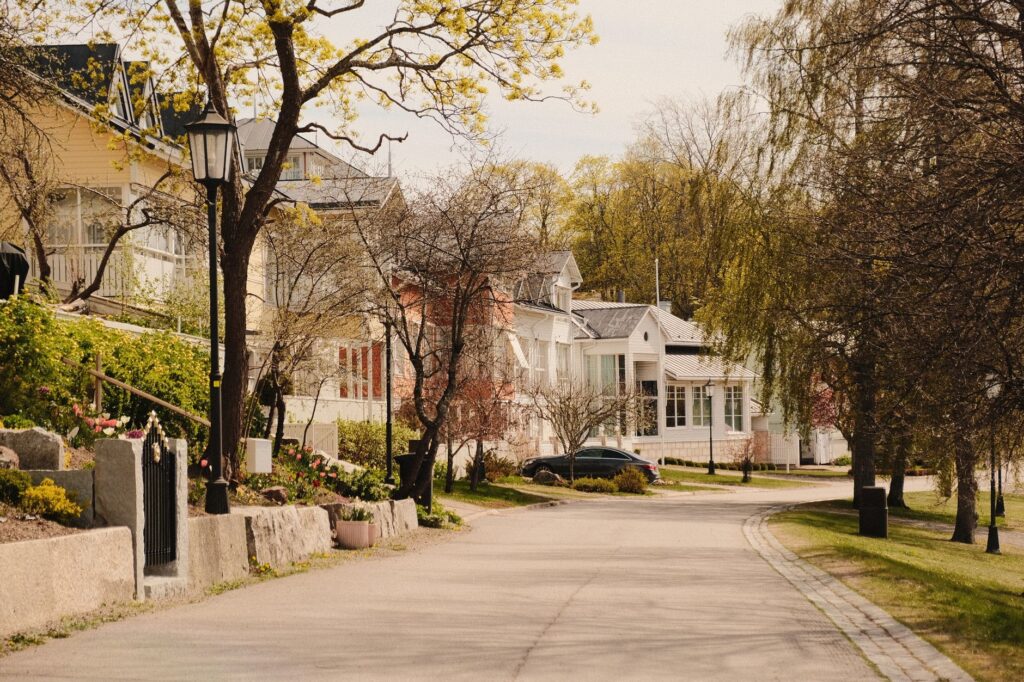
Over time, the arrival of the railway first and civil aviation later deeply transformed the physiognomy of local mobility. Current infrastructures harmonize with historical heritage, especially with traditional wooden house neighborhoods like Neristan, which attest to the prosperous mercantile heritage of the area. Understanding the current transport system in Kokkola requires looking back and recognizing the continuous effort of its inhabitants to master a geographically demanding territory through technical innovation and perseverance.
Daily Life Under the Influence of Regional Aviation
For the ordinary citizen, the presence of efficient air connections represents a tangible expansion of their vital horizons. Students pursuing higher education in other regions, families visiting relatives abroad, and workers commuting for professional reasons value the immediacy provided by the local airfield. This accessibility reduces the sense of remoteness that has historically weighed on northern European communities.
Likewise, punctuality in departure and arrival schedules positively conditions the organization of Kokkola’s social and economic agenda. Business meetings, the arrival of urgent medical supplies, and the reception of cultural visitors depend on a logistics chain in which the air link plays an irreplaceable role. Far from being an alien element, air transport forms part of daily routine, integrating naturally into a landscape where nature and technique converge.
Sustainability and the Future of Mobility in Northern Finland
Currently, the challenges facing the air transport sector in low-population-density regions inexorably involve environmental sustainability. Local authorities and transport operators in Finland are implementing measures aimed at reducing the carbon footprint of aviation operations, betting on cleaner aviation fuels and optimizing routes to minimize energy consumption. The balance between maintaining essential connectivity and protecting fragile Baltic ecosystems is an unavoidable priority.
The future of mobility in Kokkola projects toward an even greater integration among different transport modes. The intelligent combination of regional buses, punctual rail connections, and efficient flights points toward a multimodal mobility model where travelers can plan their journeys with total transparency and minimal ecological impact. Investments in digitalization and infrastructure modernization ensure that this Finnish city continues adapting to twenty-first-century demands without losing its identity.
The contemporary challenge of regional aviation consists of reconciling indispensable human connectivity with absolute respect for the natural landscapes that surround it.
Travel Practices and Seasonal Connectivity
Finland’s weather conditions impose notable seasonal variations on the planning of any trip. During summer, extremely long days allow visitors to make the most of daylight hours for connections and tourist journeys through the Ostrobothnia region. In contrast, winter demands special attention to weather forecasts and potential flight rescheduling due to heavy snowfalls or low-visibility conditions in the Gulf of Bothnia.
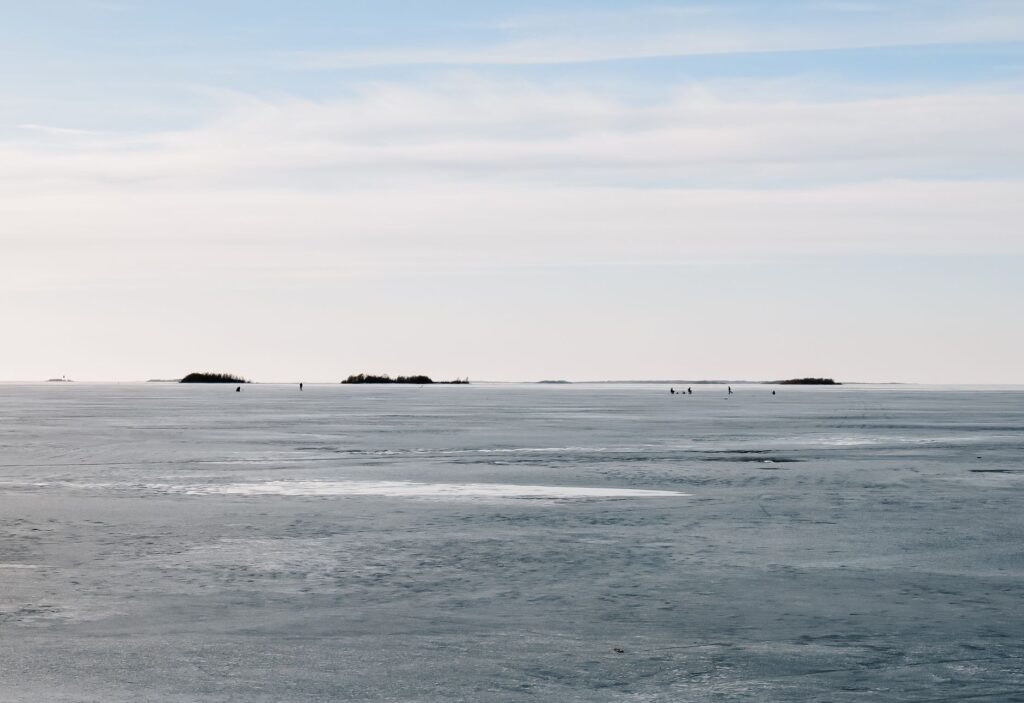
Travelers planning to visit the area should keep in mind that punctuality is the norm in Finnish transport, but nature always retains a margin of unpredictability in the coldest months. Checking airline updates in advance and coordinating transfers with local rail services ensures a smooth travel experience without unexpected mishaps in this northern corner of Europe.
Practical Guide
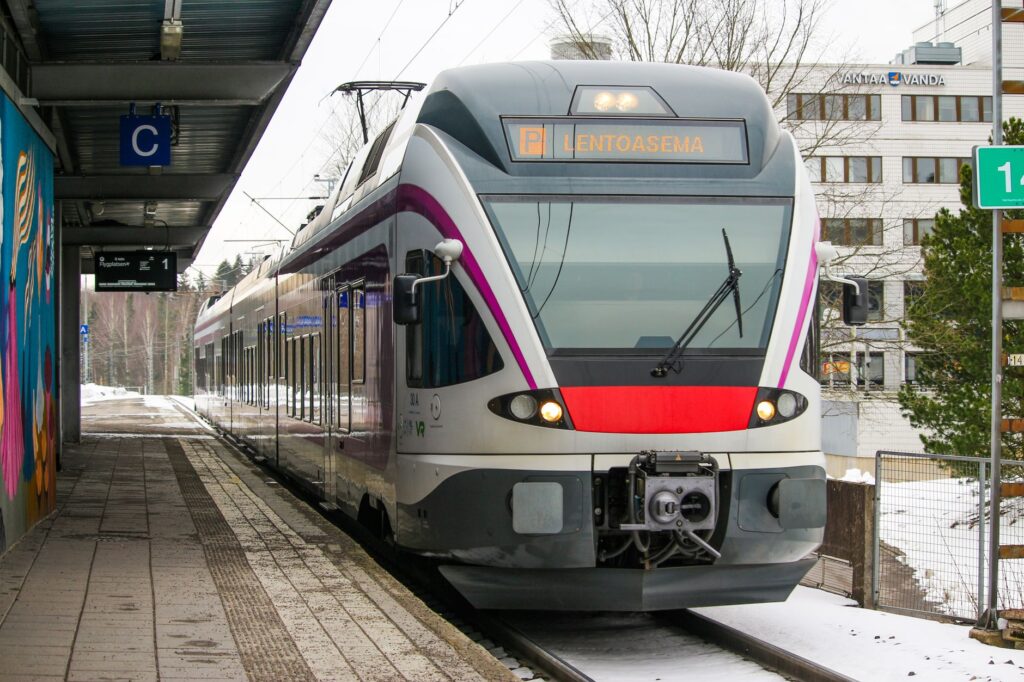
- How to get there: Kokkola can be accessed via connecting flights from Helsinki, as well as through the national rail network operated by VR, which efficiently connects the Finnish western coast.
- Best time to visit: Summer months (June to August) offer pleasant temperatures and prolonged sunlight, while winter (December to February) provides snowy landscapes ideal for leisurely tourism.
- Local transport: The city features efficient urban bus lines, though much of the historic center can be comfortably explored on foot or by bicycle during the warm months.
- Documentation and currency: Belonging to Finland, the euro is used and travel is governed by Schengen area regulations for authorized European and international citizens.
- Official language: Finnish and Swedish are the two official languages, although English is spoken fluently across all tourist and transport services.
- Accommodation: Hotel options range from traditional establishments in the center to modern choices near the stations and main communication routes.
- Useful tip: It is advisable to wear clothing suitable for extreme cold if visiting the region between November and March, paying attention to thermal layers and non-slip footwear.