
The High Altitudes of Qīr Moāv and Its Stony Terrain
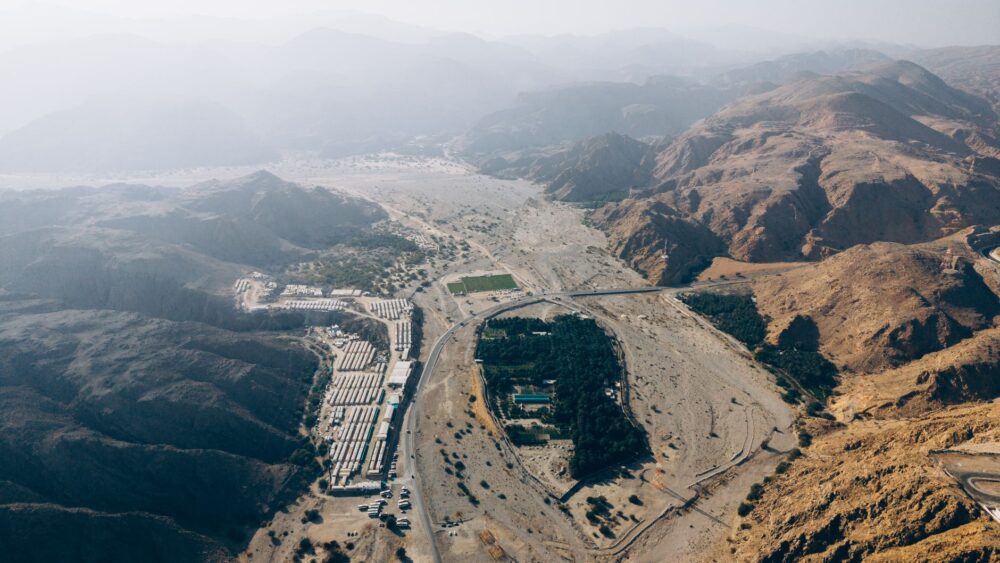
Set amid the rugged highlands of Jordan, the settlement of Qīr Moāv rises upon a steep plateau that overlooks the surrounding landscape. At an elevation hovering around one thousand meters above sea level, this historic enclave has dictated for centuries how its residents move about, construct their dwellings, and organize their daily commerce. Limestone, omnipresent in the walls and natural terraces, defines an environment where every journey requires navigating sharp inclines and elevation changes that defy the passage of time.
The urban layout of Qīr Moāv responds to the need for shelter from the elements and access to the region’s water resources. The routes descending into the valleys or connecting with the country’s primary arteries demonstrate how modern road infrastructure overlays ancient paths once traversed by caravans and travelers. Today, mobility in this corner of Jordan combines private vehicles with land transport networks linking the plateau to the administrative centers of the Ma’an Governorate.
Understanding the dynamics of Qīr Moāv requires observing the constant relationship between its inhabitants and the rugged terrain. Narrow streets and open squares serve as meeting points where local residents and visitors drawn by archaeological heritage converge. Unlike sprawling metropolises, daily life here follows a human scale and reflects the resilience of a community rooted in a territory of immense historical value.
The Footprint of Transport and Land Routes
Daily commuting in Qīr Moāv depends fundamentally on a network of roads winding along the mountainous slopes. These communication arteries enable the steady flow of goods, food, and people, ensuring the sustenance of a population exceeding twenty-two thousand inhabitants. Local buses and shared taxis play an essential role in connectivity, facilitating trips to regional markets and educational centers in the area.
Over recent decades, the maintenance and improvement of road infrastructure have transformed travel times, reducing the geographical isolation that characterized the region in past eras. Nevertheless, weather conditions inherent to high altitude, such as morning mist or occasional winter rainfall, demand cautious driving and ongoing upkeep of the asphalt network. Local drivers know the most winding stretches well, where steering expertise is just as important as official signage.
The integration of Qīr Moāv into the regional transport network extends beyond vehicular traffic. Connections with national routes allow agricultural produce from nearby valleys to reach local markets regularly, while residents can commute for work or study without leaving their plateau residence. This balance between natural isolation and commercial openness defines the contemporary identity of the place.
Traditional Architecture and Adaptation to the Landscape
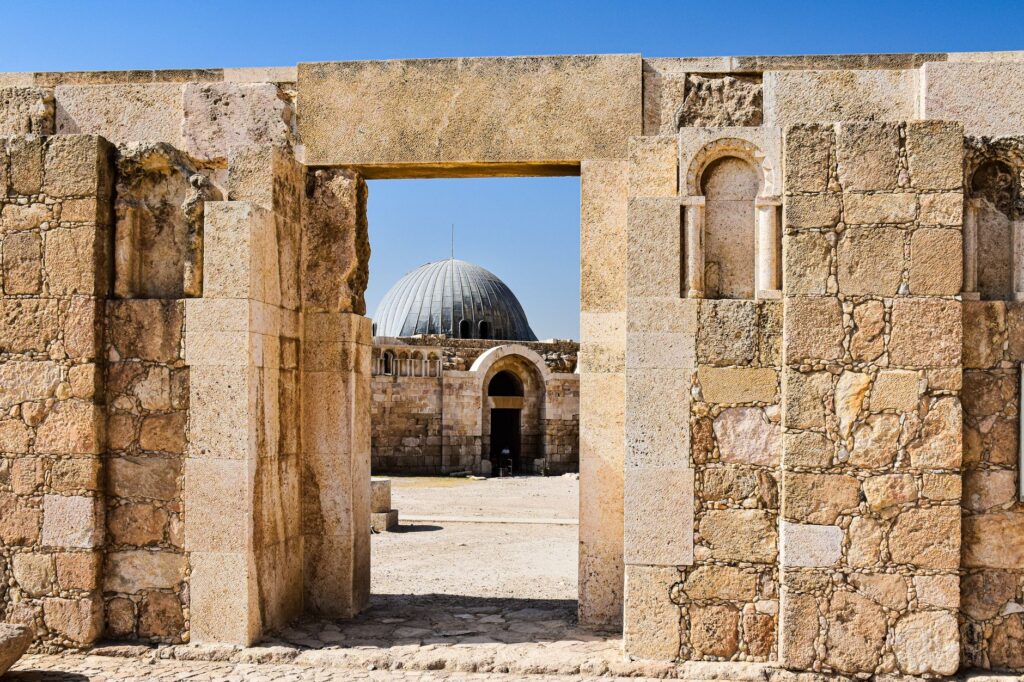
The architecture of Qīr Moāv is a direct testament to human adaptation to the physical environment. Historical buildings, constructed from local stone blocks, visually integrate with the rocky cliffs surrounding the plateau. This use of indigenous materials not only provides structural solidity against winds and thermal variations but also imparts a uniform tone to the urban landscape that shifts subtly with the evening light.
In the old quarter, dwellings cluster around interior courtyards and stepped alleyways that prioritize pedestrian traffic. Although urban expansion has fostered newer constructions on the periphery, respect for traditional massing remains a constant in local planning. Retaining walls and terraced agricultural plots complete a landscape where human labor has shaped the slopes to prevent erosion and maximize every square meter of arable land.
For visitors exploring Qīr Moāv, observing this defensive and domestic architecture offers fundamental insights into the region’s social history. Every threshold, every barred window, and every stone lintel narrates stories of families inhabiting the ridge for generations, keeping alive a material legacy that survives the years and shifting lifestyles.
Commerce and Social Life on the Plateau Streets
The economic pulse of Qīr Moāv beats within its small shops, craft workshops, and food markets. Unlike the sprawling retail centers of major cities, commercial activity here relies on proximity and direct interaction between shopkeepers and neighbors. Grocery stores, traditional bakeries, and fresh produce stalls occupy the ground floors of buildings along main streets, generating a steady flow of people during daylight hours.
Community social life organizes itself around these everyday spaces. In the mornings, local cafés transform into gathering spots where community news is discussed and daily labor is planned. Neighborly relations, woven over decades, act as a social safety net complementing municipal administrative services. Traditional solidarity and hospitality remain fundamental values in daily coexistence.
Furthermore, the presence of visitors exploring the area’s historical heritage has encouraged the opening of small services oriented toward cultural tourism. Local guides, small guesthouses, and artisan shops offer an authentic perspective on Jordanian culture, allowing travelers to experience local traditions without disrupting the resident community’s rhythm.
Historical Heritage as an Axis of Identity
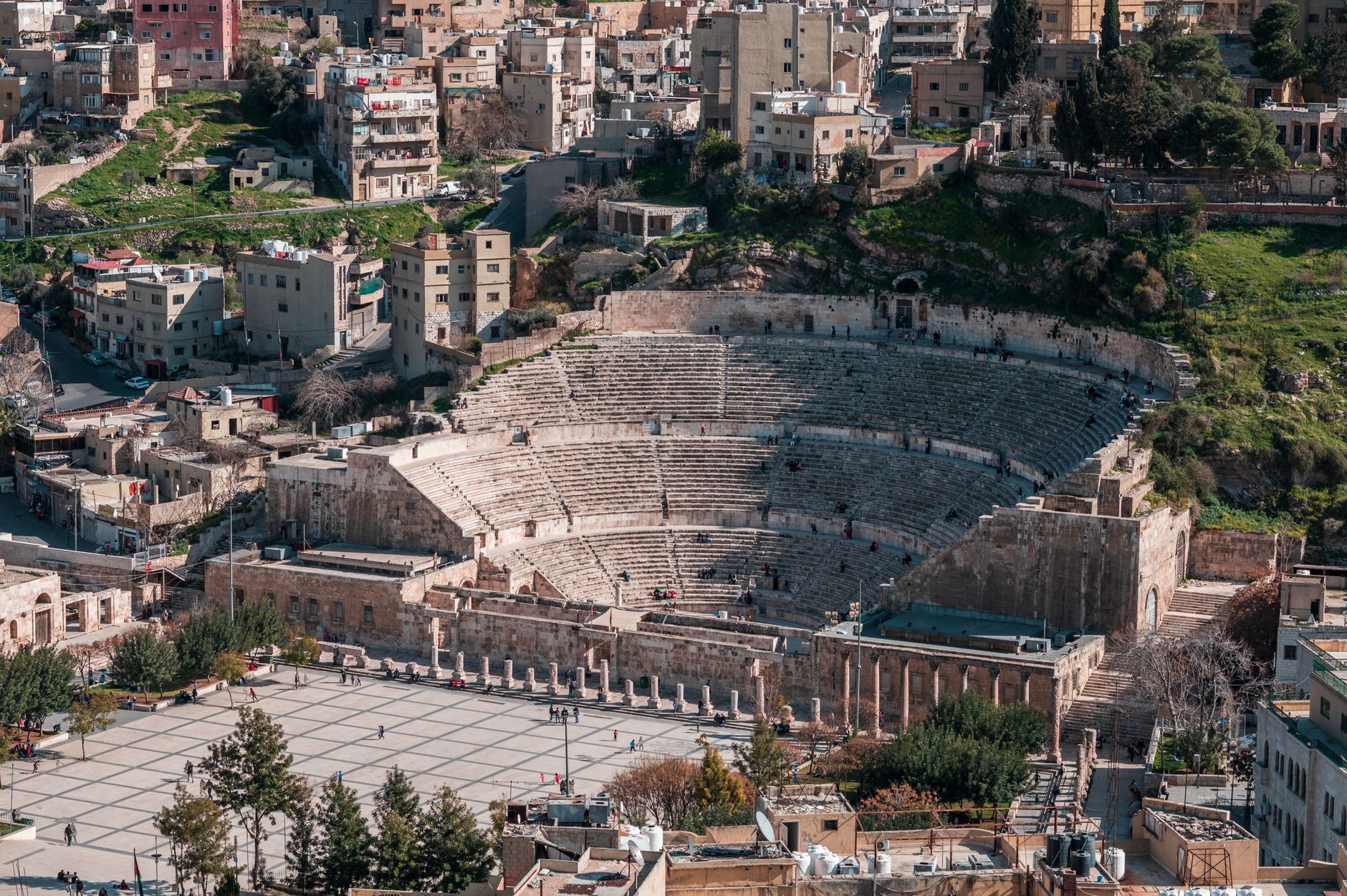
Qīr Moāv is more than a transit point or a residential community; it is a bastion of Middle Eastern historical memory. Archaeological vestiges scattered throughout the municipality and its surroundings recall the strategic importance this site held across different eras, from classical antiquity to the medieval period. The walls and fortified remains crowning the ridge stand as silent witnesses to battles, trade routes, and civilizations that left their mark upon the stone.
Preserving this heritage represents a constant challenge for local authorities and conservation specialists. Integrating historical monuments within the current urban fabric requires a delicate balance between protecting ruins and meeting inhabitants’ daily needs. Pedestrian paths winding among archaeological remains allow residents and visitors to explore history on foot, turning public space into an open-air museum.
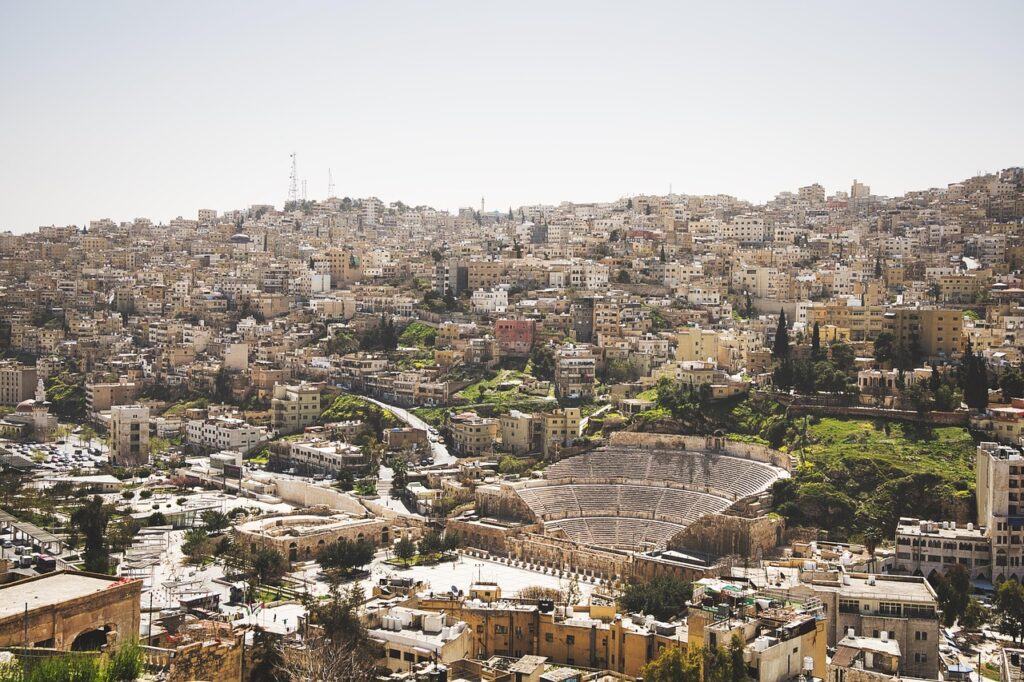
This anchorage in the past grants Qīr Moāv an unmistakable personality. Local festivities, traditions passed down through families, and respect for ancient monuments strengthen a sense of belonging among younger generations, who grow up conscious of the responsibility involved in safeguarding a millennium-old legacy atop the plateau.
Landscapes and Horizons from the Ridge
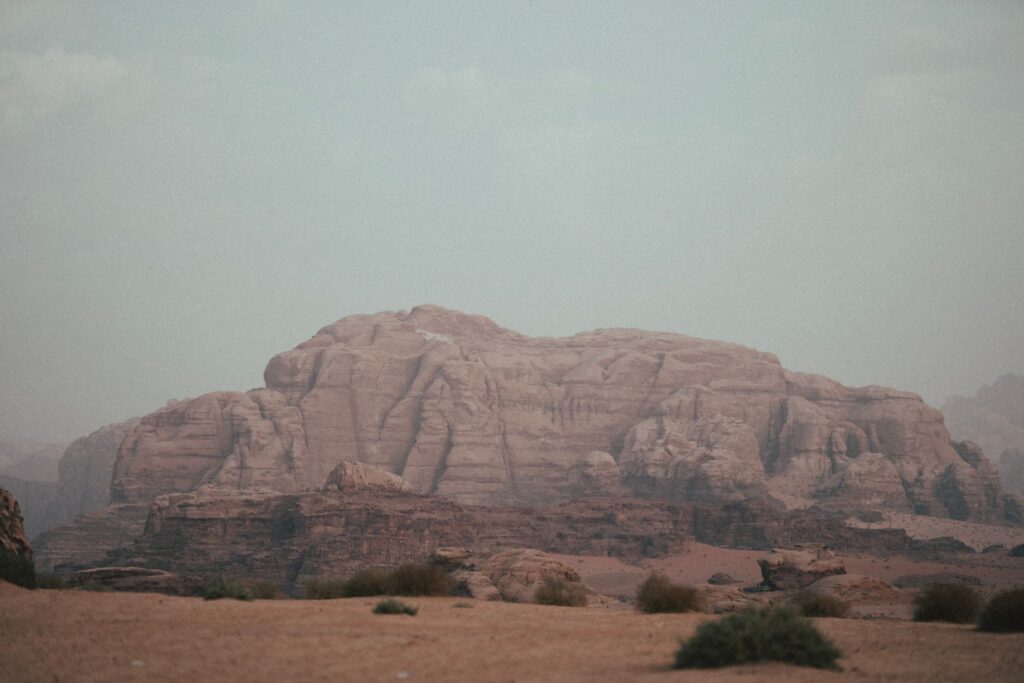
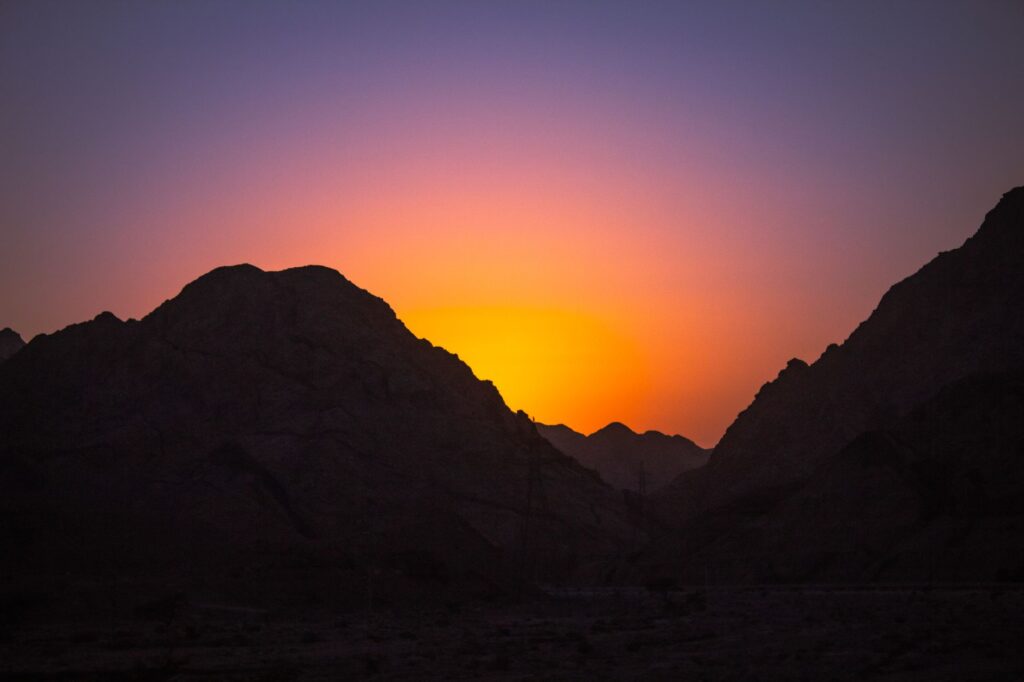
The geographical location of Qīr Moāv offers some of the most striking panoramic views in the region. From natural viewpoints situated on the edge of the plateau, the horizon opens toward arid expanses and deep valleys descending toward the Dead Sea depression. At sunset, golden light bathes the limestone rocks, creating interplay of shadows and color contrasts that draw photographers and nature lovers alike.
This natural environment possesses not only aesthetic value but also dictates local climate. Desert winds and currents rising from valleys generate significant thermal variations between day and night, even during the warmest months of the year. Vegetation, adapted to water scarcity, consists primarily of hardy shrubs and small aromatic plants carpeting the rocky slopes.
For those traveling through the area, contemplating the landscape from the heights of Qīr Moāv conveys a profound sense of scale and permanence. Roads winding along slopes appear as thin white lines against the ochre background of the earth, recalling both the fragility and tenacity of human presence in these extreme settings.
Practical guide
How to get there: Qīr Moāv is accessible by road from Amman and other major Jordanian cities via private vehicles, service taxis, or intercity buses connecting with the Ma’an Governorate.
Best time to visit: The spring months (March to May) and autumn (September to November) offer moderate temperatures ideal for exploring streets and archaeological sites on foot.
Accommodation and services: The locality features small family guesthouses, grocery shops, and local eateries offering traditional Jordanian dishes.
Practical recommendations: Comfortable, non-slip footwear is recommended due to slopes and cobblestone surfaces, alongside sun protection and sufficient water for outdoor excursions.
The Silence of Stone at Dusk
When the sun begins to sink behind the mountains and the lights of dwellings illuminate the silhouette of the ridge, Qīr Moāv recovers an ancestral calm. At that moment, vehicular bustle and daily toil yield to the sound of wind sweeping across the plateau. The ancient stone, patient witness to countless generations, seems to guard the secrets of a territory where geography and daily life intertwine inextricably, offering those who dwell in and visit it an experience of profound authenticity.