
The Geography of Flavor in the Valley of Mexico
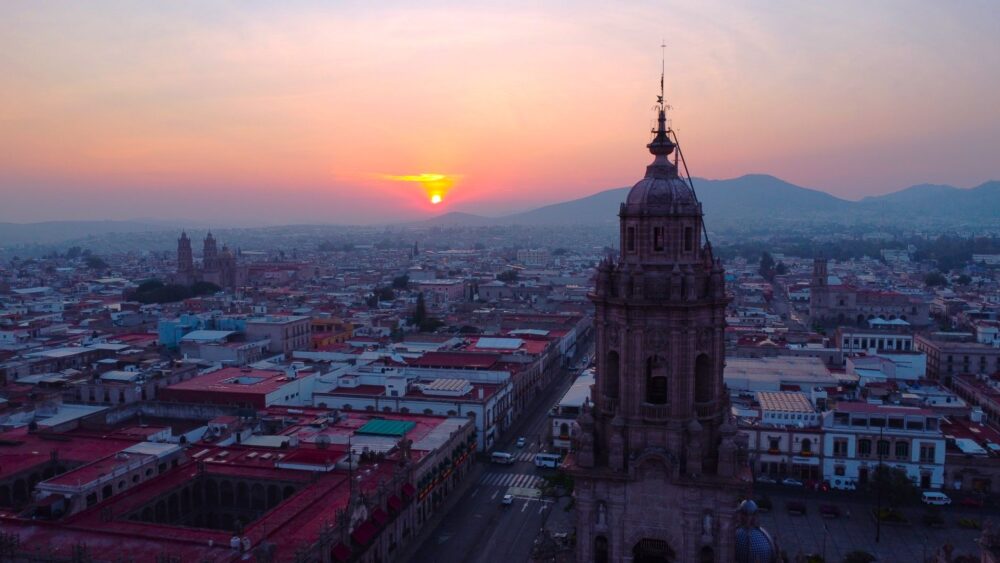
At more than two thousand two hundred meters above sea level, the dry and clear air of the Valley of Mexico shelters one of the most complex food networks on the planet. In this colossal metropolis, everyday cooking is not a mere act of survival, but a living archive where pre-Hispanic heritage and viceregal adaptations converge. From the trajineras navigating the last agricultural canals of Xochimilco to the metal stalls deploying steaming clay pots on the corners of the Historic Center, the capital’s table is built upon the resilience of ancient ingredients that refuse to yield to industrial standardization.
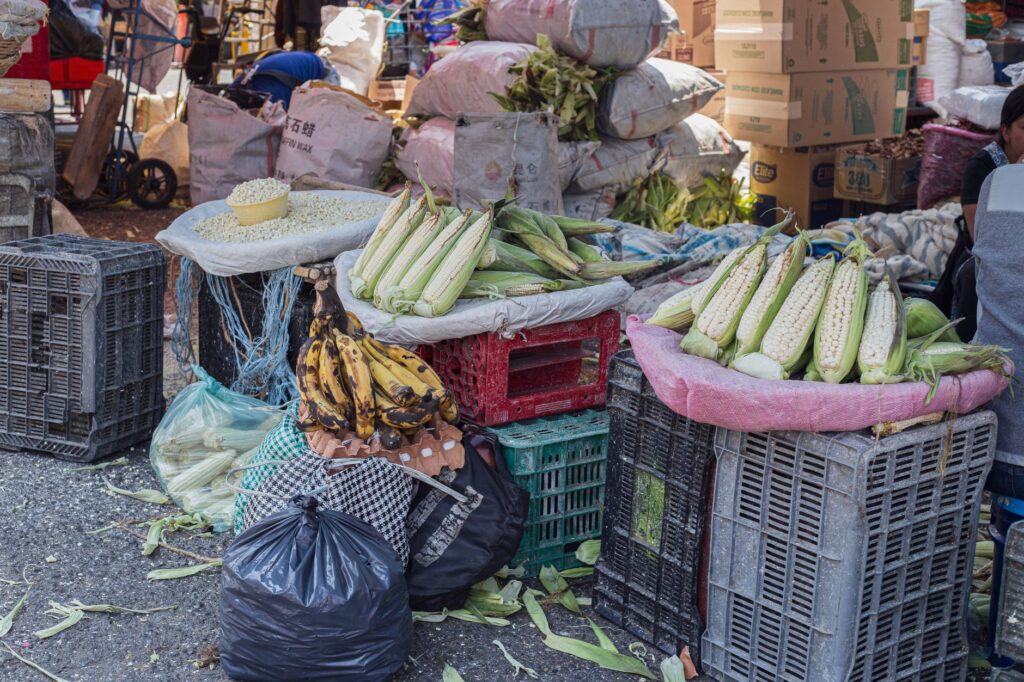
The morning pulse of the capital begins long before the sun heats the asphalt. In public markets spread across the sixteen boroughs, vendors arrange vegetables, native corn in purple and yellow hues, and aromatic herbs that imbue the environment. This daily routine, tirelessly repeated across generations, constitutes the true cultural skeleton of the metropolis. Here, the act of eating is also an exercise in territorial recognition, where each ingredient tells a story of climatic adaptation and agricultural patience.
Native Corn and the Urban Milpa as Bastions of Identity
The heart of Mexican gastronomy continues to beat to the rhythm of the corn kernel. Despite real estate pressure and urban expansion, small producers and seed guardians preserve their connection to the land through traditional farming systems. The milpa—that polyculture where corn, beans, squash, and chili coexist—survives in small peri-urban pockets and green rooftops, proving that food sovereignty is possible even amidst concrete.
In market kitchens, the expert hands of female corn tortilla makers transform nixtamalized dough into flexible, aromatic tortillas. This chemical and cultural process, inherited from pre-Hispanic civilizations, not only provides nutritional value by releasing niacin, but endows the food with an unmistakable texture.
Corn is not merely a grain on our table; it is the invisible thread connecting the roots of volcanic soil to the bustle of the big city.
Buying a tortilla fresh off the griddle involves acknowledging the collective effort behind every kilogram harvested in the central valleys of the country.
Public Markets: Living Museums of Daily Provision
Walking through the aisles of venues like San Juan Market, La Merced, or more modest neighborhood markets is stepping into an anthropological archive in constant ebullition. Stalls display staggering biodiversity: from wild mushrooms harvested on the volcano slopes to edible insects like grasshoppers and ant larvae, whose consumption dates back to pre-Hispanic times. These spaces not only supply households, but act as social meeting points where all social classes of the city converge.
The relationship between vendor and buyer is built on trust and continuous dialogue. People inquire about the ripeness of an avocado, discuss the acidity of a green tomato, and exchange recipes passed down by word of mouth. This human interaction contrasts with the coldness of large retail supermarkets. Neighborhood markets ensure that the local economy thrives and that traditional culinary knowledge remains active in contemporary diets.
The Comal, the Metate, and the Ancestral Technology of Fire
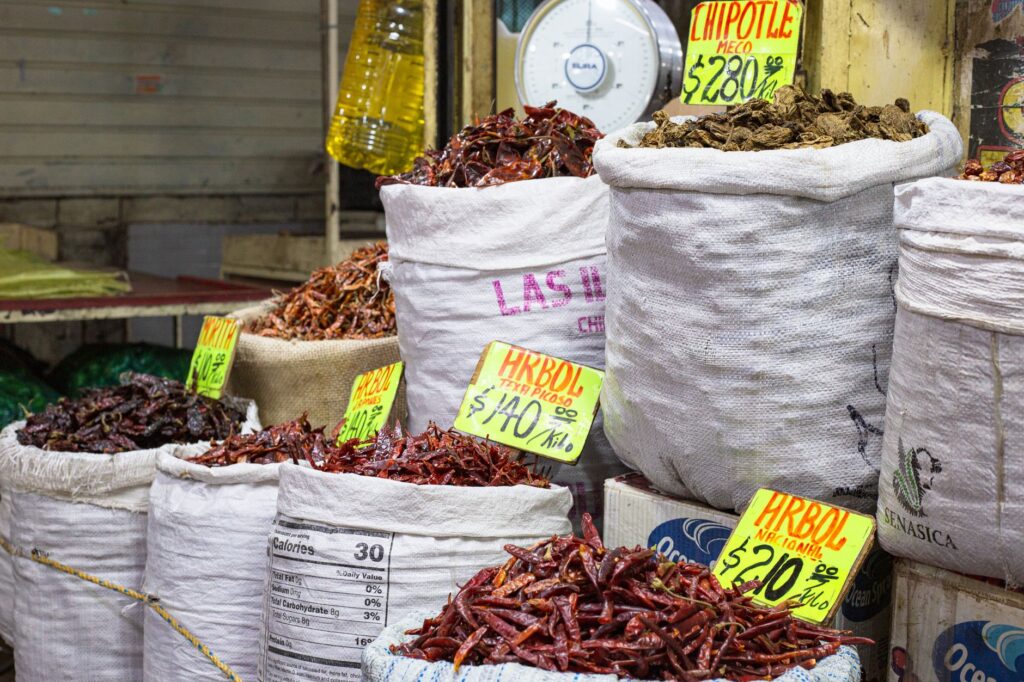
Urban Mexican cuisine relies on utensils that have barely changed in millennia. The volcanic stone metate, used for grinding cocoa, seeds, and dried chilis, remains present in traditional workshops and market kitchens. Similarly, the clay or metal comal over open fire is the epicenter where tlacoyos, sopes, and quesadillas are cooked. This rudimentary technology, far from being obsolete, allows precise heat control to achieve crispy exteriors and soft interiors.
The use of fats and spice pastes also responds to a logic of resourcefulness. Pork lard, introduced after European contact, blends with dried chilis to create deep flavor bases that imbue long-cooked stews like mole or barbacoa. Each added ingredient fulfills a specific chemical and sensory function, validated by centuries of culinary practice across the microclimates of the Valley of Mexico.
The Midday Ritual and the Comida Corrida
When the clock strikes two in the afternoon, the city undergoes a collective pause articulated around the comida corrida. Fondas and small family-run eateries display three-course menus that vary according to the season and the inspiration of the day. A brothy pasta soup gives way to red rice with peas and fried plantain, followed by a main stew such as beef strips à la mexicana or green bean patties in green sauce.
This accessible and nutritious format ensures that office workers, students, and shopkeepers share the same space of daily well-being. Hospitality in these establishments is a fundamental pillar; fresh hibiscus or chia water is served generously, and direct interaction reinforces the sense of community. In a metropolis marked by long distances and traffic, the fonda acts as a temporary refuge where the warmth of home is replicated on an urban scale.
Traditional Pastry and Convent Sweets
The traditional confectionery of the capital has deep roots linked both to indigenous heritage and the conventual influence of the viceregal era. In old neighborhoods like Coyoacán or San Ángel, and in traditional stalls of the Historic Center, it is possible to find wafers with cajeta, seed brittles, and candied squash. These artisanal preparations require patience and exact mastery of sugar syrup temperatures.

Colonial convents functioned as gastronomic laboratories where nuns fused European ingredients with local produce such as hawthorn, guava, and amaranth. Today, preserving this pastry legacy requires a conscious effort by traditional confectioners competing against industrialized sweets. Each traditional sweet consumed represents the persistence of a sugary heritage that sweetens the collective memory of the inhabitants.
Nighttime Antojitos and the Street as a Dining Room
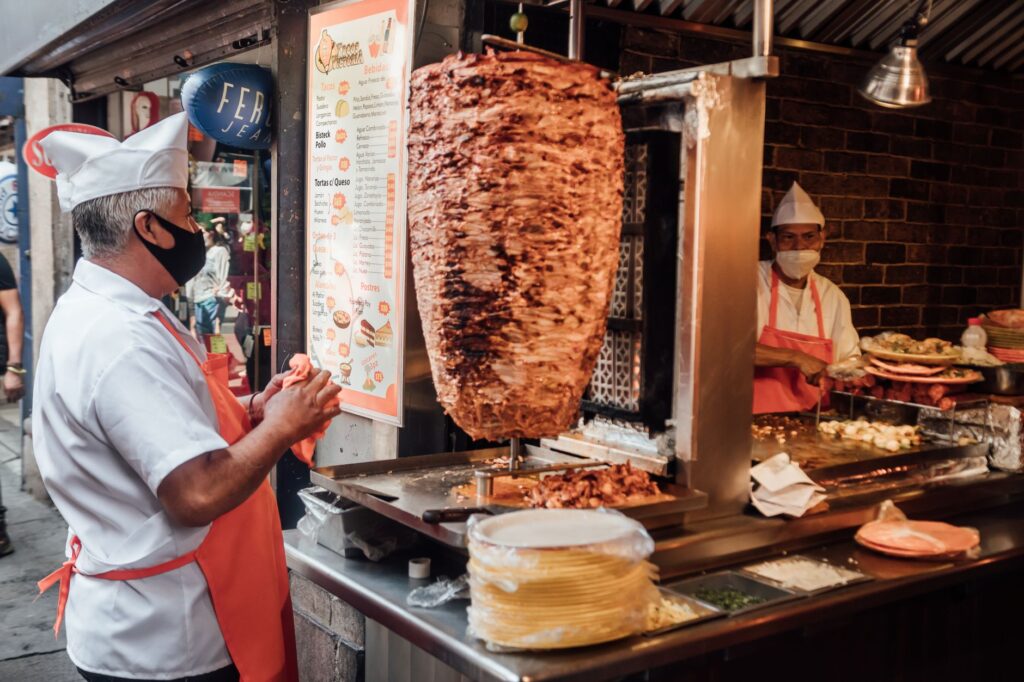
When evening falls, the urban landscape transforms with the appearance of street stalls illuminating corners with gas lamps and improvised spotlights. Nighttime antojitos—tacos of suadero, al pastor, tamales, and atole—form an indissoluble part of urban life.
The street in Mexico City is not a space of rapid transit, but a shared dining room where collective appetite dissolves social differences.
This spontaneous gastronomic phenomenon demonstrates the vitality of an open-air culinary culture.
Preparing these foods on public thoroughfares requires skill and speed. The taquero handles the knife with millimeter precision on the wooden board, while standing diners hold their tacos crowned with cilantro, onion, and spicy salsa. This daily dynamic reflects a way of inhabiting the city where public space is reclaimed and celebrated through flavor.
Practical guide
How to get there: Benito Juárez International Airport (MEX) connects Mexico City with major global hubs. From there, the Metro public transit system and Metrobús offer direct access to the urban center.
When to visit: The months from November to April offer dry and temperate weather, ideal for exploring open-air markets without interruptions from seasonal rains.
Where to eat: Prioritize traditional public markets such as San Juan, Medellín, and Jamaica, as well as local fondas duly recommended by neighborhood residents.
Responsible gastronomy: Buy directly from small producers and urban farmers in local tianguis to support proximity economies and the conservation of native corn varieties.

Local transportation: Use the metro, trolleybuses, and metrobús for urban trips; avoid unnecessary use of private cars to reduce environmental footprints.
Urban Epilogue Between Volcanoes and Hearths
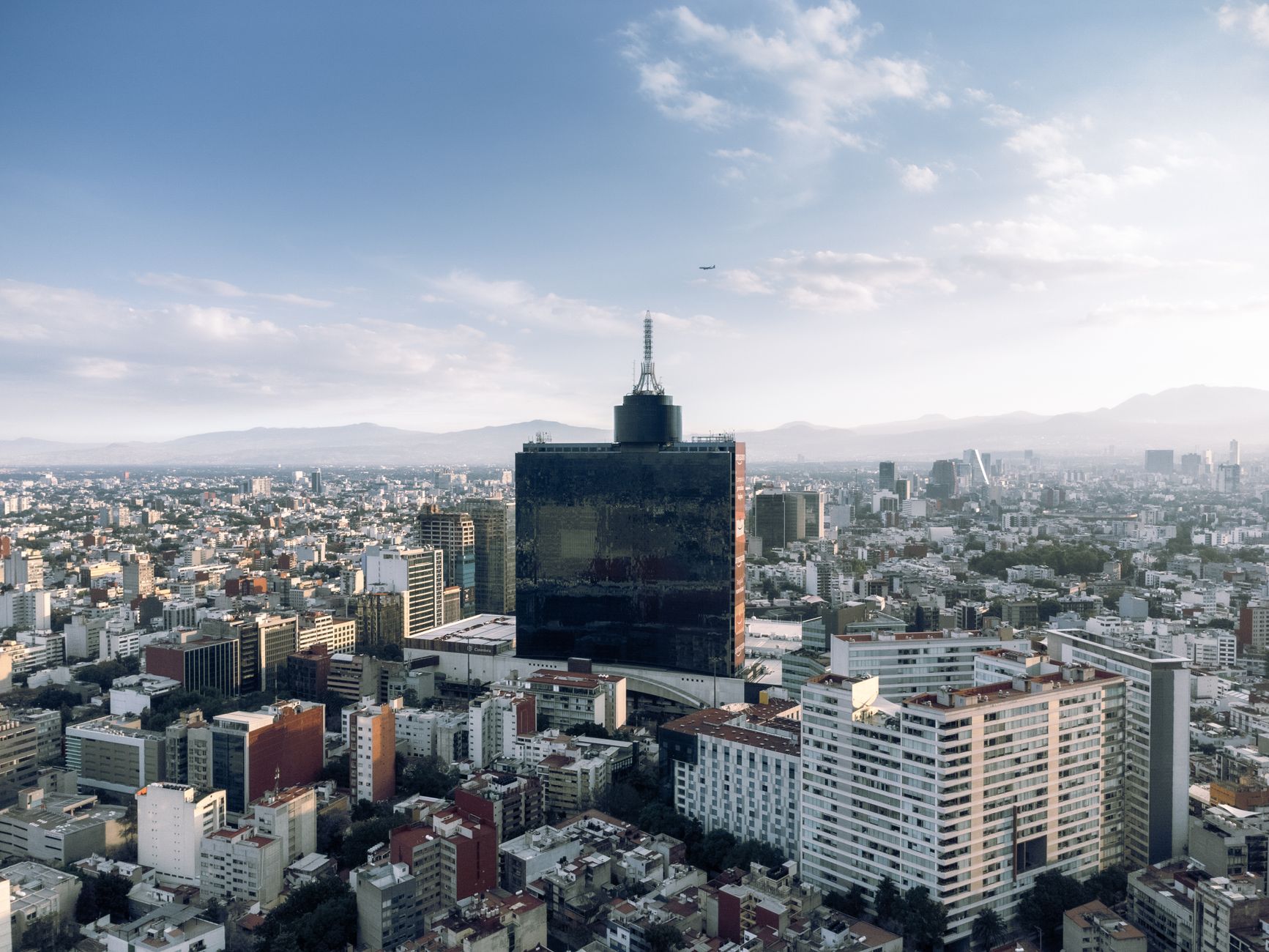
The skyline of Mexico City, ever-watched by the Popocatépetl and Iztaccíhuatl volcanoes, recalls the changing and telluric nature of this territory. Between asphalt and volcanic stone, everyday cooking continues its uninterrupted march, adapting to contemporary challenges without losing its bond with its agricultural past. Every diner who sits at a table in this capital participates in an ancient ritual celebrating life, the labor of the land, and the cultural resilience of a people who have turned flavor into their most enduring home.