
Gold Rush Origins and Urban Transformation in the Heart of Victoria
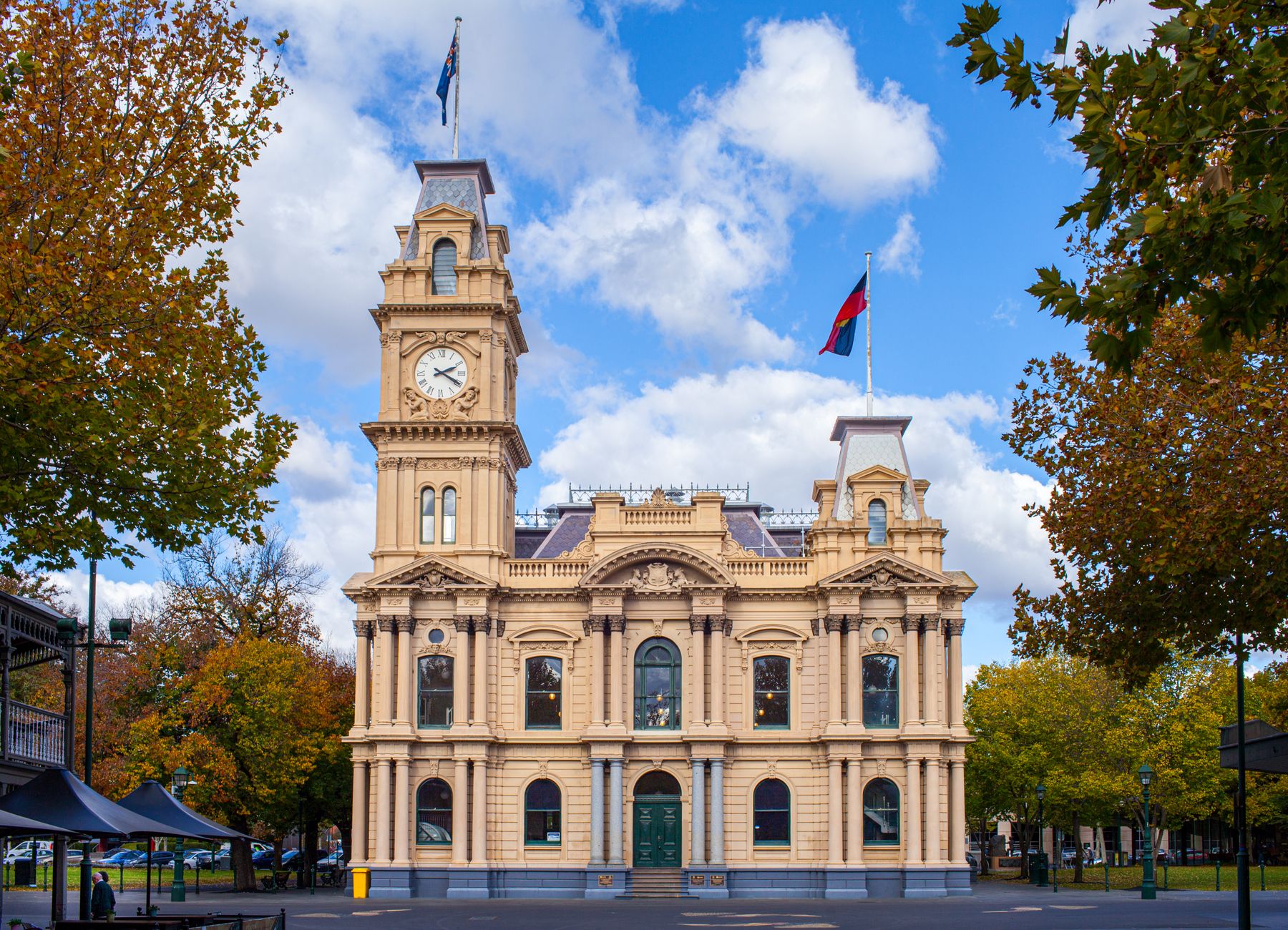
The locality of Bendigo, situated in the Australian state of Victoria, possesses an urban layout deeply rooted in the gold rush of the 1850s. That sudden demographic explosion transformed a rudimentary mining camp into a prosperous settlement, endowed with monumental public buildings and wide tree-lined avenues that define its daily landscape today. Unlike other enclaves dedicated exclusively to intensive extraction, this municipality managed to channel a portion of its economic proceeds into the construction of lasting civic infrastructure, employing local stone and handcrafted brick.
The layout of its main streets reflects a town planning approach that prioritized institutional monumentality without neglecting human scale. Victorian-style commercial facades, adorned with elaborate wrought ironwork, maintain a remarkable state of preservation that allows residents and visitors to understand the architectural ambition of the pioneers. Current municipal regulations jealously protect this heritage, preventing arbitrary modifications that would alter the visual coherence of the historic neighborhoods.
Current community life unfolds between these vestiges of the past and the contemporary needs of a population exceeding one hundred thousand inhabitants. Public spaces, such as local botanical gardens and leafy squares, act as intergenerational meeting points hosting producer fairs and local craft markets. Far from being a mere open-air museum, the city maintains an autonomous economic dynamism based on regional administration, educational services, and a constantly expanding cultural sector.
Subterranean Memory and the Industrial Landscape
Beneath the surface of Bendigo beats a geological and mining history that determined the destiny of entire generations. The deep galleries excavated during the second half of the 19th century turned this district into one of the richest gold producers in the British world. Today, several of these former operations have been adapted as historical interpretation centers, allowing safe exploration of the tunnels where thousands of prospectors from Europe and Asia labored under extreme conditions.
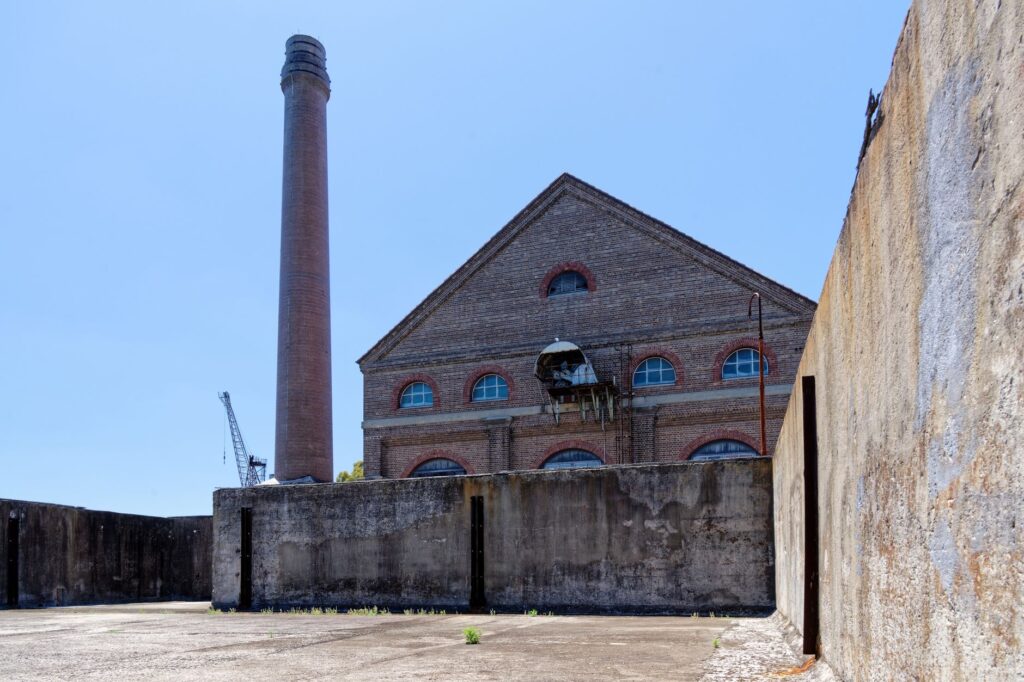
This industrial past is not limited to subterranean cavities, but manifests on the surface through red brick chimneys, converted engine houses, and historic drainage systems that still form part of the urban landscape. The preservation of these industrial elements reflects a collective effort to acknowledge the physical exertion and harshness of working-class life that cemented the region’s prosperity. Local authorities collaborate with historians and architects to document every archaeological find unearthed during modernization projects for utility networks.

The citizenry’s relationship with this mining legacy is complex and respectful. Rather than glorifying solely the extracted wealth, current cultural discourse emphasizes the diversity of immigrant communities drawn by the promise of prosperity, forming an early cultural melting pot within the state of Victoria. Civic associations organize thematic routes detailing the living conditions of Welsh, Chinese, Irish, and European miners who populated the original camps.
Green Spaces and Regional Ecological Balance
The natural environment surrounding Bendigo’s urban area features eucalyptus formations and rolling hills that form part of the national parks and forest reserves of central Victoria. These spaces play a fundamental role in local climate regulation and offer residents recreational areas focused on hiking, native bird watching, and low-impact mountain biking.
Environmental management of these protected zones relies on both governmental agencies and local volunteer groups dedicated to reforestation with native species and erosion control. Protecting local watersheds is a priority to guarantee the city’s water supply, particularly during summer periods characterized by high temperatures and low rainfall. Recent urban planning incorporates sustainability criteria to minimize the impact of demographic growth on peripheral ecological corridors.
Within the urban fabric, historic parks and corridors of native vegetation act as refuges for wildlife, including diverse bird species and small marsupials adapted to human proximity. Citizens actively participate in citizen science programs to monitor the health of these animal populations, consolidating an ecological awareness that permeates school education and local land-use policy decisions.
Inland Gastronomy and Producers’ Markets
The culinary culture of Bendigo reflects the fertility of the surrounding agricultural valleys and the influence of traditions brought by successive waves of migration. Local products, from vegetables grown on small family farms to extra virgin olive oils and wines produced in local vineyards, form the basis of the gastronomic offerings in both traditional markets and independent dining establishments.
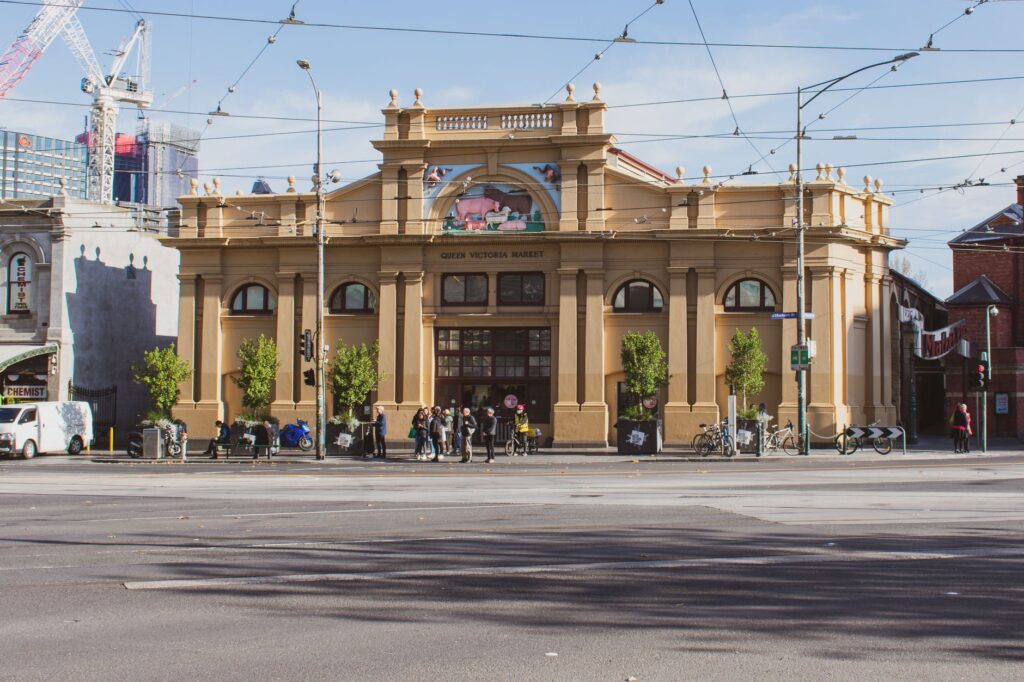
Farmers’ markets held periodically in the urban center encourage direct exchange between rural producers and urban consumers, reducing the carbon footprint associated with food transport and ensuring product traceability. In these spaces, visitors can acquire local fruit varieties, artisanal cheeses, and sourdough breads crafted according to traditional methods, consolidating a model of responsible and conscious consumption.
The dining scene has evolved toward a revaluation of traditional home recipes combined with contemporary culinary techniques. Local chefs collaborate closely with regional farmers to design seasonal menus that vary according to harvest availability, promoting sustainable eating linked to the natural rhythm of the seasons in the southern hemisphere.
Civil Architecture and Religious Heritage
Bendigo’s urban profile is dominated by public buildings and religious temples that reflect the economic boom of the Victorian and Edwardian eras. The town hall, law courts, and former post office demonstrate mastery in the use of stucco, classical columns, and stonework ornamentation that rivals the great colonial capitals of the period. These structures continue to serve administrative and cultural functions, showing remarkable versatility in their adaptive reuse.
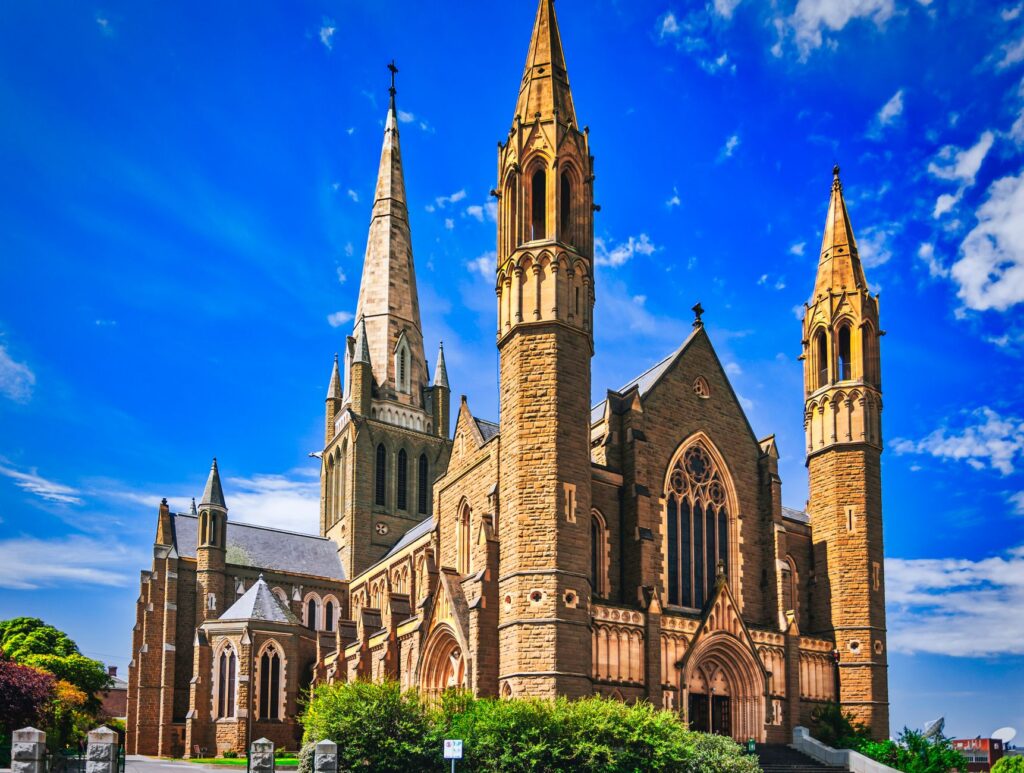
Religious heritage stands out for the presence of large cathedrals and churches constructed from local sandstone, whose towers and naves stand out in the urban horizon. The construction of these temples required decades of artisanal labor and the participation of European master stonemasons who passed their crafts on to local apprentices. Today, these buildings serve not only as places of worship but also as regular venues for sacred music concerts and art exhibitions due to their exceptional acoustics and aesthetic value.
The preservation of this architectural heritage demands constant and specialized maintenance. Municipal authorities allocate specific funds for the restoration of roofs, buttresses, and exterior decorative elements, employing traditional materials compatible with the original structure to prevent irreversible damage resulting from the use of modern industrial products.
Bendigo’s architectural heritage is not a static stage set, but the living result of community efforts to preserve historical memory against the pressures of modern development.
Daily Life in Squares and Commercial Arteries
Daily life in Bendigo unfolds with a leisurely cadence that contrasts with the frenzy of Australia’s coastal metropolises. Pedestrian streets and leafy squares host independent cafes, secondhand bookstores, and antique shops where locals converse on local and community matters. This neighborhood commercial fabric sustains the vitality of the urban center and prevents the gentrification and commercial desertification observed in other cities of similar size.
Local cultural institutions, including contemporary art galleries, regional museums, and historic theaters, schedule continuous activities involving schools, art associations, and seniors’ collectives. Citizen participation in cultural life is high, fostering a strong sense of belonging and local identity passed down through generations via community workshops and annual festivals.
Pedestrian mobility and bicycle use have increased notably thanks to the establishment of dedicated lanes and traffic calming in the historic center. This transition toward more sustainable forms of transport improves air quality and reduces noise pollution, favoring a healthier and more welcoming urban environment for residents and visitors exploring at a slow pace.
Responsible Tourism Practices and Local Respect
The tourism model promoted in Bendigo prioritizes sustainability and the respectful integration of visitors into the community’s daily dynamics. Official guidelines recommend travelers use local public transport, stay in establishments certified for their environmental practices, and patronize businesses managed by local residents, thereby minimizing the negative impact of tourism overcrowding.
Guided walking tours of the historic heritage are led by local experts offering rigorous and documented insights, avoiding commercial stereotypes and promoting a deep understanding of the region’s indigenous and colonial history. Furthermore, visitors are advised to respect residents’ privacy in peripheral residential areas and observe conservation rules in surrounding national parks and nature reserves.
Traveling responsibly implies recognizing that every visited territory possesses its own dynamics that deserve respect above any superficial recreational expectation.
Practical guide
How to get there: Bendigo can be reached from Melbourne via frequent regional train services operated by V/Line, with a journey time of approximately one and a half hours. Road connections are also available via the Calder Freeway.
When to go: Autumn months (March to May) and spring (September to November) offer mild and pleasant temperatures for walking through the city and visiting the surrounding natural areas.

Accommodation: Options include converted historic hotels, family-run guesthouses, and self-contained apartments located primarily in and around the historic center.
Local gastronomy: Visiting local farmers’ markets and restaurants that work exclusively with central Victoria regional producers is highly recommended.
Internal transport: The city center is eminently pedestrian. For longer journeys, the local bus network connects various neighborhoods and peripheral points of interest.
Code of conduct: Absolute respect is required for historic buildings, private property, and environmental protection regulations within the region’s forest reserves and national parks.