
There is a precise, almost imperceptible instant when we leave behind the familiar to step into unfamiliar territory. This invisible threshold marks the boundary between the routine observer and the traveler willing to understand. In an era where movement has become urgent and speed seems the only valid measure of displacement, pausing at the limit becomes an act of profound cultural resistance.
The Geography of Attention
The modern world pushes us to accumulate images with the same ease with which we consume ephemeral goods. However, the true essence of a journey does not lie in the number of coordinates crossed off a map, but in the quality of our gaze. When we approach a natural or urban landscape with haste, we barely graze its surface. Mindful attention, on the other hand, opens a channel of respectful dialogue with the environment.
- Observing before judging local customs.
- Accepting that there are corners where silence is the appropriate response.
- Valuing the inherent rhythm of each community we visit.
This disposition requires shedding prejudices and the false security granted by prefabricated guidebooks. Territory reveals itself only to those who are willing to accept its pace, to decipher its internal codes without the urgency of possessing or photographing everything immediately.
The Weight of Hospitality
Receiving and being received form part of an ancestral choreography that defines the dignity of human cultures. Throughout history, the traveler has been both a threat and a promise of knowledge. Today, mass tourism often distorts this delicate balance, transforming hospitality into a commercial transaction devoid of soul.
The true traveler understands that hospitality is not a purchased service, but a vote of trust that demands gratitude and reciprocity.
Returning that generosity implies caring for spaces, consuming consciously, and understanding that every foreign home deserves the same respect as one’s own. The responsibility of the modern traveler is not limited to ecological care, but also encompasses the preservation of the human dignity of those who inhabit the places we visit.
Nature as Refuge and Teacher
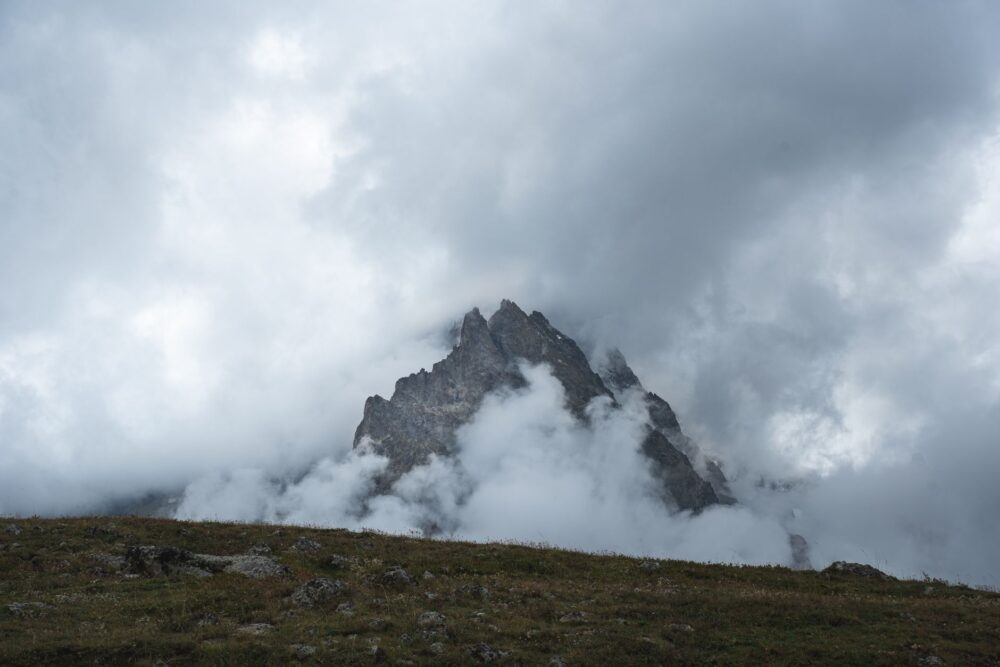
At the heart of any meaningful journey is often the reunion with nature. Not as a mere backdrop for leisure, but as a living system that reminds us of our own fragility. Ancient forests, wind-swept coastlines, or high peaks do not need our verbal admiration; rather, they demand our restraint.
Slowness as a Method
Faced with contemporary vertigo, walking stands out as the most honest means to measure distances. On foot, territory unfolds with an organic logic that admits no shortcuts. Each step is a small negotiation with physical effort and an opportunity to tune our senses to the heartbeat of the place.
- Reducing the radius of displacement to deepen the experience.
- Privileging low-impact means of transport.
- Allowing natural curiosity to guide the journey without rigid itineraries.
This form of slow mobility restores a human scale we thought was lost. It teaches us that wonder does not spring from the monumental or the exotic, but from the ability to be surprised by the everyday when observed with clean eyes.
The Memory That Survives the Journey
When the displacement concludes and we return to the starting point, physical luggage is discarded, but the invisible sediment of the experience remains. The memory of the journey settles slowly in the form of more mature questions, a greater tolerance for difference, and a renewed awareness of our place in the world.
Traveling, in its noblest sense, is an exercise in spiritual and collective maturation. It reminds us that we are part of a vast and diverse fabric that does not belong to us, but which we have the privilege to contemplate and care for during the brief time of our passage through it.