
Geological Origins and Fluvial Landscape Configuration in Rosario
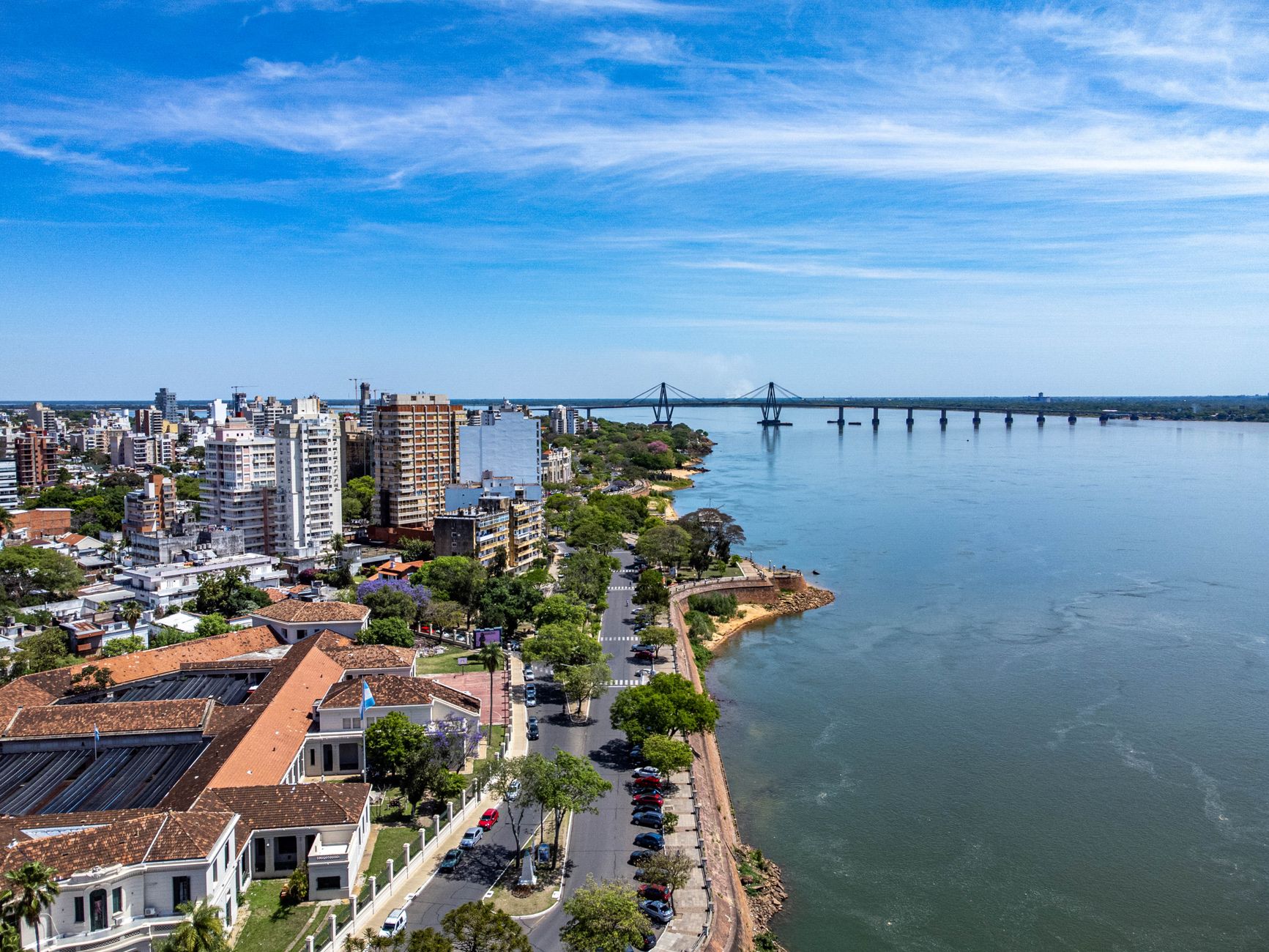
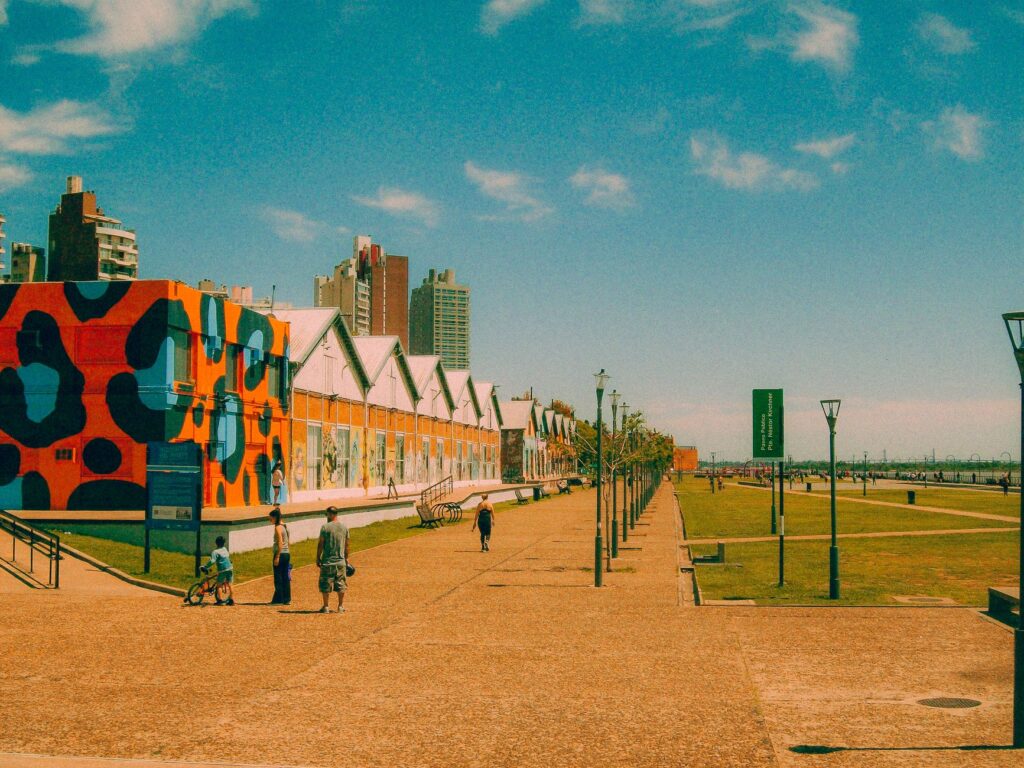
The city of Rosario, located in the province of Santa Fe, Argentina, rises along the bluffs bordering the western margin of Rosario’s Paraná River. Unlike geographies dominated by Andean peaks or arid plateaus, the local relief features a topography of fluvial terraces and alluvial plains shaped over millennia by the hydrological dynamics of the Plata basin. This geological setup creates a permanent contrast between the urban grid, resting at an average elevation of thirty-eight meters above sea level, and the vast network of islands, streams, and wetlands extending toward the eastern horizon.
The study of local geology reveals loessic and fluvial sediments forming stable bluffs, slowly eroded by the river’s current. This substrate supports riparian vegetation adapted to seasonal discharge fluctuations, where high and low water periods dictate the biological rhythm of the entire ecosystem. The stability of these formations is far from static; rather, it responds to a dynamic equilibrium between continental sediment input and the erosive action of currents descending from the north.
Understanding this environment requires looking beyond the urban surface into the floodplains. The islands facing Rosario function as a natural flood-regulation system and a biogeographical refuge of great significance. In this context, local geography demonstrates that alluvial plains possess ecological complexity comparable to mountain formations, demanding specific strategies of observation, respect, and environmental conservation to prevent soil degradation and the loss of native biodiversity.
Wetland Ecosystems and Biodiversity in the Paraná Basin
The delta and insular landscape facing Rosario harbor some of the richest and most adaptable biodiversity in southern South America. Wetlands act as natural sponges that filter nutrients, retain sediments, and support a complex trophic web where migratory fish, waterbirds, and medium-sized mammals coexist. Flora is dominated by hydrophilic species such as the river alder, the curupí, and diverse communities of rushes and cattails colonizing shallow waters.
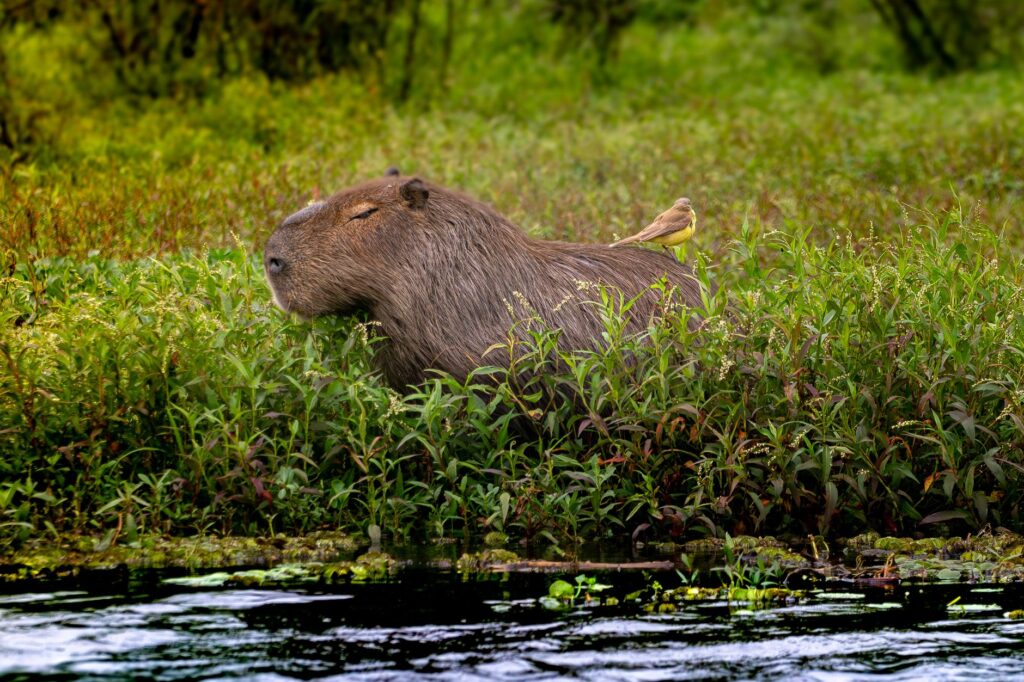
Among the characteristic fauna of these wetlands, the capybara stands out as the world’s largest rodent, finding suitable habitat for feeding and shelter in the flooded grasslands. Similarly, migratory birds use this river corridor as a resting and breeding site, making the region a key destination for ornithological observation. Species such as the neotropic cormorant, herons, and kingfishers demonstrate the vitality of an ecosystem that perseveres thanks to the natural resilience of its populations against climatic variations and human pressure.
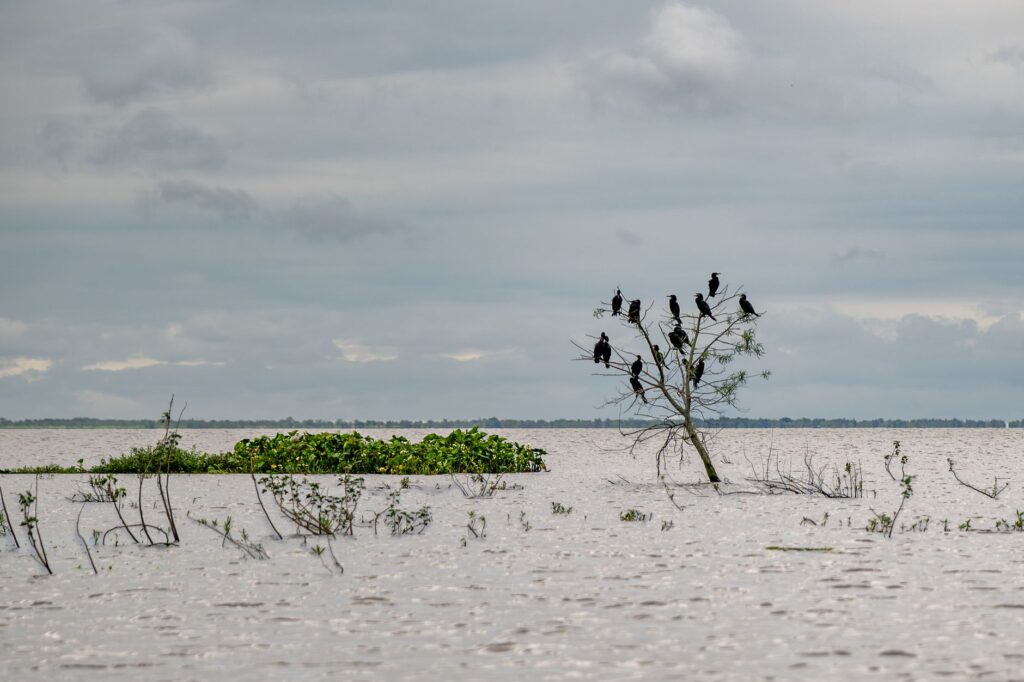
The preservation of these habitats depends directly on understanding their hydrological cycles. When waters recede during prolonged dry periods, mudflats emerge, allowing the germination of annual vegetation and renewing the biological cycle. This dynamism prevents the consolidation of a monotonous landscape and fosters the coexistence of multiple ecological niches within a compact, scientifically accessible geographic space.
Adapted Flora and Gallery Forests Along the Coast
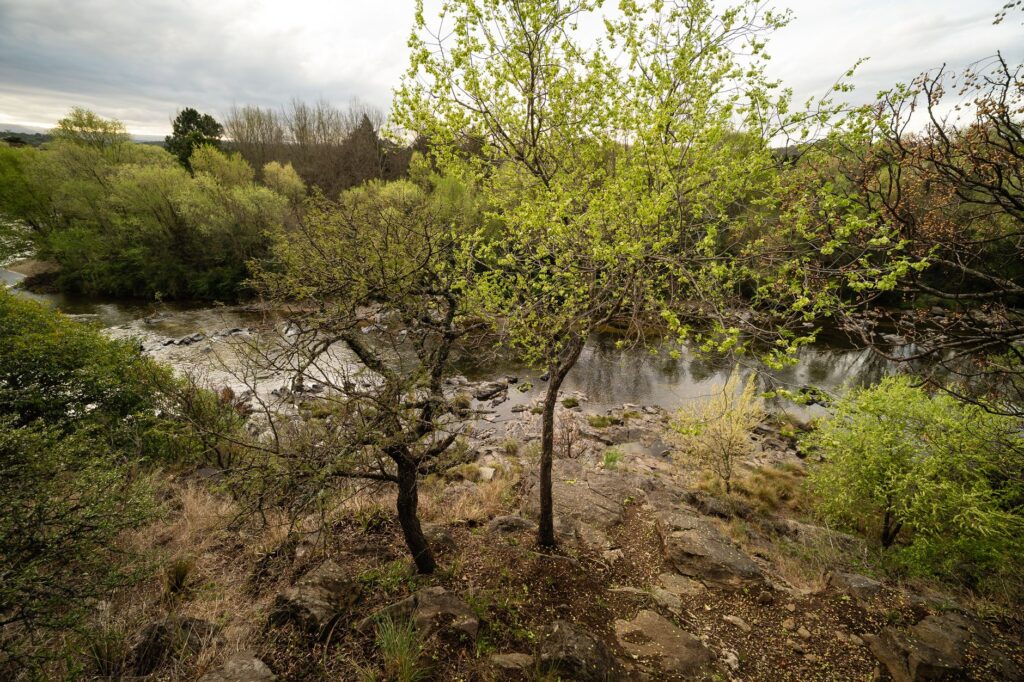
The gallery forests accompanying the secondary channels of the Paraná represent one of the most interesting botanical expressions of Argentina’s litoral. These plant formations grow linearly, taking advantage of constant humidity and wind protection offered by bluffs and insular levees. Here, trees such as the ceibo—whose red flower is a national emblem—and the criollo willow develop root systems capable of withstanding long periods of flooding without rotting.
Interaction between sunlight and dense foliage creates a shady, humid microclimatic environment conducive to vines, ferns, and epiphytic plants. This vegetative stratum not only enhances the coastal landscape but fulfills a vital function in stabilizing banks, reducing current impact on firm ground margins, and preventing massive landslides in steeper zones.
Studying regional botany highlights the adaptive capacity of native flora to moisture-saturated soils and moderate thermal variations. Local botanists note that preserving these green corridors is indispensable for maintaining biological connectivity between the subtropical north and Argentina’s temperate south, ensuring the survival of plant species that would otherwise fail in dry environments.
Wildlife and Riparian Biological Corridors
The fauna of Rosario and its insular surroundings organizes around biological corridors that facilitate species movement along the fluvial axis. Birds, reptiles, and small mammals use islands and levees as natural migration routes and refuges. The presence of the neotropical otter serves as a clear indicator of surrounding water health, as this predator requires optimal transparency and prey availability to establish its dens.
Reptiles find ideal spaces for thermal regulation on sandbars and sunny riverbanks. Freshwater turtles and occasional caimans complete a faunistic mosaic notable for its proximity to an urban core of nearly one million inhabitants. This urban-wildlife coexistence raises constant challenges in environmental management, compelling authorities and the community to delimit protected areas where fauna can thrive without destructive human interference.
Nature in Rosario does not hide in remote summits; it beats within the broad plain of the river, where every flood redraws the map of the islands and recalls the indomitable sovereignty of water.
Continuous monitoring of these animal populations through scientific sightings and non-invasive photographic records shows that riparian biodiversity possesses notable recovery capacity when extractive activities are reduced and environmental education focused on respecting natural cycles is promoted.
Safety and Recommendations for Responsible Nature Exploration
Exploring Rosario’s natural environment and islands requires specific safety measures, as the fluvial medium presents particular risks that should not be underestimated. Sudden weather shifts, strong currents in main channels, and muddy substrates in shallow areas demand caution and planning before undertaking any nautical excursion or riparian hike.
It is essential to consult hydrological and meteorological forecasts issued by official agencies before embarking or entering insular areas. Watercraft must carry mandatory safety equipment, life jackets for all crew members, and operational communication devices. Furthermore, visitors should walk exclusively on authorized trails within urban and coastal nature reserves to prevent fragile soil erosion and avoid incidents with local wildlife.
Fire prevention during extreme dry seasons is another absolute priority to protect wetlands. Lighting fires outside expressly designated spaces is strictly prohibited, and any waste generated during the visit must be removed by the traveler to preserve aquatic and terrestrial ecosystem cleanliness.
Optimal Seasons and Climatology of the Argentine Litoral
Rosario’s climate is classified as temperate pampean, featuring four distinct seasons that directly shape travel experiences and nature observation. Summers are generally warm and humid, with temperatures frequently exceeding thirty degrees Celsius, favoring lush vegetation growth while demanding caution regarding solar radiation and constant hydration during outdoor activities.
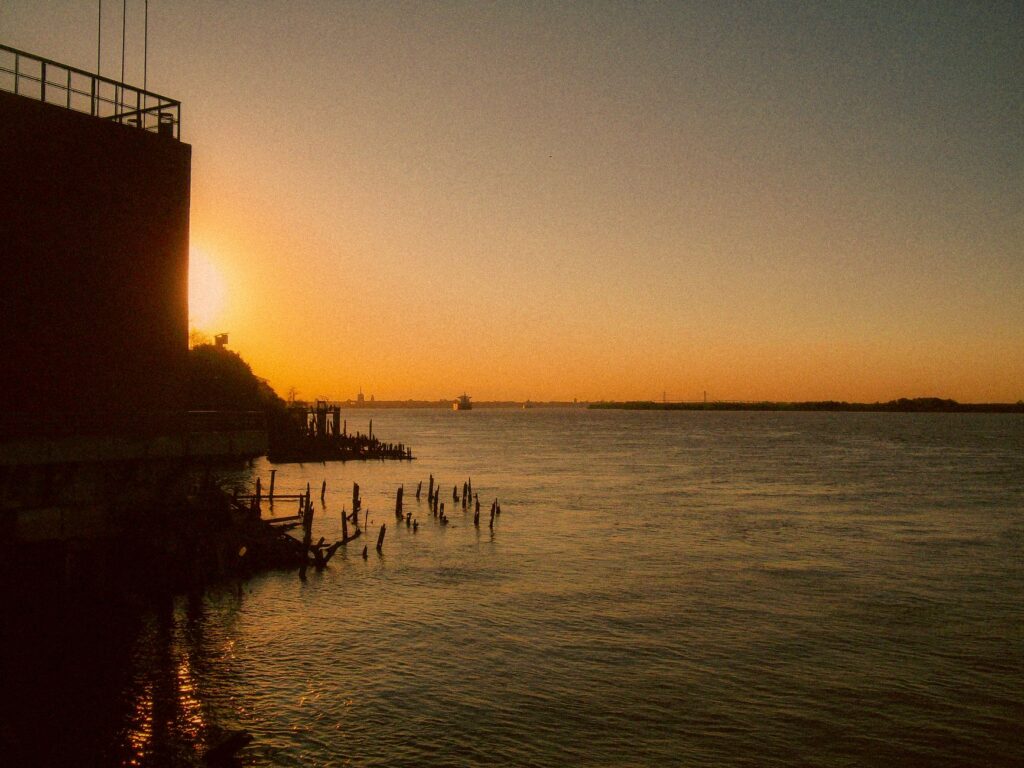
Autumn and spring offer the most pleasant meteorological conditions for exploring coastal trails and undertaking river crossings. During these months, moderate temperatures and lower rainfall facilitate birdwatching and peaceful enjoyment of riparian landscapes. Sunrises and sunsets over the Paraná provide unique hues that enhance the scenic beauty of the litoral.
Winters, though mild compared to southern Patagonia, feature cold mornings and occasional light frosts. This season is ideal for extended walks along the bluffs and landscape photography, as the atmosphere acquires particular clarity and deciduous vegetation allows better wildlife visibility in its natural habitat.
Environmental Conservation and Insular Protection Projects
In recent decades, awareness of the fragility of the Paraná wetlands has driven various scientific and community initiatives aimed at conserving Rosario’s natural heritage. Governmental and academic organizations work jointly on water quality monitoring, reforestation of degraded riverbanks with native species, and the creation of protected natural areas safeguarding insular biological corridors.
These projects seek to balance sustainable tourism development with strict preservation of the most vulnerable ecosystems. Environmental education in schools and community centers plays a catalytic role, fostering a sense of belonging and responsibility toward the river and its surroundings among new generations. Scientific research provides precise data on sediment dynamics and flora-fauna population trends, serving as the basis for public environmental protection policies.
Protecting Rosario’s wetlands is not an act of landscape nostalgia, but a vital necessity to ensure the hydrological and climatic balance of the entire litoral region.
Collective commitment remains indispensable to ensure future generations can continue contemplating the ecological richness of the Paraná, consolidating Rosario not only as a cultural and urban hub, but also as a benchmark in responsible management of its natural treasures.
Practical guide
How to get there: Rosario is served by Islas Malvinas International Airport, located about thirteen kilometers from downtown, offering domestic and regional connections. It is also accessible via an extensive network of national highways and long-distance bus services from Buenos Aires and other major cities.
When to visit: Spring months (September to November) and autumn (March to May) offer the most temperate and stable temperatures for enjoying outdoor activities, river tours, and nature reserve explorations.
Access requirements: No special visas are required for national citizens or most international tourists from Mercosur and the European Union for standard tourism stays. Carrying a valid ID card or passport is recommended.
Health recommendations: No mandatory vaccinations are required to enter the region, though mosquito protection is advisable in humid and riparian areas during the warmer months of the year.
Suggested gear: Comfortable, lightweight clothing, footwear suitable for dirt and riverbank trails, sunscreen, a hat, binoculars for birdwatching, and a reusable water bottle to stay hydrated.
Environmental rules: Littering, disturbing wild flora, or lighting fires outside authorized sites is strictly prohibited in all natural areas and riverside parks of the city.