
The Traces of a Northern Geography in the United Kingdom
Along the banks of the River Tyne in the northeast of England, the silhouette of Newcastle upon Tyne stands as a monumental testament to British industrial and cultural transformation. This is not merely a collection of ancient buildings, but a living organism where present-day choices continuously converse with a past shaped by coal extraction, shipbuilding, and maritime trade. Walking through its streets involves descending steep slopes that lead down to the quays, discovering how the topography has sculpted local architecture over the centuries. The river surroundings display a relief that has conditioned human settlement since ancient times, generating an urban layout where each embankment and retaining wall narrates a collective effort to inhabit an environment as challenging as it is fertile in commercial and social opportunities.
The urban layout reveals a fascinating duality between the neoclassical grandeur of streets like Grainger Street and the industrial ruggedness of the restored quays. In the nineteenth century, architects Richard Grainger and John Dobson imprinted a monumental character that defines the urban profile today, utilizing local sandstone that absorbs the changing northern light. This visual harmony is not a decorative accident, but the reflection of an era when urban planning sought to project solidity, prosperity, and civic order in one of the most dynamic regions of the British Empire. The ornamental details of the facades, the semicircular arches, and the balanced proportions of the buildings demonstrate a vocation for permanence that defies the passage of time and the harsh weather conditions characteristic of this British latitude.
The Architecture that Structs the Urban Landscape
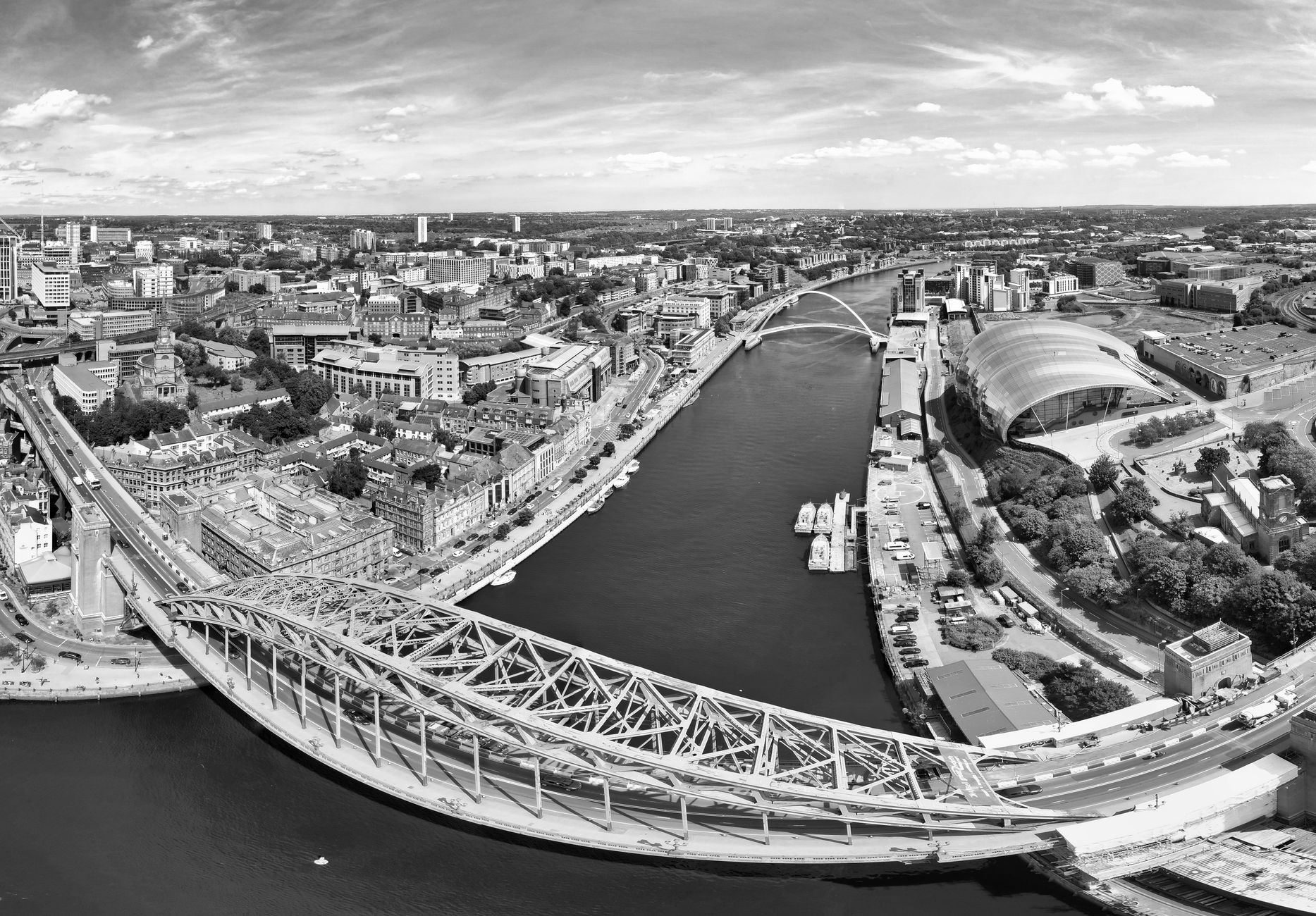
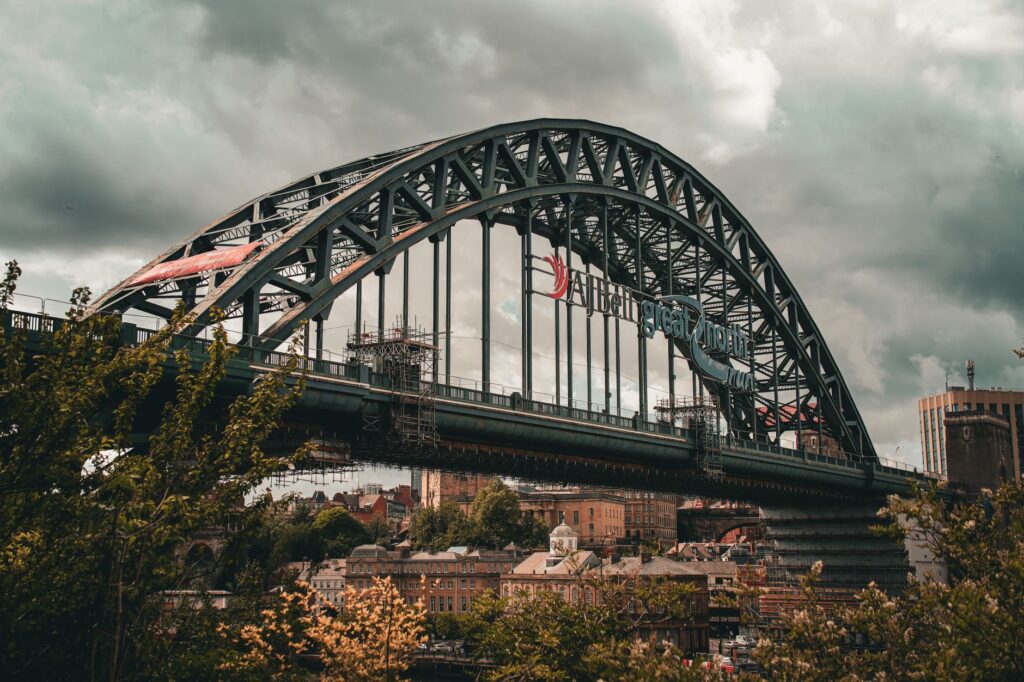
The built heritage of the city finds its maximum expression in the bridges linking the two banks of the River Tyne, connecting Newcastle with its neighbor Gateshead. The Tyne Bridge, inaugurated in 1928, has become the undisputed emblem of this British community, anticipating the design of the famous Sydney Harbour Bridge. Its arched metallic structure dominates the horizon and recalls the mastery of interwar engineering, uniting communities that for generations lived off port and fluvial activity. The imposing presence of this steel arch acts as a constant visual reference point, orienting the walker and marking the rhythm of daily life on both margins of the river channel.
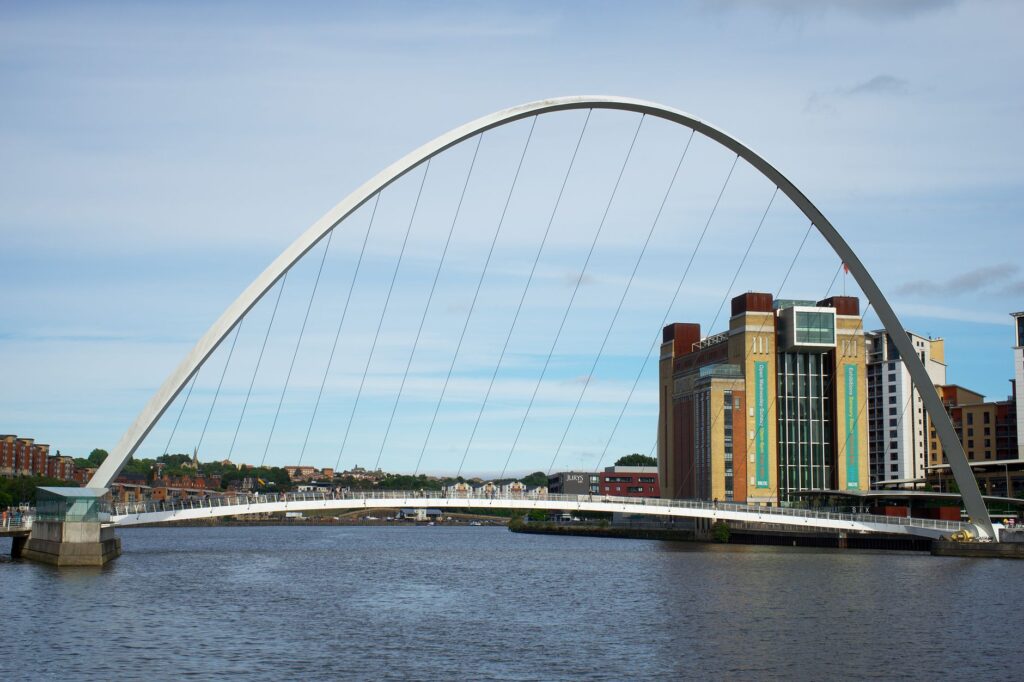
A few meters away, the Gateshead Millennium Bridge introduces a note of bold modernity with its tilting, blinking-eye profile. This contemporary intervention demonstrates that heritage is not a static museum piece, but an evolving discipline that accepts innovation without betraying the historical context. The former grain warehouses and red brick stores flanking the river promenade have been converted into art centers and public spaces, displaying a remarkable adaptability in the face of the decline of traditional heavy industry. The harmonious coexistence between nineteenth-century metallic elements and the organic, tilting forms of the twenty-first century reflects an exceptional urban maturity in British territory.
Daily Life in the Historic Neighborhoods
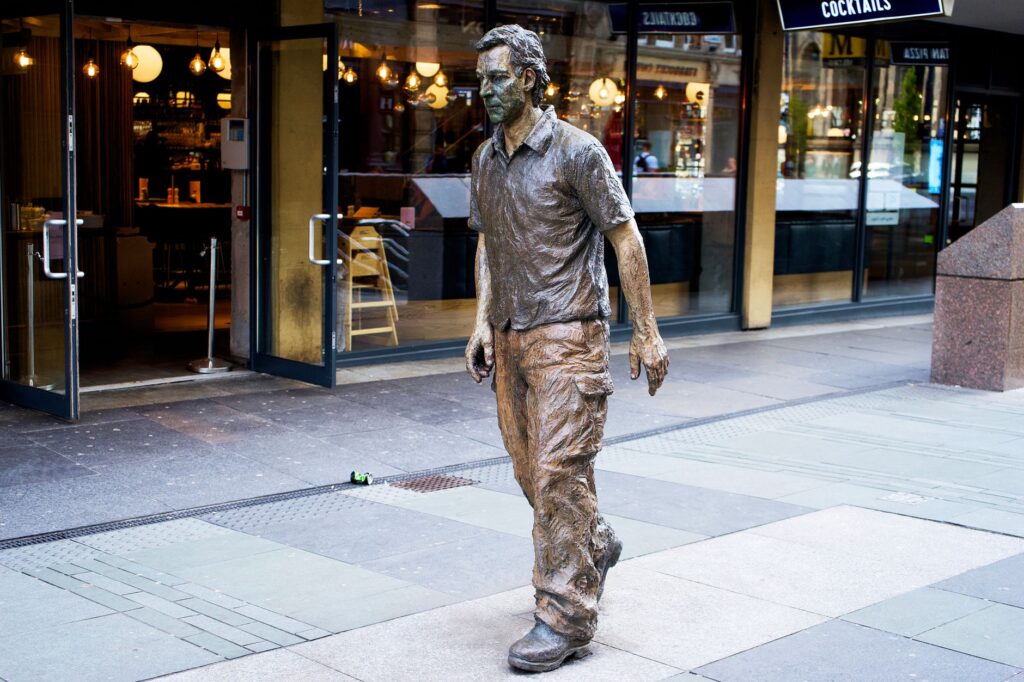
Far from the major monumental landmarks, the true essence of the city is experienced in its residential neighborhoods and the daily activity of its traditional markets. Grainger Market, operating since the 1830s, remains a neuralgic hub where local farmers, artisans, and neighbors converge in search of fresh produce. Beneath its wrought iron and timber structure, the daily hustle and bustle keeps alive a social fabric based on proximity, independent commerce, and resistance against the homogenization of large retail chains. Each stall reflects the continuity of inherited commercial customs, where direct dealing and mutual understanding between shopkeepers and buyers strengthen the sense of community belonging.
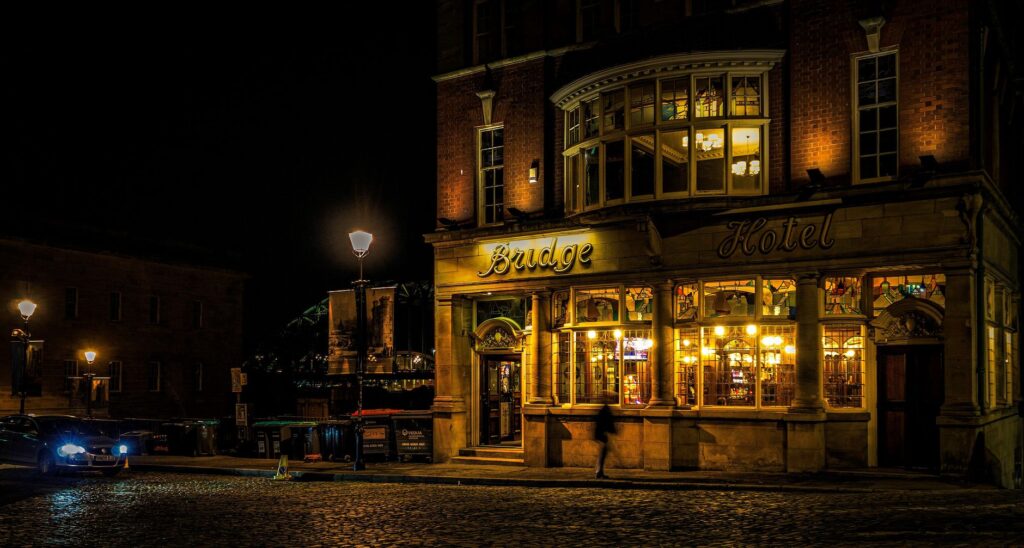
Local identity is also nourished by an intense cultural life spanning from small independent galleries to internationally renowned institutions such as the BALTIC Centre for Contemporary Art, located on the opposite bank yet inextricably linked to Newcastle’s cultural pulse. The inhabitants of this British region, colloquially known as Geordies, jealously guard their own dialect and a sense of community deeply rooted in working-class pride, neighborhood solidarity, and the celebration of folk and musical traditions. Local artistic expressions and gatherings in traditional pubs perpetuate an urban folklore that firmly resists the onslaughts of globalizing uniformity.
The Role of the Responsible Visitor in Heritage
For those arriving from other latitudes, a visit to this British city demands a respectful and conscious approach. Sustainable tourism in Newcastle upon Tyne is not limited to reducing carbon footprints during travel, but implies valuing and supporting the local economy, prioritizing consumption in neighborhood shops, utilizing public transport networks, and respecting the residential neighborhoods that retain their original human scale. Understanding the value of architectural details and residents’ sensitivity to overcrowding is essential to guarantee harmonious coexistence between tourism and daily life.
The decisions of the responsible traveler directly contribute to the conservation of historic buildings and the viability of small cultural projects that invigorate neighborhoods. The balance between heritage conservation and urban development is a constant challenge requiring the active complicity of those who traverse its streets, understanding that each Victorian facade and worn cobblestone forms part of a fragile legacy that must be transmitted to future generations without artificial alterations. Adopting respectful guidelines while walking through residential and commercial zones consolidates an exchange model where the visitor acts as an attentive observer and collaborator in community well-being.
Green Spaces and Natural Memory
The urban experience is completed by the presence of green lungs such as Leazes Park and the historic expanse known as Town Moor, an extensive grazing land situated north of the urban center. This communal space, whose usage rights date back to the Middle Ages, allows citizens to maintain a direct relationship with the natural environment without leaving the urban realm, sheltering cattle under supervised open grazing a few minutes away from the commercial zone. The persistence of this traditional agrarian use in the heart of a British city constitutes a legal and landscape rarity of incalculable value.
The preservation of these open spaces demonstrates an urban planning vision that prioritizes collective well-being and biodiversity over real estate speculation. Strolling along these paths at dusk, when the North Sea breeze begins to cool the atmosphere, offers a unique perspective on the character of a community that has successfully combined its industrial past with a profound respect for its natural and scenic environment. Sentinel trees, ponds, and open meadows configure a tranquil refuge where local fauna and flora find a safe habitat within the metropolitan map.
Practical Guide
- How to get there: The city features Newcastle International Airport, connected by metro to the center in under half an hour. It also offers excellent rail connections from London and Edinburgh via the British East Coast Main Line.
- When to go: The spring and summer months (from May to September) offer milder temperatures and extended daylight hours to explore the architectural heritage and natural spaces of this British territory on foot.
- Local transport: The metro system and urban bus network allow easy travel. However, the best way to discover the historic center and the River Tyne bridges is walking with attention to topographical detail.
- Accommodation: Travelers are advised to choose boutique hotels located in restored Victorian buildings in the center or independent apartments in the quays area to experience a more integrated taste of local life in this British community.
- Gastronomy: Trying local specialties such as Stottie cake and dishes prepared with North Sea produce in the traditional markets and taverns dotting the historic neighborhoods is a must.
The Horizon of the River Tyne at Dusk
When the golden light of sunset begins to reflect upon the dark waters of the River Tyne, the city adopts an atmosphere of deep introspection. The silhouettes of the historic bridges are etched against a sky that rapidly shifts tones, offering a visual tableau summarizing centuries of history, labor, and human resilience on British soil. In that precise moment, the traveler understands that the true value of this enclave resides not solely in its monuments, but in the capacity of its people to keep the memory of a territory alive as it looks toward the future with dignity and pride.