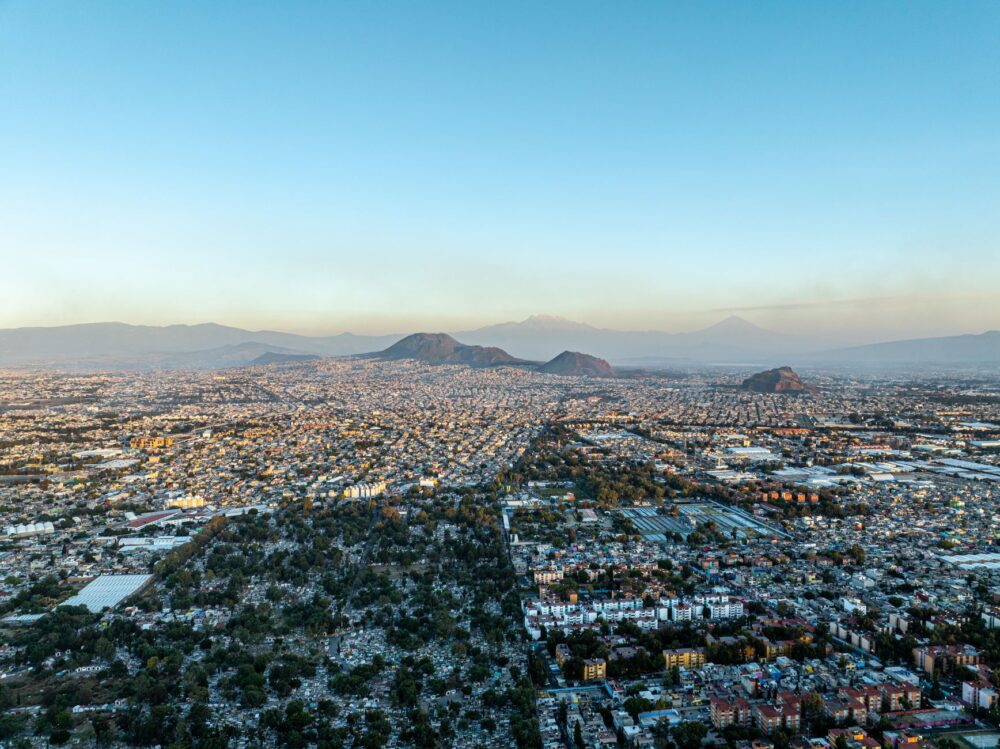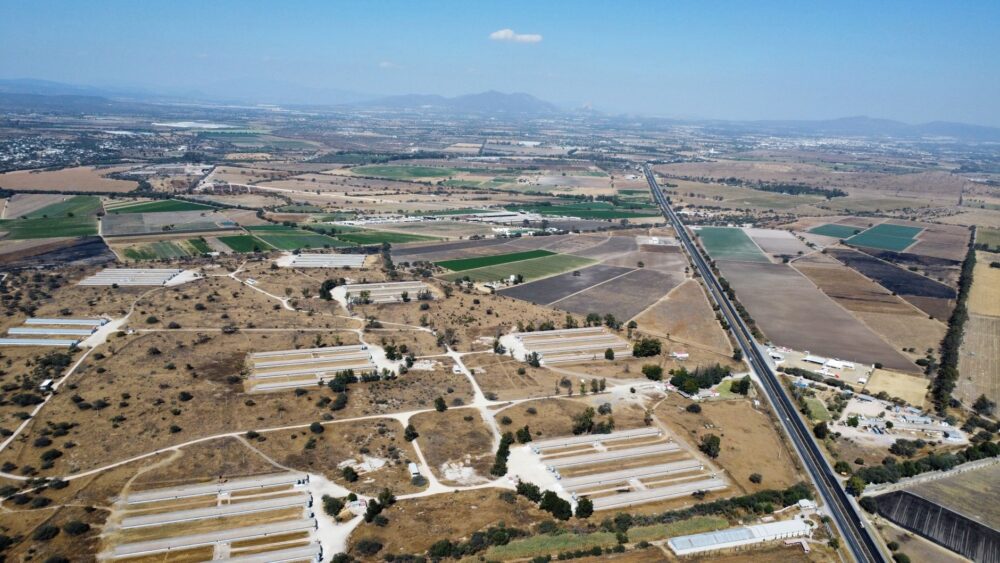

In the northern sector of the Santiago province, within the Metropolitan Region, stands Quilicura, Chile, a territory that has steadily redefined its identity over the decades. Far from the bustling center of the capital, this commune of over two hundred thousand inhabitants retains a distinct rhythm where agricultural history, vestiges of pre-Hispanic settlements, and an intense urban transformation coexist. Walking through its streets reveals how old irrigation canals and cultivated tracts have given way to residential neighborhoods and logistical hubs, without entirely erasing the footprint of community memory. The landscape is marked by unique geological formations that rise from the alluvial plain, serving as silent witnesses to ancient geomorphological processes.
The name of this place, rooted in indigenous languages, evokes the ancestral presence of communities that once made the most of the fertile valley surrounded by insular hills. The relationship between geographic relief and housing growth defines much of the experience of traveling through the sector. As the sun rises over the Andean cordillera, daily movement begins to unfold across a network of local transport connecting major avenues, nearby railway stations, and residential passages where neighborly ties remain strong. Public spaces and community initiatives constantly weave together past traditions and present realities in Quilicura, Chile.
The Geography of the Valley and Its Insular Hills
Quilicura’s urban landscape is shaped by the striking presence of unique geological formations rising from the alluvial plain within the Chilean central valley. These insular hills, silent witnesses to ancient geomorphological processes, act as visual and ecological reference points for anyone traversing the commune. These natural spaces not only break the monotony of asphalt but also provide refuge for native flora and fauna adapted to the semi-arid climate characteristic of this part of Chile.
Walking the peripheral paths that skirt these elevations highlights the contrast between nature hardened by dry summers and the green of urban parks that have steadily gained ground due to citizen pressure for preserved green spaces. Urban planning has had to navigate the delicate balance between industrial growth and the protection of these green lungs, turning each natural pocket into a space for ecological resilience. Local ecological groups frequently organize educational walks to foster awareness regarding the conservation of these natural landmarks in Quilicura, Chile.

Local Transport and Pedestrian Accessibility
Getting around Quilicura involves understanding a transport network in constant expansion across the Chilean metropolitan territory. The arrival of metro infrastructure and the reorganization of local bus routes have deeply transformed commute times for thousands of workers who leave the commune every morning toward central Santiago. At the neighborhood scale, however, travel still relies heavily on walking and bicycle paths crossing residential sectors.
The wide sidewalks of major avenues contrast with older passages where traffic slows down naturally. This coexistence between metropolitan urgency and neighborhood calm allows observers to witness a hybrid transit dynamic. Public transport users and pedestrians share busy intersections where traffic signs converse with the commercial activity of neighborhood markets and small local shops. Mobility initiatives continue to propose better integration between cycling infrastructure and mass transit networks across Quilicura, Chile.
Hidden Historical Heritage Amid Modernity
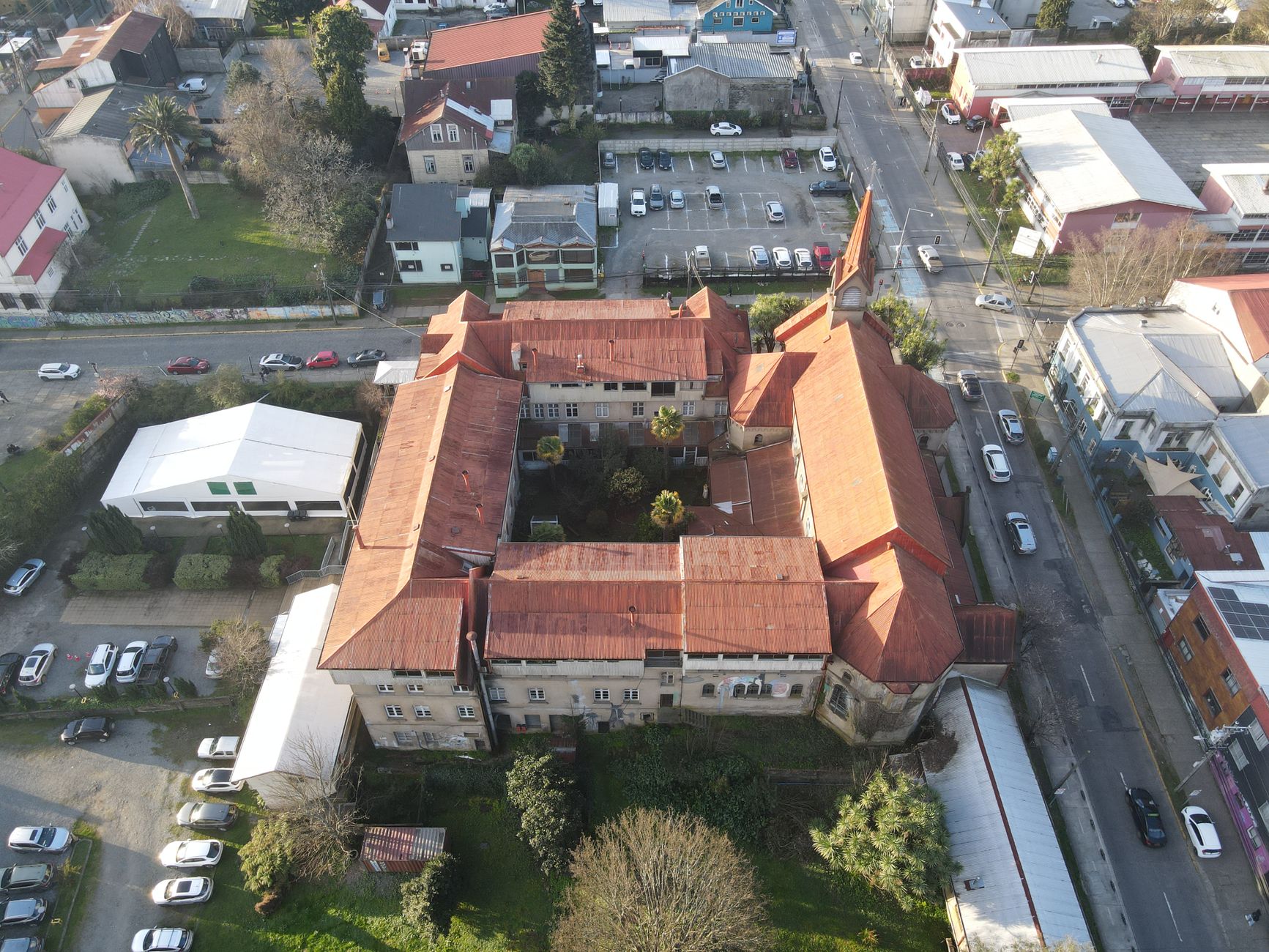
Quilicura’s history resides not only in archival books, but in the material remnants resisting real estate expansion throughout the Chilean urban landscape. Old adobe houses, historical estate storehouses, and rural road patterns form a subtle yet persistent architectural heritage. Although many of these structures have been absorbed by industrial or commercial fabrics, fragments of former agrarian life can still be spotted in tree-lined squares and traditional street corners.
The collective memory of older residents preserves accounts of the era when the commune supplied vegetables and grains to the capital’s markets. This agricultural legacy is reflected in the persistence of open-air street markets, true social institutions where households provision themselves and the fabric of community life is woven. In these spaces, commercial exchange is accompanied by unhurried conversation that contrasts with the speed of the modern world, reminding visitors of the enduring rural roots embedded in Quilicura, Chile.

Community Life and Public Spaces
Quilicura’s social fabric clearly manifests in its squares, cultural centers, and neighborhood association halls. These meeting points serve as stages where diverse generations converge to practice sports, attend artistic workshops, or simply share an afternoon outdoors. The integration of new migrant communities has enriched this cultural mosaic, bringing fresh perspectives to local festivities and neighborhood gastronomy.
Public spaces have undergone improvements aimed at enhancing urban quality of life, incorporating suitable furniture, efficient lighting, and children’s play areas. Despite the challenges inherent to a peripheral commune experiencing rapid demographic growth, citizen participation plays a vital role in defending and caring for these common goods, ensuring that urban development does not marginalize the human dimension of the territory within Chile.
The value of a territory lies not solely in its infrastructure, but in the capacity of its inhabitants to recognize themselves in shared space and care for their collective memory.
Everyday Gastronomy and Neighborhood Markets
Quilicura’s culinary scene draws on the Chilean tradition of home-cooked meals and the influence of diverse cultures that have made this sector their home. Near open-air markets and small neighborhood shopping hubs, visitors find traditional preparations such as empanadas, hearty stews, and dishes made with fresh seasonal produce. Local markets function as intergenerational meeting points where recipes and culinary knowledge are passed down.

Far from commercial dining circuits, Quilicura’s everyday cuisine stands out for its simplicity and authenticity. Family-run eateries and quick-service food stalls reflect the socioeconomic diversity of the area, offering accessible options that satisfy both the commuter on the go and the local resident seeking familiar flavors. This culinary landscape reinforces the identity of a commune in Chile that eats with its feet firmly planted in tradition.
Practical guide
How to get there: Quilicura is connected to Santiago’s public transport system via Metro Line 3, alongside multiple urban bus routes operating from various points across the capital of Chile.
When to visit: Any time of year is suitable for exploring the commune, although spring months offer mild temperatures ideal for outdoor walks.
Local getting around: Visitors are advised to use public transport for long trips and walk through residential neighborhoods and street markets to appreciate local life at a human scale.

Community respect guidelines: Maintaining a respectful attitude in neighborhood markets is essential; always ask permission before photographing vendors at their stalls and support local businesses to foster the neighborhood economy.
Sustainability and Future on the Metropolitan Threshold
Quilicura’s future depends largely on how successfully it manages environmental challenges stemming from intense industrial activity and demographic expansion within Chile. Local recycling initiatives, the protection of underground water resources, and the creation of ecological corridors around insular hills represent crucial steps toward a more balanced development model. Environmental awareness has shifted from a marginal concern to a central pillar of citizen demands.
Within this horizon of change, the commune maintains the challenge of preserving its historic identity while embracing twenty-first-century opportunities. The balance between economic progress, social justice, and care for the natural environment will determine the physiognomy of this territory in the coming decades. Walking through its streets today means witnessing that transition in real time, where every resident contributes, through daily routine, to writing the next chapter of Quilicura’s story.