
The Commercial Heartbeat of a Tanzanian Crossroads
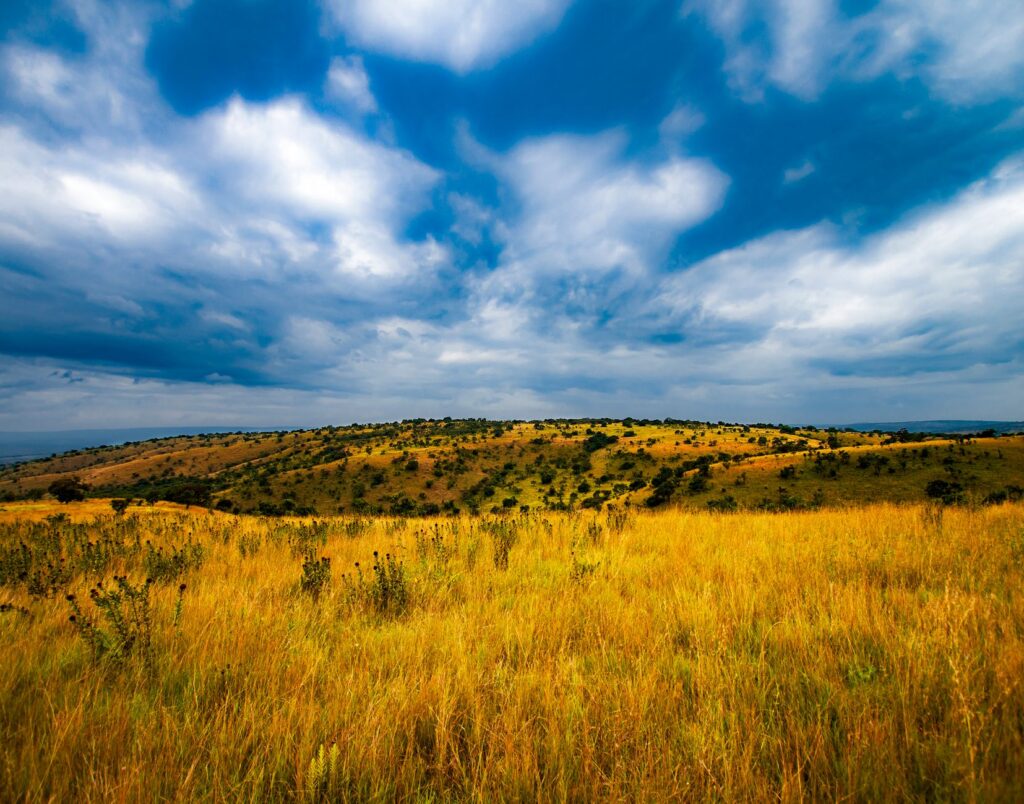
In the northwestern heart of Tanzania, the town of Kahama rises at an elevation of approximately twelve hundred meters, marking a vital meeting point where regional trade routes in the Shinyanga region converge with the daily lives of more than four hundred thousand residents. Far from the coast and major international tourism circuits, this dynamic municipality sustains its daily rhythm through a vibrant economy driven by local commerce, small-scale farming, and surrounding mining activity. The reddish soil defines both the urban and rural landscape, infusing every corner with a warm hue that serves as a backdrop for a bustling flow of people.
Everyday cooking in this territory does not rely on sophisticated formulas, but rather on the strict necessity of making the most of what the land offers under a savanna climate. Mornings begin before dawn, when shopkeepers raise the metal shutters of their stalls and transporters unload sacks of fresh grain. In this environment, daily nutrition functions as an invisible thread uniting families, merchants, and farmers who arrive from neighboring villages to offer their harvests. The central market is not merely a supply point, but the true social forum where prices are negotiated and the day’s news is shared.
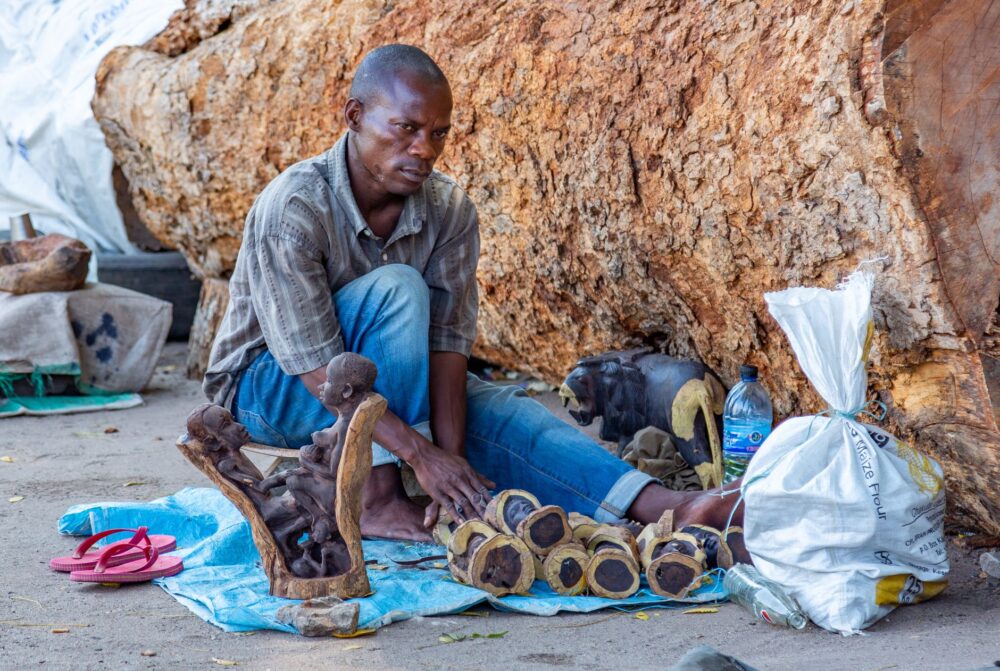
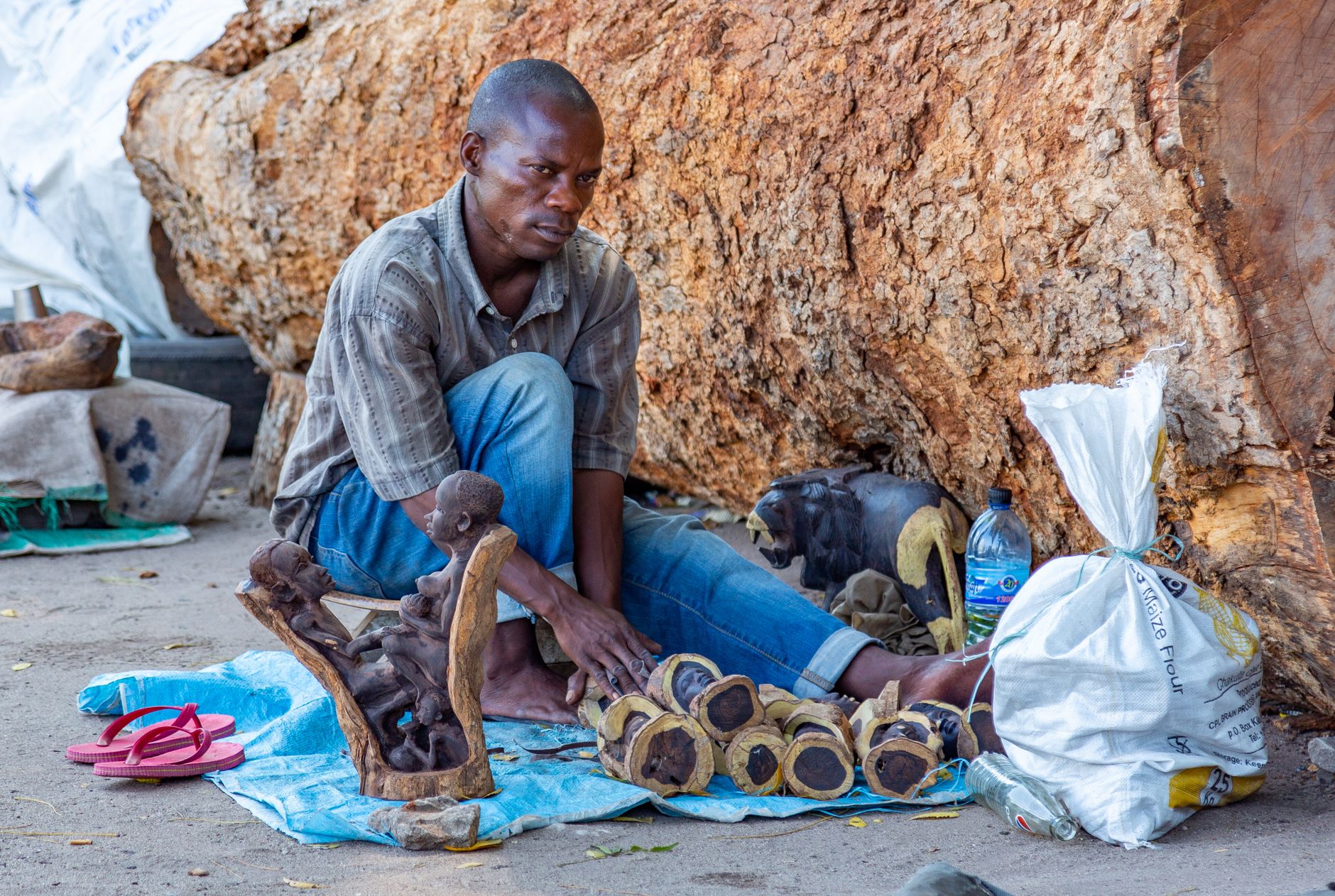
Walking through the streets of Kahama reveals how contemporary Tanzanian culture is nourished by hospitality and collective effort. Single-story dwellings, open-air improvised mechanic workshops, and small street food stalls compose an urban mosaic where neighborhood life is practiced out in the open. Each resident plays a part in this community chain, from the farmer growing beans to the cook lighting the charcoal stove to prepare midday lunch.
Maize and Flour as Pillars of the Local Pantry
If there is one ingredient that monopolizes the nutritional base of Kahama, it is maize. Processed primarily into fine flour, it forms the central element of ugali, the dense and consistent preparation that accompanies virtually all main meals in this part of East Africa. Market stalls display rows of open sacks showcasing different grain varieties, selected according to their hardness and milling capacity. Families regularly visit local mills to process their own maize, ensuring a fresh supply renewed week after week.
Alongside maize, legumes occupy a leading space in everyday cooking. Dried beans and peas are stored in large quantities and simmered slowly for hours, often combined with onions, tomatoes, and vegetable oil to create nutritious stews that provide the energy needed for long working days. This basic stew is served hot over a generous portion of ugali, forming a balanced, accessible dish deeply rooted in the community’s taste memory.
Sourcing these staples requires precise daily logistics, managed by a network of intermediaries and small traders who travel rural roads in motorcycles and pickup trucks loaded to the limit. This proximity economy ensures that food reaches stalls in optimal condition, maintaining stable prices that allow working-class households to access steady nutrition throughout the year.
The Bustling Open-Air Markets and Daily Negotiation
The open-air market of Kahama represents the epicenter of the town’s economic and social activity. From early morning, the space fills with intense colors provided by neatly arranged piles of ripe tomatoes, red onions, local eggplants, and tubers like cassava and sweet potato. Female vendors, draped in colorful kanga fabrics, attend to their clientele with a blend of commercial firmness and human warmth, establishing constant dialogues that enliven the atmosphere.
Commercial transactions in this market transcend mere monetary exchange; they are an act of social bonding. Buyers carefully examine the quality of each product, compare sizes, and amiably discuss the final cost before closing the deal with a smile. This daily ritual fosters mutual trust among neighbors and ensures that seasonal foods circulate quickly without significant waste.
Beyond agricultural produce, the inner aisles house small stalls specializing in spices, dried fish from distant water bodies, and bulk edible oils. The air becomes impregnated with earthy aromas and flashes of cumin, cilantro, and pepper, creating a unique sensory atmosphere that defines the commercial identity of this Tanzanian corner.
Meats and Freshwater Fish in the Daily Diet
Although diets in Kahama are predominantly vegetarian due to the cost of animal protein, meat and fish consumption marks special occasions and complements the weekly nutrition of many households. Beef and goat meat, raised in the semi-arid pastures of the Shinyanga region, are purchased at local butcher shops where cuts are displayed openly and prepared mainly in spiced stews or grilled.
Fish frequently arrives dried or smoked from more distant lake areas, as permanent freshwater availability within the municipality is limited. This dried fish is shredded and incorporated into vegetable stews to impart a salty, deep flavor profile that enriches the overall dish. It is an ancestral preservation technique allowing residents to enjoy Tanzania’s aquatic resources in interior zones where electrical refrigeration is not always guaranteed.
Preparing these meats requires patience and mastery of fire. Local cooks use charcoal in small clay stoves, regulating heat intensity with woven fans to achieve slow cooking that softens tougher fibers and concentrates natural juices.
The Morning Tea Ritual and Street Pastries
The start of the morning in Kahama is incomplete without the collective ritual of spiced tea. At the busiest street corners and in small establishments with wooden sidewalk tables, residents gather to drink hot black tea infused with ginger, cloves, and abundant condensed milk or sugar. This stimulating drink provides warmth and energy to kick off the day, frequently accompanied by fried rolls or light flour pastries made to order.
Street vendors play a fundamental role in this morning habit, balancing metal trays expertly on their heads or setting up near the entrances of commercial zones. They offer freshly baked goods releasing a sweet aroma of vanilla and hot oil, attracting both students and workers before they begin their daily duties.
This gathering space around a cup of tea encourages the exchange of local information and strengthens neighborhood ties. It is a moment of pause amid the urban bustle, where social differences blur and everyone shares a common space of peaceful coexistence.
Urban Architecture and Sidewalk Life
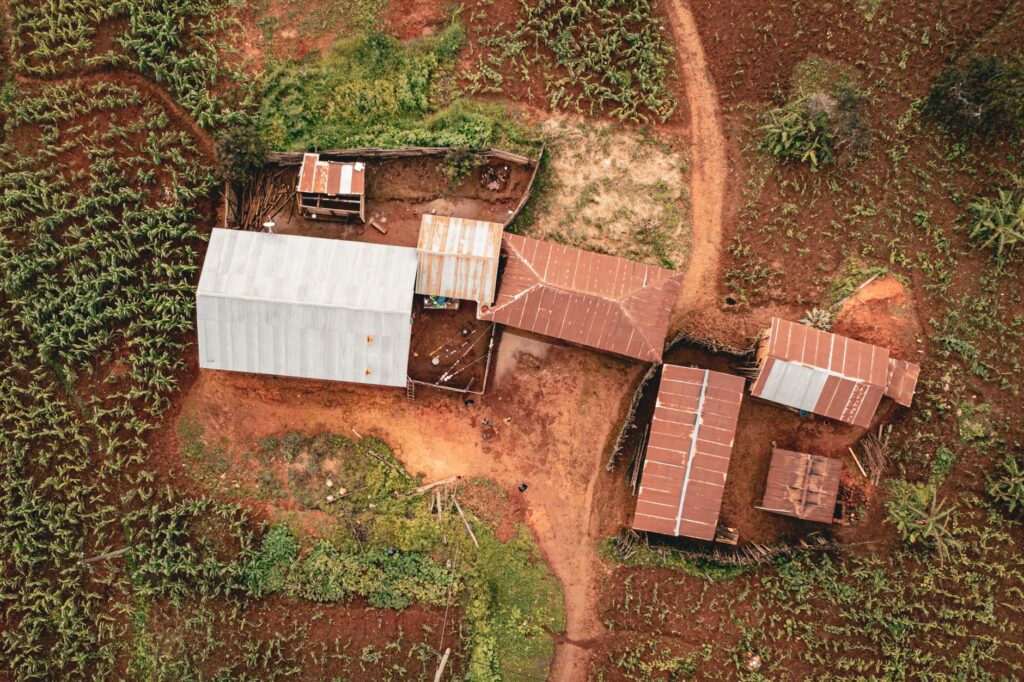
Kahama’s architectural landscape reflects a constant transition between rural tradition and accelerated urban growth. Single-story buildings with fired brick or adobe walls and corrugated metal roofs reflecting the intense African sunlight predominate. Sidewalks of beaten earth or rudimentary cement serve as extensions of homes and businesses, housing wooden benches, small merchandise displays, and shady spots beneath generous eaves.
Life largely unfolds outdoors. Children play in open spaces between streets, artisans repair bicycles and footwear in makeshift doorways, and neighbors converse sitting at their doorsteps as dusk falls. This integration between private space and the public domain generates a strong sense of community security and belonging throughout the municipality.
The maintenance of these structures depends on neighborly effort and the constant reuse of local materials. Facades are periodically repainted in bright colors contrasting with the reddish dust of the roads, bringing a note of aesthetic vitality to a functional and austere urban environment.
Responsible Practices for the Curious Visitor
Travelers arriving in Kahama driven by a desire to understand authentic Tanzanian reality must adopt an attitude of profound respect and discretion. As a non-massified destination, the presence of outsiders sparks natural curiosity best managed through respectful dialogue and the avoidance of invasive photography without prior consent. Supporting the local economy by shopping directly at traditional markets and eating at small popular diners is the best way to ensure the visit generates a positive, direct impact on the community.
Likewise, it is essential to respect local customs regarding attire and public behavior, showing modesty and consideration toward elders and community authorities. Sustainability in this context does not require complex ecological certifications, but rather common sense, a willingness to learn from unfamiliar customs, and a firm commitment to fair and humane commerce.
Practical guide
How to get there: Access to Kahama is mainly by road via long-distance buses and shared taxis from major cities like Mwanza or Shinyanga. The local airport holds the IATA code KBH, though commercial air connectivity is very limited compared to land routes.
When to go: The dry season months, from June to October and December to February, offer the most comfortable conditions for exploring markets and streets on foot without complications associated with heavy rains.
Where to eat: Small local diners located around the central market offer freshly prepared traditional dishes such as ugali, stewed beans, and braised meat at accessible prices.
Official currency: The Tanzanian Shilling (TZS). Carrying cash in small denominations is recommended, as card payments are practically nonexistent in traditional commerce.
Local language: Swahili is the dominant language in everyday communication, complemented by English in basic administrative contexts.
Health and safety: Having adequate travel insurance, consulting official health recommendations on vaccination, and protection against mosquito-borne diseases before undertaking the trip are essential.
The Reflection of a Community at Peace with Its Environment
As dusk falls, the golden light of the Tanzanian sun bathes Kahama’s tin roofs and dusty streets, casting long shadows over markets gradually closing their doors. The faint smoke of charcoal stoves begins to rise among homes, announcing the preparation of family dinner and closing a daily cycle of work, exchange, and dignified survival. In this corner far removed from conventional routes, true wealth lies in the capacity of its people to sustain a solid community life based on daily effort, respect for the land, and sincere hospitality toward those who arrive with a genuine desire to understand.