
The Traces of Kirikiriroa Along the Great Current
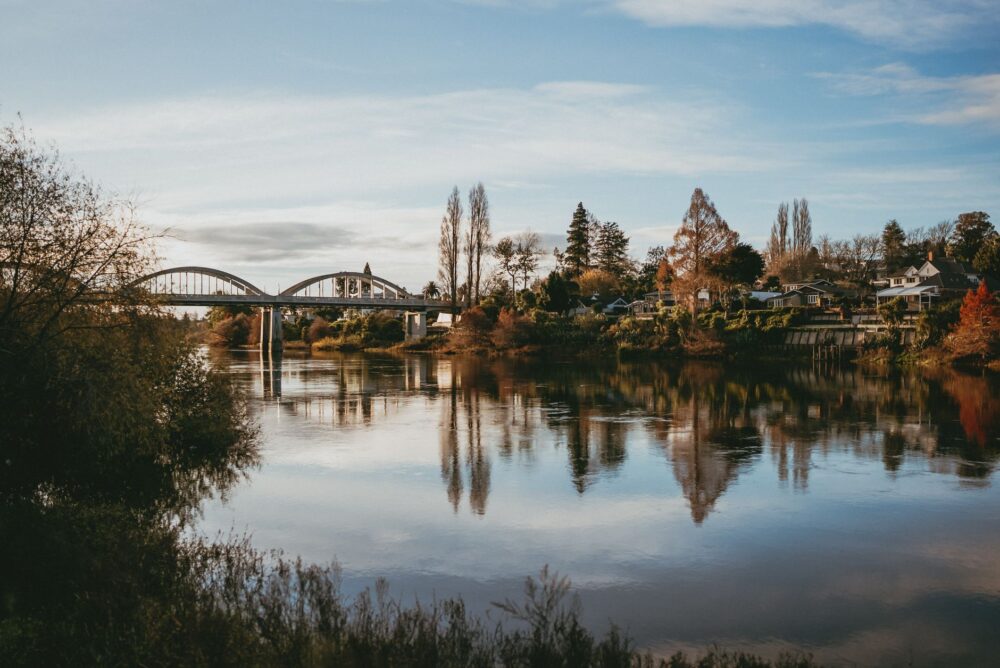
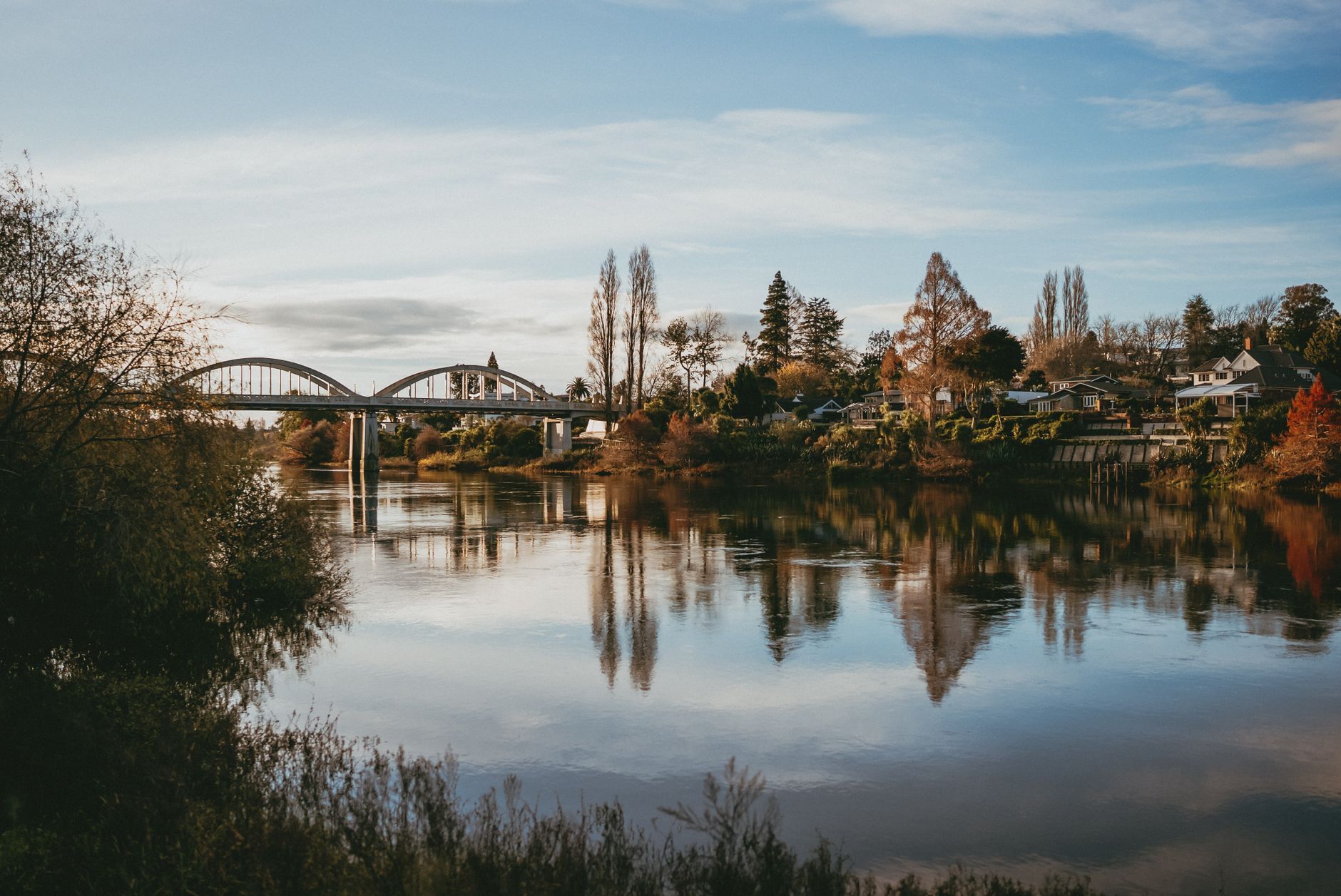
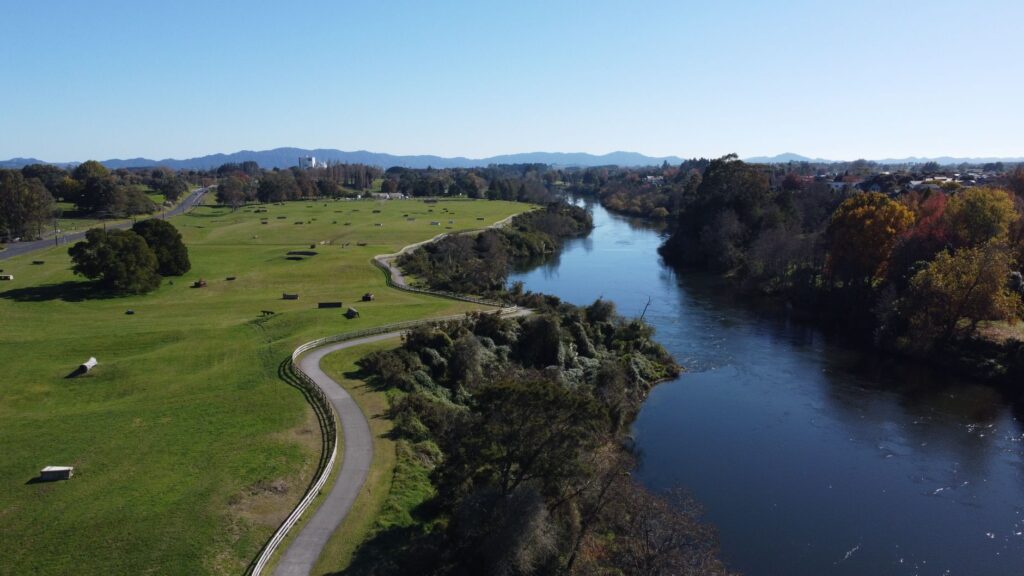
On the banks of the Waikato River in the central region of New Zealand’s North Island, the city of Hamilton unfolds a geography where the river floodplain meets a rich Māori heritage. Originally known as Kirikiriroa, this locality has grown by embracing the country’s longest watercourse, a flow that not only defines the urban landscape but also structures daily commutes, neighborhood gatherings, and the collective memory of its residents. The tree-lined riverbanks invite a contemplative pause, far from the hustle and bustle of large coastal metropolises, allowing the visitor to grasp the unhurried pace of a community that deeply values its natural surroundings.
The urban layout is organized around historic bridges and pedestrian walkways connecting both banks of the river. Far from being mere transit infrastructures, these viewpoints offer a privileged perspective on the riparian vegetation, where native ferns and introduced species coexist in a delicate ecological balance. Here, daily life unfolds to the rhythm of morning cyclists and walkers who make use of paved paths to traverse the city without haste, integrating physical movement with the contemplation of the river landscape.
Botanical Legacy and Biodiversity in the City Gardens
One of Hamilton’s greatest attractions lies in its firm commitment to the conservation and promotion of global botany. The renowned public gardens situated along the riverbank represent an exercise in landscape design that transports the visitor to different eras and cultures. From traditional plant collections to spaces dedicated to modern horticulture, each section functions as an open classroom on the relationship between humankind and the earth. This green space is not a mere tourist showcase, but an intergenerational meeting point where local families share weekends and educational workshops.

The responsible management of these grounds reflects a growing environmental awareness throughout the Waikato region. Maintenance teams employ sustainable cultivation techniques, prioritizing native flora to preserve the ecological corridors for local fauna, especially native birds such as the tūī and the kererū. This harmony between human design and ecological regeneration consolidates Hamilton as an urban sustainability benchmark in Oceania, proving that demographic growth can go hand in hand with scrupulous respect for natural heritage.
Heritage Architecture and Commercial Memory in the Historic Center
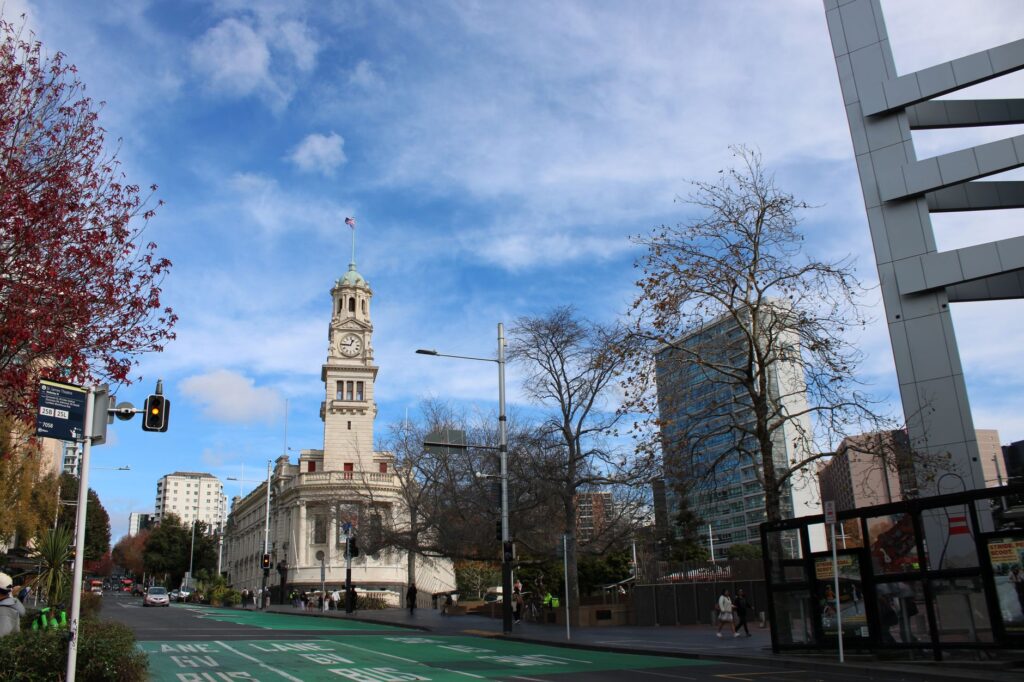
Hamilton’s commercial heart combines early 20th-century buildings with contemporary architectural interventions that respect the human scale. Exposed brick facades and former warehouses converted into specialty coffee shops and independent bookstores narrate the transition from an agricultural enclave to a dynamic regional hub. Walking along Victoria Street reveals how local businesses prioritize proximity products, ranging from artisanal pastries to crafts created by regional makers.
The value of a city is measured not by the speed of its vehicles, but by the quality of its gathering spaces and the preservation of its shared memory.
This commercial vitality is sustained by a robust network of farmers’ markets and cooperatives supplying the local pantry. On weekends, street stalls fill with seasonal vegetables, regional monofloral honeys, and artisanal cheeses crafted on surrounding farms. The local consumer and the conscious traveler thus participate in a circular economy circuit that strengthens community identity and drastically reduces the carbon footprint associated with food transport.
Life in Residential Neighborhoods and the Culture of Neighborhood
Beyond the commercial core, Hamilton’s residential neighborhoods feature tree-lined streets, single-story homes with manicured front gardens, and a notable absence of major architectural barriers. Neighborhood coexistence is structured around community parks, public libraries, and community centers that foster civic participation. In these spaces, New Zealand’s cultural diversity manifests naturally, integrating Māori, Pacific, and diverse migrant communities who have found a stable home in Waikato.
Active mobility enjoys notable institutional backing. Extensive bicycle lane networks connect peripheral neighborhoods with the center, making it easier for a significant portion of the working and student population to choose cycling or walking for their daily commutes. This mobility model not only eases road traffic, but also promotes a healthy lifestyle and socially binds neighborhoods together, turning streets into safe places for children and community coexistence.
Education, Research, and the University Pulse
The presence of the University of Waikato grants Hamilton a singular intellectual dynamism. Campuses and scientific research centers attract students and scholars from around the world, making the city an innovation hub in environmental sciences, sustainable agriculture, and the preservation of the Māori language (te reo Māori). This academic atmosphere permeates urban cultural life, manifesting in independent bookstores, open public debates, and an intensive programming of independent cinema and art galleries.
The exchange of knowledge between academia and the local community generates highly active citizen science initiatives. Residents participate in monitoring the water quality of the Waikato River, riverbank reforestation, and the cataloging of pollinating species. This collective commitment reinforces the identity bond with the territory, ensuring that urban development is guided by scientific criteria and a deep respect for ecosystem well-being.
Gastronomy of Proximity and the Waikato Table

Hamilton’s culinary scene is a faithful reflection of its agricultural and livestock environment. The city’s restaurants and bistros base their offerings on seasonal menus that vary according to the availability of farms in the Waikato Valley. Grass-fed meat, artisanal dairy products, and vegetables grown in nutrient-rich volcanic soils constitute the basis of honest cooking, focused on the genuine flavor of the product without unnecessary artifices.
Eating in Waikato is an act of recognition toward the landscape: every dish tells the story of green pastures, clean rivers, and the patient labor of local farmers.
Likewise, Māori culinary influence contributes ancestral techniques such as the hāngī—traditionally cooked underground with hot stones—reinterpreted today by contemporary chefs in culinary events and local markets. This fusion of culinary knowledge enriches the traveler’s experience, who finds at the table an ideal space to understand the cultural complexity of contemporary New Zealand society.
Responsible Decisions for the Traveler in the Region
Visiting Hamilton requires adopting an attitude of respect and reciprocity with the environment. Recommendations for the responsible traveler include the priority use of public transport networks and rental bicycles, support for locally owned businesses, and strict observance of conservation regulations in natural parks and riverbanks. It is essential to minimize plastic waste production, use biodegradable sunscreen in swimming areas, and respect the instructions of local tribal councils (iwi) regarding access to sites of cultural and historical significance.
Sustainable tourism in this region of Oceania is not limited to reducing negative impacts, but generates a positive exchange that directly benefits the host community. By choosing accommodations committed to energy efficiency and consuming at farmers’ markets, the visitor contributes to the preservation of the local lifestyle, ensuring that future generations can continue enjoying the serenity and natural wealth that define Hamilton.
Practical guide
- How to get there: Hamilton International Airport (HLZ) offers regular domestic connections. It is also accessible via long-distance bus services from Auckland, located about an hour and a half away by road.
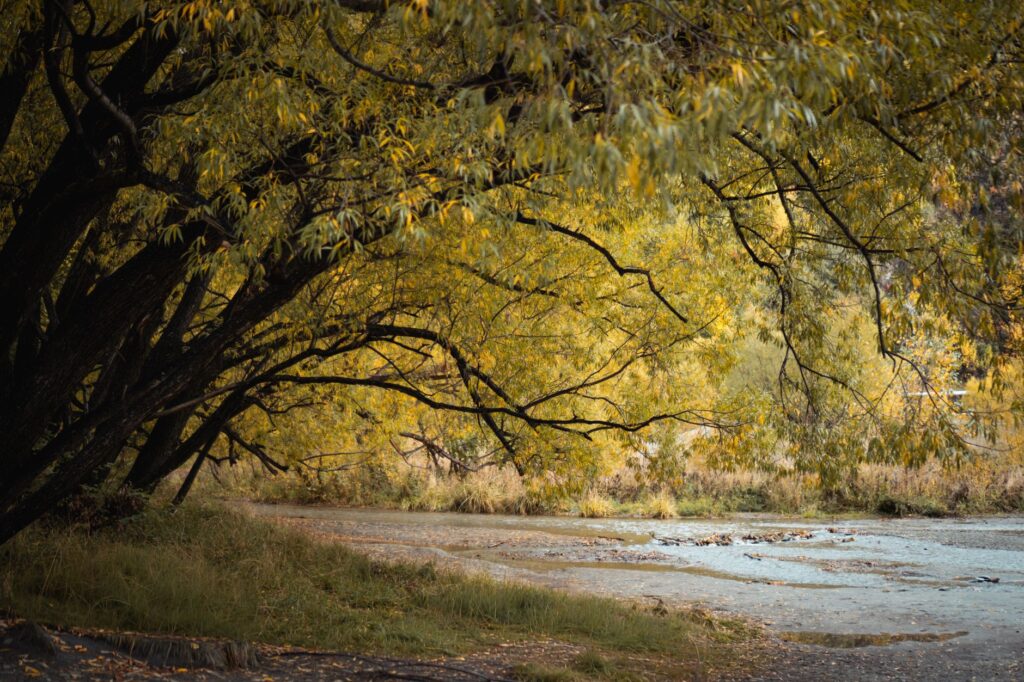
- When to go: Spring months (September to November) and summer (December to February) offer mild temperatures and gardens in full bloom. Autumn stands out for the golden hues of deciduous trees.
- Local transport: The urban bus network covers main points of interest. Bicycle rental is highly recommended thanks to the flat topography and dedicated lanes.
- Accommodation: Various options exist ranging from boutique hotels in the historic center to eco-friendly hostels and guesthouses run by local families.
- Currency: New Zealand Dollar (NZD). Credit or debit card payment is widely accepted in practically all establishments.