
Understanding the Territory and Its Lacustrine History in Mexico
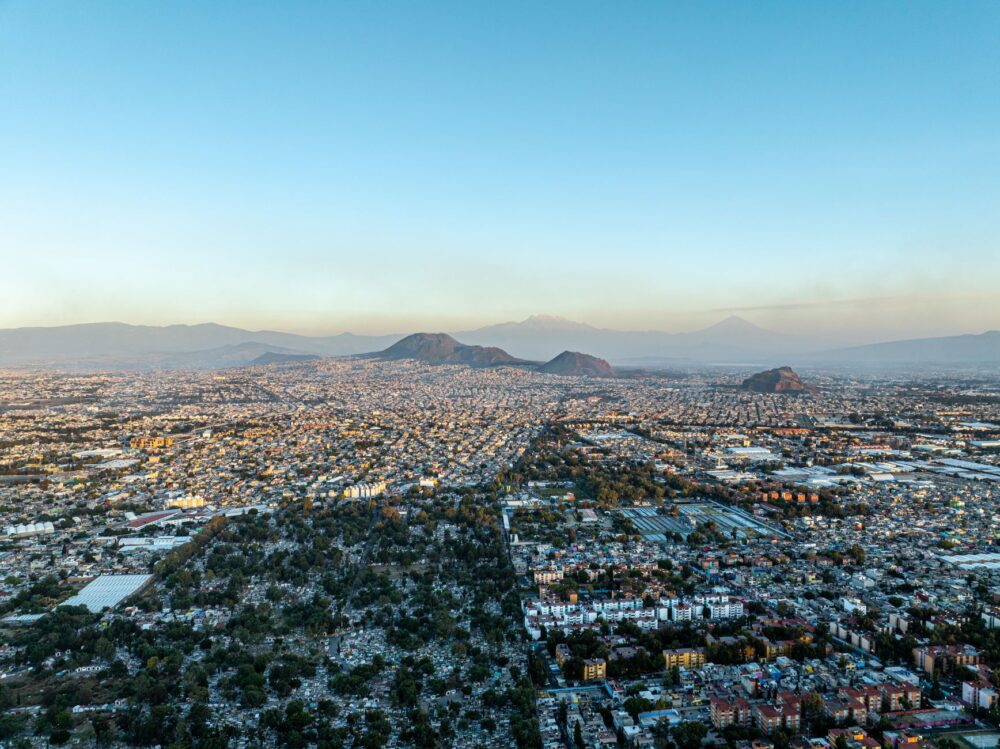
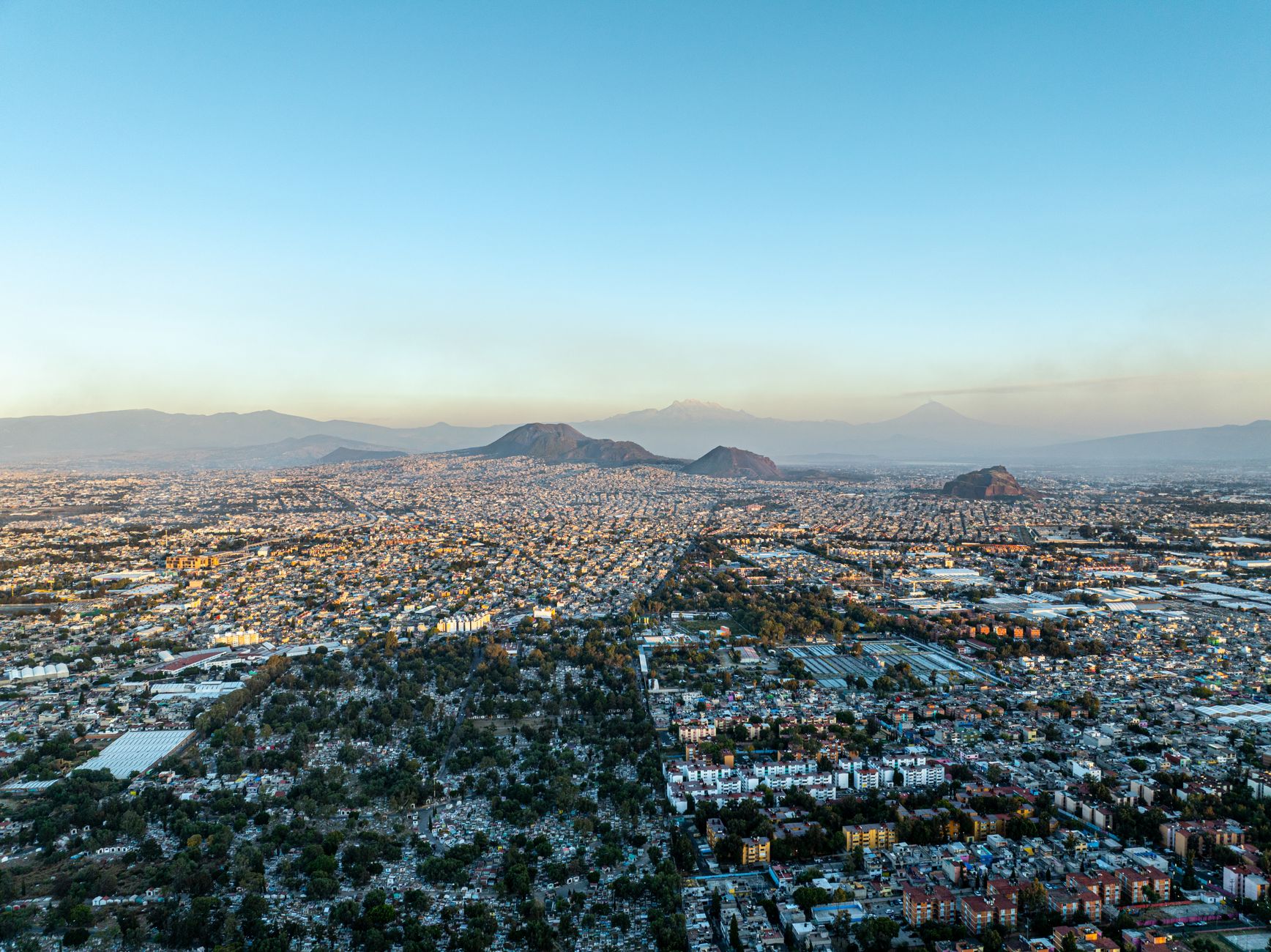
Situated in the heart of the Valley of Mexico, Ciudad Nezahualcoyotl rises upon what was once the basin of Lake Texcoco, within the country of Mexico. This geographical origin profoundly marks the locality’s relationship with water, subterranean currents, and the climatic challenges of the central high plateau. At an approximate altitude of 2,235 meters above sea level, the municipality experiences notable thermal variations and a seasonal rainfall regime that demands rigorous knowledge of its natural and built environment.
The transformation of this territory, from a desiccated lakebed into one of the most densely populated urban demarcations in the State of Mexico, constitutes a fundamental chapter in understanding contemporary water management. With a population exceeding one million inhabitants, the area requires meticulous planning in the face of meteorological phenomena and the preservation of available water resources within the basin.
The study of the subsoil reveals layers of lacustrine sediments that influence local hydrological behavior. The ancient currents that fed the lake system have been channeled or confined beneath the paved surface, completely transforming the dynamics of rainwater. Understanding this transition is essential to appreciate the magnitude of human effort required to maintain habitability in such a peculiar geographical environment within Mexico.
The memory of that aquatic landscape remains present in the configuration of the zone and in the way planners approach the challenge of stormwater runoff. Each rainy season recalls that the soil retains characteristics of its lacustrine past, requiring constant observation of water tables and the behavior of collectors.
Analyzing the historical hydrography of this Mexican corner allows one to understand why water management has been a constant priority for local administrations and the region’s inhabitants. The infrastructure developed over the years seeks to mitigate risks associated with the concentration of runoff on flat terrain.
Knowing the characteristics of the soil and subsoil also facilitates the implementation of better practices in sustainable urban development. The integration of capture and filtration systems represents a significant step forward toward the municipality’s water resilience.
Climatology and Seasonal Variability on the High Plateau of Mexico
The climate of Ciudad Nezahualcoyotl responds to the typical characteristics of the Valley of Mexico, combining mild mornings with significant thermal oscillations depending on the time of year. During the rainy season, which usually concentrates between the summer months and early autumn, precipitation can be intense and test the drainage infrastructure inherited from decades of urban development.

For any expedition or rigorous analysis of the territory, it is essential to consult local forecasts and understand wind and humidity patterns. Altitude directly influences atmospheric pressure and the intensity of solar radiation, factors that must be considered by those traveling through the area or investigating its urban and environmental geography.
Air currents descending from the surrounding elevations of the valley generate urban microclimates where heat islands interact with the residual humidity of the former lake. This meteorological phenomenon demands constant updating of climatic data to anticipate atmospheric contingencies and protect the well-being of the citizenry.
Solar radiation on the Mexican high plateau also demands specific precautions due to the elevation above sea level. Sudden temperature changes between day and night compel constant attention to local atmospheric conditions throughout the year.
Constant meteorological monitoring in this region of Mexico helps prevent risk situations associated with thunderstorms or strong winds during summer afternoons. Local authorities issue periodic informational bulletins to keep the population prepared.
Understanding these seasonal patterns is vital both for daily activities and for planning green infrastructure projects that seek to mitigate the impact of urban heat islands.
Maritime Culture and Water Memory in the Valley of Mexico
Although today the surface is mostly paved and integrated into the metropolitan sprawl of the Mexican capital, the memory of water remains alive in the identity of its inhabitants. Pre-Hispanic lacustrine culture, dominated by the peoples who inhabited the shores of the lake system, endures in the collective imagination and in the awareness of the need to protect the local environment.
Current policies for the recovery of natural spaces in the vicinity of the former Lake Texcoco seek to restore a long-altered ecological balance. The observation of migratory birds and the restoration of temporary water bodies offer a renewed perspective on the biodiversity that still survives on the margins of the great metropolis.
This cultural persistence is also manifested in popular artistic expressions and narratives that recall the times when canoes and nets were everyday tools. Keeping this heritage alive connects the natural past with the ecological challenges of the present.
The traditional knowledge of the communities that inhabited the lacustrine region offers valuable lessons on how to coexist with a flood-prone environment. Ancestral knowledge regarding water management and navigation in shallow waters enriches the modern perspective on environmental management.
In the cultural context of Mexico, the valuation of lacustrine ecosystems has gained renewed momentum thanks to citizen and academic participation. Local workshops and exhibitions foster pride in this shared historical heritage.
The dissemination of these topics strengthens the sense of belonging and stimulates the care of ecological parks and natural reserves near the municipality.
Security, Prevention, and Urban Risk Management
Security in a densely populated environment like Ciudad Nezahualcoyotl encompasses both civil protection against floods and the preventive maintenance of hydraulic networks. Local authorities and citizen groups work in a coordinated manner to monitor pluvial accumulation levels and ensure a rapid response to any climatic eventuality.
Knowing evacuation routes, meeting points, and emergency protocols is as crucial here as in any high mountain or maritime coastal zone. Prevention is based on truthful information, respect for municipal regulations, and active community collaboration in the preservation of public spaces and drainage channels.
Drills and community training workshops foster an indispensable culture of self-protection. Preparation for earthquakes and floods forms part of the daily training of a population that has learned to live with the structural vulnerability inherent to lacustrine terrains.
Constant meteorological surveillance allows for early warnings to safeguard the population during times of atypical precipitation. Institutional coordination is the key to minimizing risks in vulnerable zones within the municipality.
Neighborhood participation in civil protection committees enhances emergency response capacity, guaranteeing greater resilience in every neighborhood and sector of the demarcation.
Maintenance of the storm relief channels is carried out periodically to prevent obstructions that could compromise the safety of main roadways during the most severe storms.
Ecosystem Protection and Metropolitan Sustainability
Ecological balance in the municipality is not an abstract concept, but a daily urgency. Proximity to protected natural areas and environmental restoration zones demands a firm commitment to reducing the ecological footprint and the responsible use of drinking water, a prized resource throughout the Valley of Mexico.
Environmental education initiatives promoted in community centers and schools seek to foster a new generation conscious of the environmental limits of the surroundings. The protection of local flora and fauna, especially in aquifer recharge areas, is an inescapable task to guarantee the future viability of the region.
Urban reforestation with endemic species and the creation of small green lungs contribute to mitigating the impact of asphalt and improving air quality. Each planted tree represents an active effort to return part of its original greenery to the territory.

Comprehensive solid waste management also plays a decisive role in the preservation of surrounding water bodies, preventing contamination from reaching the drainage systems and affecting ecological restoration projects in the Valley of Mexico.
Conservation programs for local bird and pollinator species find a safe refuge for their development and reproduction in rehabilitated public spaces.
Fostering sustainable mobility through the use of bicycles and efficient public transport directly reduces pollutant emissions in this metropolitan area.
Architectural Heritage and Urban Landscape Evolution
The landscape of Ciudad Nezahualcoyotl is the result of a geometric layout planned over the flat terrain of the ancient lake. Its main avenues, medians, and the arrangement of its neighborhoods reflect accelerated demographic growth that has managed to acquire its own identity, moving away from the condition of a simple metropolitan bedroom community.
Popular architecture, local markets, and urban artistic expression spaces form a living heritage that deserves to be explored with attention. Each neighborhood tells its own story of collective effort, self-construction, and adaptation to a challenging physical environment.
Public murals distributed in different points of the demarcation narrate the epic of its foundation and the constant struggle of its inhabitants. These urban canvases are visual testimonies of a collective memory that refuses to be erased by the passage of time.
The grid layout facilitates orientation in this vast territory, where each urban trace recalls the monumental scale of the works carried out over decades to consolidate this settlement in the State of Mexico.

The preservation of traditional markets as centers of cultural and commercial exchange reinforces social cohesion and keeps the culinary and artisanal traditions of the community alive.
The analysis of urban evolution shows how initial planning has adapted to the changing needs of a dynamic and diverse population.
Practical Guide
Location and Access: Ciudad Nezahualcoyotl is located in the eastern part of the State of Mexico, bordering Mexico City, within the country of Mexico. It is accessible through a wide network of public transport, including metro lines, buses, and main roadways.
Climate and Best Time to Visit: The climate is semi-dry temperate, with warm temperatures in spring and frequent rains between June and October. It is recommended to plan outdoor activities during the early morning hours.
Safety Recommendations: Stay informed about weather forecasts during the rainy season, respect civil protection guidelines, and use authorized transport for urban travel.
Final Reflection on the Horizon of Nezahualcoyotl
Exploring Ciudad Nezahualcoyotl compels one to look beyond the asphalt to recognize the heartbeat of a community built upon the liquid memory of the Valley of Mexico. Its adaptive capacity, the richness of its social fabric, and the constant effort to balance urban development with environmental sustainability configure a territory of incalculable human and geographical interest.