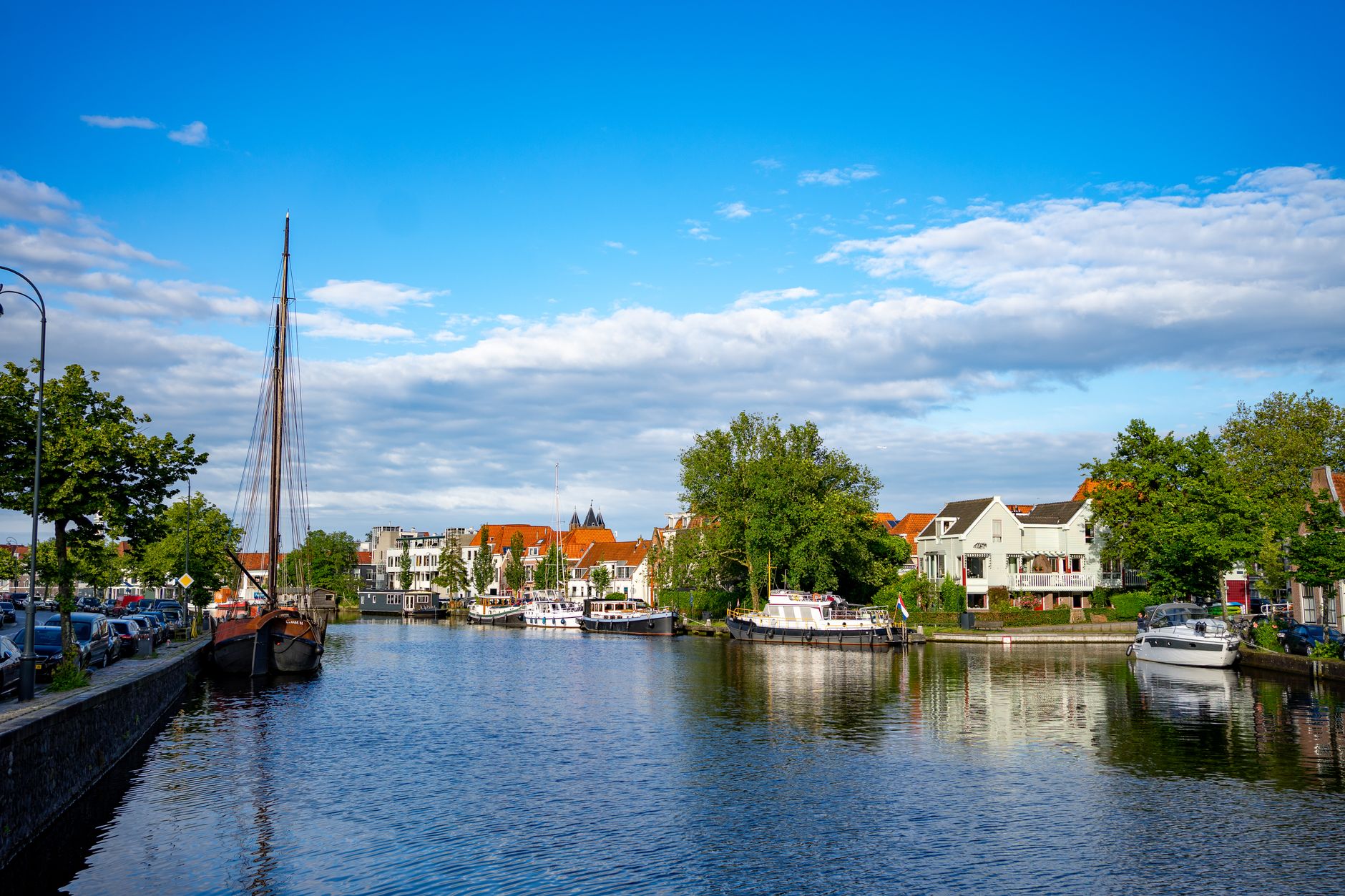

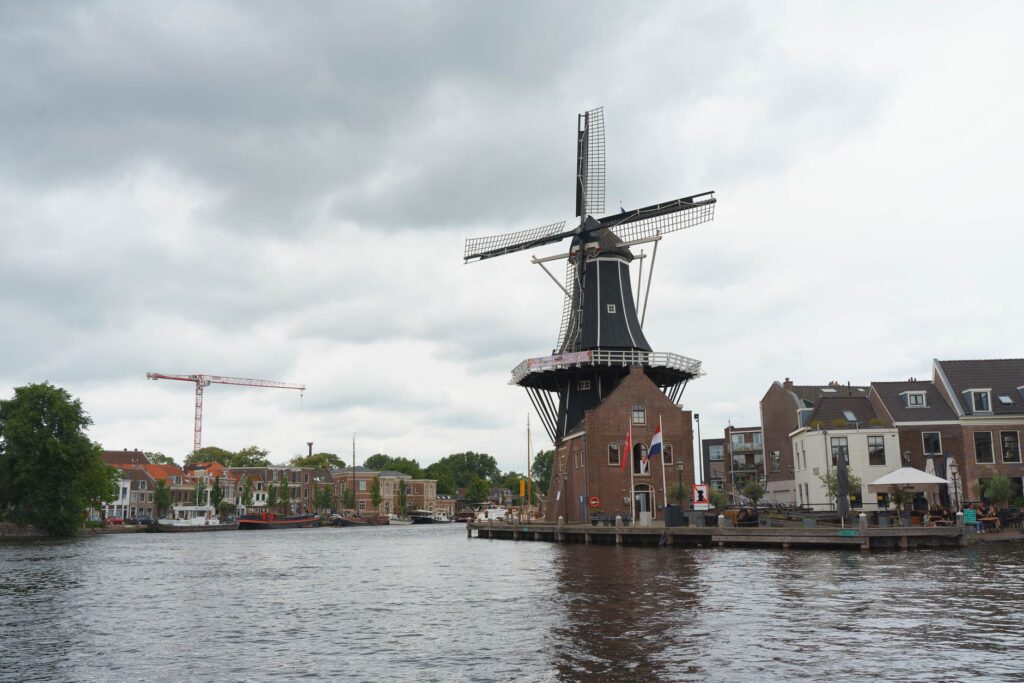
Just a fifteen-minute train ride from bustling Amsterdam, the city of Haarlem stands as a serene and deeply rooted counterpoint in the history of the North Holland province. With a population exceeding 162,000 residents, this riverside enclave has successfully maintained an enviable balance between its heritage legacy and the pulse of a quiet modernity. Far from constituting a mere metropolitan satellite, the provincial capital possesses a distinct personality that can be felt in every cobblestone corner, where ancient canals reflect exposed-brick facades and gabled roofs that have withstood the test of centuries without losing their original dignity.
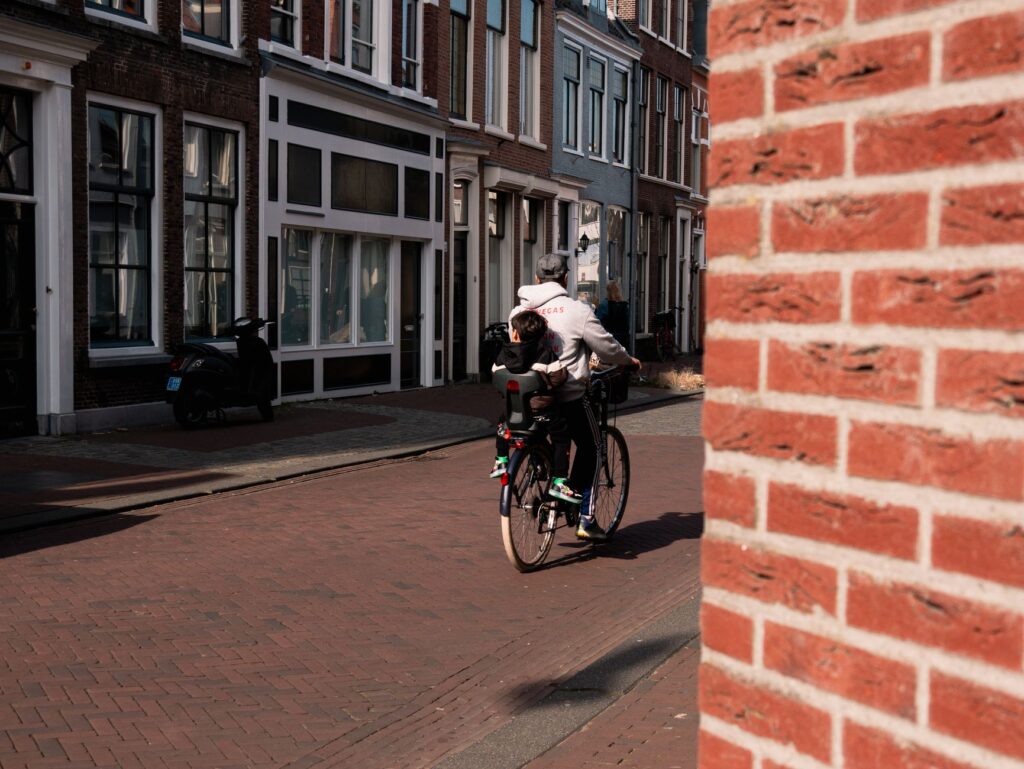
Daily life in Haarlem unfolds at a pace that invites contemplative leisure, prioritizing travel on foot or by bicycle over vehicular traffic. Local residents traverse streets lined with centuries-old linden trees with the natural ease of those who inhabit a living museum that, nevertheless, never feels artificial. Urban planning decisions adopted in recent years have reinforced this pedestrian vocation, limiting vehicle access in the historic core and fostering public spaces where neighborhood coexistence and local commerce find a secure refuge against the commercial homogenization affecting other major European capitals.
The Memory of Stone and Water in the Historic Heart
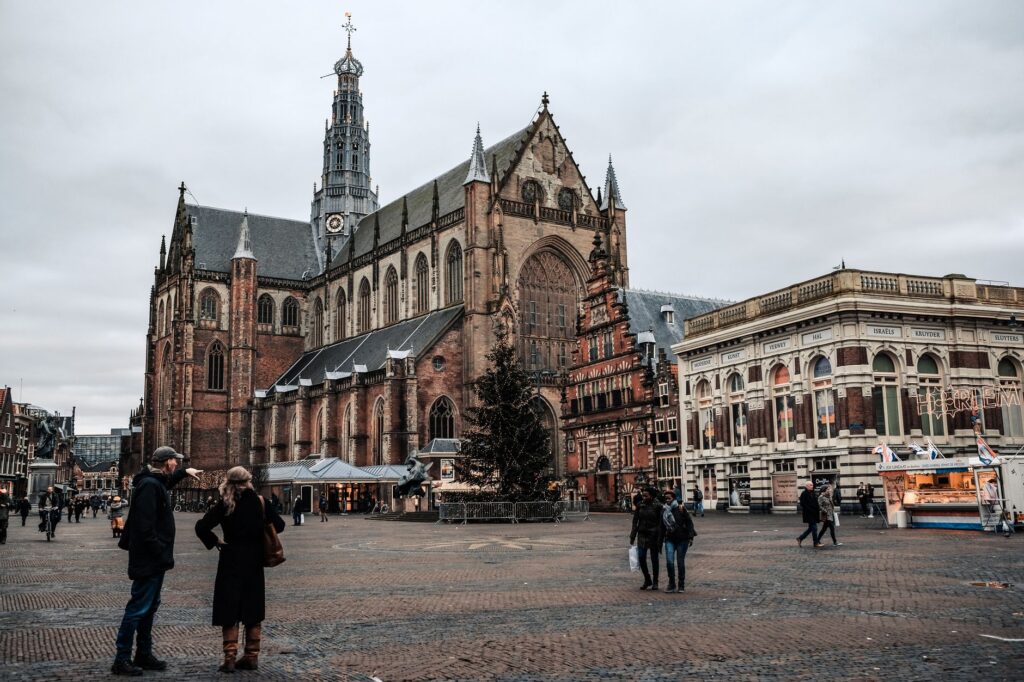
Haarlem’s urban layout is an eloquent testimony to its past as a prosperous trading and artisanal center. Around the vast marketplace square, known as the Grote Markt, unfolds a constellation of monumental buildings chronicling centuries of economic prosperity and civic fervor. The imposing Church of St. Bavo, with its spire dominating the urban profile, heads this architectural ensemble where late Gothic design shines brilliantly. Inside, the organ built by Christian Müller in the eighteenth century—played in its day by figures of the stature of a young Mozart—continues to resonate as a living testament to a musical tradition that has not waned over time.
Strolling through the streets converging on the Grote Markt means stepping into a network of guild alleyways whose names recall former trades linked to linen, beer, and printing. Not surprisingly, Haarlem historically disputes the invention of movable type through the figure of Laurens Janszoon Coster. The facades of stately homes, adorned with stepped gables and Renaissance ornamentation, reveal the aesthetic taste of bourgeois residents who financed their fortunes through maritime trade and the intensive cultivation of flower bulbs, an activity that transformed the surrounding agricultural landscape into a chromatic mosaic during spring.
Commercial Vitality and Traditional Markets
Traditional commerce in Haarlem is not a museum relic, but the backbone of social life. Local markets held weekly around the main squares bring together regional producers and neighbors seeking seasonal goods harvested in nearby polders. Here, the verbal exchange between vendor and buyer maintains a human warmth that contrasts with the coldness of large commercial surfaces. Stalls offer everything from artisanal cow and goat milk cheeses to vegetables grown in fertile soils reclaimed from the sea, reflecting a simple yet firmly rooted gastronomy connected to the surrounding territory.
In the vicinity of secondary canals, small antique shops, second-hand bookstores, and artisanal bakeries complete a commercial ecosystem where the owner is usually also the craftsman. This continuity in traditional trades ensures that the transmission of local know-how remains intact from one generation to the next. Visitors exploring these shops discover a form of conscious consumption, where each object or food item carries an implicit story of dedication and respect for traditional production methods.
The true essence of Haarlem is not found in its grand monuments, but in the way its inhabitants care for shared spaces and respect the silence of their canals at dusk.
The Art of Painting and Human-Scale Museums
Haarlem’s artistic tradition occupies a fundamental chapter in the history of European painting. Birthplace and home to illustrious masters like Frans Hals, the city preserves an atmosphere conducive to aesthetic creation. The museum dedicated to the painter, housed in a former seventeenth-century old-age hospice, offers an unparalleled immersion into the group portraits that immortalized civic militias and regents of the Dutch Golden Age. The room layouts, respecting the building’s original architecture, allow visitors to appreciate the works in an intimate setting, far from the crowds common in major international pinakotheks.
Alongside the classic pictorial legacy, the contemporary cultural scene finds expression in independent galleries and alternative centers occupying rehabilitated industrial warehouses. These initiatives demonstrate that cultural heritage in Haarlem is not a static item on a shelf, but a dynamic organism in permanent dialogue with the artistic concerns of the present, attracting creators seeking the tranquility of Dutch landscapes to develop their projects.
Green Spaces and the Transition to the Surrounding Landscape
Just a short walk from the historic center, the urban fabric gradually dissolves to merge with wooded parks and peripheral canals connecting the city to the Zuid-Kennemerland National Park and extensive coastal dunes. These protected natural areas represent an indispensable green lung for local quality of life and a refuge for a rich biodiversity of birds and mammals adapted to the dune ecosystem. Cycling routes traversing these landscapes reveal the close relationship between Haarlem’s inhabitants and a territory meticulously shaped by hydraulic engineering and human tenacity.
The stewardship of these green areas reflects an ecological sensitivity deeply rooted in collective Dutch consciousness. Neighbors use natural trails for both daily commuting and weekend recreation, consolidating an outdoor leisure culture valuing direct contact with nature over seasonal consumption. This respect for the natural environment also extends to municipal management of water and energy resources, pursuing an urban development model minimizing ecological footprint without altering the historic physiognomy of the city.
Life in Hidden Courtyards and Residential Architecture
One of Haarlem’s most unique architectural treasures is its hofjes, small charitable housing complexes built around enclosed, landscaped courtyards. These peaceful oases, originally funded by religious brotherhoods or merchant guilds to shelter the elderly or needy, retain an atmosphere of seclusion that pleasantly contrasts with the bustle of main streets. With whitewashed facades, dark wooden doors, and carefully tended rosebushes climbing walls, hofjes represent a masterclass in urban design centered on human scale and community wellbeing.
Contemporary residential architecture in peripheral neighborhoods dialogues respectfully with this heritage legacy, incorporating energy sustainability criteria and local materials preventing aesthetic disruption. Local creators prioritize cohesive communities through shared courtyards and common spaces, proving the hofjes tradition remains alive and inspires housing solutions fully relevant in the 21st century.

The preservation of architectural heritage is the result of a collective effort involving both public institutions and residents themselves.
Practical guide
Planning a visit to Haarlem requires keeping in mind several practical recommendations to fully enjoy its cultural offerings and leisurely pace:
- Getting there: Rail connections from Amsterdam Central Station are extremely frequent, with direct trains taking approximately fifteen minutes to reach Haarlem central station.
- Urban transport: The best way to explore the city is on foot or by renting a bicycle near the station. Vehicular traffic is heavily restricted in the historic center.
- Responsible accommodation: Travelers are advised to choose small boutique hotels or family guesthouses located in rehabilitated heritage houses, directly supporting the local economy.
- Local gastronomy: Do not miss fresh fish from local markets or traditional Dutch cheeses in historic tea rooms and cafes lining the canals.
- Cultural respect: When visiting hofjes and residential areas, maintain a moderate tone of voice and respect the privacy of permanent residents.
Ultimately, Haarlem reveals itself as an essential destination for those seeking to understand the true essence of The Netherlands, far from hyper-massified tourist circuits. Its harmonious combination of Gothic heritage, protected natural spaces, vibrant commercial life, and deep respect for local identity turns every stroll through its streets into an enriching and lasting experience, where time seems to pause gently to celebrate the everyday.