
Introduction to the Urban Landscape and Identity of Chicago
On the shores of Lake Michigan, the city of Chicago unfolds as a vast chessboard where nineteenth-century urbanism enters into a permanent dialogue with architectural modernity. Popularly known as the Windy City due to its atmospheric currents and the political dynamism of its early history, this American metropolis of over two and a half million residents harbors a deep cultural complexity that extends far beyond its iconic skyscrapers. Each neighborhood, from residential corridors to repurposed industrial zones, maintains a fiercely guarded independent identity sustained by community traditions that resist the passage of time and the pressures of globalization.
An analysis of its territory reveals a layout calculated upon a rigorous geometric grid, interrupted only by the meandering course of the Chicago River and the green spaces bordering the lakefront. Understanding the reality of this urban center involves observing how its residents navigate daily between the monumentality of its historic buildings and the human scale of its secondary streets. Far from constituting a mere transient tourist destination, the locality offers a living laboratory on how a major American industrial city manages its heritage, demographic diversity, and adaptation to twenty-first-century ecological challenges through collective decisions and a marked civic pride.
Architectural Heritage as Historical Testimony
Chicago’s architecture constitutes not merely an exercise in urban aesthetics, but the physical testimony of its reconstruction following the devastating fire of 1871. That catastrophe opened the door to a generation of engineers and builders who transformed high-rise construction techniques through the innovative use of steel and functional design. Landmark buildings in the financial center demonstrate how ornamentation was subordinated to utility without losing formal elegance, laying the groundwork for what would later become known as the Chicago School of Architecture.
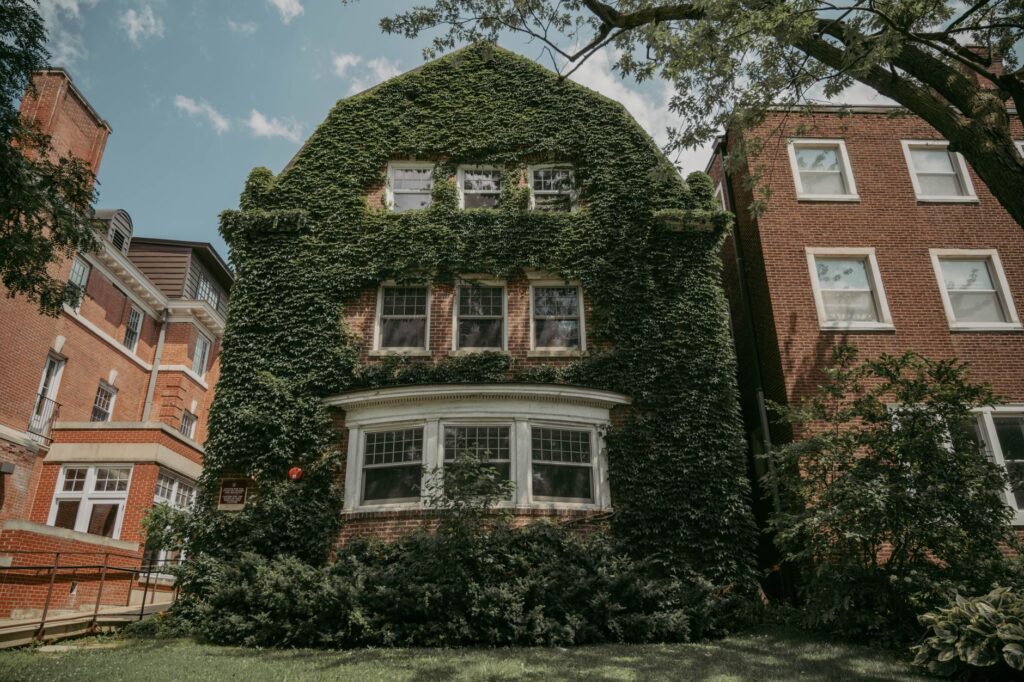
Nevertheless, the city’s true patrimonial value lies in the conservation of its peripheral residential typologies. The iconic brick homes known as Chicago bungalows, mass-constructed during the early decades of the twentieth century to house the working class, continue to define the physiognomy of numerous residential blocks. These single-family or two-family dwellings, characterized by their broad overhanging roofs and welcoming porches, represent an accessible model of urbanism whose structure has been zealously preserved by neighborhood associations against real estate speculation.
Everyday Life in Neighborhoods and the Multicultural Fabric
Beyond the central financial district, the vitality of the city unfolds across a constellation of communities that have kept their cultural heritages alive for generations. From enclaves with Polish and Irish roots to vibrant neighborhoods of Hispanic and African American populations, daily life is organized around small local shops, community centers, and neighborhood festivals that reflect the complex migratory history of the American Midwest.
The sidewalks of these residential sectors function as spaces for active socialization where neighbors interact on a regular basis. Neighborhood grocery markets and small traditional bakeries act as intergenerational meeting points. Within these spaces, the preservation of family recipes and artisanal customs responds not to a commercial strategy directed at external visitors, but to an organic need to maintain ties with places of origin and consolidate a collective identity rooted in the urban territory.
Riverfront Spaces and the Public Park System
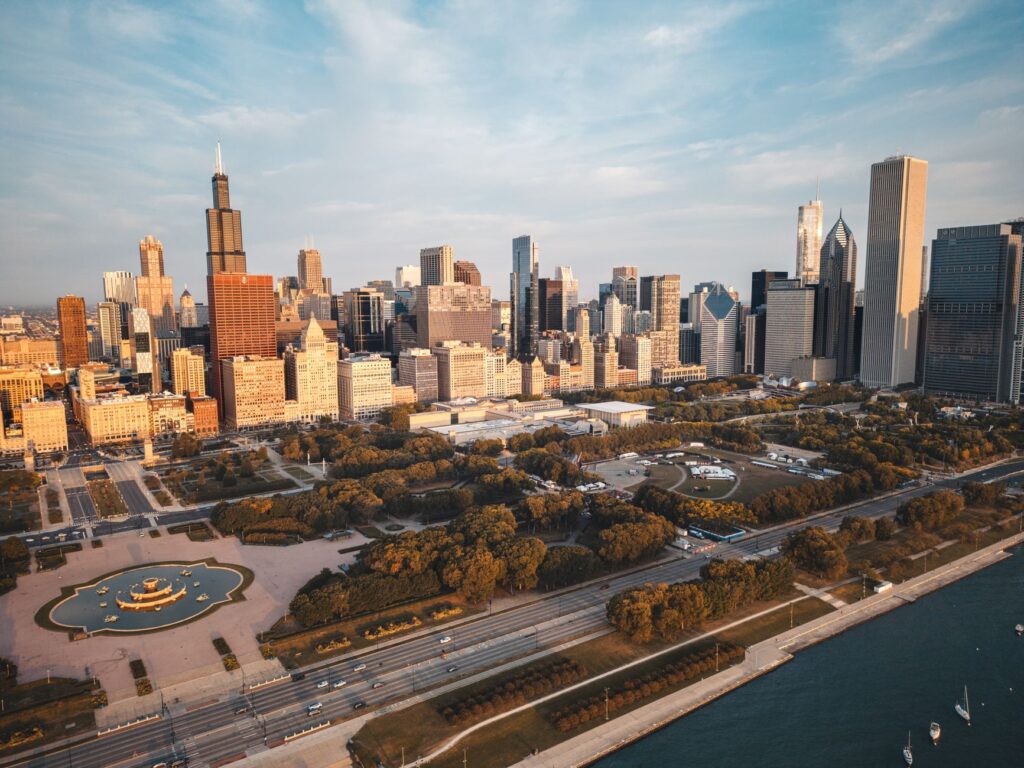
The landscape design of the city was deeply influenced by the 1909 Plan of Chicago, conceived by Daniel Burnham, which established the visionary principle that the lakefront should remain an open, uninterrupted public space for the enjoyment of all citizens. Today, this historical mandate translates into an extensive system of coastal parks, public beaches, and recreational trails connecting the northern and southern extremes of the metropolis across dozens of water-facing kilometers.
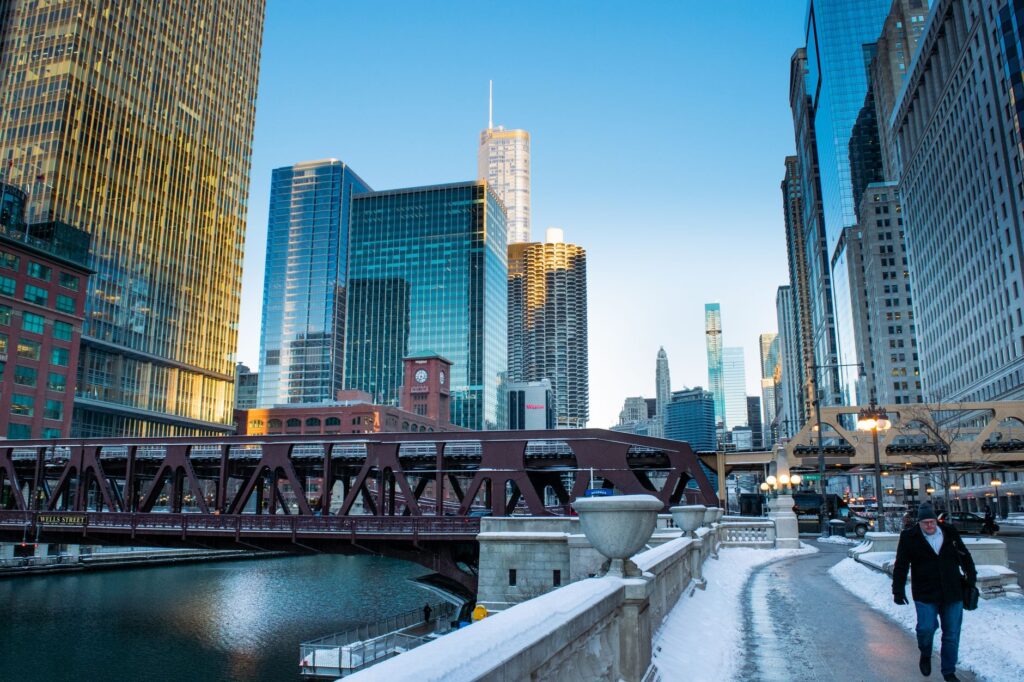
Simultaneously, the transformation of the Chicago River in recent years has altered the city’s relationship with its waterway. Former industrial loading and unloading zones have given way to elevated pedestrian boardwalks and ecological restoration projects fostering aquatic and riparian biodiversity. This ongoing effort to recover urban environmental equilibrium demonstrates how municipal planning prioritizes the integration of nature into the dense mesh of concrete and steel.
Urban Mobility and Centenarian Public Transit
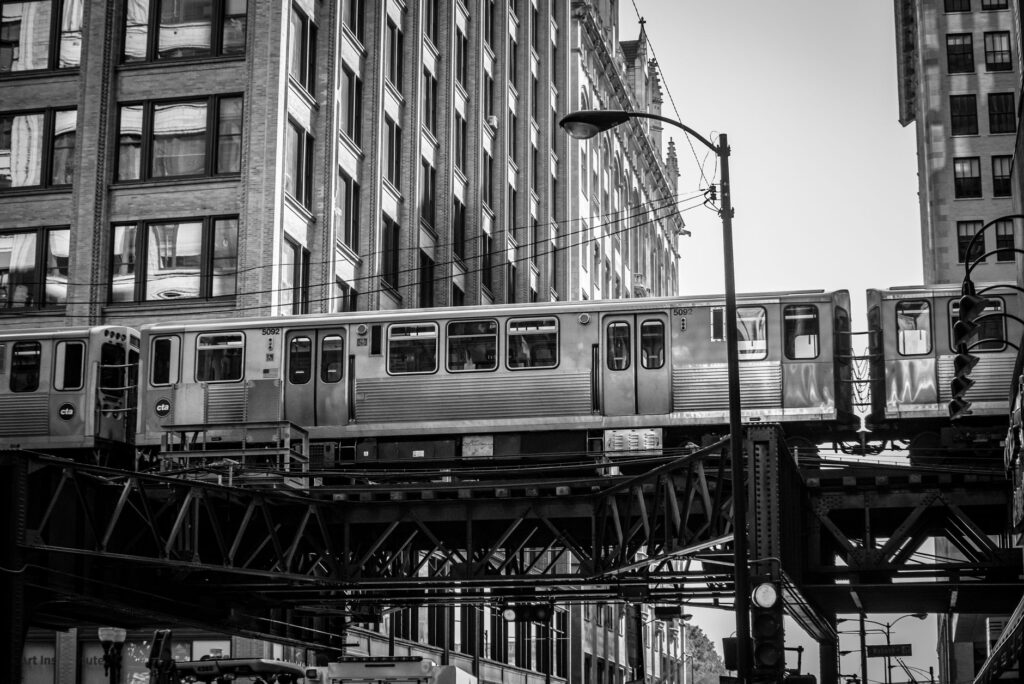
The daily connectivity of millions across this vast urban surface relies on a robust public transportation system with a long historical tradition. The elevated train network, known locally as the ‘L’, has operated since the late nineteenth century and constitutes the visual and functional backbone of the urban landscape. Its metallic structures run through alleys and main avenues, defining the sound and visual atmosphere of numerous districts.
Complementes by a dense bus fleet and an expanding network of bicycle lanes, the mobility system fosters a culture of multimodal travel. Local authorities and citizen groups actively promote the use of these collective infrastructures to mitigate vehicular congestion and reduce the carbon footprint, a constant challenge in a continental-sized metropolis where the private vehicle historically occupied a dominant role.
Gastronomic Culture Between Industrial Tradition and Local Farming
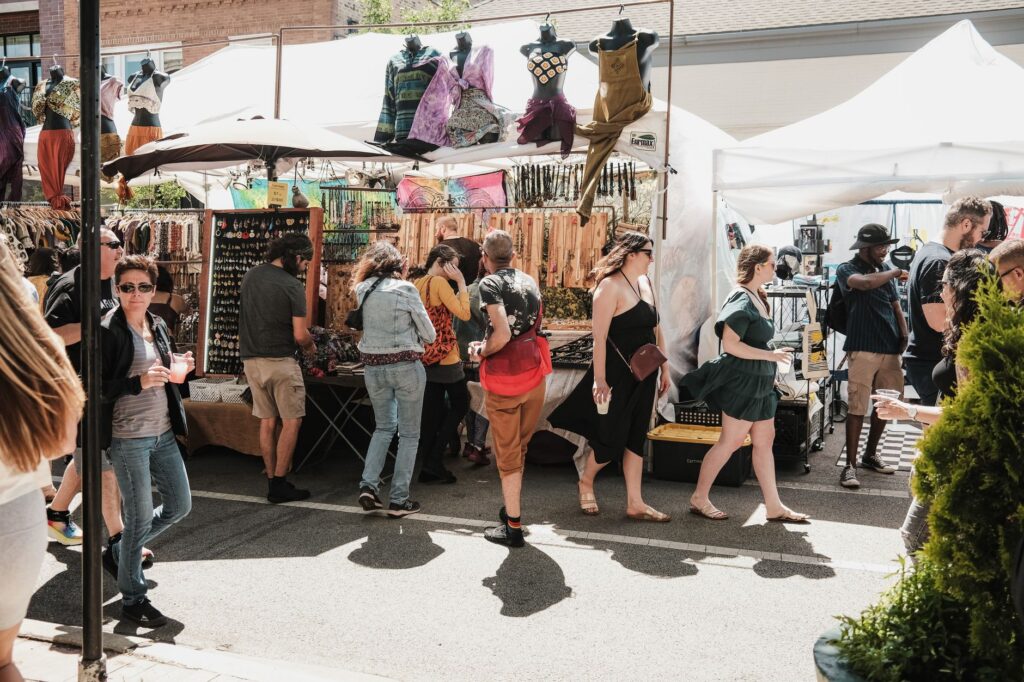
The daily table in Chicago reflects its character as a major agro-industrial hub and importer of Midwestern traditions. Farmers markets held periodically in neighborhood parks and plazas directly connect regional producers with urban consumers, promoting the consumption of seasonal goods and small-scale food sustainability.
Among the most representative dishes of popular cuisine are hearty preparations originally conceived for the demanding shifts of meat-packing and railway workers. However, the city’s contemporary gastronomy has evolved toward a respectful fusion of global flavors, where street food of international inspiration coexists with culinary proposals rooted in local produce and artisanal baking and fermentation techniques.
Contemporary Challenges and Urban Sustainability
In the twenty-first century, the city confronts complex challenges derived from climate change, efficient water resource management, and social cohesion among its diverse districts. Municipal initiatives focus on implementing green infrastructures, such as rooftop gardens on commercial and residential buildings designed to mitigate the urban heat island effect and manage stormwater sustainably.
Likewise, urban revitalization policies seek to protect architectural and historic heritage against the risk of gentrification, ensuring that lower-income communities maintain their right to inhabit consolidated neighborhoods. Active citizen participation in neighborhood councils and non-profit organizations remains fundamental to overseeing these transformations and ensuring that future development equitably benefits all sectors of the population.
Practical guide
Essential information for planning a responsible visit that respects the daily life of this American city.
When to go
The spring months (from May to June) and autumn (from September to October) offer moderate temperatures and lower mass tourist influxes, allowing visitors to tour neighborhoods and parks on foot with greater comfort.
Getting around
Using the integrated public transit system (elevated trains and buses) via rechargeable cards facilitates access to any point in the city without needing to rent automobiles.
Responsible accommodation
Opting for small independent hotels or apartments in peripheral residential zones directly supports the local economy of neighborhoods outside the strictly commercial circuit.
Local gastronomy
Visiting neighborhood farmers markets and independent restaurants allows travelers to experience the city’s true culinary diversity while supporting small regional producers.
Neighborhood respect
Maintaining respectful behavior in residential zones and utilizing designated trails in parks and natural areas contributes to harmonious coexistence with permanent residents.
Final Reflection on the City’s Horizon
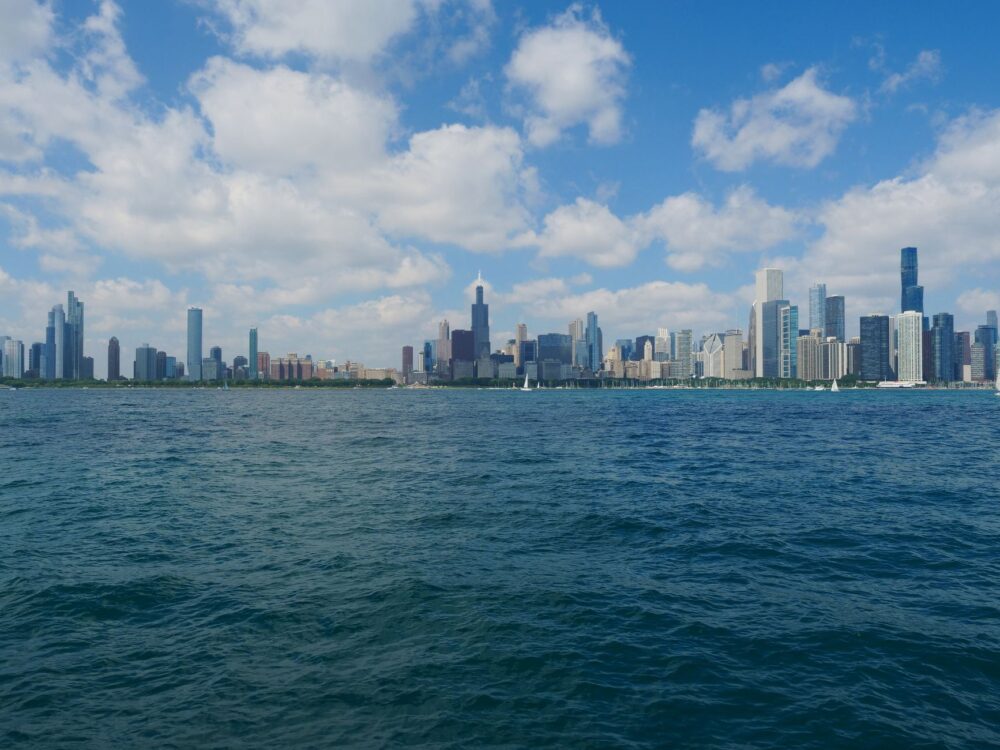
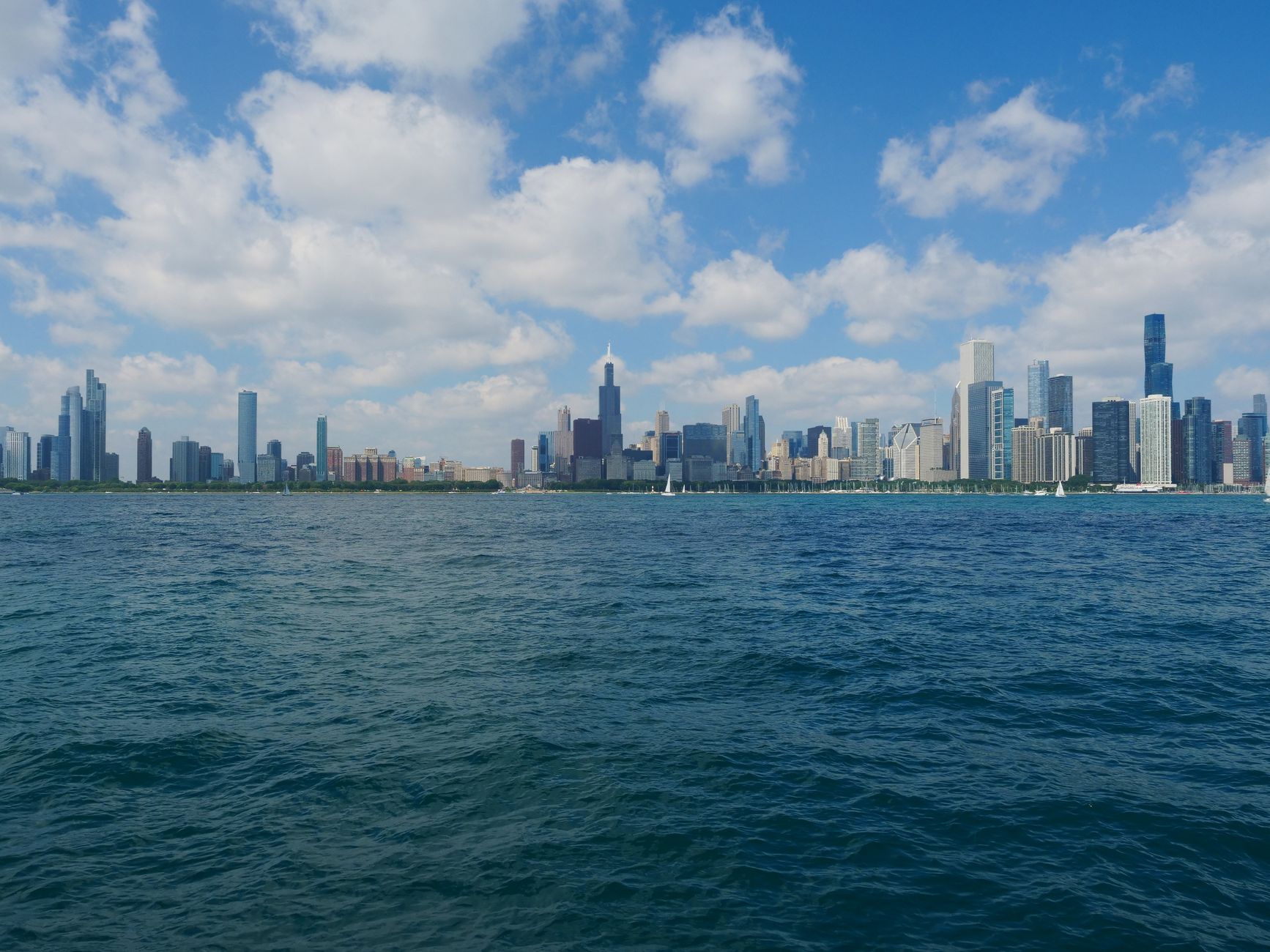
Observing Chicago’s skyline at dusk, when sunlight reflects off glass and steel facades while trains cross metallic bridges, invites deep reflection on the resilience capacity of large human communities. The city is defined not solely by its imposing architectural legacy or the scale of its infrastructure, but by the quiet determination of its inhabitants to preserve collective memory and build a livable, diverse, and sustainable environment in the heart of the American continent.