
A Valley Sheltered by the Rhythm of the Mountain Range
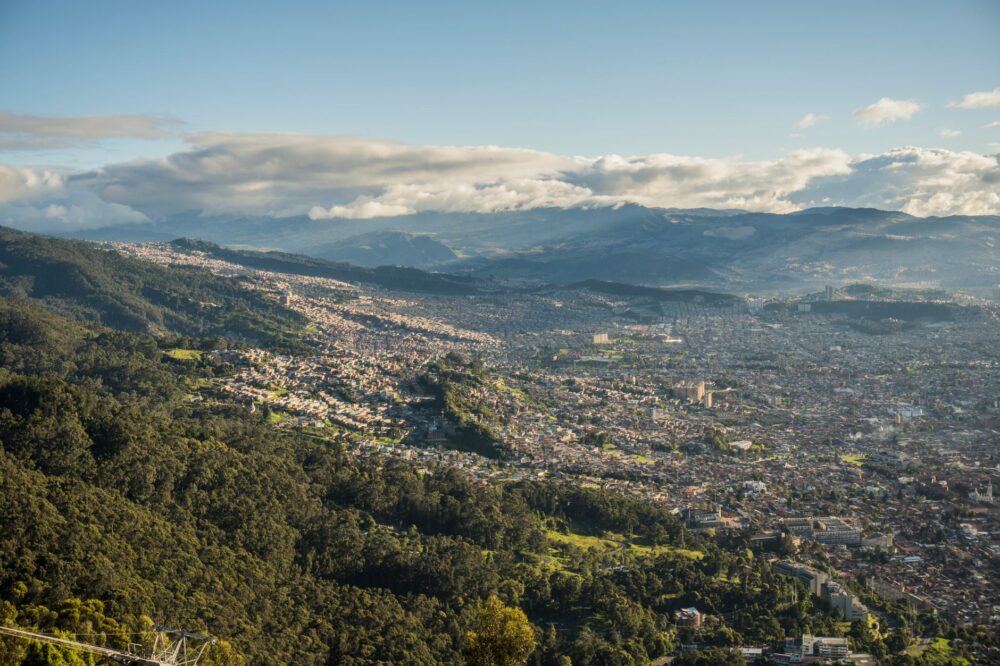
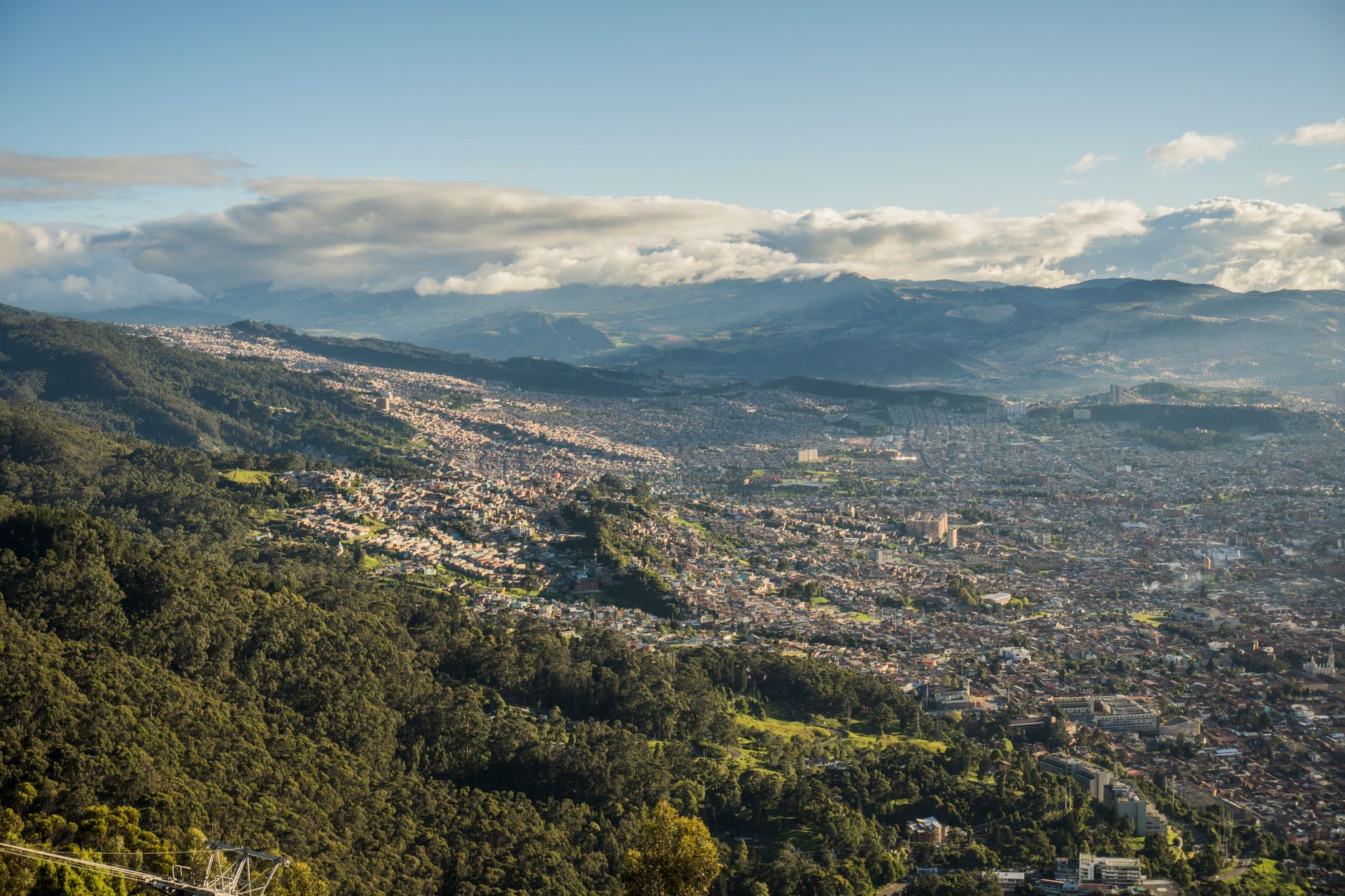
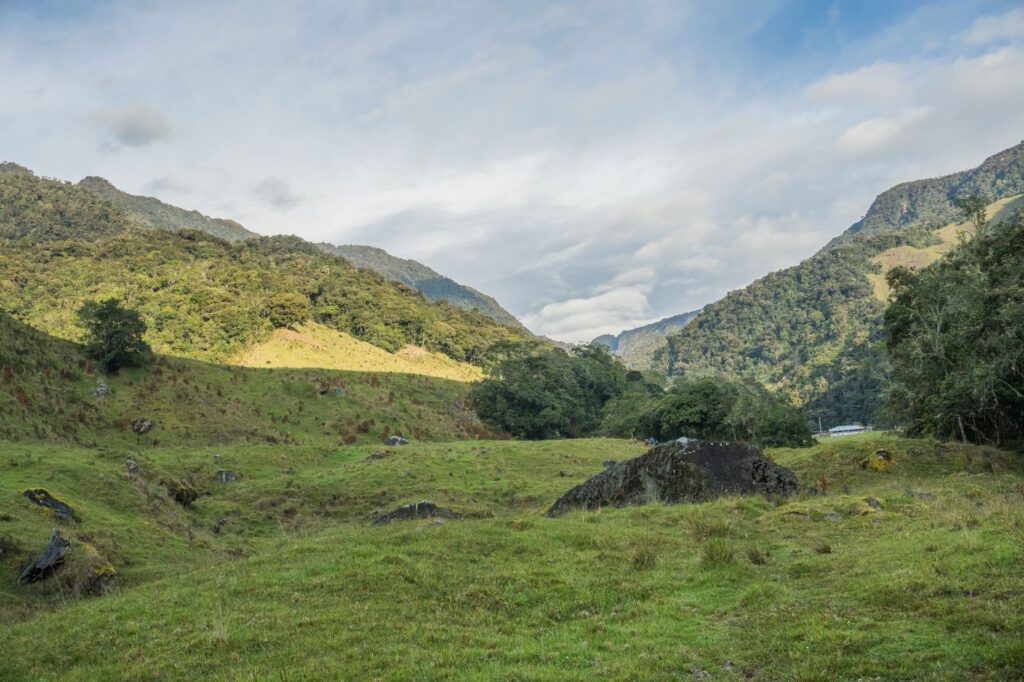
In the northern Aburrá Valley, the Colombian municipality of Bello unfolds across a rugged topography that descends from the high ridges of the Central Cordillera. At an altitude close to fifteen hundred meters above sea level, the territory experiences crisp mornings when mist clings to the mountain flanks before dissolving under direct equatorial light. This geographic location determines a unique microclimate that has historically conditioned how its residents walk the streets, cultivate hillside plots, and build their urban daily life. Far from the deafening noise of neighboring financial centers, this corner of Antioquia preserves a neighborly pace where front doors continue to open toward narrow sidewalks and flower-filled balconies.
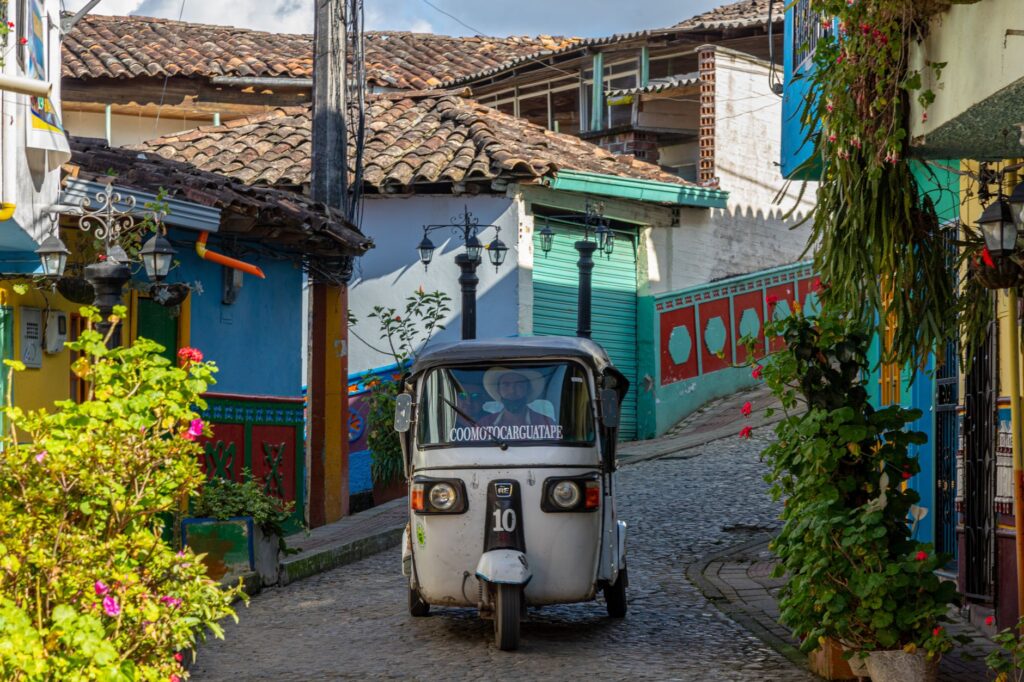
The urban layout reveals a constant coexistence between the traditional colonial-era grid and the accelerated expansion of the twentieth century, driven by the textile industry and the incessant arrival of families from various subregions of the department. The cobblestone streets of the historic center gradually give way to commercial avenues where local trade keeps daily exchange alive. The calls of fruit vendors, the aroma of roasted coffee in doorways, and the birdsong inhabiting the centuries-old ficuses in the squares compose an unmistakable soundtrack. Here, geography is not merely a scenic backdrop, but an active force that defines neighborhoods, carves slopes, and demands a constant adaptation to the Andean relief.
Brick Architecture and Religious Memory in the Urban Core
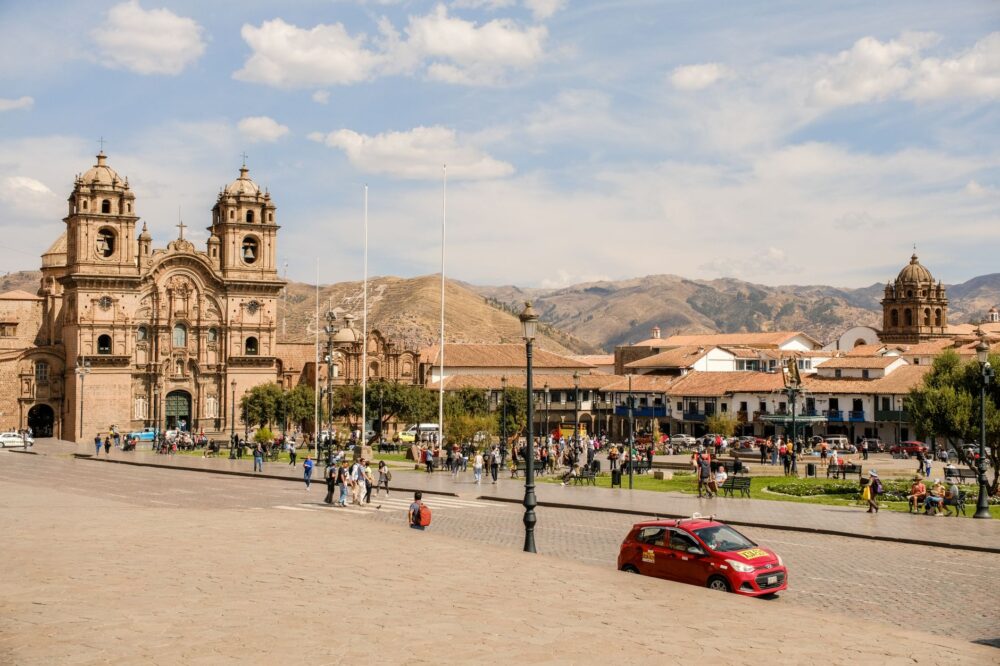
Bello’s built heritage finds its most genuine expression in fired brick and carved stone. The urban center revolves around public spaces where religious architecture marks the hours of the day through bell towers that resonate across the entire valley. The main church, built with thick masonry walls, exemplifies the mastery of ancient Antioquian master builders who knew how to raise structures capable of defying seismic movements and the relentless passage of rainy seasons. Its interior naves, sheltered by noble wood roof trusses brought from nearby forests, offer a refuge of silence and twilight where the community gathers away from commercial hubbub.
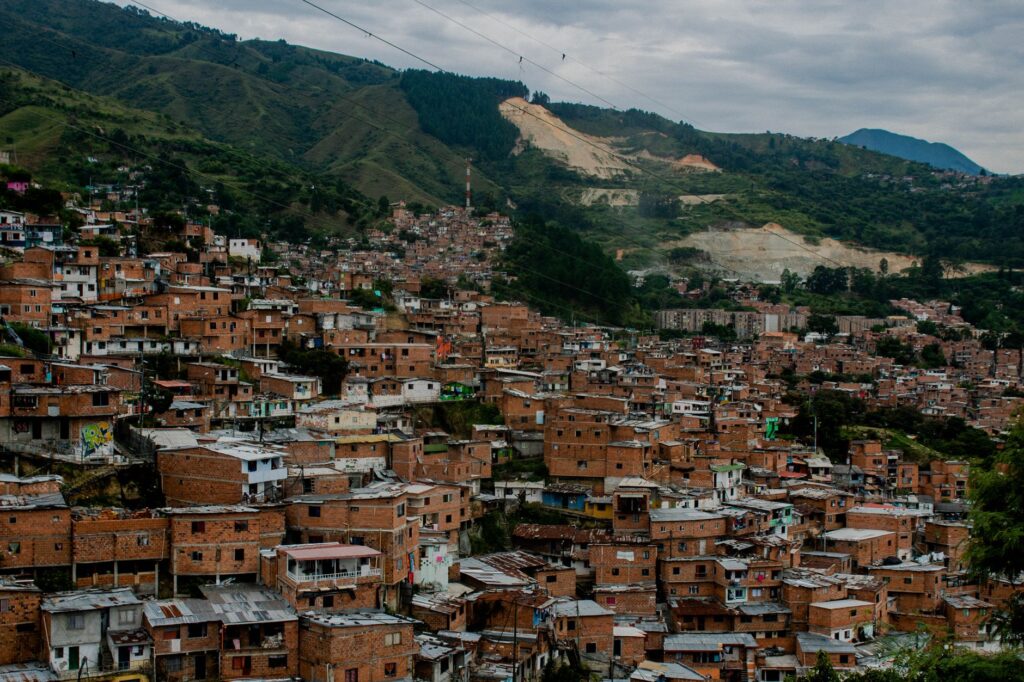
Around these main squares, single-story houses with wide entry halls and interior courtyards evoke an era when life revolved around agrarian economy and artisanal manufacturing. Although many of these structures have been transformed to house small workshops or neighborhood stores, they retain original elements such as brightly colored wainscoting, artisanal clay tiles, and carved wooden frames. Residents care for these vestiges with silent zeal, aware that the preservation of these walls holds the key to avoiding the loss of their collective identity in the face of homogeneous modernization.
Commercial Vibe and Life in Traditional Markets
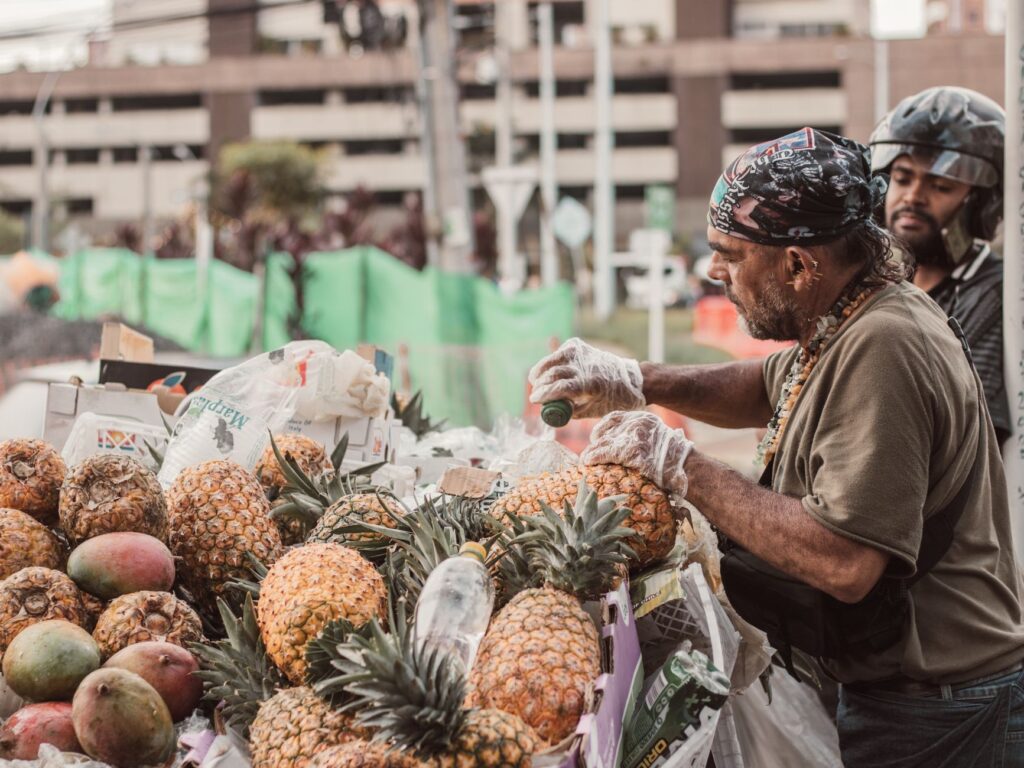
The economic and social heart of Bello beats strongly in its traditional markets and supply plazas, true nerve centers where produce from high-altitude farms and the dynamic pulse of the city converge. From the early hours of dawn, when the thermometer still records the lowest temperatures of the day, trucks unload bunches of plantains, yuccas, tomatoes, and fresh vegetables grown on surrounding slopes. The aisles buzz with activity as vendors carefully arrange their stalls, offering not only food but also an irreplaceable space for neighborhood conversation, news exchange, and the oral transmission of culinary knowledge.
In these spaces, daily gastronomy draws nourishment from ingredients rooted in Antioquian tradition, reinterpreted by local hands that value proximity products. Hulled corn arepas, prepared on the spot over hot iron griddles, are accompanied by fresh cheeses made on nearby rural farms and hogaos seasoned with ripe tomatoes and minced onions. Visitors who venture into these markets discover that food is not merely biological sustenance, but a social language that shortens distances and reveals the generosity of a community willing to share its table with those who arrive ready to listen and observe without haste.
Crafts, Manual Trades, and the Persistence of Artisan Work
Beyond the large industrial structures that marked the past century, Bello’s economy preserves a living fabric of small manual trades that resist the onslaught of mass production. In carpentry, leatherworking, and textile tailoring workshops scattered throughout traditional neighborhoods, master artisans pass down their knowledge to new generations through patient, daily practice. The expert hands that cut leather, repair cedar furniture, or weave plant fibers represent an intangible heritage as valuable as any stone or brick monument.
This effort to keep traditional trades alive also manifests in the creation of small ceramic and artistic woodwork workshops, where ancestral techniques adapted to contemporary aesthetic needs are recovered. Young people who choose to learn these trades seek not only a means of subsistence, but a direct connection with the productive history of their land. Through the use of manual tools and local materials, these daily workspaces ensure that Bello’s identity continues to express itself through objects endowed with soul, utility, and memory.
Between Streams and Parks: The Relationship with the Natural Environment
Bello’s geography is crossed by a network of streams and water currents descending from high-altitude natural reserves, shaping a landscape where the intense green of high-tropical vegetation contrasts with urban gray. These channels, historically vital for human settlement and the irrigation of traditional crops, now act as urban ecological corridors that mitigate midday heat and host a notable diversity of birds, ferns, and native shrubs. Linear parks and green areas arranged along these waterways offer residents an essential space for evening strolls, outdoor reading, and intergenerational encounters.
The conservation of these natural spaces requires a constant commitment by the municipal administration and the citizens themselves, who participate in community cleaning and reforestation days with native species. Far from being merely decorative spaces, these green lungs fulfill an essential regulatory function for the environmental balance of the Aburrá Valley. Walking along their trails at dusk, when golden light bathes the trees and the air is refreshed by mountain breezes, allows one to understand the deep symbiosis uniting Bello’s inhabitants with the nature that sustains and shelters them.
Practical Guidelines for Local Respect and Civic Coexistence
The responsible traveler arriving in Bello discovers that the best way to integrate into local dynamics is to adopt the unwritten rules of neighborhood coexistence: a respectful greeting when locking eyes with a neighbor on the sidewalk, patience in crowded spaces, and rigorous care for public and natural heritage. Local authorities and community organizations promote small-scale tourism prioritizing respect for local customs over the mass consumption of prefabricated experiences. This implies shopping in neighborhood stores, using collective public transport for urban travel, and showing a genuine interest in the life stories of its residents.
Likewise, visitors are encouraged to participate in community cultural activities without disturbing the tranquility of residential neighborhoods. Water conservation, responsible energy use, and proper waste disposal are fundamental aspects for preserving the quality of life in a municipality growing harmoniously between its mountainous past and contemporary urban challenges. Antioquian hospitality, famous for its warmth, thus corresponds with a receptive yet respectful attitude from the visitor, sealing a tacit pact of harmonious coexistence.
Practical guide
How to get there: Main access is achieved via the metropolitan transport system from the city of Medellín, utilizing the metro network and integrated bus services connecting both municipalities in a few minutes.

When to go: The months from December to March and July to August offer the driest periods, ideal for walking through historic streets and mountain natural trails.
Where to stay: Choosing small boutique hotels located in the historic center or family-run guesthouses promoting sustainable tourism and integration with the local community is strongly recommended.
What to eat: Do not miss the traditional Antioquian arepa, beans with ground meat and ripe plantain, and hot chocolate served with local fresh cheese.
Getting around: The best way to explore the urban center is on foot, while public transport is advisable for journeys to high-altitude and rural districts.
Cultural tip: Visit the market squares during the early morning hours to appreciate the true commercial pulse and converse with regional farmers.
Shared Memory Under the Andean Sky
As evening falls, when the sun dips behind the ridges of the mountain range and house lights begin to flicker on the slopes, the municipality recovers a solemn quietude that invites reflection. Temple bells mark the hours once more, reminding passersby of the inexorable passage of time and the permanence of an identity woven with effort, memory, and affection for the land. Bello is thus revealed not as a simple point on the map of Antioquia, but as a collective home where every resident, through daily labor, writes a daily chapter of dignity and hope.