
Dawn on the Streets of Belfast and the Awakening of Ovens
The day in Belfast does not begin with the roar of modern traffic, but rather with the steady aroma of freshly baked dough and ground coffee drifting through the cobblestone streets of the center and its surrounding neighborhoods. In this city within the United Kingdom, gastronomic identity is nourished by working-class memory and a persistent bond with the produce yielded by the Northern Irish countryside. Each morning, the metal shutters of small family-owned businesses rise to reveal shelves stocked with soda farls, potato bread, and local cured meats that have held a central place in the diet of its residents for decades.
This daily rhythm responds to a social structure where neighborhood commerce remains the engine of community cohesion. Far from impersonal big-box stores, local shoppers value direct interaction with the shopkeeper, a practice that preserves traditional recipes and ensures that provisions change in step with the seasons. The shelves reflect a model of proximity agriculture where dairy products from neighboring counties and meats sourced from damp pastures take center stage at family tables day after day.
St. George’s Market and the Commercial Pulse of the Week
No exploration of Belfast’s food culture would be complete without stopping at St. George’s Market, a historic red-brick building with a Victorian structure that serves as the beating heart of urban provisioning. During the weekends, this space transforms into a hub of voices, colors, and aromas where farmers, fishermen, and culinary artisans converge. The stalls offer everything from raw-milk cheeses crafted on family farms to vegetables harvested in the surrounding valleys.
The value of this market lies not solely in economic transaction, but in its capacity to act as an intergenerational meeting point. Neighbors arrive with reusable shopping carts, pausing at each stall to converse about the quality of the harvest or exchange cooking advice. This routine reinforces a sense of community where weekly shopping becomes a conscious social act deeply rooted in urban life.
The Atlantic Pantry and the Treasures of the Northern Irish Coast
Proximity to the Irish Sea imparts an unmistakable character to the everyday cooking of the Northern Irish capital. Local fishers display catches every dawn from cold, nutrient-rich waters, highlighting wild salmon, rock mussels, and fresh seafood that supply both modest taverns and contemporary dining ventures. This steady supply ensures that the culinary offerings maintain a direct connection to the marine resources of the coastline.
Fish processing also adheres to techniques passed down through generations, such as cold and hot smoking using native woods. These preparations enhance the original flavors without masking them, allowing the bounty of the sea to retain its prominence in simple yet comforting dishes. Home cooking in Belfast thus demonstrates that culinary sophistication often resides in absolute respect for raw ingredients and the wisdom to preserve them without unnecessary artifices.
The Role of the Potato and the Produce of the Damp Earth
If there is one ingredient that summarizes the agricultural history of the region, it is the potato. Cultivated in rich, damp soils beneath a frequently overcast sky, it forms the fundamental basis of countless traditional preparations. From the classic colcannon, which blends mashed potatoes with kale or cabbage and local butter, to boxty, a grated potato pancake cooked on a griddle, this tuber has guaranteed subsistence and culinary comfort across the centuries.
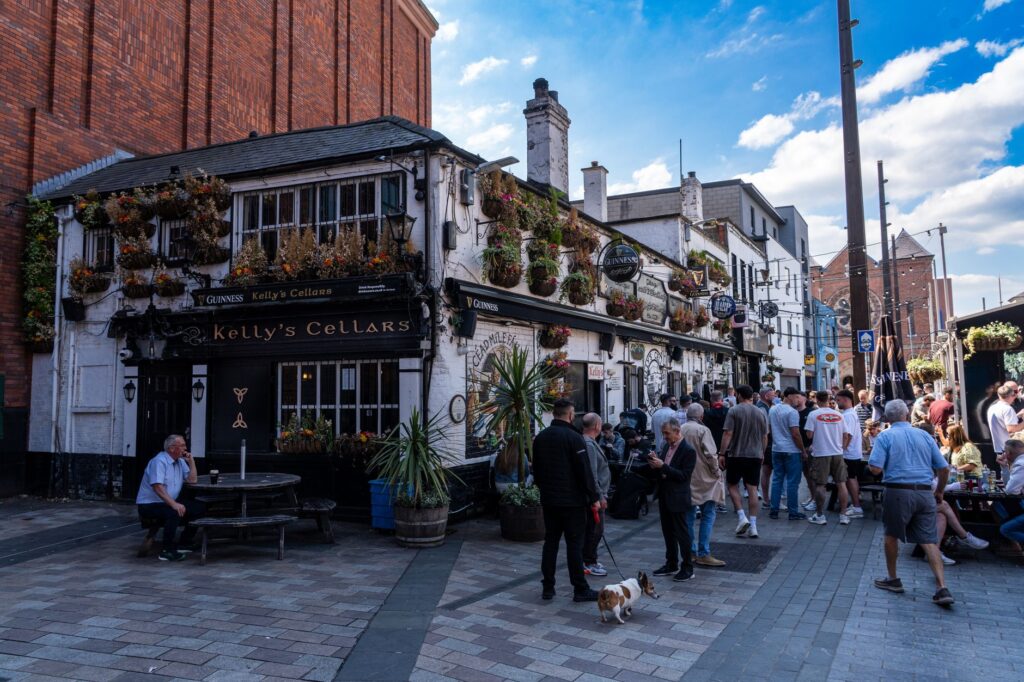
The markets and pantries of Belfast pay continuous tribute to this agricultural heritage through the rigorous selection of native varieties. Local cooks insist that the sandy texture and earthy flavor of the area’s potatoes are irreplaceable for achieving the proper consistency in their signature dishes. This fidelity to traditional ingredients solidifies a domestic recipe book that stoutly resists global culinary trends.
Traditional Bakeries and the Art of Kneading the Day
The scent of toasted flour marks the tempo of mornings in Belfast’s residential neighborhoods, where artisanal bakeries operate as true sanctuaries of local culture. Soda bread and whole wheat bread are not understood here as mere accompaniments, but as the absolute protagonists of the first meal of the day and afternoon teas. Kneaded with buttermilk, these loaves acquire a dense crumb and a slightly tangy flavor that balances the richness of salted butter.
The city’s bakers combine traditional methods with a rigorous focus on the quality of flours milled in regional stone mills. Consistency in daily production ensures that every household can access fresh goods, reinforcing the conviction that daily sustenance must be crafted with patience and respect for fermentation times. This fabric of local bakeries sustains a human-scale economy and preserves an invaluable edible heritage.
Sustainability and Responsible Choices at the Contemporary Table
In recent years, Belfast has undergone a quiet transformation driven by awareness of food sustainability. Consumers and local restaurateurs increasingly adopt choices aimed at reducing their carbon footprint, prioritizing seasonal ingredients and actively supporting small producers in the region. This trend does not represent a break with the past, but a natural evolution toward more reflective consumption that respects the natural environment.
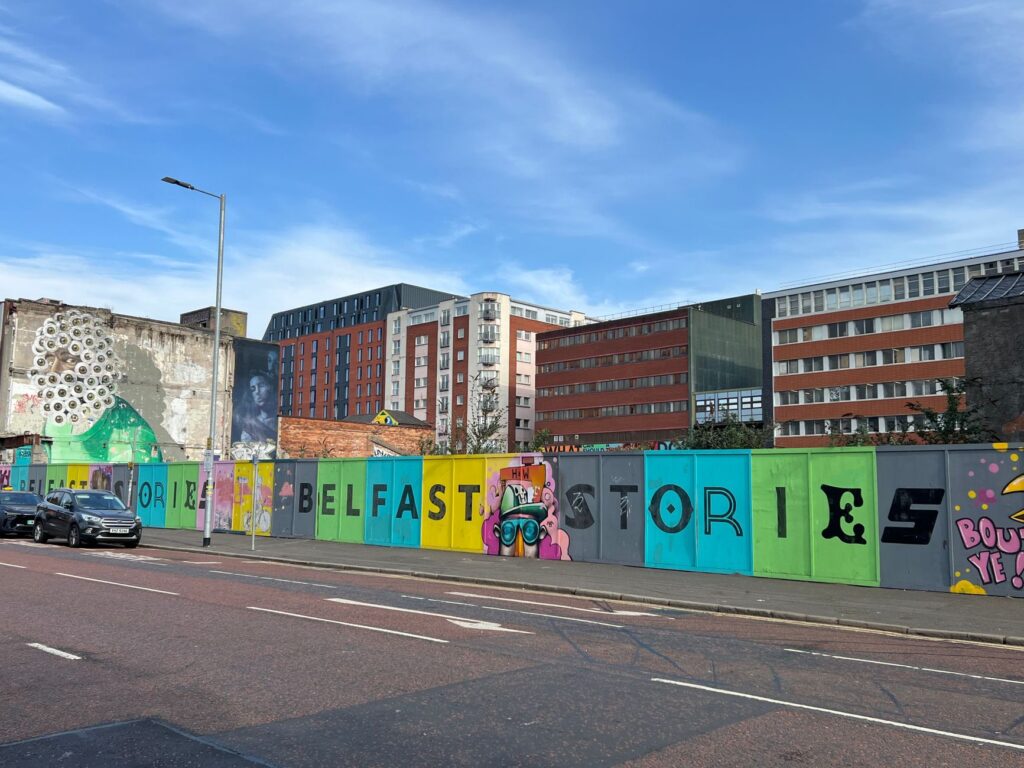
The city’s gastronomic establishments mirror this philosophy on their menus, reducing food waste and revaluing cuts of meat or forgotten vegetables. Diners actively participate in this process by demanding transparency regarding the origin of ingredients. In this way, food transforms into a vehicle of civic responsibility, where each choice on the plate contributes to the preservation of Northern Ireland’s agricultural and coastal landscape.
Culinary Heritage as Collective Memory
The cuisine of Belfast is, in essence, a map of its collective memory. Each traditional dish holds tales of resilience, adaptation, and neighborly coexistence through turbulent historical phases. Family recipes handed down from grandparents to grandchildren act as invisible threads that keep a diverse community united and proud of its roots. Sitting down to eat in this city means participating in a ritual of mutual recognition and respect for shared history.
The cuisine of Belfast does not seek the easy applause of global trends; it prefers the steady whisper of local ingredients and the warmth of an unpretentious shared table.
This authenticity attracts travelers seeking to understand the true essence of the territory beyond conventional tourist circuits. By savoring a traditional stew or a freshly baked loaf of bread, the visitor briefly integrates into the daily life of a city that has managed to turn its pantry into a refuge of identity and hospitality.
Practical guide
How to get there: Belfast City Airport (BFA) is located just minutes from the urban center, while Belfast International Airport connects with major European hubs. Regular ferry services also operate from Scottish and English ports.
When to visit: Spring and summer months offer longer days and moderate temperatures, ideal for exploring open-air markets and the surrounding countryside.
Where to eat: Prioritize small neighborhood cafes in the Queen’s Quarter and Cathedral Quarter areas, as well as the traditional stalls at St. George’s Market during the weekends.
Essential products: Do not leave the city without trying traditional soda bread, artisanal farm cheeses, and fresh seafood from the Northern Irish coast.
Etiquette: Be respectful of local business hours and support independent commerce by purchasing directly at neighborhood markets.
Getting around: Central Belfast is extremely walkable or accessible via its urban bus network, facilitating a leisurely and unhurried exploration.
Final Reflections Facing the Bay
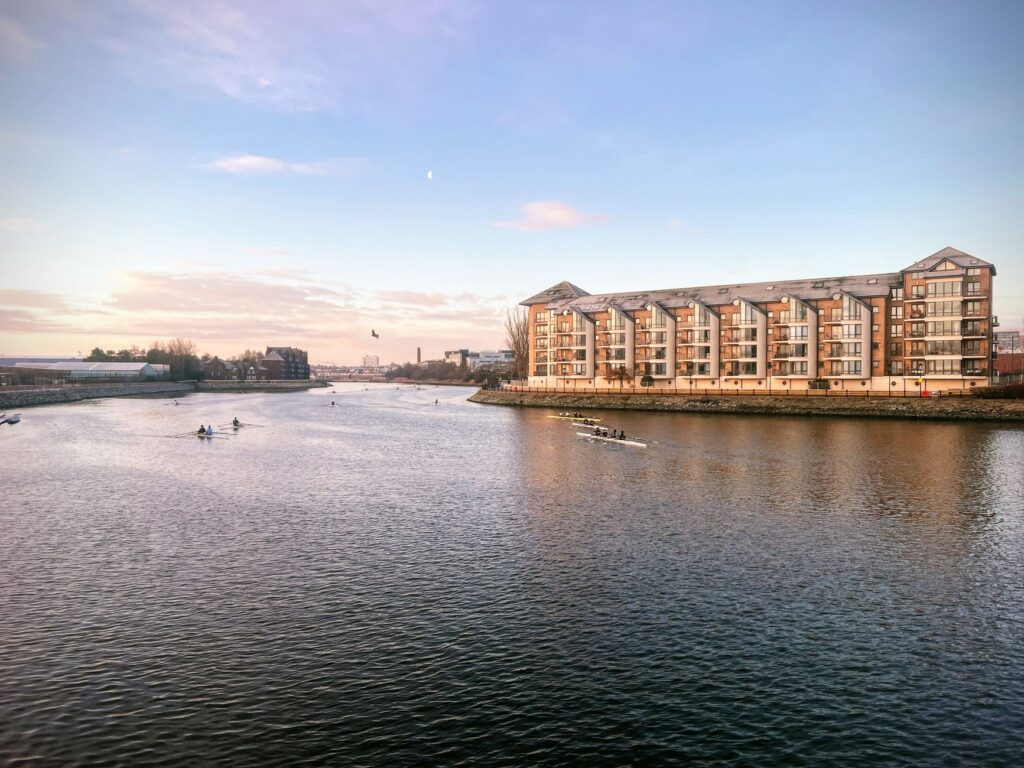
Contemplating the sunset over the estuary of the River Lagan invites reflection on the fundamental role that food plays in shaping urban identity. Belfast has built its resilience on the foundations of a hardworking community that values both well-done work and the pleasure of sharing a simple meal. In every market, bakery, and gastronomic corner of this Northern Irish city beats a firm resolve to preserve its heritage for future generations.