
Memory Woven Alongside the Sado River
At the gates of the Sado estuary, the Portuguese city of Setúbal unfolds a physiography where the moderate elevation of its streets and the constant proximity of saltwater create an unmistakable urban landscape. With a population slightly exceeding 118,000 residents, this district enclave combines the intensity of its port tradition with a cultural heritage that survives in the details of daily life. Here, the daily rhythm is not set by massive tourist routes, but by the leisurely flow of its squares, the morning bustle of its markets, and the persistent presence of traditional architecture resisting the passage of decades.
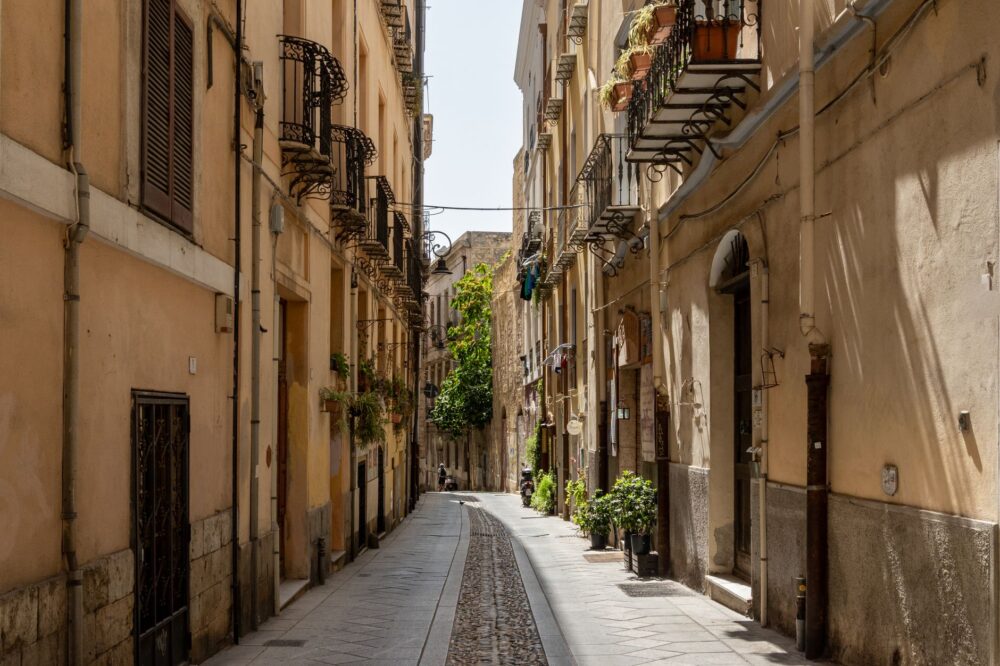
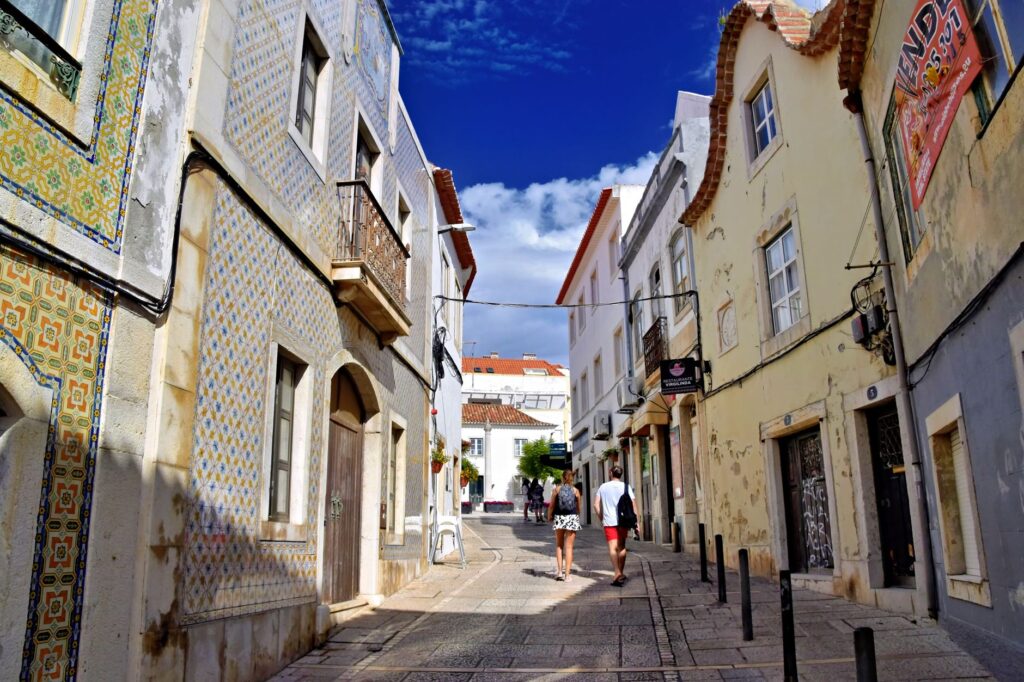
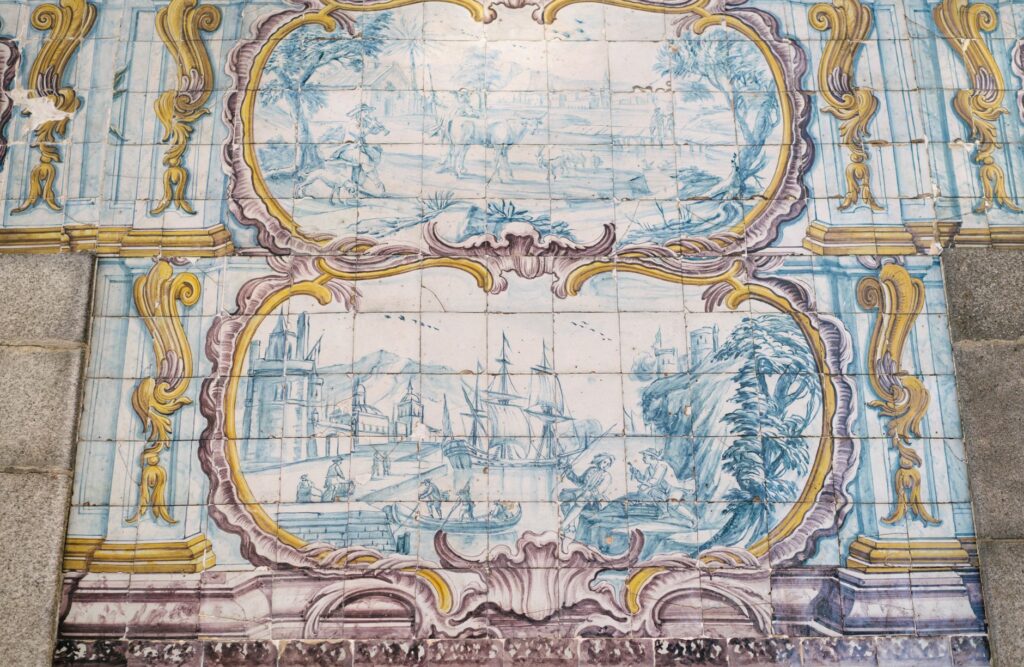
Walking through Setúbal requires an attentive gaze toward tile facades, limestone skirting boards, and medieval traces still visible in the old town. The city does not reveal itself all at once; it unfolds through narrow alleys opening into tree-lined squares where neighbors converse at dusk. This continuity between past and present constitutes the true backbone of its cultural identity, a delicate balance between preserving material heritage and maintaining the vitality of its communities across generations.
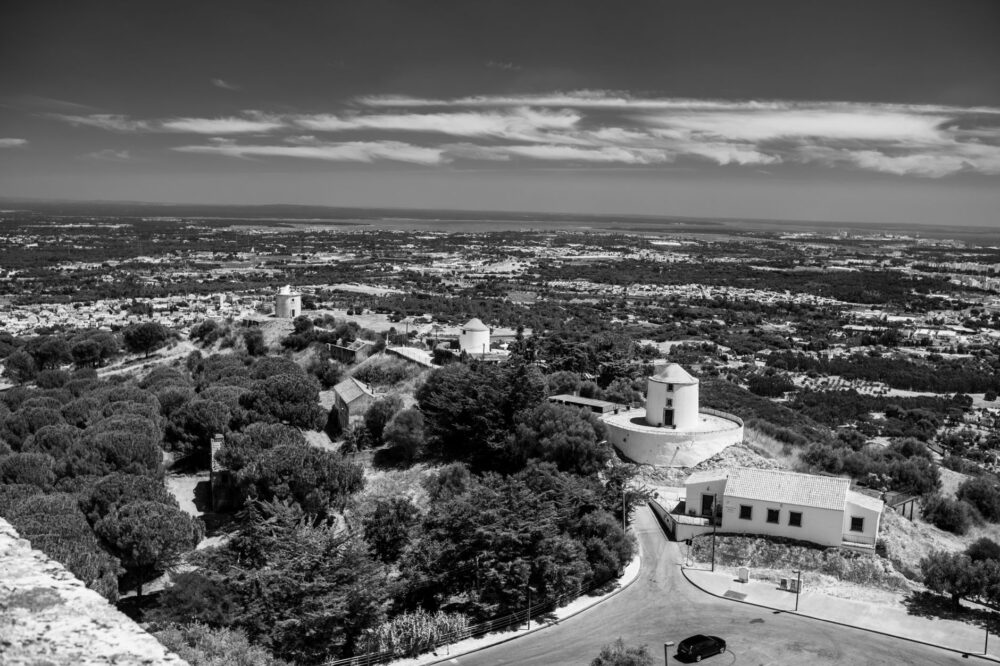
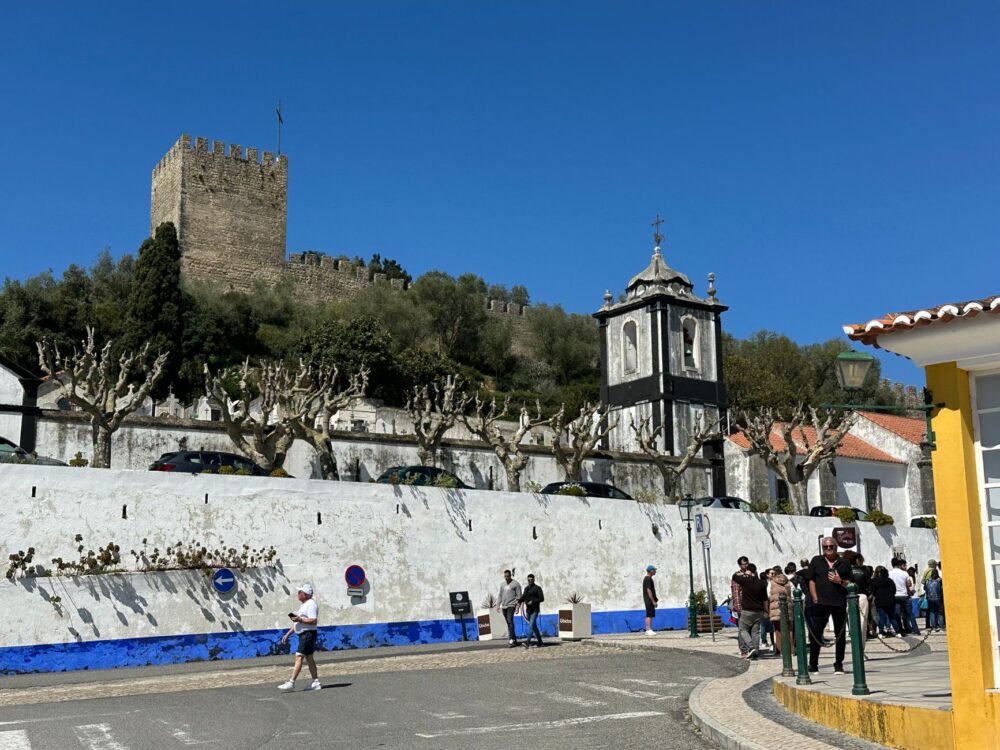
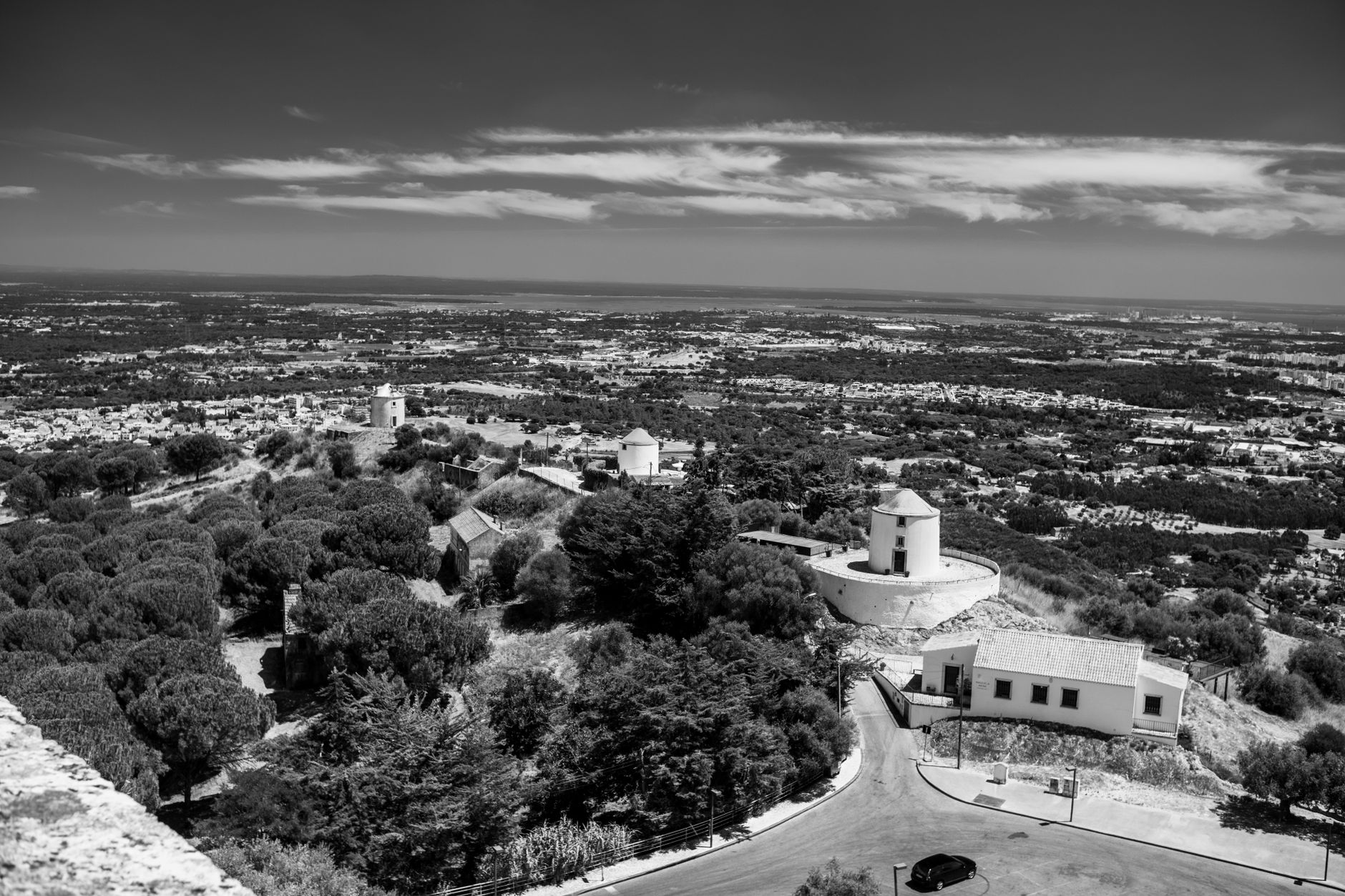
The urban geography tells a story of adaptation. Generations of inhabitants have lived facing the water, shaping a distinct way of relating to the sea that permeates every neighborhood. From the ancient fortifications overlooking the estuary to the modest dwellings of fishermen, the structural layout reflects a deep understanding of local geography. Visitors walking these streets encounter an environment where historical continuity is not an abstract concept, but a lived reality preserved through daily practices and architectural conservation.
The Pulse of the Market and Maritime Trades
Few spaces condense the Setúbal character quite like its traditional commercial fabric. Far from standardized shopping centers, local economic activity maintains a visceral link with the maritime and riverside environment. Trades tied to fishing, fish processing, and small-scale local craftsmanship have been passed down through generations, adapting smoothly to twenty-first-century changes while preserving their foundational techniques.
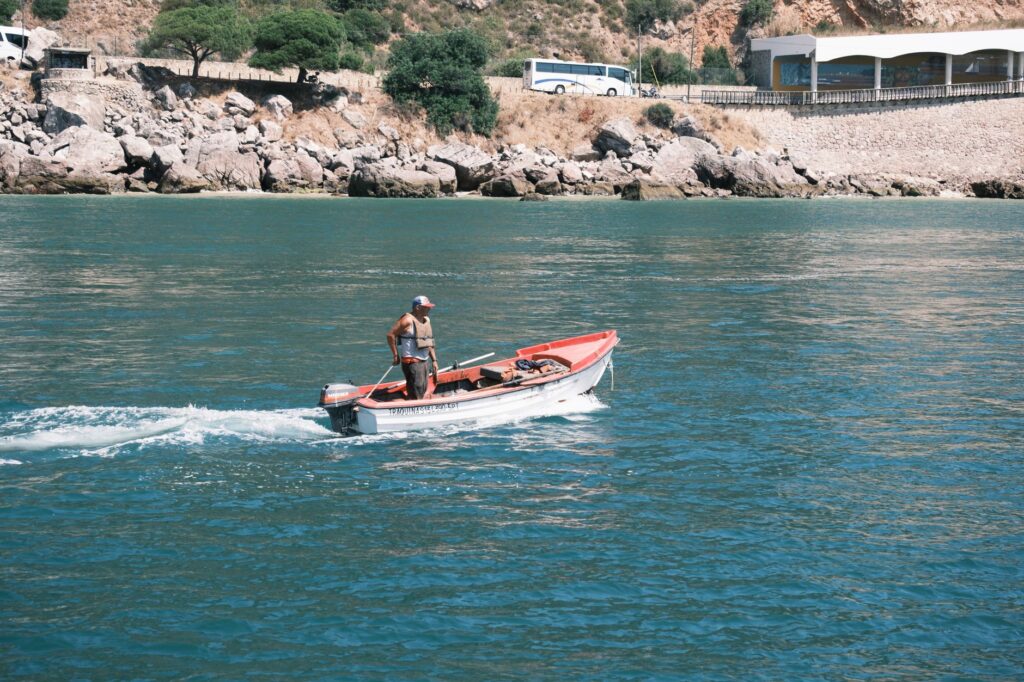
Stalls in traditional markets function as authentic neighborhood agoras. There, verbal exchange is just as important as commercial transaction. Fishmongers, bakers, and local shopkeepers act as involuntary chroniclers of the municipality’s recent history. Their conversations bring to light estuary customs, traditional preservation techniques, and a profound respect for the natural cycles governing life on the Portuguese coast.
This commercial root not only sustains domestic economy but reinforces community ties. Every stall reflects a daily consistency based on mutual trust between merchants and buyers. Transactions are accompanied by recommendations on local recipes, comments on sea conditions, and shared memories that cement neighborhood social cohesion against globalized dynamics. Supporting these independent spaces remains a vital choice for anyone seeking to understand the authentic social fabric of this coastal community.
Moreover, the surrounding natural environment provides a steady supply of seasonal products that dictate the rhythms of local kitchens. The interplay between land and sea creates a dynamic culinary tradition centered on simplicity and freshness. By honoring these gastronomic roots, local merchants and residents maintain an unbroken link with ancestral methods of resource management that prioritize sustainability over mass production.
Popular Architecture and Visible Heritage
The historical housing stock of Setúbal offers an open manual of coastal vernacular architecture. Low-rise dwellings, whitewashed with quicklime and punctuated by brightly painted door and window frames, reflect an intelligent adaptation to the Atlantic climate. This organic urbanism prioritizes shade, cross-validation of air currents, and neighborhood socializing on household thresholds, creating spaces designed for human scale interaction.
Among the monumental landmarks dotting the urban fabric are religious and convent buildings that witnessed the commercial splendor of past eras. Yet the true architectural value of the locality lies in its continuous ensemble: streets paved with traditional cobblestones forming geometric patterns, arcades shielding against the summer sun, and open entryways offering glimpses into lush interior courtyards where endemic plants thrive.
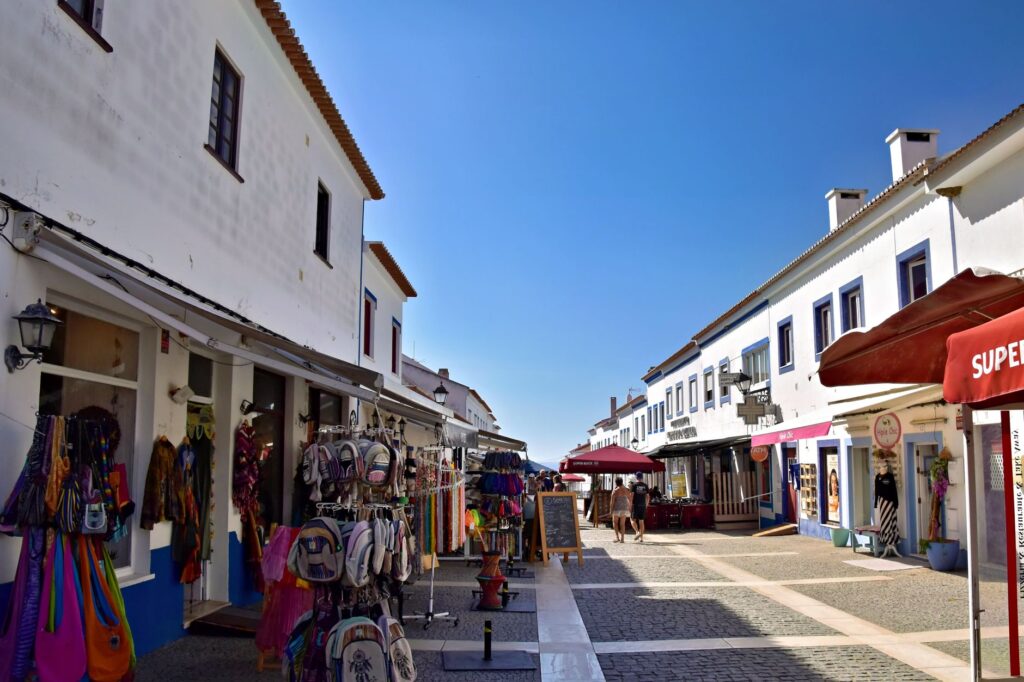
Preserving this architectural heritage requires constant effort from residents and local authorities. Keeping original facade features, gable roofs, and forged iron ornaments ensures urban physiography maintains authenticity. Walks through the historic center allow appreciation of how history is read in every corner without artificial museum recreations, offering a genuine glimpse into Portuguese architectural tradition.
The architecture of Setúbal is not limited to cataloged monuments; it lives in the way each inhabitant cares for and inhabits their threshold.
The durability of these structures relies heavily on traditional building materials such as local stone, lime mortar, and timber. These materials not only blend harmoniously with the natural coastal backdrop but also allow historic buildings to breathe, adapting naturally to seasonal humidity and temperature fluctuations. Conservation efforts focus on repairing rather than replacing, ensuring that the unique patina of age remains visible across the historic quarters.
The Culture of Encounter in Squares and Plazas
Public space in Setúbal functions as a natural extension of the home. Unlike large metropolises where anonymity prevails, here central squares and small widenings act as points of intergenerational convergence. In the morning, stone benches welcome the quiet reading of local newspapers; in the afternoon, traditional cafes fill with lively discussions about municipal affairs and neighborhood events.
This deeply rooted sociability fosters a decentralized cultural life. Neighborhood associations, small community cultural centers, and self-managed civic initiatives enliven the city’s artistic programming. Temporary exhibitions of local artists, documentary photography displays about the estuary, and small acoustic music recitals regularly occupy unconventional spaces, proving that culture is an accessible and shared good belonging to everyone.
Local festivities and seasonal celebrations also mobilize the community, turning streets into open stages where shared traditions are reaffirmed. Participating in these events allows understanding of the characteristic hospitality of its people and the importance they attach to oral transmission of knowledge. These gatherings reinforce a sense of collective belonging that withstands the pressures of modern urban isolation.
Public squares also serve as outdoor classrooms where younger generations absorb the intangible heritage of the city through observation and participation. Older residents often share stories of past decades under the shade of mature plane trees, passing down local lore, maritime legends, and historical anecdotes that might otherwise fade from public memory.
The Balance Between Conservation and Responsible Tourism
Growing international interest in the coast of Portugal presents significant challenges for preserving local identity in Setúbal. Unlike other destinations saturated by mass tourism, the local administration and civic associations promote a development model based on sustainability and respect for the territory’s carrying capacity. The priority is maintaining equilibrium between visitor arrivals and the well-being of permanent residents.
This responsible strategy involves valuing local gastronomy, zero-kilometer products, and walking trails that minimize ecological footprints. Visitors choosing this destination are invited to integrate into community dynamics without altering daily routines, promoting a horizontal cultural exchange respectful of tangible and intangible heritage.
Fostering conscious tourism also means discouraging practices degrading natural and urban environments. Informed travelers understand the relevance of supporting independent commerce, respecting residential rules, and valuing the tranquility defining daily life in this riverside community. By adopting mindful travel habits, visitors contribute directly to the preservation of local ecosystems and community harmony.
Responsible exploration also extends to natural areas surrounding the urban core, where sensitive habitats require careful visitor management. Educational signage, marked trails, and adherence to leave-no-trace principles ensure that natural beauty remains intact for future generations. This balanced approach demonstrates that tourism and preservation can coexist when guided by mutual respect and environmental awareness.
Practical guide
How to get there: Setúbal is exceptionally well-connected to Lisbon via regular commuter rail services and intercity buses operating throughout the week. The journey offers panoramic views of the surrounding natural landscape.
When to visit: Spring months and early autumn offer optimal weather conditions for exploring the historic center on foot and enjoying natural areas without summer crowds.
Urban transport: The historic zone is eminently pedestrian. To access peripheral and natural areas, the local public transport network efficiently covers primary routes.
Accommodation: Travelers are encouraged to prioritize independent small hotels and family-run guesthouses located within the urban core to directly support proximity economics.
Visitor etiquette: Respect local quiet hours, support family-owned neighborhood shops, and minimize single-use plastics during your stay to align with regional sustainability goals.
Visual Close and Estuary Memory
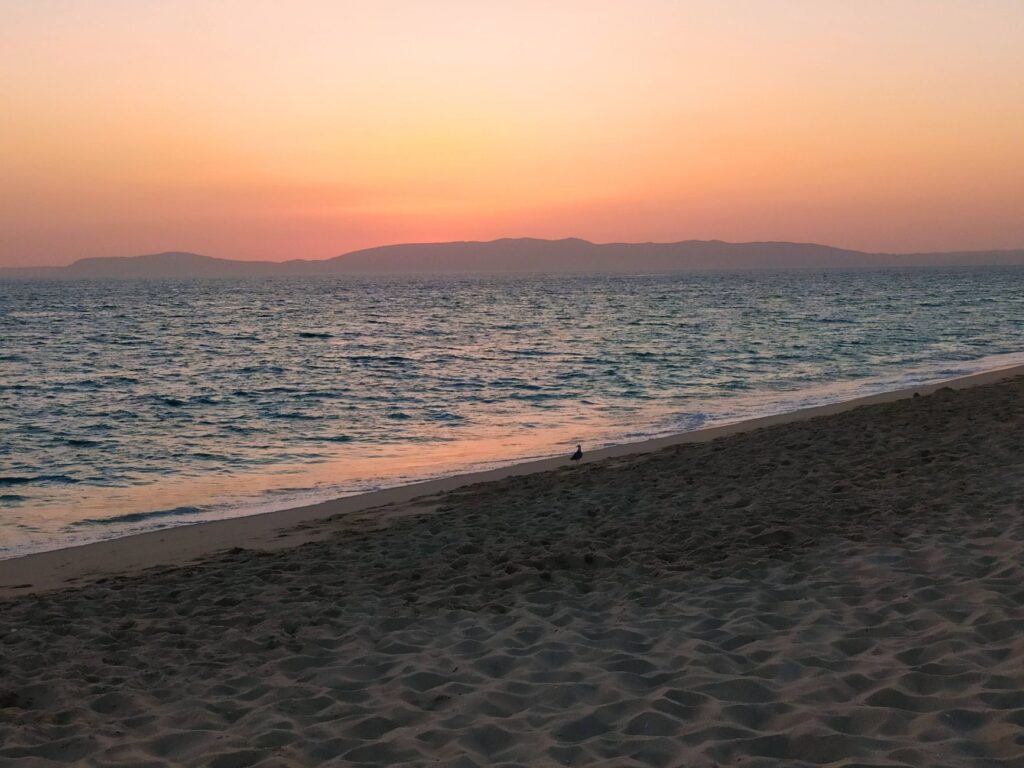
As evening falls, golden light glides across the tranquil waters of the Sado, bathing historic facades and the silhouettes of anchored port vessels in amber tones. In that moment of stillness, Setúbal encapsulates its raison d’être: a perfect synthesis of dignified daily life, respect for collective memory, and an enduring openness toward the vast horizon of the ocean.