
Northern Shoreline Amid Limestone Cliffs
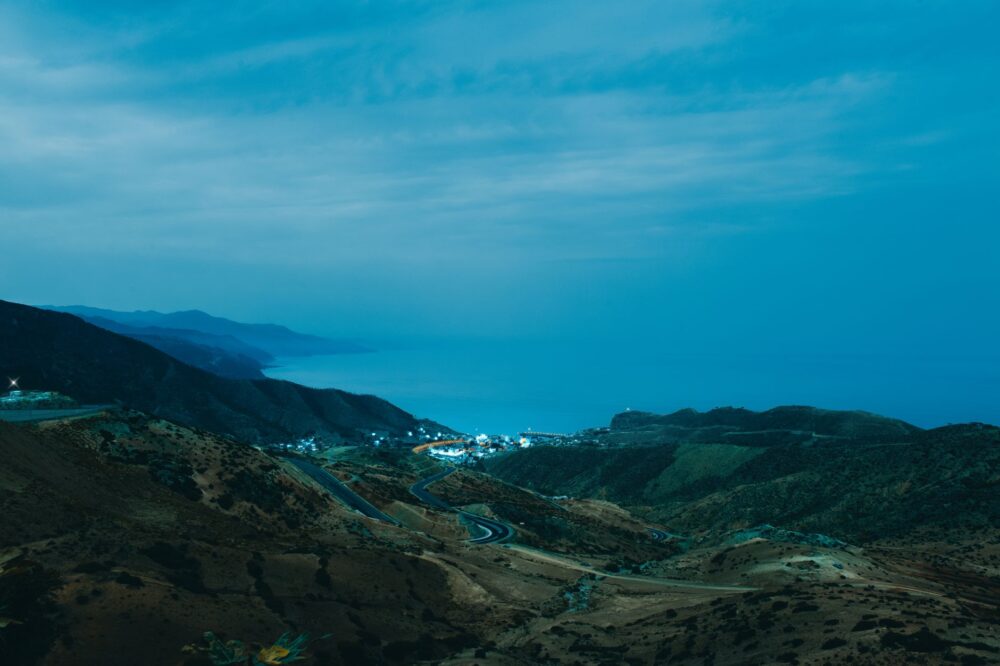
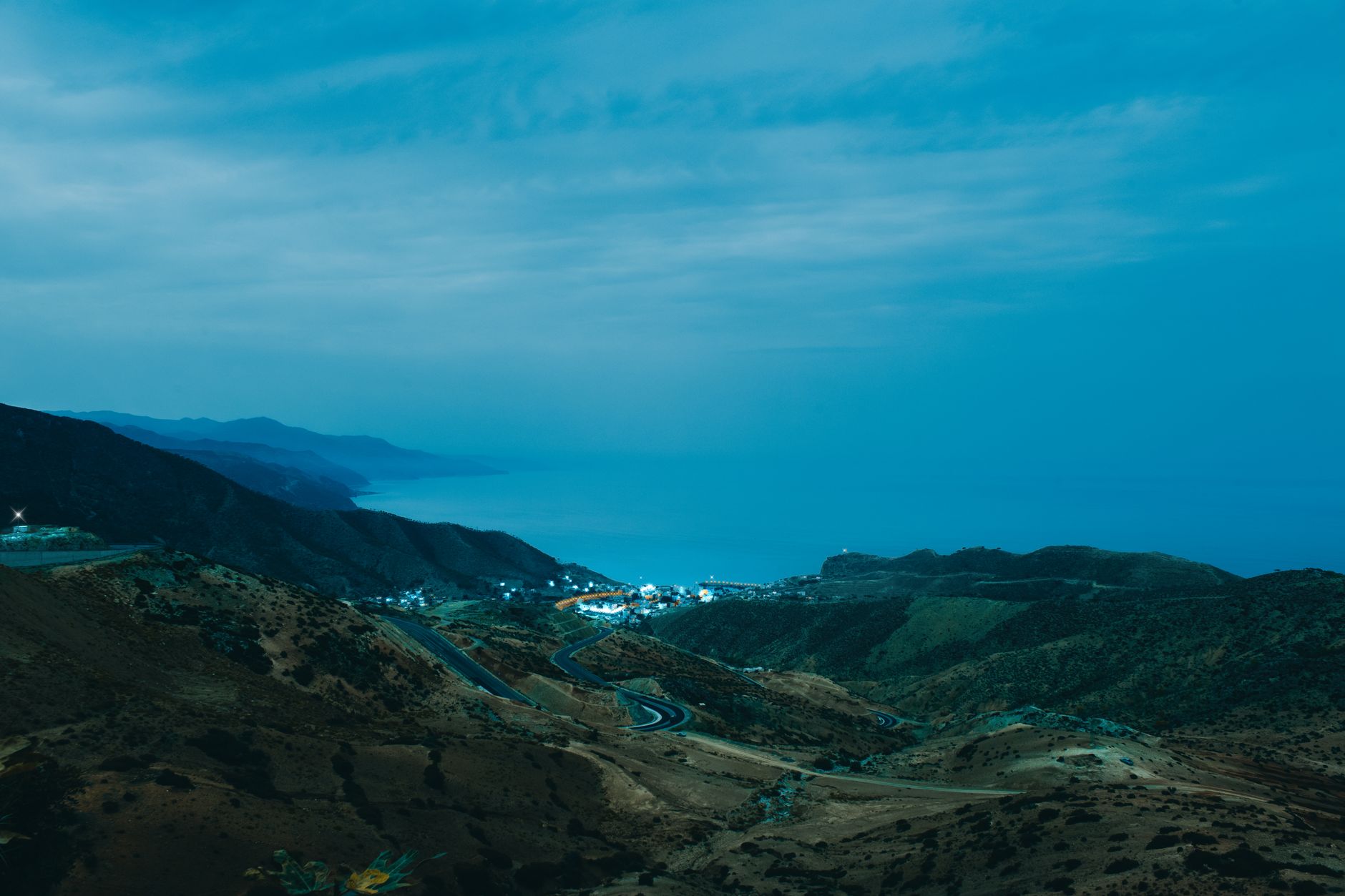
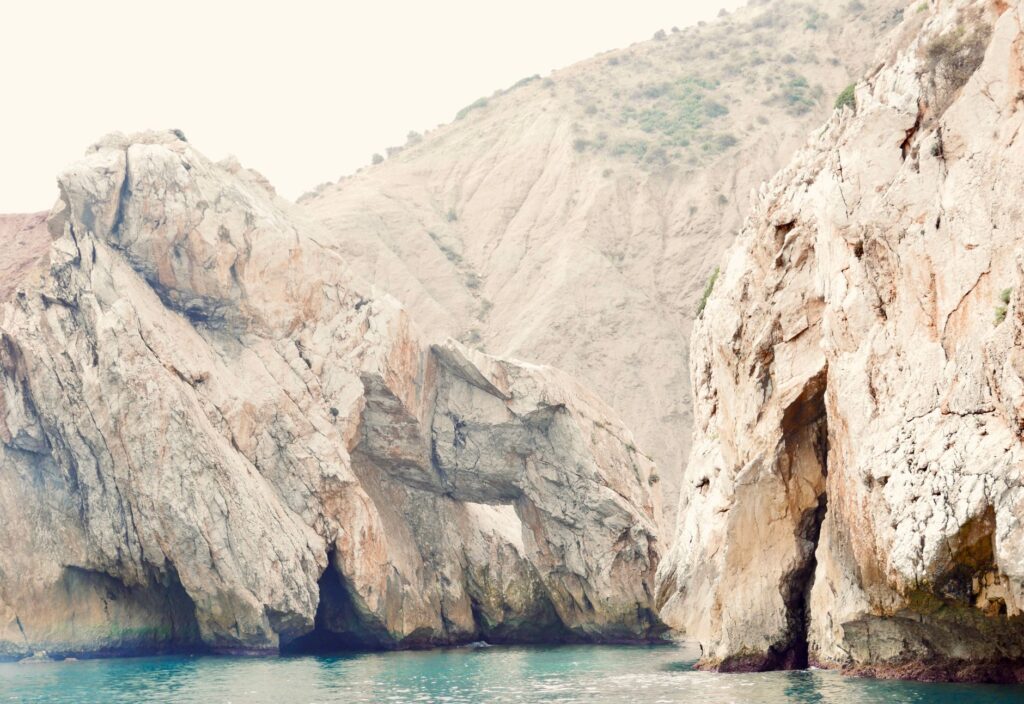
Overlooking the Alboran Sea, the city of Al Hoceima displays a geography where mountains plunge steeply toward the water. In this corner of northern Morocco, the coastline is not a low sandy strip, but a continuous dialogue between limestone cliffs, sheltered coves, and natural viewpoints that dominate the marine horizon. The dawn light paints the white and ocher facades of the town, revealing a landscape where topography completely defines the urban layout and the way residents relate to their surroundings.
The physical environment is marked by the foothills of the Rif mountain range, whose rugged formations descend toward the sea, shaping narrow valleys and small coastal depressions. This topography has historically conditioned the relative isolation of the region, fostering the development of a unique cultural identity deeply rooted in both Amazigh traditions and the historical currents of the western Mediterranean. Marine currents and northern winds shape a climate of mild summers and gentle winters, favoring an outdoor lifestyle centered around public squares and seaside promenades.
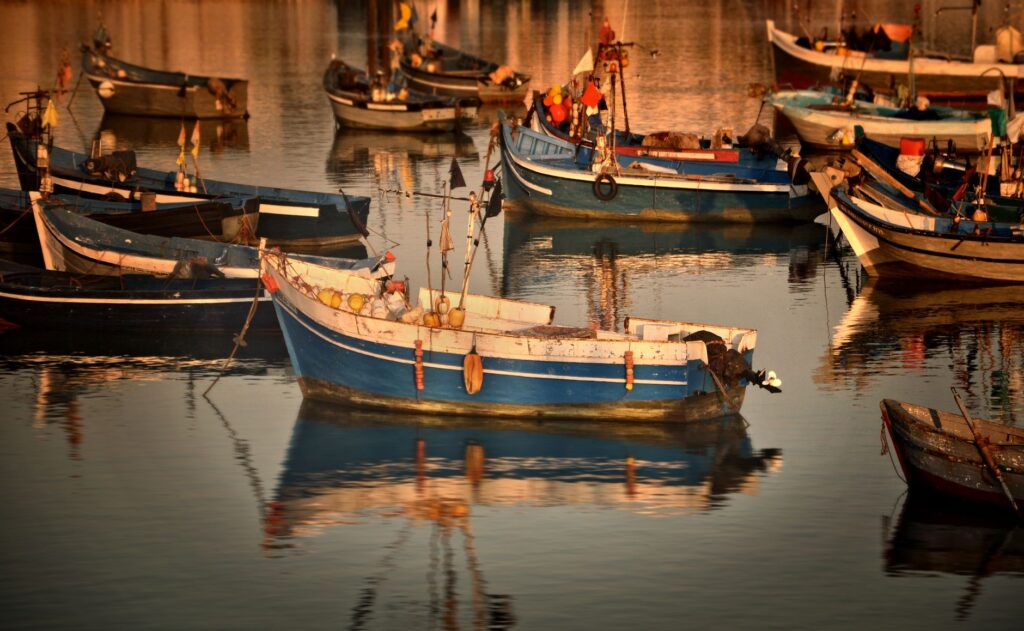
Unlike the large metropolitan centers in the country’s interior, the daily rhythm in Al Hoceima unfolds at a measured pace, dictated by the tides and the movement of local fishing fleets. The harbor docks bustle with intense activity from the early hours of dawn, when vessels return with the day’s catch. This maritime sector constitutes not only a fundamental economic engine for the nearly 400,000 residents of the province, but also the arena where the ties of kinship and neighborliness sustaining community cohesion are woven.
Urban Architecture and the Legacy of Historical Layout
Walking through the urban center of Al Hoceima reveals a unique architectural synthesis. Low-rise buildings, characterized by the predominant use of light tones to reflect intense solar radiation, are distributed in terraces that make the most of the sloping terrain. This stepped arrangement ensures that a large portion of homes enjoy unobstructed views of the bay, integrating the marine landscape as both a decorative and vital element within daily household life.
The initial urban design of the modern city underwent notable transformations during the first half of the twentieth century, leaving its imprint on the layout of several main avenues and central squares. Spaces such as Resistance Square now act as social lungs, where shady trees and communal benches welcome the leisurely cadence of afternoons. In these enclaves, neighborly conversation intertwines with the aroma of coffee and mint tea, forming a picture of intergenerational coexistence that defines the welcoming character of the town.
The stone of the Rif and the salt of the Mediterranean chisel a way of inhabiting the territory where pause is both a geographical necessity and a cultural choice.
The conservation of this architectural and urban heritage represents a constant challenge against the pressures of contemporary growth and tourism infrastructure development. Local authorities and neighborhood associations frequently collaborate to protect buildings of historical value, seeking a balance between the modernization of basic services and the preservation of the human scale that characterizes the city’s traditional neighborhoods.
The Central Market and the Flavors of the Northern Littoral
The commercial pulse of the city is concentrated in its central market and neighborhood shops flanking the pedestrian streets. In the morning, stalls overflow with agricultural produce harvested in the surrounding valleys of the Rif, ranging from seasonal vegetables to citrus fruits and nuts reflecting the fertility of local microclimates. Vendors hawk their goods in a bilingual atmosphere where Moroccan Arabic and variants of Tamazight coexist, bearing witness to the region’s linguistic richness.
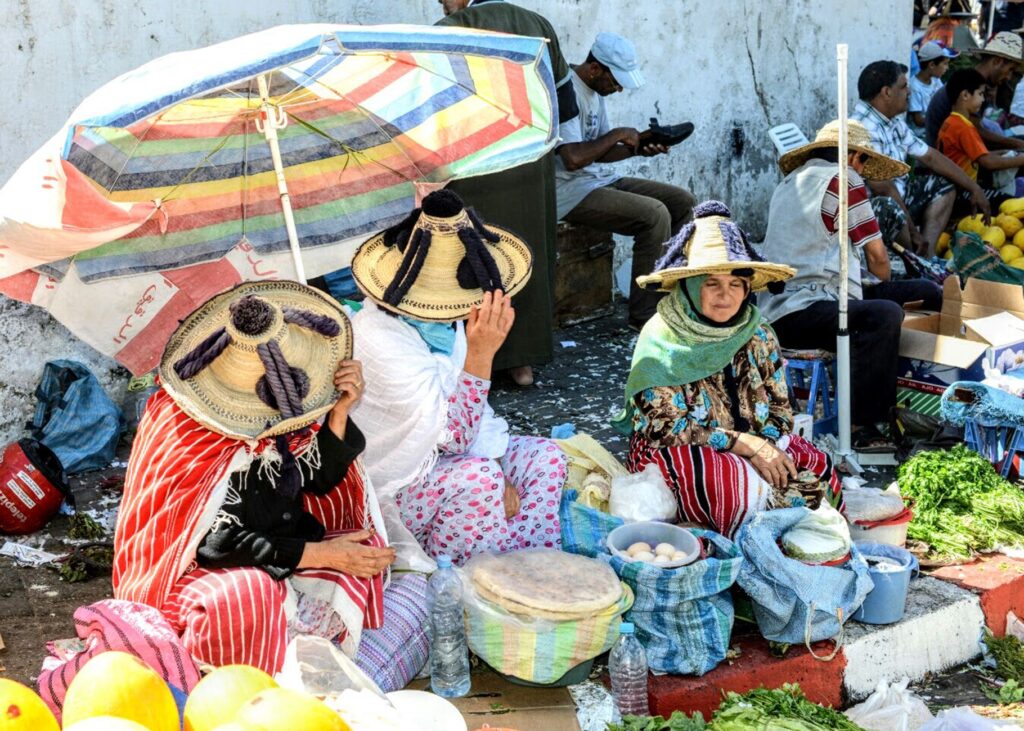
In gastronomy, local cuisine pays homage to seafood. Fresh fish, usually prepared grilled or integrated into traditional stews with mild spices, forms the basis of the daily diet. Couscous dishes made with garden vegetables and local meats, flavored with cumin, saffron, and extra virgin olive oil from the province’s olive groves, are also staples. Artisan pastry preparations featuring honey, almonds, and sesame accompany moments of family celebration and daily consumption in traditional establishments.
For the respectful visitor, engaging with Al Hoceima’s gastronomy means understanding that food is an act of hospitality and collective memory. Recipes are passed down from generation to generation without written manuals, perpetuating flavors that connect the community to its natural environment and historical Mediterranean trade routes.
Al Hoceima National Park and Marine Biodiversity
One of the region’s most treasured assets extends beyond the urban core: Al Hoceima National Park. This protected area encompasses both a terrestrial strip of exceptional geological value and an extensive marine area including the impressive cliffs of Bades and the famous Peñón de la Gomera nearby. The combination of terrestrial and marine ecosystems makes this territory a refuge of incalculable ecological value for numerous seabirds, such as Audouin’s gull and Eleonora’s falcon.
The crystal-clear waters bathing the park harbor Posidonia oceanica meadows and rocky bottoms where fish, crustaceans, and mollusks thrive. Conservation policies implemented in the area aim to mitigate the impact of human activity and intensive fishing, promoting sustainable practices among local artisanal fishers. Terrestrial trails winding along the cliffs allow walkers to observe endemic flora adapted to summer aridity and strong sea winds.
This natural heritage not only attracts naturalists and scientists, but also travelers interested in low-impact ecotourism. Birdwatching, guided hikes across the park’s slopes, and respectful snorkeling in pristine coves are activities fostering appreciation of the environment without compromising its fragile ecological balance.
Cultural Life and Traditional Festivities
Al Hoceima’s cultural agenda beats to the rhythm of the seasons and festivities marking the Muslim and Berber calendars. During summer celebrations, the city experiences a notable surge in activity due to the temporary return of the diaspora, a phenomenon energizing the local economy and filling beaches with a family and festive atmosphere. Traditional music festivals and Mediterranean film showcases draw creators and spectators from diverse latitudes, temporarily transforming the city into a forum for cultural exchange.
Local artistic expressions, such as oral poetry in the Amazigh language and traditional dances accompanied by percussion and string instruments, are preserved thanks to the dedication of local cultural groups. These manifestations are not mere museum pieces intended for tourism, but living elements that young people learn within family and community settings, ensuring the continuity of their identity legacy.
Respect for local customs and active listening to residents are the best tools for understanding the true essence of this northern enclave.
Associationism plays a crucial role in energizing civil life, driving artisan workshops, literacy initiatives, and environmental conservation projects. This civic vitality demonstrates that Al Hoceima is a community in constant evolution, capable of honoring its past while facing future challenges with determination and identity pride.
Practical guide
How to get there: Al Hoceima is served by the Sharif Al Idrissi International Airport, which receives regular flight connections from European and domestic cities. Overland, the city is connected by bus services and main highways to Tetouan, Nador, and Tangier.
When to visit: The spring months (April to June) and early autumn (September to October) offer pleasant temperatures and fewer visitors, ideal for exploring the city and its natural spaces on foot.
Accommodation: The lodging options include small urban hotels, family guesthouses, and rural lodgings near the National Park, oriented toward low-impact tourism.

Recommended gastronomy: Fresh daily catch at harbor restaurants, traditional Friday couscous, and pastry specialties made with local almonds and honey.
Health and travel advice: It is advisable to bring comfortable walking shoes for the uneven terrain, adequate sun protection, and a reusable water bottle to reduce single-use plastic consumption.
Epilogue Facing the Alboran Sea
When the sun sets behind the ridges of the Rif and the last fishing boats moor at the dock, Al Hoceima regains its most genuine silence. The lights of the bay flicker over the dark waters of the Mediterranean, reflecting the tenacity of a community that has turned its relief and frontier status into markers of identity. This northern enclave, removed from the haste of mass tourism routes, remains a living testimony to the balance between indomitable nature and the warmth of its people, offering the attentive traveler an unforgettable lesson in hospitality, memory, and respect for the horizon.