
The Protective Shadow of the Uluguru Mountains Over the Valley
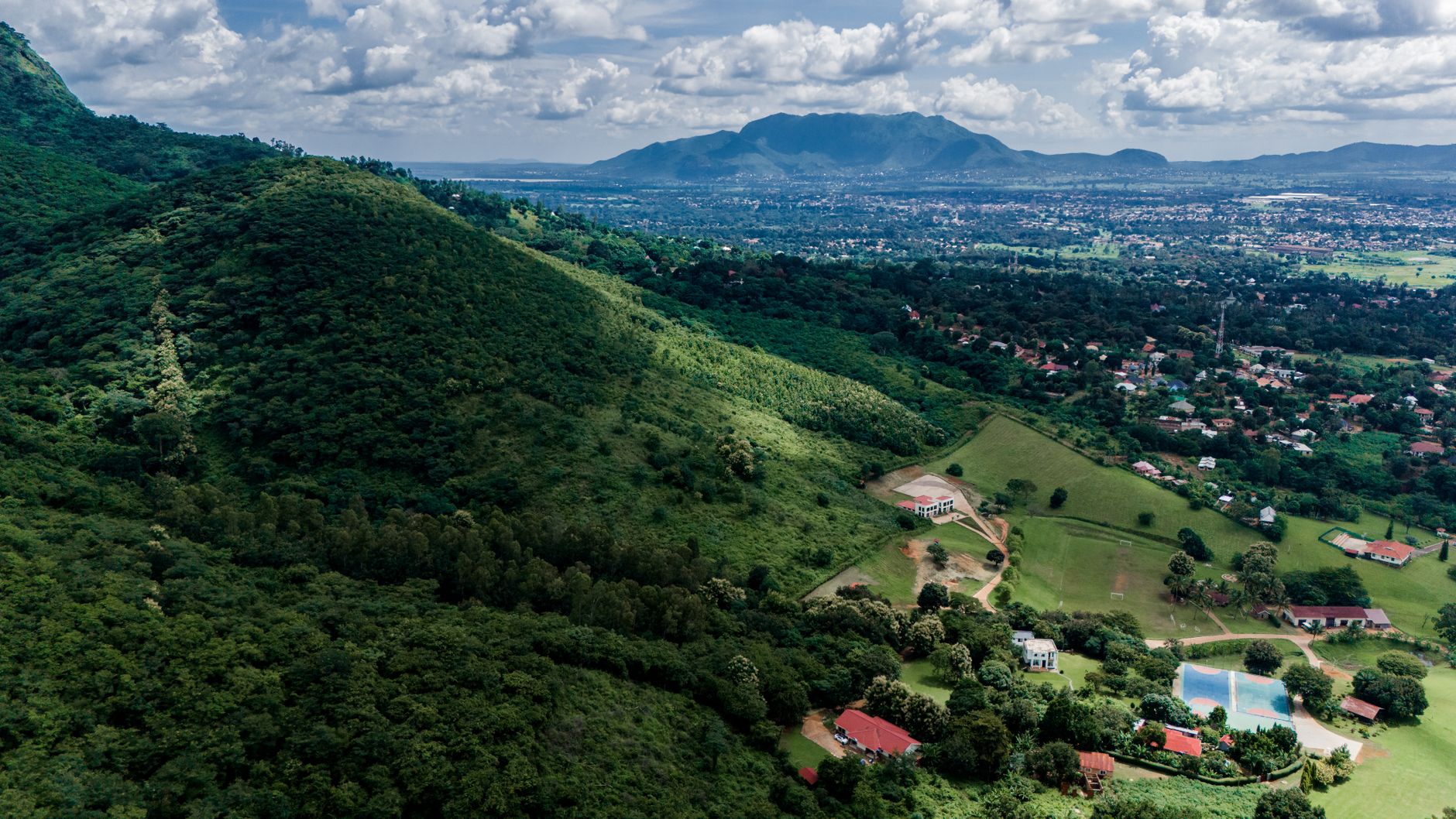
In the eastern heart of Tanzania, geography inexorably shapes the character of its settlements. Morogoro rises majestically beneath the imposing silhouette of the Uluguru Mountains, a mountain massif that not only defines the city’s visual horizon but acts as the true green lung and resource provider for the entire region. At an average elevation of around five hundred meters in the urban core, the slopes rise steeply toward dense forest formations of incalculable value, home to endemic plant species found nowhere else on the planet. This natural backdrop conditions the lives of its inhabitants, who from dawn watch morning mists slowly dissipate over the summits, revealing a landscape where humid tropical forest directly borders residential neighborhoods and small local shops.
The relationship between the people of Morogoro and their mountain environment spans centuries of history, rooted in agrarian communities that learned to harness the fertility of volcanic soils and the constant flow of streams descending from the heights. Walking through the city streets reveals a constant dialogue between wild nature and organized human activity. This is not an isolated enclave, but a nerve center where trade routes connecting the continental interior with the coast converge, maintaining an identity that rejects mass tourism in favor of an authenticity deeply rooted in daily labor, hospitality, and respect for seasonal cycles.
The Morning Pulse of Traditional Markets
Dawn in Morogoro is not announced by the strident noise of large industrial metropolises, but by the rhythmic sound of brooms sweeping dirt sidewalks and the aroma of burning charcoal at roadside tea stalls. Local markets constitute the true circulatory system of the town. In these spaces—labyrinths of colorful tarps and improvised metal structures—the fruits of land cultivated on the terraces of the Uluguru Mountains are sold: bananas of various types, generous-sized avocados, leafy greens, and spices that reveal the Indian Ocean trade legacy. Local farmers arrive at sunrise after hours of walking or aboard small shared transport vehicles loaded with fresh goods, establishing a direct link between producer and final consumer that has barely changed in recent decades.
Among the aisles of the main market, community life unfolds in all its social and cultural complexity. Conversations in Swahili flow naturally, accompanied by unhurried gestures and knowing smiles. Here, commercial exchange transcends mere economic transaction; it functions as an intergenerational meeting space where local news, traditional recipes, and ancestral knowledge regarding the medicinal use of native plants are passed down. Visitors who venture into these enclosures discover a leisurely rhythm that invites respectful observation, understanding that Morogoro’s everyday economy relies on neighborhood cooperation and the strength of a social fabric prioritizing collective well-being over modern frenzy.
Architecture and Urban Memory in the City Streets
Morogoro’s architectural heritage reflects the distinct historical layers that have shaped its urban fabric over the centuries. From modest adobe constructions with corrugated iron roofs to German and British colonial-era buildings still retaining sober lines and shaded galleries, the city presents a visual mosaic where past and present coexist without friction. Many of these historic structures have been adapted to house small artisan workshops, local administrative offices, or family homes, integrating organically into the current urban landscape rather than becoming inert open-air museums.
Main streets, flanked by mature trees providing much-needed relief from midday heat, host a varied sample of neighborhood shops, traditional tailoring stores crafting garments with brightly patterned fabrics, and small grocery stores supplying residents’ daily needs. The urban layout favors pedestrian transit and bicycle use, creating an environment where motorized traffic noise is relegated to the main ring roads. This human scale in urban space planning facilitates social cohesion and allows any walker to perceive the hospitable atmosphere characterizing this Tanzanian region.
Craft Heritage and Trades Resisting Time
In the quieter corners of Morogoro, far from the commercial bustle of the center, various artisan workshops keep alive trades that form a fundamental pillar of local cultural identity. Carpenters working local woods with hand tools, weavers transforming plant fibers into highly durable baskets, and potters shaping red clay extracted from the mountain foothills preserve knowledge passed down from parents to children. These artisans not only produce objects of daily utility, but act as guardians of an aesthetic memory that shuns global industrial standardization.
The true wealth of Morogoro is not measured in grand stone monuments, but in the ability of its people to preserve the dignity of manual labor and the oral transmission of their traditions.
The value of these trades lies in their capacity to adapt to contemporary demands without renouncing traditional methods. Many young people visit these workshops to learn the craft, ensuring generational handover in an economic context where the temptation of migration toward large urban centers remains constant. Local authorities and community initiatives encourage efforts to value this artisan production, ensuring local creators receive fair compensation for their labor and visitors can acquire authentic pieces whose origin and manufacturing process are completely transparent.
Flavors of the Land and River Basin
Morogoro’s gastronomy is a faithful reflection of its geographical location, situated between the mountain and surrounding agricultural plains. Basic ingredients of local cuisine rely on fresh, seasonal produce cultivated without heavy technological inputs in small family plots. Ugali, prepared from cornmeal, constitutes the essential accompaniment for meat stews, river fish, or vegetables cooked in coconut milk, an evident nod to the culinary influence of the Swahili coast. Sauces enriched with ground peanuts, tomato, and onion bring a depth of flavors characteristic of home-cooked dishes served in neighborhood eateries.
Along secondary streets, small street food stalls offer local specialties such as mishkaki—marinated meat skewers grilled over coals—or fried plantains, consumed both by workers at lunchtime and families on weekends. The culinary experience in Morogoro is completed by tasting teas cultivated in highland plantations and locally sourced coffees that surprise with body and aroma. This honest, unpretentious cuisine invites travelers to understand the territory through the palate, valuing ingredient freshness and the care put into traditional preparation.
Practical guide
- How to get there: Morogoro can be accessed by road or railway services from Dar es Salaam, on a journey crossing savanna landscapes and farmland.
- When to go: The dry season, spanning from June to October, offers the most favorable conditions for hiking routes in the Uluguru Mountains.
- Accommodation: Family-run small hotels and guesthouses abound in the urban center, ideal for close contact with local reality.
- Currency: The official currency is the Tanzanian shilling; carrying cash in local currency is recommended for purchases in markets and small shops.
- Language: Swahili is the national and main language; learning a few basic words greatly facilitates interaction with residents.
- Health: Consulting a travel medicine center for recommended vaccination guidelines and maintaining basic precautions with drinking water is advisable.
- Clothing: Modest and respectful attire aligned with local customs is recommended, especially when walking through residential areas and markets.
The sunset over Morogoro dyes building facades and the slopes of the Uluguru Mountains with ochre and golden tones, closing a day where community life and nature have marched in unison. On street corners, neighbors say goodbye with the traditional «kwa heri» as the cool breeze descends from the mountain to relieve the daytime heat, leaving the certainty that this Tanzanian corner retains an intimate, enduring heartbeat of its own.