
The Savannah Awakening Before Dawn
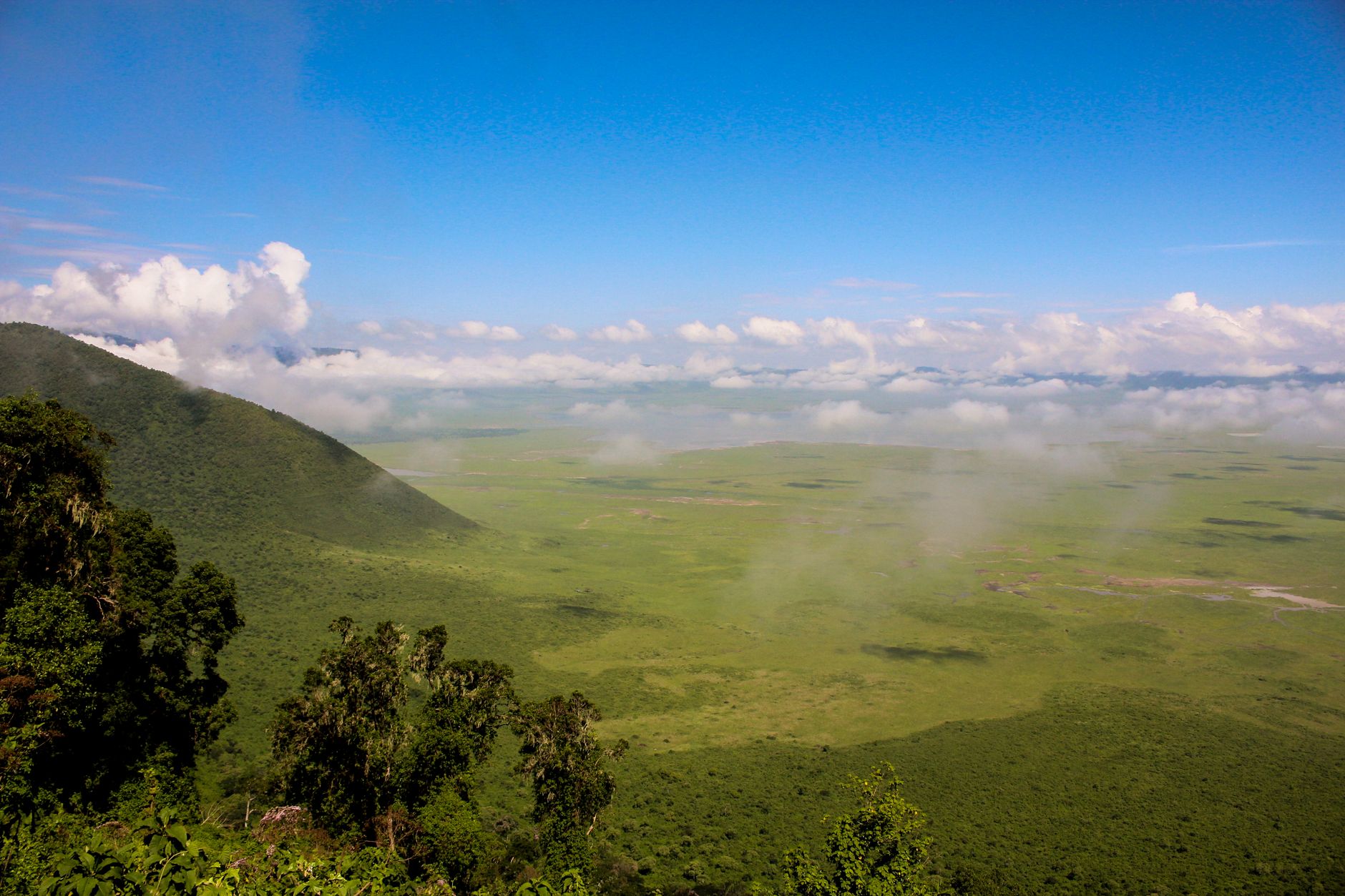
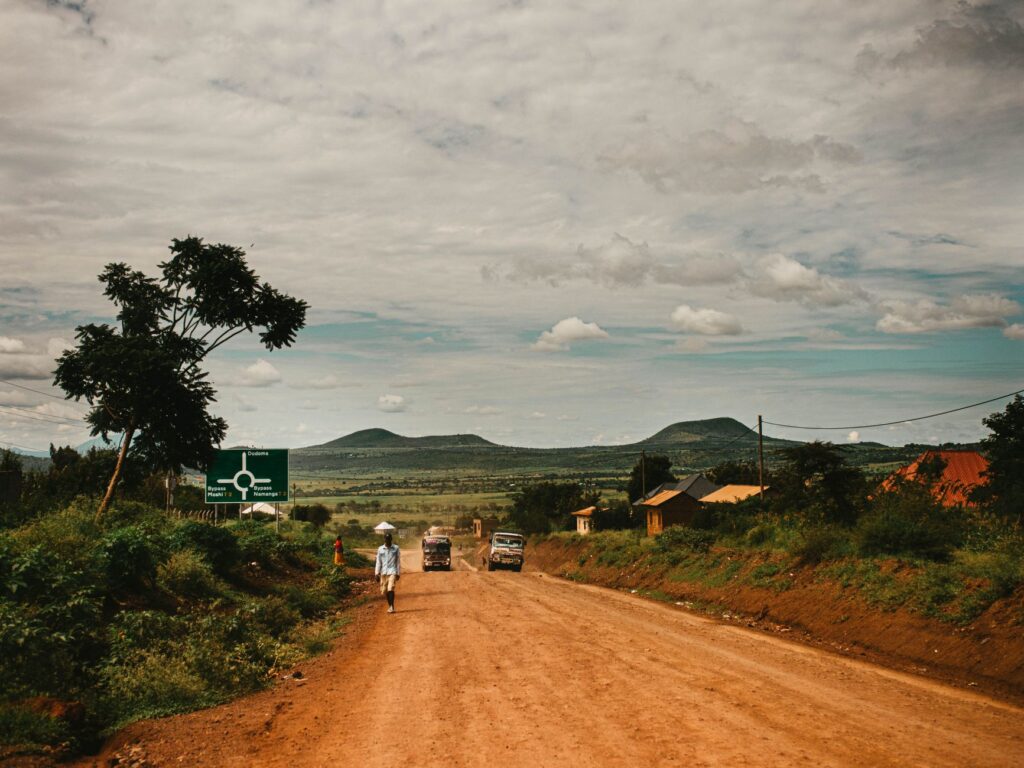
In the district of Handeni, located within the Tanga region of Tanzania, the day does not begin with the sound of alarm clocks, but with the crackle of dry branches as charcoal and wood stoves are ignited. With a population exceeding one hundred thousand residents, this interior Tanzanian town maintains a measured pace where every ingredient tells a story of adaptation to its environment. At some six hundred meters of altitude, the cool early morning air quickly mingles with the dense smoke of open-air kitchens, inaugurating a daily cycle where subsistence and popular gastronomy go hand in hand. The red dirt roads connecting the neighborhoods begin to fill with the silent footsteps of neighbors heading toward supply points before the sun beats down heavily on the surrounding landscape.
Everyday cooking in this corner of East Africa knows nothing of artifice or printed menus. It is governed by seasonal availability, patience in cooking times, and the full utilization of resources offered by a land marked by a tropical savannah climate. Here, the act of eating is a natural extension of the community; an invisible bridge that unites families around simple yet energy-dense dishes. The dark aluminum pots, weathered by years of use over open fires, are the true monuments of a culinary heritage passed down from generation to generation without the need for written manuals.
The Central Market as a Social Epicenter
The economic and social heart of the town beats strongly in its main market, a space where the aromas of local spices compete with the colors of sacks of cornmeal and cassava. From the earliest morning hours, merchants display their products on wooden tables or directly on mats spread out across the ground. Commercial exchange in Handeni is, above all, an exercise in neighborhood trust. There are no large distribution chains; every tomato, onion, and bunch of leafy greens arrives from small family plots cultivated in the immediate vicinity of the municipality.
Wandering through the aisles of this market allows one to understand the invisible architecture of the local diet. Grain stalls occupy a prominent place, reflecting the region’s historical reliance on dryland crops. Maize, ground by hand in small mechanical mills scattered throughout the neighborhoods, constitutes the undisputed base upon which almost any daily menu is built. Female vendors greet regular buyers with a blend of courtesy and familiarity that turns weekly shopping into a ritual of mutual recognition, where conversations flow regarding the weather, harvests, and the health of relatives.
The Texture of Flour: The Mastery of Ugali
If there is one element that synthesizes the gastronomic identity of Handeni and much of Tanzania, it is undoubtedly ugali. This dense dough made from white cornmeal is prepared by constantly stirring with a wooden paddle in boiling water until it reaches a firm consistency that allows it to be molded with the fingers. Far from being a mere side dish, ugali functions as the structural base of the main meal. Its preparation requires physical strength, skill, and, above all, meticulous attention to timing to prevent it from acquiring an unwanted toasted flavor or developing lumps in the mixture.

In homes and small popular eateries throughout the area, eating ugali is a collective act that requires certain traditional etiquette rules. A small piece is broken off with the right hand, lightly pressed with the thumb to create a small indentation, and used to scoop up the stews or sauces accompanying it. This ancestral technique removes any barrier between the diner and the food, turning the experience into a tactile exercise where the temperature and texture of the dish dictate the rhythm of table conversation.
The Earth’s Pantry and Legume Stews
No plate of ugali is served alone on the tables of Handeni. Beside it, an indispensable accompaniment invariably appears in the form of bean stew, local lentils, or dark leafy greens cooked with onion and tomato. These legumes, known generically in the region, provide the necessary plant protein to sustain long days of agricultural and commercial labor. Slow cooking in clay or aluminum pots allows flavors to concentrate, creating thick, comforting broths infused with the characteristic aroma of vegetable oil and the modest spices available in the market.
The cuisine of Handeni does not seek to impress the traveler with artifice, but rather to offer the human warmth and memory of a land sustained by daily effort.
Leafy green vegetables, similar to spinach or pumpkin leaves, are finely chopped and sautéed with basic soffrios. Their slight bitterness contrasts perfectly with the neutrality of the corn, generating a nutritional and gustatory balance that has guaranteed the food survival of generations. In the months when rains are scarce, the pantry adapts with dried produce and strategic reserves, demonstrating a culinary resilience that forms an invisible part of the local character.
The Aroma of Coffee and Afternoon Infusions
As the sun begins to descend on the horizon and the savannah temperature grants a respite, the secondary streets of Handeni adopt a more intimate tone. This is the moment when small street stalls and private courtyards reignite their stoves to prepare afternoon beverages. Spiced black tea and coffee cultivated in the nearby highlands take on absolute prominence. These infusions, usually served very hot and with a generous amount of sugar, act as the definitive meeting point for neighbors before night completely falls over the municipality.
Sitting down to enjoy a cup of tea on a street corner allows one to observe daily life unfiltered. Children run back home from school amidst laughter, merchants slowly pack up their stalls, and elders converse under the shade of mango trees. In this environment, the evening pause is not a waste of time, but a social necessity. The steam rising from metal cups accompanies calm chats about road conditions, market prices, and preparations for local festivities that play a fundamental role in community cohesion.
Sustainability and Responsible Visitor Choices
Travelers who occasionally arrive in this interior Tanzanian zone encounter a destination where authenticity remains intact precisely because of the absence of commercial mass tourism. For the contemporary traveler, visiting Handeni implies adopting an attitude of deep respect toward local dynamics. Responsible consumption choices involve prioritizing small family-run stalls, consuming seasonal produce, and avoiding any intrusive attitude when photographing daily life in markets or public spaces. Sustainability here is not a green label imposed from the outside, but a daily practice of survival and mutual respect.
Supporting the local economy also means understanding that service times do not respond to Western urgency. Everything is prepared to order, using ingredients available within a radius of a few kilometers. Accepting this premise transforms the gastronomic experience into a lesson on patience and the real value of food. Travelers journeying through Tanga with open senses discover that the true luxury of these places lies in the honesty of a shared table, where every bite reflects the living history of a territory that prefers to remain true to its roots.
Neighborhood Memory and Invisible Heritage
Behind every traditional recipe crafted in the homes of Handeni lies a network of female knowledge that sustains the collective memory of the place. It is the women who safeguard the secrets of exact proportions for ugali, spice combinations for legume stews, and preservation methods for agricultural surpluses. This intangible heritage is not archived in museums, but revitalized three times a day in every kitchen across the district. The oral transmission of this knowledge ensures that culinary identity does not dilute amidst the influences of globalized fast food.
As years pass, new generations of local cooks and producers balance respect for tradition with the need to introduce modest improvements in their businesses. Nonetheless, the essence remains unaltered: the kitchen continues to be the mirror where the community recognizes itself. Traversing this Tanzanian territory, visitors realize that a people’s culture is measured not only by its stone monuments, but by the warmth with which strangers are welcomed around a humble, steaming plate.
Practical guide
Getting there: Handeni is accessible by road from Tanga and other major regional cities via bus routes and shared local transport (daladalas).
When to go: The dry season months, from June to October and January to February, offer the most comfortable conditions for road travel and urban walking.

Accommodation: Hotel options are limited and very modest in character, geared primarily toward transient travelers. Advance booking or checking options in nearby larger cities is recommended.
Recommended cuisine: Try traditional ugali accompanied by local bean stews and leafy greens in the small eateries of the central market.
Local etiquette: It is essential to ask permission before photographing people in markets and to always greet respectfully in Swahili before initiating any commercial transaction.
The Visual Finale of the Savannah
cuando the final rays of sunlight paint the sky of Tanga with fire, the silhouette of savannah trees stands out against the horizon in imposing silence. Kitchens slowly extinguish their embers, leaving behind the persistent aroma of burning wood and toasted corn that has defined the entire day. In that moment of stillness, Handeni reveals its most intimate and enduring face, reminding us that the true essence of travel is not found in grand monuments, but in the simple peace of a shared sunset at the edge of Tanzanian roads.